Start with Zoho CRM if you need agentic CRM for sales operations. Salesloft fits signal-driven revenue follow-up; Apollo.io fits data and execution in one system. Details, prices and limits for the rest of the 5 tools are below.
Ainotely compared 5 tools for sales Follow-Up software. The goal is a practical shortlist: published prices, free plan facts, best-fit use cases and honest limits for every entry.
Key takeaways
This list starts with Zoho CRM, which is built for agentic CRM for sales operations.
A fair warning about Apollo.io: wide scope may be more than follow-up needs.
Salesforce Sales Cloud is the one to check for automating sales force follow-up.
Every tool from Zoho CRM to Salesforce Sales Cloud works by quote, with no list price shown.
For agentic CRM for sales operations, Zoho CRM is a natural candidate. It suits companies that want follow-up managed inside a CRM and that value a wide software ecosystem around it.
What to check first: Ecosystem fit matters for best results.
On top of that, teams looking for CRM-centered follow-up with room to add related apps frequently shortlist it. No starting price is listed for Zoho CRM here; confirm pricing on the vendor site. Free plan details: Not stated.
For signal-driven revenue follow-up, Salesloft is a natural candidate. Salesloft is presented as a predictive revenue system that turns buyer signals into action, geared toward helping revenue teams close deals quicker. Worth adding: if your follow-up is straightforward and signal-based triggers are not a priority, a more entry-level tool may suffice.
Teams already collecting engagement and intent signals can put them to work in follow-up workflows. The value relies on having steady buyer signals and connected data, so teams with scattered systems may see less benefit. It is framed for revenue teams instead of general CRM needs. Pricing for Salesloft is not stated here, so ask the vendor for current figures. As for free access: Not stated.
What to check first: Positioned for revenue teams specifically.
Apollo.io targets data and execution in one system. It suits teams that want prospect data and follow-up execution in the same environment, reducing handoffs between tools.
Downsides: Needs comfort with data-driven workflows.
Sales and go-to-market teams running outbound motions are the natural audience. Apollo.io shows no starting price here, so confirm the cost on the vendor site. On free options: Free trial.
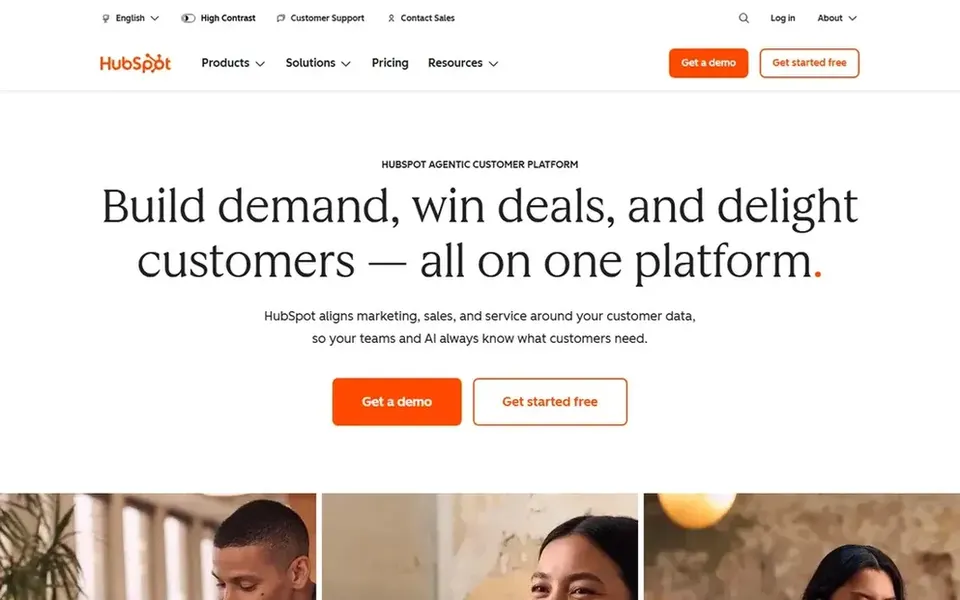
HubSpot Sales Hub was built for CRM-connected follow-up at scale. Teams that want follow-up reminders, sequences, and deal context in one place fit it well, notably when marketing and sales already share a CRM.
Where it is weaker: Feature depth can overwhelm small teams.
The system includes a wide surface, so teams that only need light email reminders may find it heavier than necessary. If your priority is a narrow sequence tool instead of a CRM-centered product, a more focused choice may be more straightforward. HubSpot Sales Hub shows no starting price here, so confirm the cost on the vendor site. Free access: Not stated.
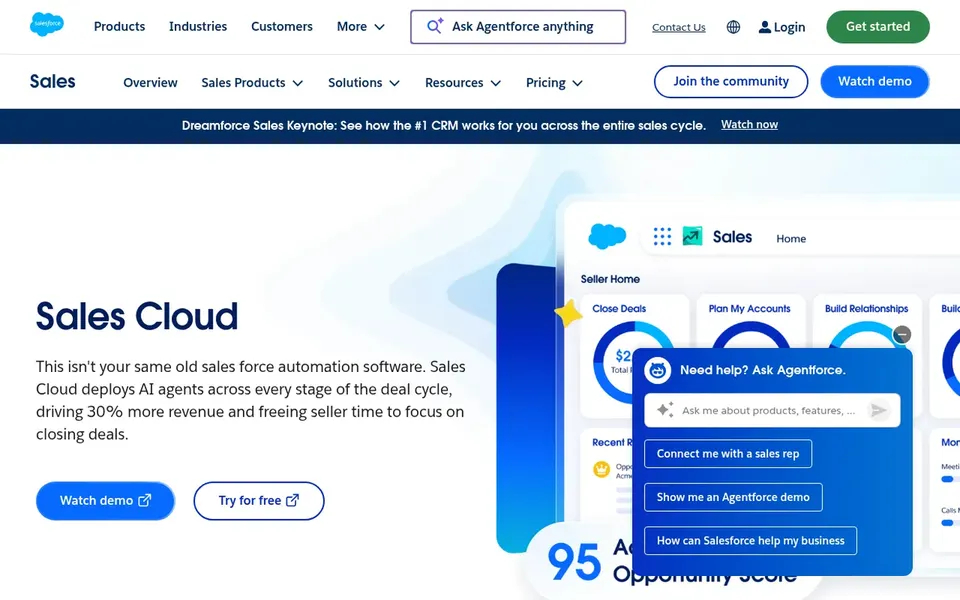
Salesforce Sales Cloud serves automating sales force follow-up. Since it is highly customizable, getting follow-up workflows right can take planning and administrative effort.
In daily use, Salesforce Sales Cloud is sales force automation software built to help teams grow accounts, find new customers, and close deals quicker from anywhere. On top of that, smaller teams without dedicated admins may find that overhead hard to justify. Salesforce Sales Cloud shows no starting price here, so confirm the cost on the vendor site. Trial and free access: Not stated.
Trade-offs to know: Configuration can be complicated.
Request quotes from Zoho CRM, Salesforce Sales Cloud and the others; the list shows no fixed prices.
Run a trial of Apollo.io with real work before paying for a year; your own workflow is the best test.
Before choosing Zoho CRM, weigh its main limit: ecosystem fit matters for best results.
Before rolling out HubSpot Sales Hub, verify the integrations your workflow depends on.
Price Salesforce Sales Cloud for your actual team size; headline prices rarely include add-ons or overage.
How we picked
Each tool was reviewed on what its vendor publishes: price, plan limits, core features and stated drawbacks. We did not run hands-on tests. Treat prices as a snapshot: vendors change plans often, so check the vendor site for the figure that applies today. The ranking is editorial: typical fit first, then clear pricing, then free access. If your needs are unusual, read the profiles rather than relying on position. Keep it in mind while reading the 5 sales Follow-Up software profiles on this page.
Every price and plan detail on this page comes from the vendors’ own websites. We did not run hands-on tests unless the text says so, and we do not publish star ratings or review scores. See how we score and our disclosure.
Keep your shortlist in one place
Paste prices, trial dates and notes from this guide into Ainotely, our AI note app. It files them into a topic and pulls out tasks like “cancel trial by Friday”. Free 7-day trial, no card needed.
Is Zoho CRM the right pick for everyone comparing sales Follow-Up software?
No single tool suits every team. Zoho CRM comes first because it fits agentic CRM for sales operations, while Salesloft suits signal-driven revenue follow-up and Apollo.io suits data and execution in one system. Match the tool to your own size, budget and workflow before deciding.
Does any tool for sales Follow-Up software here have a free plan?
No tool in this list, Zoho CRM and Salesforce Sales Cloud included, has a permanent free plan. Apollo.io offer a trial. Trials and quotes are the usual route, so plan a short evaluation period.
Can I try these options before paying?
Often, yes. Apollo.io offers a free trial. Use your own data and a real task during the test, and check what the free tier or trial limits before you rely on it. The 5 tool cards above repeat this per product for sales Follow-Up software, with the listed price or "pricing on request".
How many tools should a small team evaluate?
A shortlist of two or three is normally enough to compare fit without overload. Start with the tool that matches your CRM situation, then check one alternative for simplicity and one for deeper automation. Confirm setup effort before deciding.
Do these tools publish their prices?
No. None of the tools, from Zoho CRM to Salesforce Sales Cloud, shows a fixed starting price here, so budget time for quotes. Each of the 5 options in this sales Follow-Up software guide has its own card above with the price, free plan and limits.