If you need CRM-based pipeline forecasting, HubSpot Sales Hub is the first tool to look at here. For a different need, People.ai covers activity data for forecast accuracy and Salesloft covers signal-based revenue execution. The remaining 2 options are covered below with prices and limits.
Ainotely put together this guide to sales forecasting tools for subscription businesses for readers who want a clear shortlist without reading every vendor page. It compares 5 tools on starting price, free plans, who each one suits and where each one falls short.
Key takeaways
This list starts with HubSpot Sales Hub, which is built for CRM-based pipeline forecasting.
For recurring revenue lifecycle forecasting, Salesforce Revenue Cloud is worth a look.
Before buying Salesloft, weigh this: forecasting depth relies on integrations.
None of the 5 tools, from HubSpot Sales Hub to Salesforce Revenue Cloud, has a free plan, so budget for a subscription or use a trial.
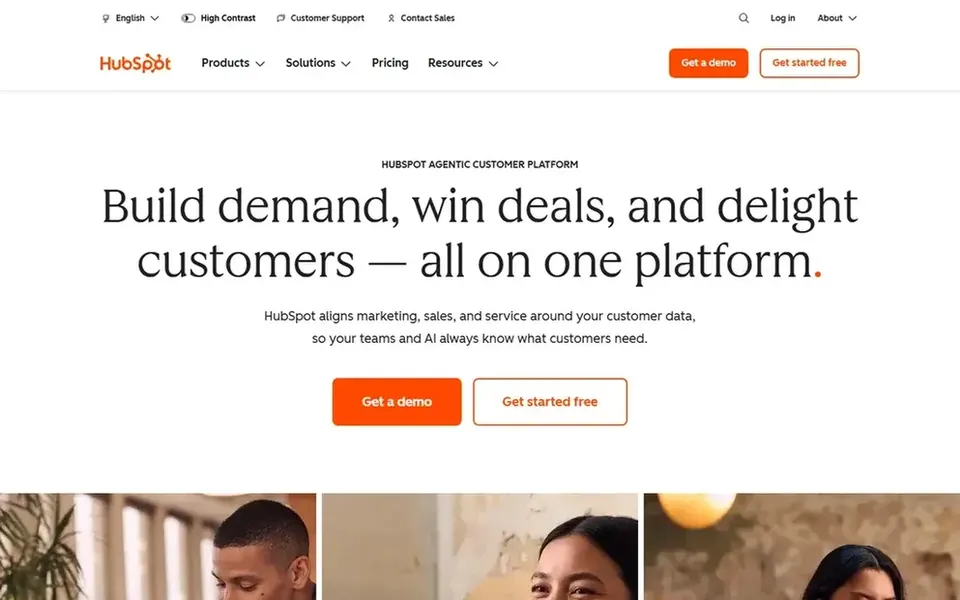
For CRM-based pipeline forecasting, HubSpot Sales Hub is a natural candidate. HubSpot Sales Hub is AI sales software that turns prospects into pipeline and conversations into closed deals, built on the system's CRM data. Also, HubSpot is most solid as a CRM-centered sales product, so highly specialized recurring-revenue management may call for a dedicated revenue system alongside it.
Points against: Advanced needs may need add-on hubs.
Pick HubSpot when simplicity and one connected data source matter more than deep revenue lifecycle tooling. Beyond that, for subscription teams, the appeal is a single view of pipeline, deals and customer conversations that feeds forecast accuracy. This comparison lists no price for HubSpot Sales Hub; ask the vendor. Free access: Not stated.
People.ai works best for activity data for forecast accuracy. People.ai is a revenue intelligence system widely known for capturing and analyzing sales activity data to boost CRM completeness and forecast reliability.
Trade-offs to know: Less known for recurring billing features.
For subscription firms, richer activity data can reveal whether renewals and expansions are genuinely progressing. From a buyer's view, consider People.ai when data quality is the main obstacle to forecast confidence. Pricing for People.ai is not stated here, so ask the vendor for current figures. As for free access: Not stated.
Salesloft was built for signal-based revenue execution. Salesloft presents itself as a predictive revenue system that turns buyer signals into action for revenue teams.
Where it falls short: Forecasting depth relies on integrations.
Pick Salesloft when signal-driven selling and forecasting should work together. From a buyer's view, teams needing deep recurring-revenue accounting should pair it with a revenue management system. Salesloft shows no starting price here, so confirm the cost on the vendor site. As for free access: Not stated.
Gong Revenue Intelligence is a good fit for conversation-driven revenue forecasting. Gong Revenue Intelligence is described as a revenue AI operating system that helps the entire go-to-market organization win, using multimodal revenue signal processing, specialized AI agents and purpose-built applications.
The main drawbacks: Needs wide adoption to pay off.
Gong's strength centers on conversation and engagement intelligence, so it complements instead of replaces a full revenue management system. On top of that, choose Gong when deal and renewal risk should be read from customer interactions. Gong Revenue Intelligence does not show a starting price in this comparison, so check the vendor site for current pricing. Free plan details: Not stated.
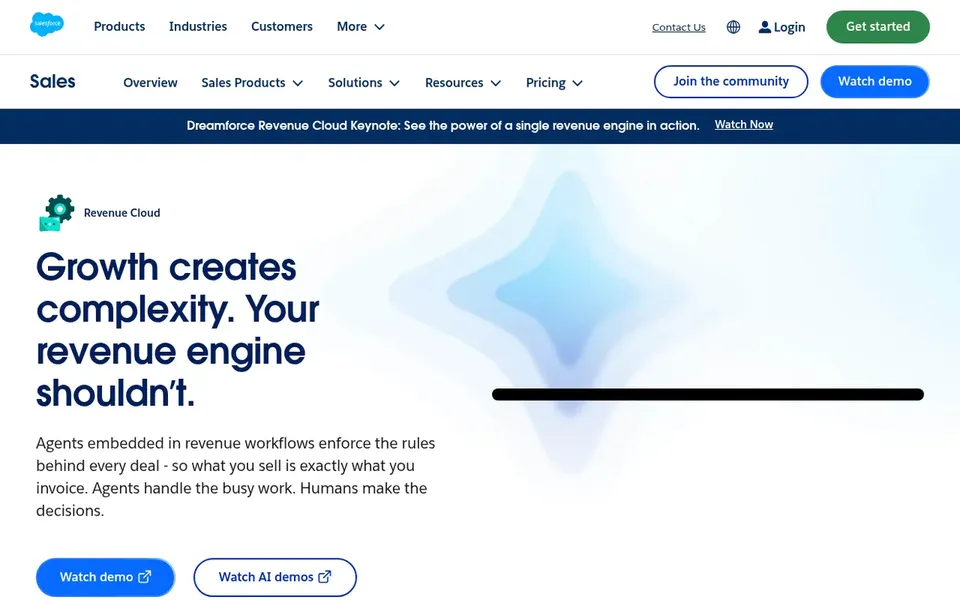
In short, Salesforce Revenue Cloud is for recurring revenue lifecycle forecasting. Salesforce Revenue Cloud is revenue management software pitched at simplifying the revenue lifecycle and driving efficient revenue growth. In daily use, the platform is broad, so implementation and administration can demand real effort, and teams outside the Salesforce ecosystem may find the fit less natural.
If you only need light pipeline forecasting, a more straightforward sales hub may be enough. Choose Revenue Cloud when recurring revenue management and forecasting should live in one place. For subscription companies, that means forecasting sits close to the systems that run recurring contracts, billing and revenue recognition. Salesforce Revenue Cloud shows no starting price here, so confirm the cost on the vendor site. As for free access: Not stated.
Drawbacks to consider: Best value for teams already on Salesforce.
Request quotes from HubSpot Sales Hub, Salesforce Revenue Cloud and the others; the list shows no fixed prices.
Before choosing HubSpot Sales Hub, weigh its main limit: deeper revenue lifecycle features sit elsewhere.
Confirm minimum seats and billing terms with HubSpot Sales Hub before you commit to an annual plan.
Run a one or two week pilot of Gong Revenue Intelligence with the people who will use it every day.
Verify that exporting from Salesloft is possible on your plan and covers all your records.
How we picked
Pricing pages, product documentation and feature lists were the main sources, and every entry carries at least one honest drawback. Where a vendor does not publish a price, the entry says quote. Where a price depends on seats or billing term, the entry says so. Position on the page reflects fit for a typical buyer first, with price clarity and free access breaking ties. Treat it as a guide, not a ruling. This applies to all 5 sales forecasting tools for subscription businesses options compared here.
Every price and plan detail on this page comes from the vendors’ own websites. We did not run hands-on tests unless the text says so, and we do not publish star ratings or review scores. See how we score and our disclosure.
Keep your shortlist in one place
Paste prices, trial dates and notes from this guide into Ainotely, our AI note app. It files them into a topic and pulls out tasks like “cancel trial by Friday”. Free 7-day trial, no card needed.
Why do subscription companies need different forecasting tools?
Tools built around pipeline stages alone can miss these recurring drivers. Look for platforms that link pipeline data with recurring revenue context.
Can I try these tools before paying?
Not by default. None of the tools, from HubSpot Sales Hub to Salesforce Revenue Cloud, lists a free plan or a free trial here, so ask each vendor for a demo before committing.
How does revenue intelligence boost forecast accuracy?
That provides forecasters evidence beyond rep-entered stages. Accuracy still relies on how well the tools link to your CRM and communication systems.
Is HubSpot Sales Hub the right pick for everyone comparing sales forecasting tools for subscription businesses?
No single tool suits every team. HubSpot Sales Hub comes first because it fits CRM-based pipeline forecasting, while People.ai suits activity data for forecast accuracy and Salesloft suits signal-based revenue execution. Match the tool to your own size, budget and workflow before deciding.
How are the tools for sales forecasting tools for subscription businesses ordered?
The order follows typical fit for sales forecasting tools for subscription businesses, with HubSpot Sales Hub first and Salesforce Revenue Cloud last, then price clarity and free access. It is editorial judgement, not a score, so another team could rank the tools differently.
Do these tools publish their prices?
No. None of the tools, from HubSpot Sales Hub to Salesforce Revenue Cloud, shows a fixed starting price here, so budget time for quotes. The 5 tool cards above repeat this per product for sales forecasting tools for subscription businesses, with the listed price or "pricing on request".