Best SEO Marketing Platforms in New York in 2026: 8 Platforms Compared

- Our pick for most people is Semrush, because it covers all-in-one seo research with the fewest trade-offs in this group.
- There is no strong free tier across this whole group, so check the trial terms on the official site before you commit to a paid plan.
- Ahrefs is the best second look when Semrush does not fit, since it serves backlink and keyword research rather than the same audience.
- Prices and plan limits change often, so confirm the current terms on each vendor site and read the fine print on limits, renewals and cancellation.
Quick comparison
| Product | Ideal for | Price from | Free version | |
|---|---|---|---|---|
 Semrush | All-in-one SEO research | See website | Free trial | Visit |
 Ahrefs | Backlink and keyword research | See website | No | Visit |
 Moz | Small teams learning SEO | See website | Free trial | Visit |
 BrightEdge | Enterprise content and SEO | See website | No | Visit |
 Conductor | Enterprise SEO and content teams | See website | No | Visit |
 seoClarity | Large sites needing rank intelligence | See website | No | Visit |
 Searchmetrics | Content performance analysis | See website | No | Visit |
 Botify | Technical SEO for large sites | See website | No | Visit |
The best SEO marketing platforms in New York
Choosing among options for best seo marketing platform in new york comes down to fit, not fame. We compared official feature pages, pricing pages, app store listings, privacy policies and public reviews for each option below, and we weighed what you actually get on the entry plan against what stays behind a paywall. Semrush leads this list because it handles all-in-one seo research well for the widest range of readers, but the right choice depends on your budget, your team size and how much hand-holding you want. Read the shortlist with your own situation in mind. A cheaper tool that you actually use beats a powerful one that sits untouched, and a plan that looks cheap on the monthly line can cost more once add-ons and limits are counted. Take notes as you read, and shortlist two or three options to test before you decide.
Semrush
Ideal for: All-in-one SEO research
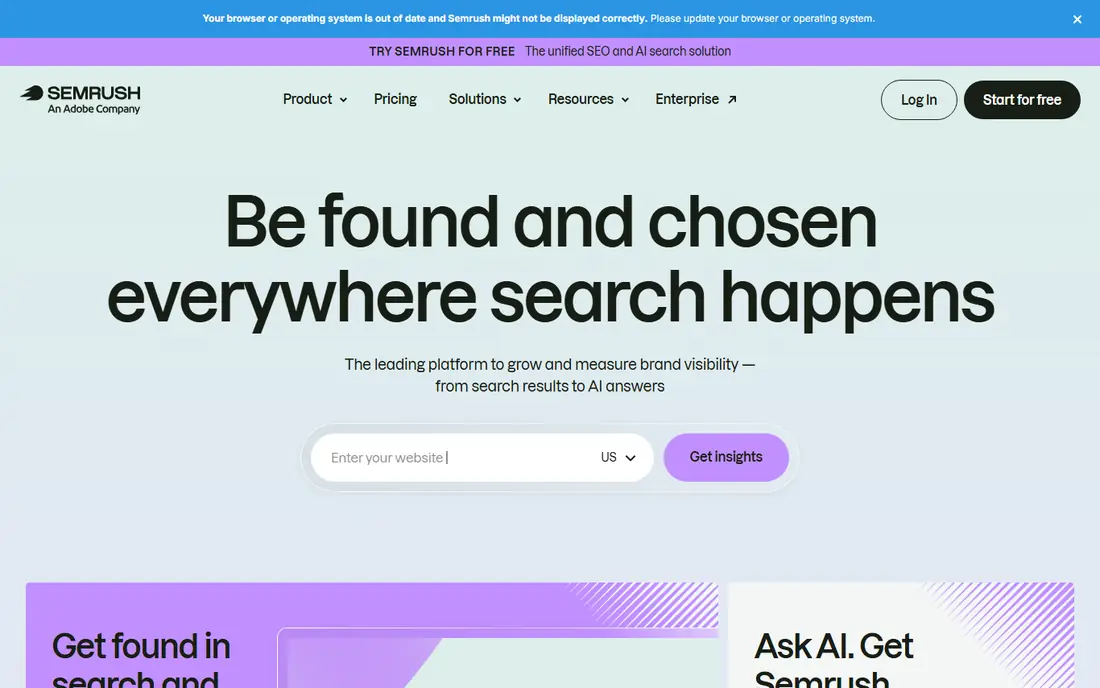
Semrush is the all-in-one workhorse for New York businesses that need keyword research, site audits and local rankings in one subscription. Its local SEO toolkit helps multi-location firms track map rankings across boroughs and neighborhoods. For readers focused on all-in-one seo research, the appeal is huge keyword and backlink database. That strength matters in daily use, because it is the part you will notice every week, not a feature you open once and forget. Compare it against the rest of the list on that one point first, then look at price, platform support and how the company handles your data. The honest weakness is paid plans are pricey for very small firms. the interface takes time to learn Try it on a real task before you pay, and check whether the entry plan covers the feature you actually need.
- Huge keyword and backlink database
- Local SEO tools
- Competitor tracking
- Paid plans are pricey for very small firms
- The interface takes time to learn
Ahrefs
Ideal for: Backlink and keyword research
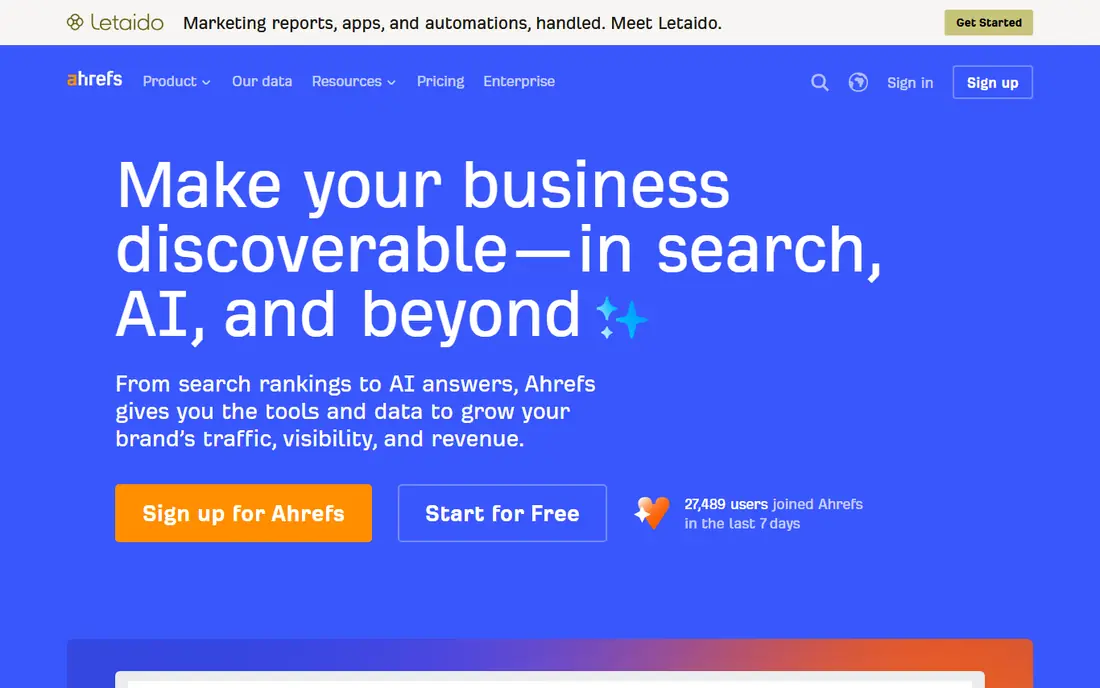
Ahrefs is the first choice for teams that live in link data, with a backlink index and content tools that surface what competitors rank for. Its site audit is fast and clear, which helps agencies and in-house teams fix technical issues without guesswork. For readers focused on backlink and keyword research, the appeal is excellent backlink data. That strength matters in daily use, because it is the part you will notice every week, not a feature you open once and forget. Compare it against the rest of the list on that one point first, then look at price, platform support and how the company handles your data. Watch out for no free plan. higher tiers get expensive If you can live with that limit, the rest of the package is easy to recommend for its audience.
- Excellent backlink data
- Fast site audits
- Strong content gap tools
- No free plan
- Higher tiers get expensive
Moz
Ideal for: Small teams learning SEO
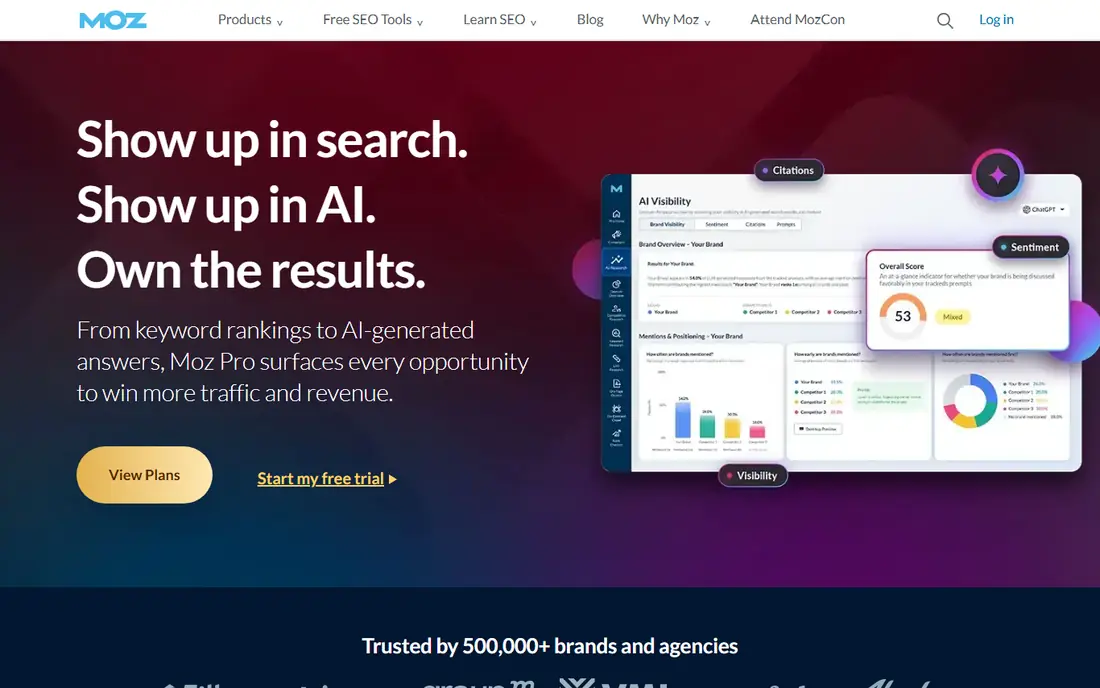
Moz suits smaller New York firms that want clear guidance rather than a wall of data, with learning resources built into the platform. Its local tools help shops, clinics and restaurants keep listings consistent across directories. For readers focused on small teams learning seo, the appeal is friendly interface and learning resources. That strength matters in daily use, because it is the part you will notice every week, not a feature you open once and forget. Compare it against the rest of the list on that one point first, then look at price, platform support and how the company handles your data. The catch is smaller keyword database than Semrush or Ahrefs. fewer advanced features If that trade-off is acceptable for how you work, this is a solid choice, and a short trial will tell you more than any review can.
- Friendly interface and learning resources
- Local listing tools
- Domain authority metric
- Smaller keyword database than Semrush or Ahrefs
- Fewer advanced features
BrightEdge
Ideal for: Enterprise content and SEO
BrightEdge serves large New York enterprises and publishers that need content recommendations tied to revenue and share of voice. Its reporting connects SEO performance to business outcomes, which matters when budgets are reviewed by finance teams. For readers focused on enterprise content and seo, the appeal is aI-driven content recommendations. That strength matters in daily use, because it is the part you will notice every week, not a feature you open once and forget. Compare it against the rest of the list on that one point first, then look at price, platform support and how the company handles your data. The honest weakness is enterprise pricing only. overkill for small sites Try it on a real task before you pay, and check whether the entry plan covers the feature you actually need.
- AI-driven content recommendations
- Strong enterprise reporting
- Share of voice tracking
- Enterprise pricing only
- Overkill for small sites
Conductor
Ideal for: Enterprise SEO and content teams
Conductor pairs SEO data with content workflow tools, so large teams can plan, publish and measure in one place. Its insights help content teams pick topics with real search demand instead of guessing from internal opinion. For readers focused on enterprise seo and content teams, the appeal is strong content insights and reporting. That strength matters in daily use, because it is the part you will notice every week, not a feature you open once and forget. Compare it against the rest of the list on that one point first, then look at price, platform support and how the company handles your data. Watch out for enterprise pricing. setup takes time If you can live with that limit, the rest of the package is easy to recommend for its audience.
- Strong content insights and reporting
- Good workflow tools
- Enterprise support
- Enterprise pricing
- Setup takes time
seoClarity
Ideal for: Large sites needing rank intelligence
seoClarity is built for large sites that need daily, large-scale rank tracking and technical data they can trust. Its platform handles thousands of keywords across locations, which suits New York firms with many service pages. For readers focused on large sites needing rank intelligence, the appeal is daily rank tracking at scale. That strength matters in daily use, because it is the part you will notice every week, not a feature you open once and forget. Compare it against the rest of the list on that one point first, then look at price, platform support and how the company handles your data. The catch is enterprise focus. smaller firms will find it costly If that trade-off is acceptable for how you work, this is a solid choice, and a short trial will tell you more than any review can.
- Daily rank tracking at scale
- Strong technical SEO data
- Content analytics
- Enterprise focus
- Smaller firms will find it costly
Searchmetrics
Ideal for: Content performance analysis
Searchmetrics focuses on how content performs in search, with visibility data that shows whether a site is gaining or losing ground. Its research tools help teams find topics and formats that already work for competitors in the same market. For readers focused on content performance analysis, the appeal is content experience data. That strength matters in daily use, because it is the part you will notice every week, not a feature you open once and forget. Compare it against the rest of the list on that one point first, then look at price, platform support and how the company handles your data. The honest weakness is interface feels dated to some users. pricing is quote-based Try it on a real task before you pay, and check whether the entry plan covers the feature you actually need.
- Content experience data
- Visibility tracking
- Good research tools
- Interface feels dated to some users
- Pricing is quote-based
Botify
Ideal for: Technical SEO for large sites
Botify digs into crawl and log file data to show how search engines actually move through a large site. Its technical depth suits big New York publishers and retailers whose rankings depend on crawl efficiency and site structure. For readers focused on technical seo for large sites, the appeal is deep log file and crawl analysis. That strength matters in daily use, because it is the part you will notice every week, not a feature you open once and forget. Compare it against the rest of the list on that one point first, then look at price, platform support and how the company handles your data. Watch out for technical focus. not a beginner tool If you can live with that limit, the rest of the package is easy to recommend for its audience.
- Deep log file and crawl analysis
- Strong technical insights
- Enterprise scale
- Technical focus
- Not a beginner tool
How we picked these
We started from the topic itself and kept only products that exist and work today and truly fit it. For each one we checked the official homepage, the pricing page and the free tier, and we read app store listings, privacy policies and public reviews where they were relevant. Products with a homepage we could not verify were left out, and prices we could not verify are shown as See website rather than guessed. We favored a mix of well-known leaders and strong smaller options, and we weighed entry price, free tier, platform coverage and honest weaknesses. No product here paid for its place, and we did not claim hands-on testing we did not do. What follows is a comparison of published facts, so you can check any claim on the vendor site before you buy.
Picking an SEO platform for a New York business
Start by naming your goal, whether it is map rankings, more service-page traffic or content growth, and match the platform to that goal. A tool with great link data will not fix a local listing problem, and a local tool will not replace content research. Next, test the rank tracking on your own keywords and locations before you pay for a year. Compare two finalists on data freshness, local accuracy and how clearly the reports explain what to do next.
Frequently asked questions
Which SEO platform is best for a small New York business?
Moz or Semrush usually fit small firms best, since both cover local rankings, audits and keyword research. Ahrefs is stronger for link research but costs more for a small team.
Do I need a local agency or a platform?
A platform gives you the data and tools, while an agency adds hands-on work and strategy. Many New York firms use a platform in-house and hire an agency only for content or link building.
What is local SEO?
Local SEO helps a business appear in map results and local searches for its area, such as a plumber in Brooklyn. It depends on consistent listings, reviews and location pages.
How long does SEO take to show results?
Most sites need three to six months before ranking changes are clear, and competitive New York terms can take longer. A platform helps you track progress in the meantime.
Is Semrush or Ahrefs better?
Semrush covers more marketing channels in one place, while Ahrefs leads on backlink data depth. Teams focused on links often pick Ahrefs, and teams wanting an all-in-one tool pick Semrush.