Best SEO Ranking Tool in 2026: 9 Rank Trackers Compared

- SE Ranking gives the most daily-tracked keywords for the money among the all-in-one suites: 2,000 keywords for $129 per month, or $103.20 per month billed annually.
- Ahrefs Lite tracks 750 keywords for $129 per month, but its pricing table lists weekly rank updates on every plan, which matters if you want daily movement.
- SpyFu is the cheapest paid option we found, at $39 per month (or $29 billed annually) with 5,000 weekly tracked rankings and a 30-day money-back guarantee.
- Google Search Console is free and shows the average position of your real search queries, so every site owner should set it up before paying for anything.
- Several tools now track visibility in AI answers alongside Google rankings, but prompt tracking is usually weekly and limited on entry plans.
Quick comparison
| Product | Ideal for | Price from | Free version | |
|---|---|---|---|---|
 SE Ranking | Best value daily rank tracking | $129 per month | Free trial (14 days) | Visit |
 Semrush | All-in-one SEO with daily tracking | $139 per month | Free trial (7 days) | Visit |
 Ahrefs | Backlink and competitor research | $129 per month | Yes | Visit |
 SpyFu | Tight budgets and competitor spying | $39 per month | No | Visit |
 Moz Pro | Small businesses that want the basics | $99 per month | Free trial | Visit |
 AccuRanker | Fast, large-scale dedicated rank tracking | $224 per month | No | Visit |
 Wincher | Simple daily tracking for small sites | See website | Free trial (7 days) | Visit |
 Nightwatch | Local and global tracking in many locations | See website | Free trial (14 days) | Visit |
 Google Search Console | Free ranking data from Google itself | Free | Yes | Visit |
The best SEO ranking tools
A ranking tool tells you where your pages show up in search for the keywords you care about, and how that changes over time. Some of these are full SEO suites with a rank tracker inside, and some do only rank tracking, but very well.
SE Ranking
Ideal for: Best value daily rank tracking

SE Ranking is our top pick for most small businesses and freelancers, because it gives the most tracked keywords per dollar among the full suites. Its pricing page lists the Core plan at $129 per month, or $103.20 per month billed annually, with 10 projects, 2,000 keywords and 100 AI prompts tracked daily.
That is far more tracking than Semrush or Ahrefs give at a similar price. You also get keyword, competitor and backlink research, a website audit, and integrations with Google Analytics, Search Console and Looker Studio. The 14-day trial needs no credit card, which makes it easy to test on your own keywords.
The catch is that the Core plan covers one manager seat, and teams have to pay for extra seats. The Growth plan at $279 per month adds 30 projects, three seats and 5,000 daily keywords.
- 2,000 keywords tracked daily on the entry plan
- 14-day trial with no credit card
- Includes site audit, backlink research and AI visibility tracking
- Interface packs in a lot, so it takes time to learn
- Entry plan includes one manager seat
Semrush
Ideal for: All-in-one SEO with daily tracking

Semrush is the tool many marketers learn first, and its Position Tracking is one of the most complete rank trackers inside a suite. The pricing page lists the SEO plan at $139 per month, or $117.33 per month billed annually, with five websites and 500 keywords tracked daily, plus keyword research, competitor analysis, a site audit and AI visibility reports.
The value is in everything around the tracker. You can see which competitor pages outrank you, find keywords to target next and fix site problems without switching tools. Semrush offers a seven-day free trial that you can cancel anytime.
The trade-off is volume. At 500 daily keywords, a store with many product categories will outgrow the entry plan fast, and the next tier is $165.17 per month on annual billing.
- 500 keywords tracked daily on the entry SEO plan
- Deep keyword, competitor and site audit tools in one place
- AI search visibility reports included
- Fewer tracked keywords than SE Ranking for more money
- Add-ons and extra seats raise the cost quickly
Ahrefs
Ideal for: Backlink and competitor research
Ahrefs is best known for backlink data, and its Rank Tracker sits alongside that research. The pricing page lists Lite at $129 per month, Standard at $249 and Advanced at $449. Lite includes 750 tracked keywords, and the plan comparison shows weekly update frequency for Rank Tracker on every tier.
There is also a $29 per month Starter plan for basic keyword and competitor lookups, and a free tier. Ahrefs Free gives website owners limited access to Site Explorer and Site Audit for their own site, and the company says it never runs discounts or trials.
Choose Ahrefs if you want to study why competitors rank, not just where you rank. If daily movement matters to you, pair it with Search Console or pick a daily tracker instead.
- Excellent backlink and competitor data
- Ahrefs Free gives limited Site Explorer and Site Audit for your own site
- 750 tracked keywords on Lite
- Rank Tracker updates weekly on all listed plans
- No free trial or discounts on paid plans
SpyFu
Ideal for: Tight budgets and competitor spying

SpyFu is the cheapest paid tool here and still covers a lot. Its pricing page lists the Basic plan at $39 per month, or $29 per month billed annually, with 5,000 weekly tracked keyword rankings, 10,000-row search results, a site audit and 10+ years of historical data.
Its real strength is seeing what competitors do. You can look up the keywords a rival ranks for and the Google Ads they have run over the years. The Pro + AI plan costs $59 for the first month, then $119 per month, and raises tracking to 15,000 weekly rankings.
SpyFu backs every plan with a 30-day money-back guarantee, which removes most of the risk of trying it. If you need daily or city-level tracking, look at Wincher or Nightwatch instead.
- Basic plan from $39 per month, $29 billed annually
- 5,000 weekly tracked keyword rankings
- 30-day money-back guarantee
- Weekly, not daily, rank updates
- Built around competitor research more than local tracking
Moz Pro
Ideal for: Small businesses that want the basics

Moz Pro has been around for more than two decades, according to Moz, and it is aimed squarely at small businesses that want the core SEO tools without a learning cliff. The pricing page lists Standard at $99 per month, or $79 per month paid yearly, with three tracked sites, 300 tracked keywords and 400,000 crawled pages per month.
The plan also includes AI visibility features, such as 150 tracked AI prompts checked weekly across GPT, Gemini and Google AI Mode. A free trial is available, and a free Moz Community account gives limited access to the MozBar browser extension, Keyword Explorer and Link Explorer.
At 300 keywords, Standard suits a single local business. Anyone tracking a larger site will hit the cap quickly and should compare the higher tiers against SE Ranking.
- Standard plan at $99 per month, $79 billed yearly
- Well-known Domain Authority metric and link research
- Free Moz account gives limited MozBar and Keyword Explorer access
- Only 300 tracked keywords on Standard
- One user on the entry plan
AccuRanker
Ideal for: Fast, large-scale dedicated rank tracking

AccuRanker is a specialist. It does rank tracking and nothing else, and it is built for agencies and in-house teams watching thousands of keywords. Its pricing page lists the Professional plan at $224 per month, with keyword options from 2,000 to 5,000, daily updates, search intent, tagging, filtering, and Google Search Console and Analytics integration.
The Expert plan at $764 per month adds dynamic tagging, AI-based click-through estimates and Looker Studio support for 10,000 to 25,000 keywords. Paying yearly saves 10%, and plans can be changed or cancelled at no cost, per the page.
For a single small business site, it is more than you need. For an agency reporting to clients every morning, the speed and filtering are the reason to pay.
- Daily updates on every plan
- Built for thousands of keywords with fast load times
- Search intent, tagging and Google Search Console integration
- Expensive for a single small site
- Does only rank tracking, so you still need a research tool
Wincher
Ideal for: Simple daily tracking for small sites

Wincher is a lightweight tracker for people who find the big suites overwhelming. Its pricing page shows three plans for small teams, growing teams and agencies, starting from 500, 1,000 and 5,000 keywords. All include daily updates, with on-demand checks on the two higher plans and weekly local rank tracking.
The FAQ says you can try Wincher free for seven days and that there is no free plan, though it offers public free tools. Extra keywords are sold in blocks, which helps small sites grow without jumping a full tier.
We could not see the plan prices when we checked, so compare them on the vendor's page. It is a good fit for a blogger or local business that wants daily numbers without paying for a full SEO suite.
- Daily rankings on every plan
- Clean dashboards that are easy for beginners
- Local rank tracking included
- Prices did not load in our check, so confirm on the pricing page
- On-demand refreshes need the middle plan or higher
Nightwatch
Ideal for: Local and global tracking in many locations

Nightwatch is built for tracking rankings in specific places, which suits multi-location businesses and agencies. Its pricing page says it covers more than 107,000 locations across 190+ countries in any language, keeps three years of search result history, and includes unlimited team seats.
When we checked, the Starter plan was shown as €79 per month with 500 keywords and 50 AI prompts tracked daily, and Professional at €159 with 2,500 keywords. Every plan comes with a 14-day free trial and no credit card required. Prices may display in your local currency, so confirm on the page.
Nightwatch is a strong choice if you need city-level results for several branches. If you only care about one town, a simpler tracker will do.
- Tracks rankings in over 107,000 locations in 190+ countries
- Unlimited team seats
- Daily tracking plus real-time on-demand checks
- Pricing displayed in euros in our check, so US prices may differ
- Fewer research tools than full suites
Google Search Console
Ideal for: Free ranking data from Google itself
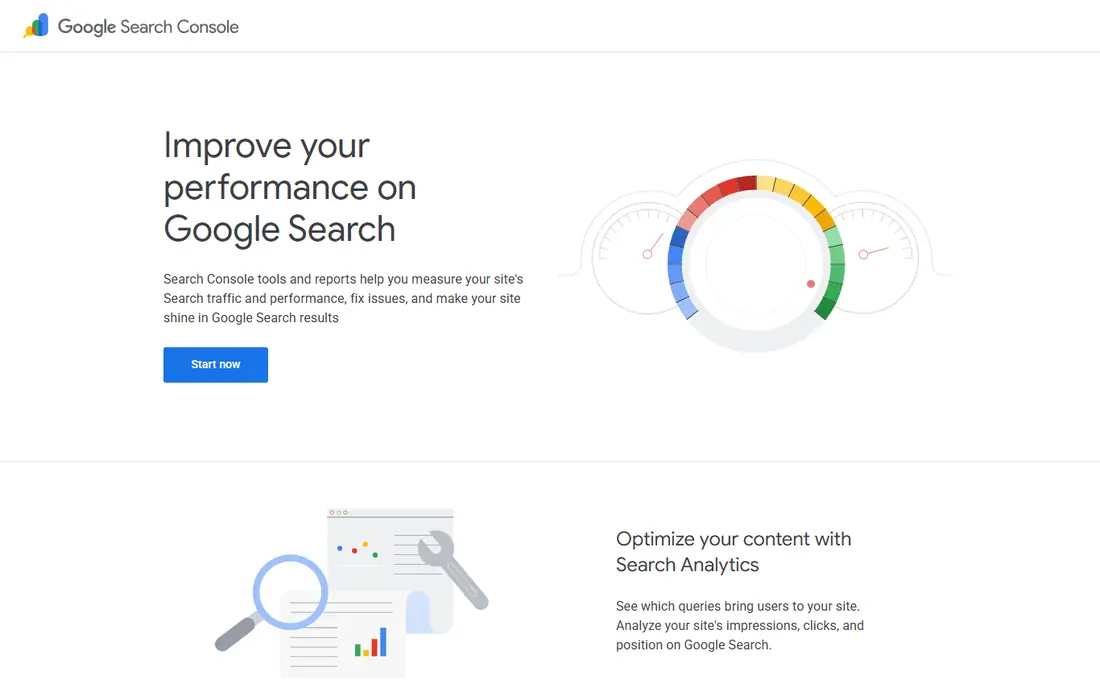
Google Search Console is the place to start, and it costs nothing. Google says it shows which queries bring users to your site and lets you analyze impressions, clicks and position in Google Search. It also lets you submit sitemaps and alerts you to problems that stop pages from being indexed.
The limitation is that it reports an average position for real searches, not a daily check of a fixed keyword in a fixed city. You also cannot see how competitors rank.
We think every site owner should connect it first, then decide if a paid tracker is worth it. Many paid tools on this list, including SE Ranking, AccuRanker and SpyFu, can pull Search Console data in alongside their own tracking.
- Free, with data straight from Google
- Shows the queries that bring visitors and your average position
- Flags indexing and site problems
- Average position is blended across locations and devices
- No competitor data
How we picked these
We compared each tool's official pricing and feature pages in October 2026, focusing on what matters for rank tracking: how many keywords the entry plan tracks, whether updates are daily or weekly, local tracking, trials and free options. We also noted extras such as AI answer tracking, since several vendors now bundle it.
We did not run a side-by-side accuracy test on live keywords, so we cannot say which tool reports positions most precisely. Prices are shown as listed by the vendors, may vary by currency and change often, so check the current figure before you subscribe.
How to choose a rank tracker that fits your site
The best SEO ranking tool for you depends on how many keywords you track, how often you need fresh numbers, and whether you also need research tools.
Count your keywords first
List the searches that actually bring customers, by service and by town if you are local. A single-location business often needs under 300, which fits Moz Pro Standard or Semrush. An online store or agency can need thousands, which points to SE Ranking, SpyFu or AccuRanker.
Daily or weekly updates
Daily tracking helps when you are making changes and want to see the effect quickly, or reporting to clients. Weekly data from Ahrefs or SpyFu is enough for most owners checking trends once a month.
Suite or specialist
Suites like Semrush, Ahrefs and SE Ranking bundle keyword research, audits and backlink data, which saves buying several tools. Specialists like AccuRanker, Wincher and Nightwatch do tracking faster and more cleanly, but you will need something else for research.
Local results
Rankings change by city and even by neighborhood. If you serve several areas, make sure the tool can track by location, as Nightwatch and Wincher do.
Frequently asked questions
What is the best SEO ranking tool?
For most small businesses, SE Ranking is the best SEO ranking tool because its entry plan tracks 2,000 keywords daily for $129 per month and includes research and audit tools. Semrush is the stronger all-round suite if you can live with 500 tracked keywords on the entry plan.
Is there a free SEO ranking tool?
Yes. Google Search Console is free and shows your average position for the queries that bring visitors. Ahrefs Free and a free Moz account also give limited access to their tools, though not full rank tracking.
What is the best SEO ranking software for agencies?
Agencies tracking thousands of keywords for several clients usually look at AccuRanker for speed and scale, Nightwatch for unlimited seats and location coverage, or SE Ranking's Growth plan for an all-in-one option, with white-label reporting available as a paid Agency Pack add-on.
How accurate are rank tracking tools?
They check search results from specific locations and devices, so a tool's number can differ from what you see on your own phone. Search Console shows Google's own average, but it blends locations and devices. Use one tool consistently and watch the trend rather than single days.
How often should I check my SEO rankings?
Weekly is enough for most small businesses. Daily data helps during site changes, migrations or when reporting to clients, but rankings move naturally from day to day, so avoid reacting to every small dip.
Sources
- https://seranking.com/subscription.html
- https://www.semrush.com/prices/
- https://ahrefs.com/pricing
- https://www.spyfu.com/mainpurchase/?page=default
- https://moz.com/products/pro/pricing
- https://www.accuranker.com/pricing/
- https://www.accuranker.com/
- https://www.wincher.com/pricing
- https://www.wincher.com/
- https://nightwatch.io/pricing/
- https://search.google.com/search-console/about