Start with Red Hat OpenShift Virtualization if you need hybrid cloud with containers. Alternatives: HPE SimpliVity for Hyperconverged infrastructure simplification, and Oracle VM Server for x86 for Oracle-centric virtualization. The other 3 tools in the list cover narrower or pricier cases.
Choosing server virtualization software for enterprise usually comes down to price, fit and limits. This Ainotely guide sets 6 tools side by side on those three points, with the facts kept short and checkable.
Key takeaways
Top of the list is Red Hat OpenShift Virtualization, which targets hybrid cloud with containers.
Microsoft Hyper-V fits Windows Server integrated virtualization.
Neither Red Hat OpenShift Virtualization nor Microsoft Hyper-V, nor any of the other 4 tools, has a permanent free plan; trials and quotes are the norm.
Red Hat OpenShift Virtualization, Microsoft Hyper-V and the 4 others all sell by quote; expect sales conversations before you see a price.
Red Hat OpenShift Virtualization was built for hybrid cloud with containers. It suits organizations looking to unify VM and container management.
Worth adding: for more straightforward virtualization needs, VMware vSphere or Proxmox VE may be more straightforward. Pricing for Red Hat OpenShift Virtualization is not stated here, so ask the vendor for current figures. Free plan details: Not stated.
Best for: Hyperconverged infrastructure simplification
HPE SimpliVity makes the most sense for Hyperconverged infrastructure simplification. HPE SimpliVity is a hyperconverged HCI option that eases and accelerates IT with intelligent, hyper-efficient infrastructure for edge, VDI, and general virtualization workloads. It is made for organizations seeking integrated compute and storage.
From a buyer's view, as an HCI appliance, SimpliVity is tied to HPE hardware, which may limit adaptability for organizations with existing infrastructure. Those preferring software-only virtualization might consider Microsoft Hyper-V or Proxmox VE. No starting price is listed for HPE SimpliVity here; confirm pricing on the vendor site. Free access: Not stated.
Oracle VM Server for x86 is aimed squarely at Oracle-centric virtualization. It is often used in environments that heavily depend on Oracle software and need tight integration.
In daily use, outside Oracle-centric environments, adoption and community support may be restricted compared with broader products. Oracle VM Server for x86 does not show a starting price in this comparison, so check the vendor site for current pricing. Free access: Not stated.
Proxmox Virtual Environment makes the most sense for open-source virtualization management. Proxmox Virtual Environment is an open-source server virtualization management system that merges KVM and LXC for running virtual machines and containers.
Watch-outs: Enterprise features need subscription.
No starting price is listed for Proxmox Virtual Environment here; confirm pricing on the vendor site. Free access: Not stated.
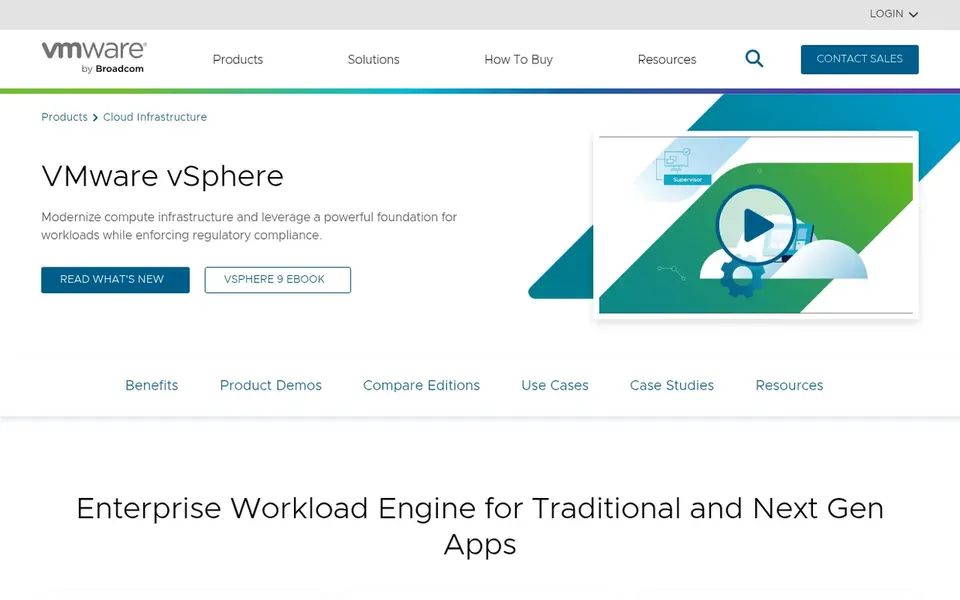
VMware vSphere serves thorough enterprise virtualization. VMware vSphere is a virtualization system built to modernize compute infrastructure with security and compliance.
Where it falls short: Needs specialized skills.
It fits large enterprises seeking a solid, feature-rich option for running virtual machines and managing datacenter resources. Pricing for VMware vSphere is not stated here, so ask the vendor for current figures. Free access: Not stated.
Best for: Windows Server integrated virtualization
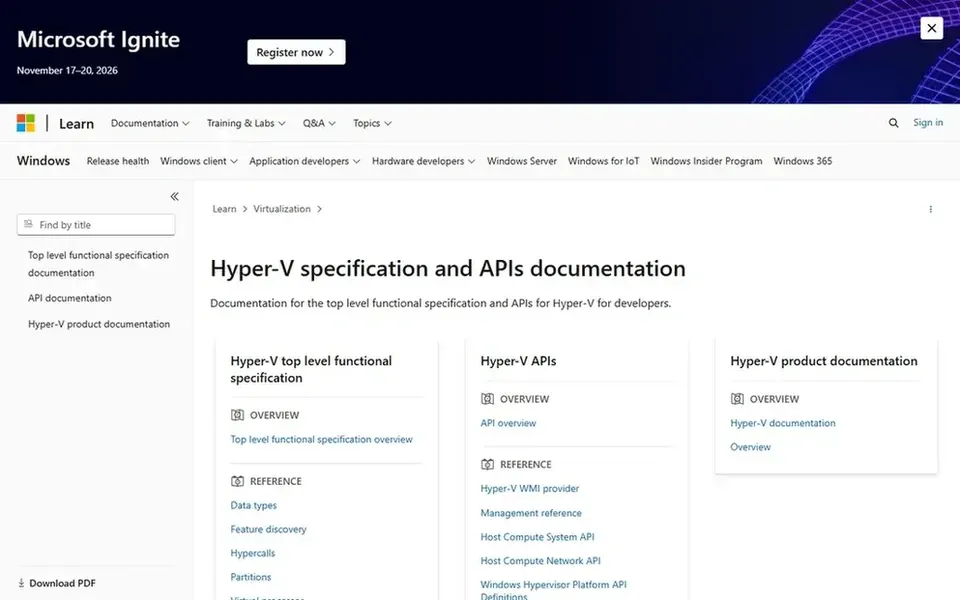
Microsoft Hyper-V is a good fit for Windows Server integrated virtualization. Microsoft Hyper-V is a virtualization technology included in Windows Server, enabling organizations to run virtual machines and handle them with familiar Microsoft tools.
What to check first: Restricted cross-platform support compared with some alternatives.
For heterogeneous environments, VMware vSphere or Red Hat OpenShift Virtualization might be more appropriate. Pricing for Microsoft Hyper-V is not stated here, so ask the vendor for current figures. On free options: Not stated.
Ask each vendor, from Red Hat OpenShift Virtualization to Microsoft Hyper-V, for a written quote; none of them publishes a starting price.
Before choosing Red Hat OpenShift Virtualization, weigh its main limit: needs OpenShift expertise.
Get the contract term, renewal terms and any onboarding fees from Oracle VM Server for x86 in writing.
Check the integration list for Proxmox Virtual Environment against the tools you run today, and note which ones need a higher plan.
Ask the daily users to test Microsoft Hyper-V on a live task before you roll it out to everyone.
How we picked
Ainotely looked at what each vendor publishes: pricing, plan limits, feature coverage for server virtualization software for enterprise and stated drawbacks. No hands-on testing is claimed. Prices and plan limits come from vendor pages and can change, so confirm them on the vendor site before you buy. Order on the page follows fit for the typical buyer first, then price transparency and free access. Your own requirements should decide the final pick.
Every price and plan detail on this page comes from the vendors’ own websites. We did not run hands-on tests unless the text says so, and we do not publish star ratings or review scores. See how we score and our disclosure.
Keep your shortlist in one place
Paste prices, trial dates and notes from this guide into Ainotely, our AI note app. It files them into a topic and pulls out tasks like “cancel trial by Friday”. Free 7-day trial, no card needed.
Does any tool for server virtualization software for enterprise here have a free plan?
No tool in this list, Red Hat OpenShift Virtualization and Microsoft Hyper-V included, has a permanent free plan. Trials and quotes are the usual route, so plan a short evaluation period.
Is Red Hat OpenShift Virtualization the right pick for everyone comparing server virtualization software for enterprise?
No single tool suits every team. Red Hat OpenShift Virtualization comes first because it fits hybrid cloud with containers, while HPE SimpliVity suits Hyperconverged infrastructure simplification and Oracle VM Server for x86 suits Oracle-centric virtualization. Match the tool to your own size, budget and workflow before deciding.
How are the tools for server virtualization software for enterprise ordered?
Red Hat OpenShift Virtualization sits first and Microsoft Hyper-V last because the order follows typical fit for server virtualization software for enterprise, then price clarity and free access. It is a judgement call, so read each profile for fit and limits.
Can I try these tools before paying?
Not by default. None of the tools, from Red Hat OpenShift Virtualization to Microsoft Hyper-V, lists a free plan or a free trial here, so ask each vendor for a demo before committing.