Best Sport Companies in 2026: 8 Brands Compared

- Footwear fit matters more than brand for running and training, so try shoes before committing.
- Apparel quality varies by line within each brand, so compare the specific product, not only the logo.
- Value lines from big brands often beat premium lines for casual players.
Quick comparison
| Product | Ideal for | Price from | Free version | |
|---|---|---|---|---|
 Nike | Largest sport brand | See website | No | Visit |
 Adidas | Footwear and apparel breadth | See website | No | Visit |
 Under Armour | Training apparel | See website | No | Visit |
 Puma | Value sport style | See website | No | Visit |
 Decathlon | Value across sports | See website | No | Visit |
 New Balance | Running and fit | See website | No | Visit |
 Reebok | Training and lifestyle | See website | No | Visit |
 ASICS | Running specialist | See website | No | Visit |
The best sport companies
Sporting goods companies differ by sport, product range, and price, and the best brand depends on what you play. The companies below are the largest and most trusted sporting goods brands, and we compared them on footwear, apparel, equipment range, and value, using their own store pages and product information.
Nike
Ideal for: Largest sport brand
Nike is our pick for overall range, with footwear and apparel across almost every sport. Its innovation shows in running and training shoes, though premium lines cost more and sizing varies by model.
What stands out is the largest range across sports with running innovation The honest catch is premium prices on top lines, and sizing varies Prices and plan details change, so confirm the current offer on the vendor site before you commit.
Try shoes in store when possible, since Nike sizing varies by model.
- Huge footwear and apparel range
- Innovation in running and training
- Wide retail availability
- Premium prices on top lines
- Sizing varies by model
Adidas
Ideal for: Footwear and apparel breadth
Adidas suits buyers who want footwear and apparel with lifestyle crossover. Its football and running ranges are strong, though premium prices and a wide range can confuse.
What stands out is wide footwear and apparel with lifestyle crossover The honest catch is premium lines cost more, and range breadth can confuse Before buying, confirm pricing and plan limits on the vendor site, since published details can change.
Choose Adidas when you want sport and lifestyle in one brand.
- Wide footwear and apparel range
- Strong in football and running
- Lifestyle crossover
- Premium lines cost more
- Range breadth can confuse buyers
Under Armour
Ideal for: Training apparel
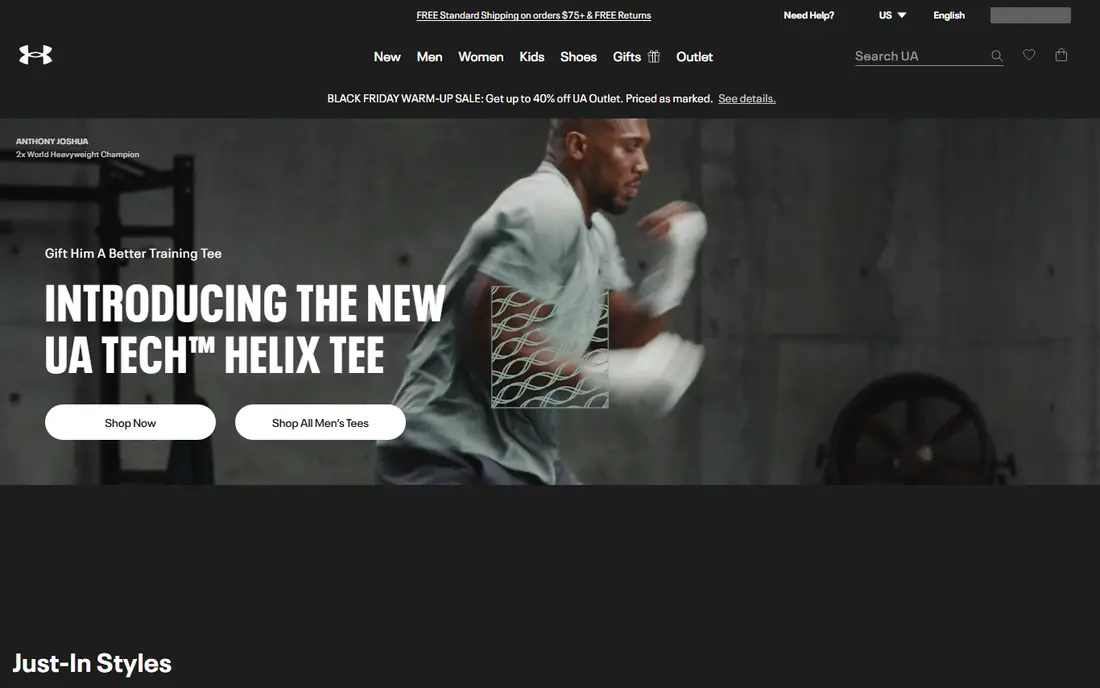
Under Armour suits training focused buyers who value performance apparel. Its training range is strong, though footwear depth is less than the two giants.
What stands out is training apparel strength with a footwear range The honest catch is narrower footwear range than Nike and Adidas Check the vendor site for the latest pricing, since plans, tiers, and terms change over time.
Pick Under Armour for training apparel first, footwear second.
- Training apparel strength
- Footwear range
- US brand focus
- Footwear range is narrower than Nike and Adidas
- Prices vary by line
Puma
Ideal for: Value sport style
Puma suits buyers who want sport style at competitive prices. Its football heritage shows in footwear, though performance depth varies by sport.
What stands out is sport style at competitive prices with football heritage The honest catch is performance depth varies by sport For current pricing, check the vendor site before deciding, since plans and prices change over time.
Choose Puma when style and value matter alongside performance.
- Footwear and apparel with style focus
- Football heritage
- Competitive prices
- Performance depth varies by sport
- Premium innovation is less than Nike
Decathlon
Ideal for: Value across sports
Decathlon is the value pick across sports, with own brand gear at low prices. Its range covers beginners in many sports, though own brands lack premium prestige and US presence is smaller.
What stands out is value gear across many sports under own brands The honest catch is less premium prestige, and smaller US presence Prices and plan details change, so confirm the current offer on the vendor site before you commit.
Pick Decathlon for beginners and multi-sport households on a budget.
- Own brand gear across many sports
- Low prices
- Large stores
- Own brands lack premium prestige
- US presence is smaller
New Balance
Ideal for: Running and fit
New Balance suits runners who want fit options, including wide widths. Its running shoes are well regarded, though apparel range is narrower and style is classic.
What stands out is running footwear with wide fit options The honest catch is narrower apparel range, and classic style Before buying, confirm pricing and plan limits on the vendor site, since published details can change.
Choose New Balance when running fit matters most.
- Running footwear strength
- Wide widths
- US manufacturing on some lines
- Apparel range is narrower
- Style is more classic than trendy
Reebok
Ideal for: Training and lifestyle
Reebok suits training and lifestyle buyers who want value lines. Its training heritage remains, though performance innovation trails the largest brands.
What stands out is training and lifestyle at value prices The honest catch is less performance innovation, and a narrower range Check the vendor site for the latest pricing, since plans, tiers, and terms change over time.
Pick Reebok for training value and lifestyle crossover.
- Training footwear and apparel
- Lifestyle crossover
- Value lines
- Performance innovation is less than the giants
- Range has narrowed
ASICS
Ideal for: Running specialist
ASICS is the running specialist pick, with footwear research and a wide running range. Its shoes suit many runner types, though apparel and other sports get less depth.
What stands out is running footwear specialist with research heritage The honest catch is smaller apparel range, and less depth in other sports For current pricing, check the vendor site before deciding, since plans and prices change over time.
Choose ASICS when running is your main sport.
- Running footwear specialist
- Strong research heritage
- Wide running range
- Apparel range is smaller
- Other sports get less depth
How we picked these
We compared official feature pages, pricing pages, app store listings, privacy policies, and public reviews for each option, and we kept only options that exist and work in October 2026 and that truly fit this topic. We favored options with clear pricing, a track record we could check, and honest limits we could state plainly. Where a price or plan could not be confirmed from the vendor itself, we wrote See website rather than guessing.
We also weighed who each option suits best, since the right choice for a large team is often the wrong choice for a small one. That is why the list below mixes well-known leaders with smaller options that do one thing well.
Where prices were not published, we said so rather than estimating. A vendor that hides pricing is not automatically a bad choice, but buyers should ask for a written quote before comparing it with a vendor that publishes prices openly.
Finally, we checked that every website listed is the product's own official homepage and that it loads. A product with a broken or mismatched homepage was not kept on the list, since readers should be able to reach the real vendor from this article without guessing.
How to choose a sporting goods brand
Start with your sport, since brands lead in different sports. A running leader may be weak in football, and a training leader may be weak in outdoor gear.
Next, prioritize fit for footwear. Brand loyalty means little if the shoe does not fit your foot shape, so try sizes and widths before buying.
Finally, compare the specific product line, not only the brand. Value lines and premium lines from the same brand differ hugely in materials and durability.
Before you buy, test fit and feel where possible, since specs alone cannot tell you how gear performs for your body and style. Check warranty and return terms, especially for footwear and equipment that must survive heavy use. A product that fits well and lasts usually beats a flashier option that wears out fast.
A last check is durability under your actual use. Ask how the product holds up for players at your level and frequency, not only for professionals. Reviews from regular users often reveal wear issues that professional reviews miss.
One more habit helps in every market on this list: read recent customer reviews that mention problems, not only praise. Reviews that describe how a company handled a failure tell you more about service than five-star reviews do. Look for patterns across many reviews rather than one angry or glowing outlier.
Another useful step is to write down your must-have features before you start comparing. Without a short list, it is easy to be swayed by a feature you will never use or a discount that hides a missing essential. A must-have list keeps comparisons honest and makes the final choice easier to defend.
Finally, keep a copy of every quote, term sheet, and confirmation you receive. Written records make it easy to compare offers fairly and to resolve disputes if the delivered service differs from what was promised. A vendor that puts terms in writing is usually a safer choice than one that relies on verbal promises.
It also helps to set a review date after you buy. After a month or two, check whether the product or service still meets your must-have list and whether costs match the quote. Early review makes it easy to fix problems or switch before a full year of cost builds up.
Lastly, ask about help when something goes wrong. Every product fails at some point, and the quality of support during a failure often matters more than the feature list. A vendor with clear support hours and a real contact path is worth more than a slightly cheaper vendor that is hard to reach.
Frequently asked questions
What is the best sport company?
Nike leads on overall range, Adidas leads on breadth with lifestyle crossover, ASICS leads on running, and Decathlon leads on value across sports.
Which brand is best for running?
ASICS and New Balance lead on running fit and research, while Nike and Adidas lead on running innovation and range.
Are expensive sport shoes worth it?
For serious runners and athletes, yes, since materials and design affect comfort and injury risk. For casual use, value lines perform well.
Does brand matter for apparel?
Less than fit and fabric. Compare the specific garment's material and construction, not only the logo.
Where can I buy these brands?
All sell through their own stores and major retailers, with availability varying by country. Check local stores for fitting before ordering online.