Best Ticket Apps in 2026: 8 Apps Compared

- 1
 TicketmasterPrimary tickets at face valueVisit
- 2
 StubHubWidest resale selectionVisit
- 3
 SeatGeekJudging seat valueVisit
- 4
 Vivid SeatsConcerts and rewardsVisit
- 5
 TickPickNo buyer feesVisit
- Ticketmaster is still the first place to check for primary tickets at face value, since resale listings usually cost more for the same seat.
- TickPick and Gametime show all-in pricing up front, which makes it easier to compare totals without a surprise at checkout.
- StubHub has the widest resale selection for sold-out events, but buyer fees can add a large share to the listed price.
- For last-minute plans, Gametime and TodayTix are built around day-of inventory, while SeatGeek helps judge value with its Deal Score.
- Always compare the final total for the same section across two or three apps before you pay, since the same ticket can differ by a wide margin.
Quick comparison
| Product | Ideal for | Price from | Free version | |
|---|---|---|---|---|
| Ticketmaster | Primary tickets at face value | Free | Yes | Visit |
| StubHub | Widest resale selection | Free | Yes | Visit |
| SeatGeek | Judging seat value | Free | Yes | Visit |
| Vivid Seats | Concerts and rewards | Free | Yes | Visit |
| TickPick | No buyer fees | Free | Yes | Visit |
 Gametime | Last-minute tickets | Free | Yes | Visit |
 AXS | Official venue tickets | Free | Yes | Visit |
 TodayTix | Theater and last-minute shows | Free | Yes | Visit |
The best ticket apps
These eight apps cover primary sales, resale and last-minute buying. We compared official feature pages, fee disclosures, buyer guarantees and public reviews to sort out where each one earns its place.
Ticketmaster
Ideal for: Primary tickets at face value
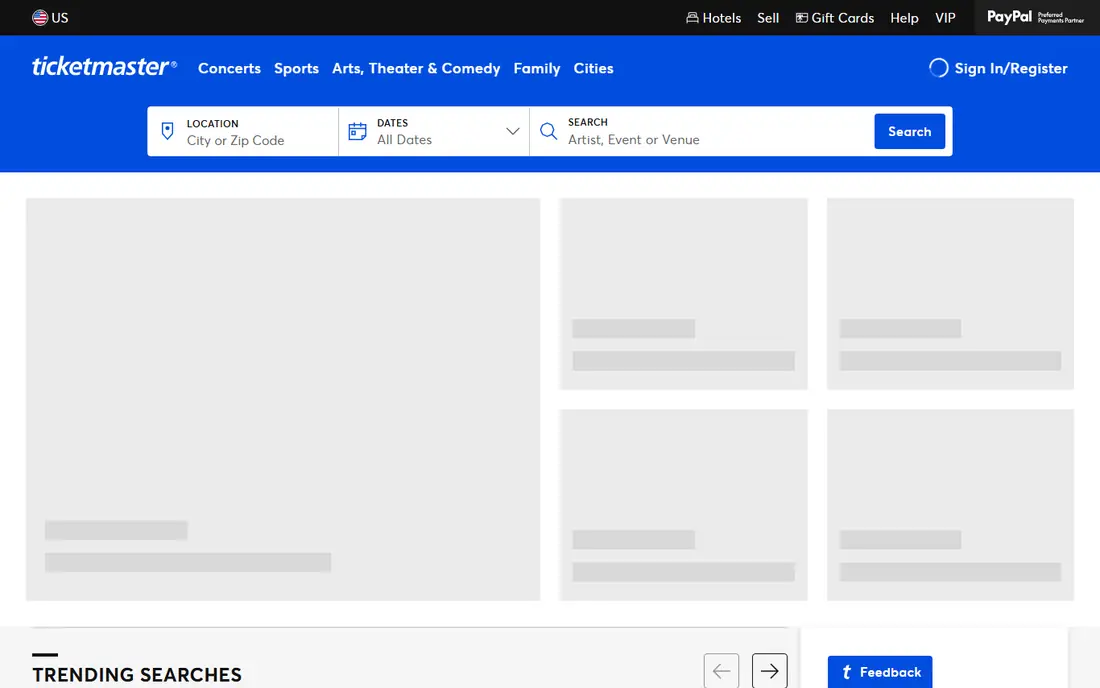
Ticketmaster remains the default starting point for most buyers, and for good reason. It sells primary tickets directly for venues, teams and promoters, so when a show has not sold out, this is usually where the face-value price lives. Its app also handles mobile entry, ticket transfers and official resale in one place, which keeps the whole process in a single account.
The catch is pricing. Fees are disclosed at checkout but vary by event, and high-demand shows may use dynamic or platinum pricing that sits above the standard price. If a show is sold out, the resale listings here tend to be thinner than on a dedicated resale marketplace. Check primary availability first, then compare resale elsewhere before deciding.
- Largest primary inventory
- Official resale with verification
- Strong mobile entry
- Fees vary by event and can be high
- Dynamic pricing can push popular shows well above face value
StubHub
Ideal for: Widest resale selection
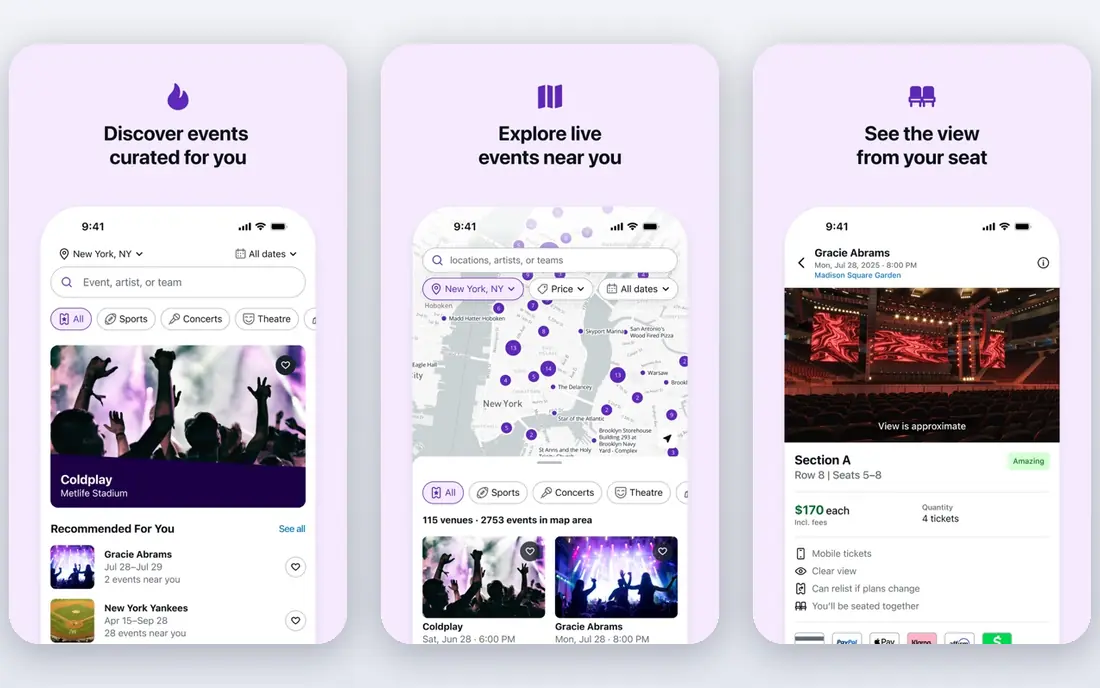
StubHub is the marketplace to open when the primary sale is gone. Its inventory spans concerts, sports and theater, and it draws on both individual sellers and brokers, so sold-out sections often appear here first. The FanProtect guarantee promises a refund or comparable replacement when a seller fails to deliver, which matters when you are buying from strangers.
The trade-off is cost. Buyer fees commonly run well above the listed price, so a ticket that looks reasonable can become expensive at checkout. Use the all-in price filter where offered, set a price alert if you have time, and compare the final total with TickPick or SeatGeek for the same section.
- Huge resale inventory
- FanProtect guarantee
- Price alerts and filters
- Buyer fees are among the highest
- All-in pricing is not always shown early
SeatGeek
Ideal for: Judging seat value
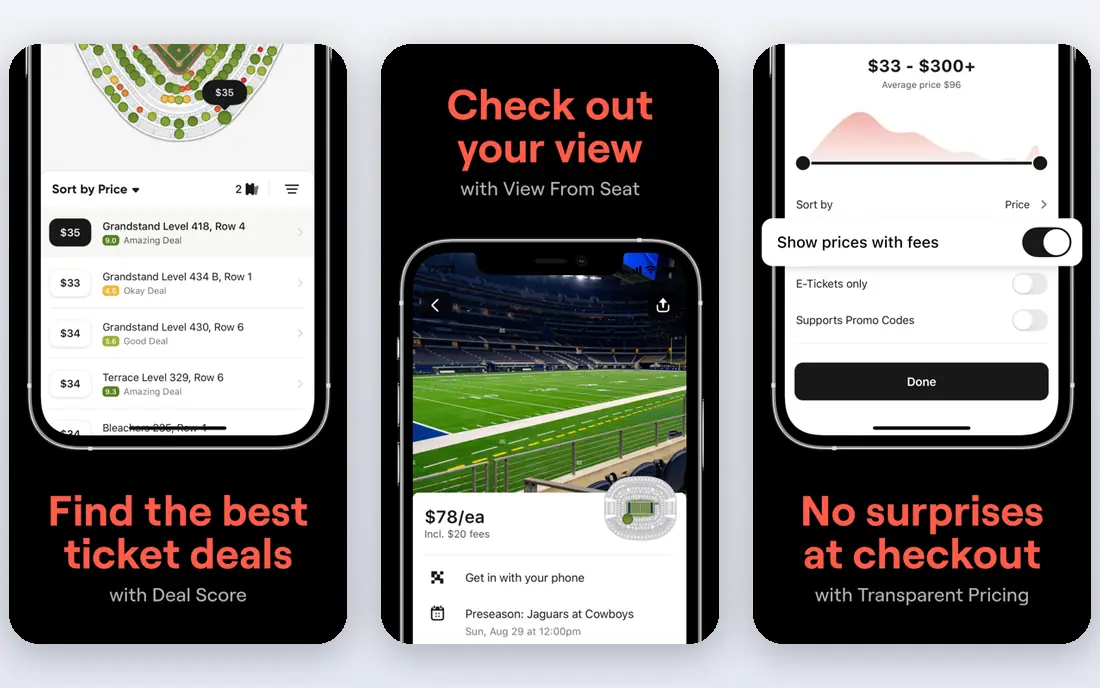
SeatGeek earns its place by helping you judge a listing, not just find one. Its Deal Score rates each ticket against comparable seats, so you can spot a fair price without studying the whole venue map. Seat maps are clear, and the app lets you toggle all-in pricing so fees are visible before checkout.
It works best as a comparison tool for resale. Some of its inventory comes from primary partnerships with teams and venues, but for most concerts the bulk of listings are resale. Fees still vary by event, so treat the Deal Score as a guide and confirm the final total before you commit.
- Deal Score rates listings
- Clear seat maps
- All-in pricing toggle
- Buyer fees vary and can be steep
- Primary inventory is limited compared with Ticketmaster
Vivid Seats
Ideal for: Concerts and rewards
Vivid Seats is a strong pick for frequent concertgoers. Its inventory is deep for touring acts, and its rewards program gives repeat buyers credit toward future orders, which adds up if you attend shows often. The 100% buyer guarantee covers valid tickets delivered on time, with a refund or replacement when something goes wrong.
The downside is fees, which sit at the higher end of the resale market and are not always obvious until late in checkout. If you buy here, turn on all-in pricing if the app offers it, and weigh the rewards value against a lower total on a no-fee platform for a one-off purchase.
- Large concert inventory
- Rewards program for repeat buyers
- 100% buyer guarantee
- Fees can be high
- Fee visibility at checkout has drawn criticism
TickPick
Ideal for: No buyer fees
TickPick takes a different approach to fees: buyers pay no added service fee, and the price you see is the price you pay. Sellers pay the commission instead, which often makes the all-in total lower than on fee-heavy rivals for the same seat. That simple pricing is the main reason it ranks so well for value-focused buyers.
Inventory is the limitation. It is broad for major sports and concerts but thinner for smaller acts, niche theater and international events. When it has your event, it is often the cheapest final total. When it does not, move on to StubHub or Vivid Seats rather than waiting.
- No buyer fees
- Price shown is the price paid
- BuyerTrust guarantee
- Smaller inventory than StubHub
- Fewer niche event listings
Gametime
Ideal for: Last-minute tickets
Gametime is built for the buyer who decides on the day. Prices often drop close to showtime as sellers try to move unsold seats, and the app shows the all-in price before checkout, so there is no late surprise. Buying and entry are handled on the phone, which suits a spontaneous plan.
For events weeks away, it is less useful, since much of its inventory appears closer to the date. If you know your plans early, compare primary and early resale prices first. If you are flexible and can wait, Gametime is one of the best places to watch for a late drop.
- All-in pricing shown up front
- Strong day-of deals
- Clean mobile buying
- Inventory is thinner for events far in advance
- Fewer theater options
AXS
Ideal for: Official venue tickets
AXS is the official ticketing partner for many arenas, theaters and festivals, and that is where it shines. Buying through AXS for a partner venue means you are buying from the official source, with mobile entry and an official resale channel for tickets you can no longer use. Its all-in display on primary sales helps you see the real cost early.
Outside its partner venues, though, it is not a general marketplace, so you will not find the same breadth as StubHub or SeatGeek. Use it when your event lists AXS as the official seller, and use a resale marketplace when it does not.
- Official primary tickets for partner venues
- Resale through AXS Official Resale
- Mobile entry
- Inventory is tied to partner venues
- Less useful outside those venues
TodayTix
Ideal for: Theater and last-minute shows
TodayTix is the theater lover's app. It specializes in Broadway, West End and touring theater, with rush tickets, lotteries and curated picks that make it easier to find a good seat without paying full price. The app is pleasant to use and mobile tickets keep entry simple.
Sports fans and concertgoers will find little here, since the catalog leans heavily toward stage shows. Rush and lottery tickets also depend on availability on the day, so it works best as a complement to a primary ticket search rather than a guaranteed route in.
- Rush tickets and lotteries
- Curated theater picks
- Mobile tickets
- Theater-focused, so sports and concerts are limited
- Rush availability is not guaranteed
How we picked these
We compared official feature pages, fee disclosures and buyer guarantees for the major primary sellers and resale marketplaces, along with public reviews of app quality and support. We favored apps that are available in the United States, sell tickets that work at the gate, and disclose their total price before payment. Apps that only aggregate links without selling or guaranteeing tickets were left out.
What to check before you buy a ticket
Start with the official seller. For most concerts and games, that is Ticketmaster or AXS, and primary tickets are usually the cheapest legitimate option. If the show is sold out, move to resale and compare the same section on at least two marketplaces, looking at the final total rather than the listed price.
Read the guarantee before you pay. A strong guarantee covers invalid tickets and seller no-shows with a refund or comparable replacement, but it may not cover a postponed show in the way you expect. Check the event's refund policy for cancellations and reschedules, and confirm how tickets are delivered, since some venues only accept mobile entry through a specific app.
For last-minute buying, set a price alert and watch for drops in the final hours, but do not assume prices always fall. High-demand events can rise instead. Buy only from sellers with a published guarantee, avoid wire transfers and off-platform deals, and keep your order confirmation until you are through the gate.
Frequently asked questions
What is the best ticket app for sports?
For primary tickets, start with Ticketmaster or the team's official seller, since those carry face-value inventory. For sold-out games, StubHub usually has the widest resale selection, while SeatGeek and TickPick are good for comparing the final total for the same section.
Which ticket app has the lowest fees?
TickPick charges no buyer fees, so the listed price is the total you pay. Gametime also shows all-in pricing up front. Other marketplaces add buyer fees that vary by event, so always compare the checkout total, not the listing price.
Is it safe to buy resale tickets?
Buying through a marketplace with a published buyer guarantee is much safer than buying from an individual off-platform. Guarantees typically cover invalid tickets and failed delivery, but read the terms for postponed or rescheduled events, since policies differ.
Can I get last-minute tickets on the day of the event?
Yes, Gametime specializes in day-of inventory, and TodayTix offers rush tickets and lotteries for theater. Prices sometimes drop near showtime, but for high-demand events they can also rise, so set an alert and have a backup plan.
What is the difference between primary and resale tickets?
Primary tickets are sold first by the venue, team or promoter at face value. Resale tickets are sold again by fans or brokers, often above face value for sold-out events, and sometimes below it when sellers need to move seats close to the date.
Sources
- https://www.ticketmaster.com
- https://www.stubhub.com
- https://www.seatgeek.com
- https://www.vividseats.com
- https://www.tickpick.com
- https://www.gametime.co
- https://www.axs.com
- https://www.todaytix.com
- https://www.theticketblog.com/post/concert-ticket-marketplaces-compared
- https://ticketflipping.com/blog/best-ticket-resale-sites-in-2026-ranked-and-reviewed/