Best Twitter X Alternatives in 2026: 8 Apps Compared

- Bluesky is the closest X-like experience, with short posts and custom feeds.
- Threads suits Instagram users who want a familiar, large-network alternative.
- Mastodon offers a decentralized model, with many servers and no single owner.
- Spoutible and Hive Social suit users who want smaller, moderated communities.
- Substack, Tumblr, and Reddit cover longer writing and interest communities rather than pure microblogging.
Quick comparison
| Product | Ideal for | Price from | Free version | |
|---|---|---|---|---|
 Bluesky | Decentralized microblogging | Free | Yes | Visit |
 Threads | Instagram-linked microblogging | Free | Yes | Visit |
 Mastodon | Decentralized social network | Free | Yes | Visit |
 Spoutible | Moderated microblogging | Free | Yes | Visit |
 Hive Social | Mobile social app | Free | Yes | Visit |
 Substack Notes | Writing and short notes | Free | Yes | Visit |
 Tumblr | Blogging and community | Free | Yes | Visit |
 Reddit | Interest communities | Free | Yes | Visit |
The best Twitter X alternatives
We weighed official feature pages, pricing, app store listings, privacy policies, and public reviews before ranking these options. The notes below give each option a fair hearing, including where it falls short.
Bluesky
Ideal for: Decentralized microblogging

If Decentralized microblogging is the job, start here: it offers short posts with custom feeds on a decentralized protocol. Custom feeds let users shape what they see instead of relying on one algorithm. It fits readers who want a practical option without a long setup, and it pairs well with the other choices on this list for comparison.
The honest catch is that it is smaller than X, and moderation varies by feed. There is no charge for the core product, though paid upgrades exist in most cases. That balance of strengths and limits is what kept it on the list, even though it is not the right pick for every reader.
- Short posts
- Custom feeds
- Growing network
- Smaller than X
- Moderation varies by feed
Threads
Ideal for: Instagram-linked microblogging
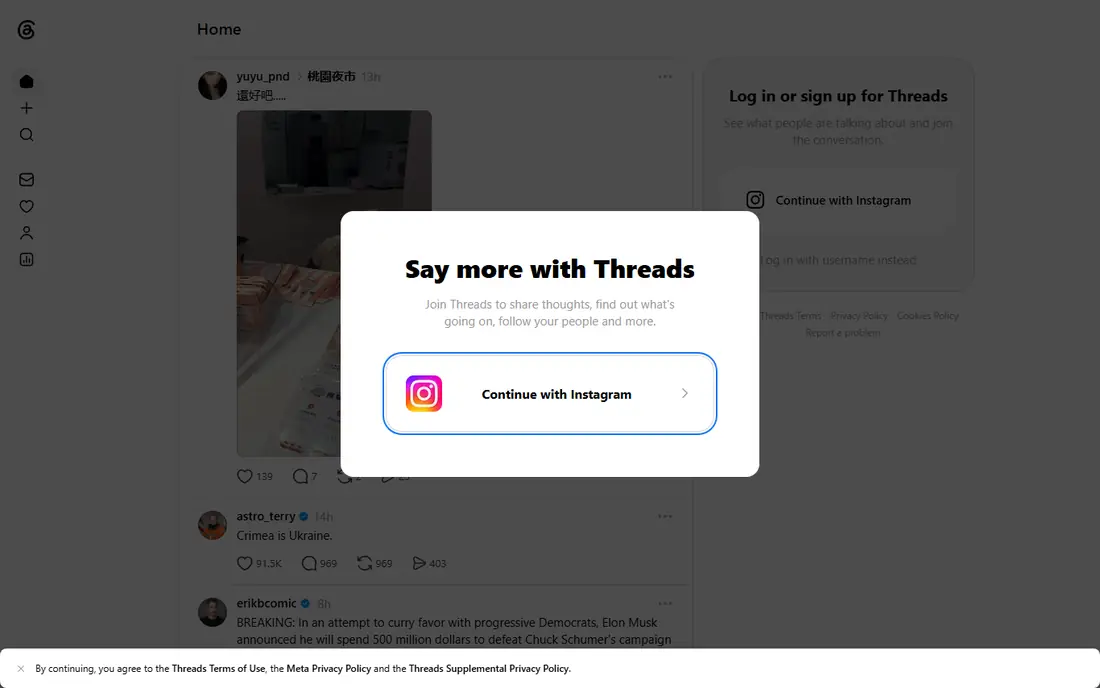
This option suits Instagram-linked microblogging well, since it offers microblogging linked to Instagram, with a large network from launch. That Instagram link makes it easy to find people you already follow. It fits readers who want a practical option without a long setup, and it pairs well with the other choices on this list for comparison.
What holds it back a little is that the feed is algorithm driven, and Meta data practices concern some users. There is no charge for the core product, though paid upgrades exist in most cases. That balance of strengths and limits is what kept it on the list, even though it is not the right pick for every reader.
- Large network
- Instagram link
- Simple posting
- Algorithm-driven feed
- Meta data practices
Mastodon
Ideal for: Decentralized social network
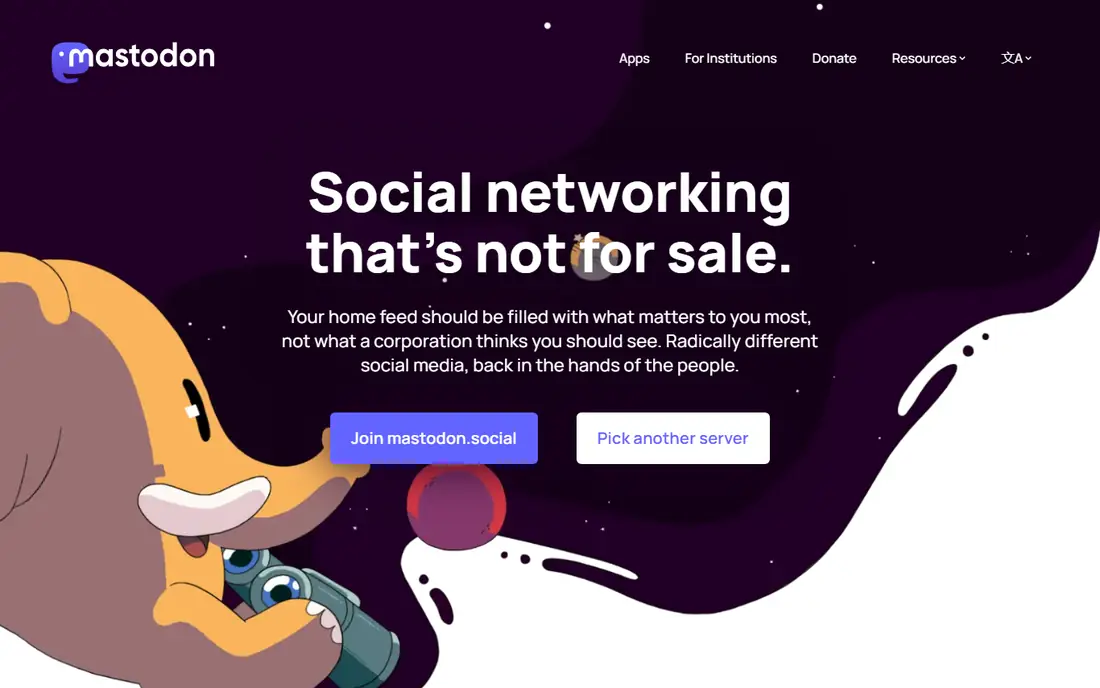
Buyers focused on Decentralized social network will find a lot to like, as it runs as many servers with no single owner and chronological feeds. That decentralized model appeals to users wary of one company controlling a network. It fits readers who want a practical option without a long setup, and it pairs well with the other choices on this list for comparison.
The downside to weigh is that server choice confuses new users, and reach varies by server. There is no charge for the core product, though paid upgrades exist in most cases. That balance of strengths and limits is what kept it on the list, even though it is not the right pick for every reader.
- Many servers
- No single owner
- Chronological feeds
- Server choice confuses new users
- Reach varies
Spoutible
Ideal for: Moderated microblogging
For teams or readers weighing Moderated microblogging, this is a strong candidate because it offers moderated microblogging with short posts and a simple design. A moderation focus suits users tired of harassment on larger networks. It fits readers who want a practical option without a long setup, and it pairs well with the other choices on this list for comparison.
Before you commit, note that the network is smaller, and the feature range is narrower. There is no charge for the core product, though paid upgrades exist in most cases. That balance of strengths and limits is what kept it on the list, even though it is not the right pick for every reader.
- Moderation focus
- Short posts
- Simple design
- Smaller network
- Feature range is narrower
Hive Social
Ideal for: Mobile social app
When Mobile social app matters most, this option stands out for it offers a mobile social app with profile customization and a chronological feed. That customization suits users who want a personal-feeling profile. It fits readers who want a practical option without a long setup, and it pairs well with the other choices on this list for comparison.
One limitation worth knowing is that the network is smaller, and the experience is app only. There is no charge for the core product, though paid upgrades exist in most cases. That balance of strengths and limits is what kept it on the list, even though it is not the right pick for every reader.
- Profile customization
- Chronological feed
- Mobile focus
- Smaller network
- App-only experience
Substack Notes
Ideal for: Writing and short notes
For Writing and short notes, this one earns a close look because it pairs long writing with short notes and subscriptions for writers. That writer focus suits readers who follow authors rather than trends. It fits readers who want a practical option without a long setup, and it pairs well with the other choices on this list for comparison.
The trade-off is that it is not a pure X replacement, and the network is writer-led. There is no charge for the core product, though paid upgrades exist in most cases. That balance of strengths and limits is what kept it on the list, even though it is not the right pick for every reader.
- Long writing plus short notes
- Subscriptions
- Writer focus
- Not a pure X replacement
- Network is writer-led
Tumblr
Ideal for: Blogging and community
If Blogging and community is the job, start here: it offers blogging plus short posts with communities and customization. That mix suits creative communities and longer posts alike. It fits readers who want a practical option without a long setup, and it pairs well with the other choices on this list for comparison.
The honest catch is that it is an older platform, and the feed feels mixed to new users. There is no charge for the core product, though paid upgrades exist in most cases. That balance of strengths and limits is what kept it on the list, even though it is not the right pick for every reader.
- Blogging plus short posts
- Communities
- Customization
- Older platform
- Feed is mixed
Ideal for: Interest communities
This option suits Interest communities well, since it offers huge interest communities with discussion threads. That community model suits topic-based conversation rather than following individuals. It fits readers who want a practical option without a long setup, and it pairs well with the other choices on this list for comparison.
What holds it back a little is that it is not a microblogging feed, and moderation varies by community. There is no charge for the core product, though paid upgrades exist in most cases. That balance of strengths and limits is what kept it on the list, even though it is not the right pick for every reader.
- Huge communities
- Discussion threads
- Anonymity options
- Not a microblogging feed
- Moderation varies by community
How we picked these
We started from the topic itself and kept only products that exist, work in October 2026, and truly fit what a reader searching this topic would want. We compared official feature pages, pricing pages, app store listings, privacy policies, and public reviews, and we left out products whose pricing or core features we could not verify. Where a price was not published clearly, we wrote See website rather than guessing a figure.
We also gave weight to fit over fame. A well-known name stayed on the list only if it matched the topic, and a smaller option earned a place when it solved the same problem well. We did not claim hands-on testing that did not happen, and we noted honest weaknesses alongside the strengths for every option.
Finding the right X alternative for you
Start with your people. Check which alternative your friends, colleagues, or favorite writers actually use, since a social app without your network feels empty. Follow a few accounts on each option before choosing one home.
Next, decide what feed you want. Bluesky custom feeds and Mastodon chronological feeds give more control, while Threads leans algorithmic. That control question matters more over time than any single feature.
Finally, try more than one. Many users keep two alternatives, using one for news and one for community. Cross-posting tools and following the same accounts in two places make that easier than it sounds. Keep an eye on new features too, since these apps change quickly.
Frequently asked questions
What is the best alternative to X?
Bluesky is the closest X-like experience for most users, while Threads suits Instagram users and Mastodon suits users who want decentralization. The best choice depends on your network.
Is Bluesky decentralized?
Yes, Bluesky runs on the AT Protocol, which allows different servers and custom feeds. That design aims to avoid single-company control of the network.
What is Mastodon?
Mastodon is a decentralized social network made of many independent servers that connect to each other. Users pick a server, then follow people across servers.
Can I keep my X followers on an alternative?
Not automatically, since follower lists do not transfer between networks. Some tools help find the same people, but rebuilding a following takes time.
Are X alternatives free?
Yes, the main alternatives are free to join, with optional paid features on some. Check each app's terms for any paid tiers.