Best UGC Platforms for Creators in 2026: 7 Platforms Compared

- Collabstr is the easiest marketplace to join, with open listings and clear per-video pricing.
- Aspire and Creator.co suit creators who want larger brand campaigns and longer relationships.
- Billo and Insense focus on video UGC, with structured briefs and revisions.
- Read usage rights and revision terms before accepting a brief, since those terms decide the real pay.
Quick comparison
| Product | Ideal for | Price from | Free version | |
|---|---|---|---|---|
 Collabstr | Beginners and open marketplace deals | Free | Yes | Visit |
 Aspire | Larger brand campaigns | See website | No | Visit |
 Creator.co | Campaigns and creator marketplace | See website | No | Visit |
 Trend | Short-form UGC for social ads | See website | No | Visit |
 Billo | Video UGC with clear briefs | See website | No | Visit |
 Insense | Managed UGC campaigns | See website | No | Visit |
 Paid | Creator-brand matching | See website | No | Visit |
The best UGC platforms for creators
User-generated content, or UGC, is the short, authentic-style video and photo ads brands run on social platforms. Creators make the content, brands get usage rights, and the creator usually does not need a large following. The platforms below connect the two sides, handle briefs and payments, and differ in fees, brand quality and how much work they send.
Collabstr
Ideal for: Beginners and open marketplace deals
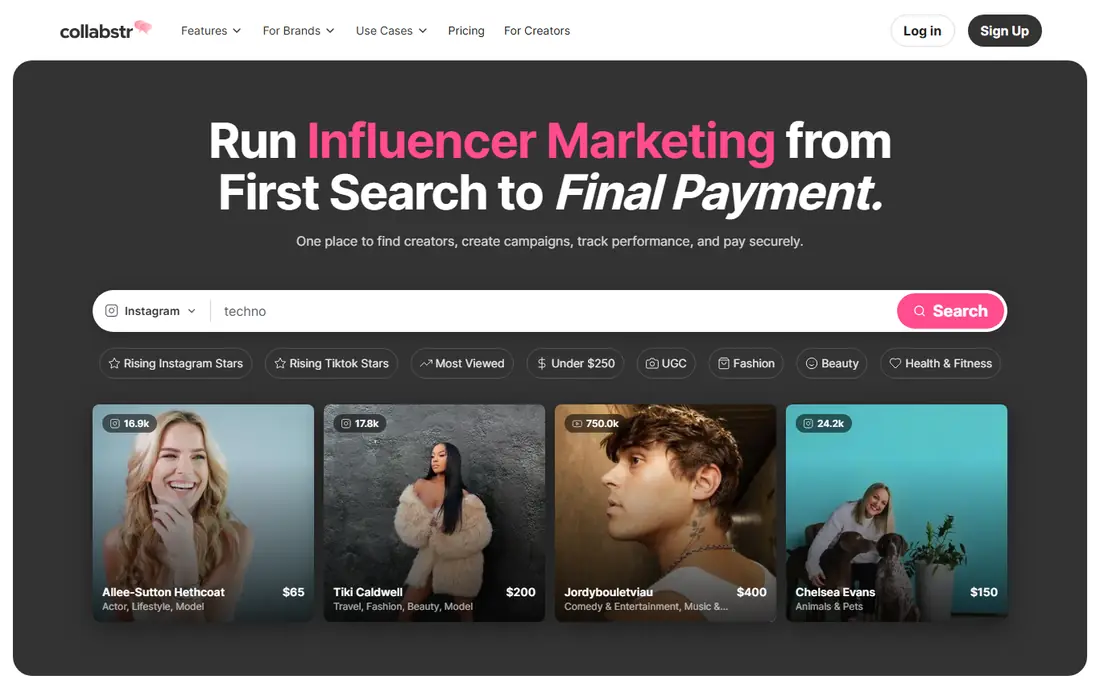
Collabstr is the most accessible UGC marketplace, with open brand listings that creators can browse and apply to directly. Pricing is visible, messaging and payment run through the platform, and creators keep a public profile of past work. For beginners, the open listings make it easy to start.
Popular listings attract many applicants, so standing out needs a strong portfolio and quick replies. Platform fees also reduce net pay. For creators building a UGC portfolio, Collabstr is the simplest place to begin.
For readers focused on beginners and open marketplace deals, Collabstr is worth a trial before deciding, since the free tier or trial shows its real feel fast. Check the current plan details on the vendor site, since prices and limits change, and confirm that the version you need works on your devices.
- Open brand listings
- Clear pricing
- Handles payment and messaging
- High competition on popular listings
- Fees apply
Aspire
Ideal for: Larger brand campaigns
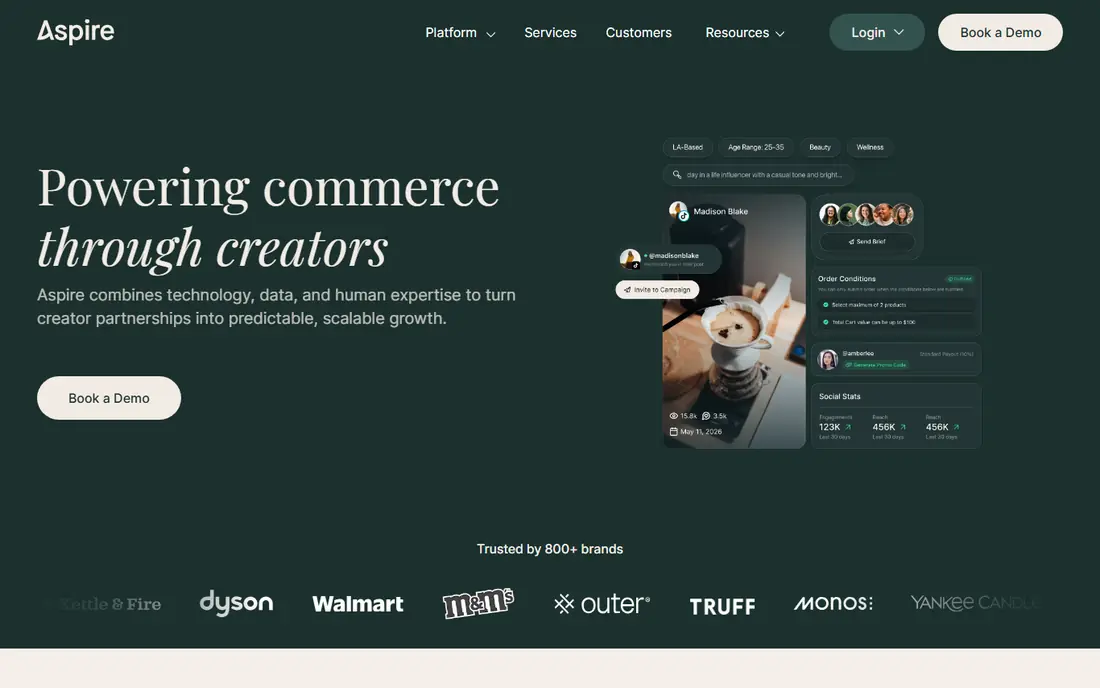
Aspire connects creators with larger brands for campaigns that often run longer than single videos. Its campaign tools handle briefs, approvals and payments, and its relationship features help creators turn one campaign into repeat work. Established creators benefit most from its brand network.
The application process is selective, and newer creators may find fewer matches at first. It also suits campaign work more than quick one-off videos. For creators with a portfolio who want bigger brand relationships, Aspire is a strong platform.
We would shortlist Aspire for larger brand campaigns, and compare it directly with the two options nearest it in price before paying. Check the current plan details on the vendor site, since prices and limits change, and confirm that the version you need works on your devices.
- Large brand network
- Campaign management
- Relationship tools
- Application process is selective
- Better for established creators
Creator.co
Ideal for: Campaigns and creator marketplace
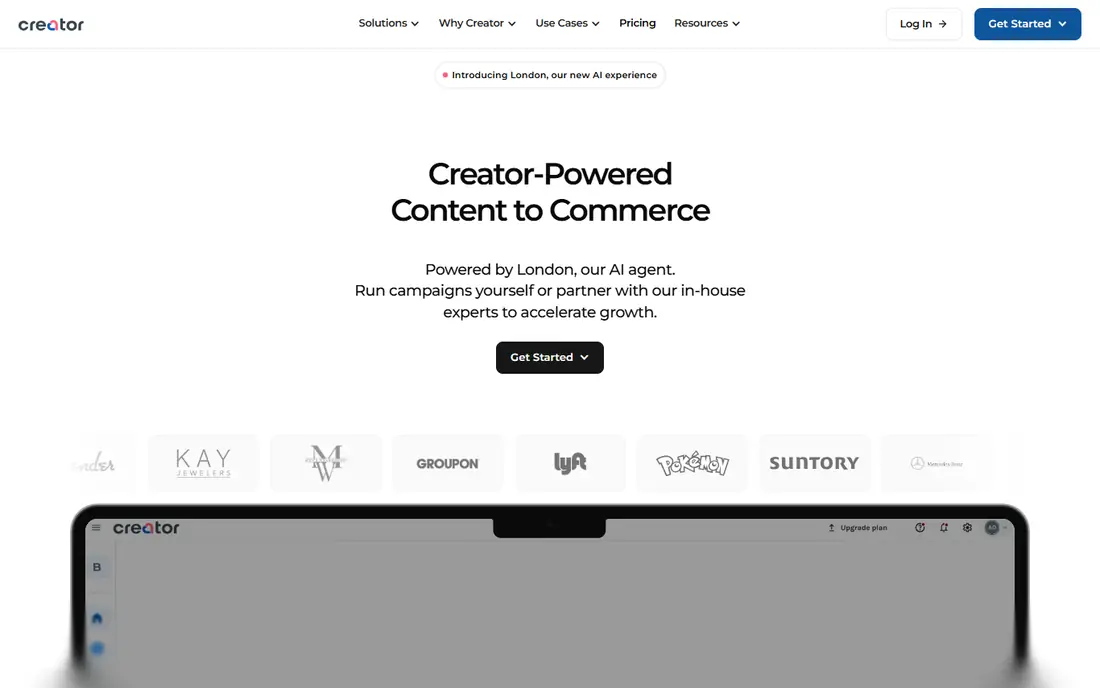
Creator.co combines a creator marketplace with campaign management, letting brands find creators and run campaigns with analytics on performance. Creator profiles showcase past work, and the platform handles briefs and payments. It suits creators who want both discovery and campaign structure.
Top campaigns are selective, and fees and terms vary by deal, so read each brief carefully. Smaller creators may need time to build visibility. For creators ready for campaign work, it offers a polished marketplace.
If campaigns and creator marketplace is your main need, Creator.co deserves a place on a shortlist, provided you test the catch described above first. Check the current plan details on the vendor site, since prices and limits change, and confirm that the version you need works on your devices.
- Brand campaigns plus marketplace
- Analytics
- Creator profiles
- Selective for top campaigns
- Fees and terms vary
Trend
Ideal for: Short-form UGC for social ads
Trend focuses on short-form UGC for social ads, with structured briefs that tell creators exactly what brands need. Its fast turnaround suits brands running frequent ad tests, and creators who work quickly can complete several briefs in a week. The niche focus keeps briefs consistent.
Its brand pool is smaller than larger platforms, and its niche focus means less variety. Creators who want diverse campaigns may need a second platform. For short-form video specialists, Trend is efficient.
Our view is that Trend earns its place here for short-form UGC for social ads, even with the limits noted above. Check the current plan details on the vendor site, since prices and limits change, and confirm that the version you need works on your devices.
- Focus on short-form video
- Structured briefs
- Fast turnaround
- Smaller brand pool than larger platforms
- Niche focus
Billo
Ideal for: Video UGC with clear briefs
Billo is a video-first UGC platform where brands post detailed briefs and creators deliver short videos for ads. Its revision structure keeps feedback organized, and its vetting helps brands trust new creators. The briefs are clear, which reduces wasted work on mismatched expectations.
Rates vary by brief, and revision limits need checking before accepting, since extra rounds cut effective pay. It is also video-focused, so photo creators get less. For video UGC creators, Billo is a well-structured option.
For readers focused on video UGC with clear briefs, Billo is worth a trial before deciding, since the free tier or trial shows its real feel fast. Check the current plan details on the vendor site, since prices and limits change, and confirm that the version you need works on your devices.
- Video-first briefs
- Revision structure
- Creator vetting
- Rates vary
- Revision limits need checking per brief
Insense
Ideal for: Managed UGC campaigns
Insense runs managed UGC campaigns, matching brands with creators and handling briefs, delivery and usage tracking. Its management layer suits brands that want consistent quality, and creators benefit from clear briefs and organized feedback. Usage tracking helps when extensions are negotiated.
Managed campaigns can be selective, and platform fees apply. Creators who prefer open listings may find it less flexible. For creators who like structured, managed work, Insense is a reliable platform.
We would shortlist Insense for managed UGC campaigns, and compare it directly with the two options nearest it in price before paying. Check the current plan details on the vendor site, since prices and limits change, and confirm that the version you need works on your devices.
- Campaign management
- Creator matching
- Usage tracking
- Managed campaigns can be selective
- Fees apply
Paid
Ideal for: Creator-brand matching
Paid, stylized as a hashtag brand name, matches creators with brands for campaigns and UGC work, with tools for briefs, content approval and payment. Its matching system considers creator style and audience, which helps brands find a good fit beyond follower counts.
It is selective, and pricing and terms vary by campaign, so creators should read usage rights carefully. Smaller creators may need a portfolio before top matches arrive. For creators seeking brand campaigns with structured matching, it is worth joining.
If creator-brand matching is your main need, Paid deserves a place on a shortlist, provided you test the catch described above first. Check the current plan details on the vendor site, since prices and limits change, and confirm that the version you need works on your devices.
- Matching for creators and brands
- Campaign tools
- Payment handling
- Selective
- Pricing and terms vary by campaign
How we picked these
We compared official feature pages, pricing pages, app store listings, privacy policies and public reviews for each option below. We checked that each product is still available and that its stated plans match what the vendor publishes. We did not run hands-on tests, so our picks rest on documented features, pricing and the fit for the reader described in each section, not on lab results. Where a price could not be confirmed on the vendor site at the time of writing, we wrote See website rather than guessing. We also looked at how each option handles the everyday details that decide whether a tool gets used: setup time, device support, what happens when you cancel or downgrade, and whether help is available when something breaks. A product that looks strong on a feature list but is hard to set up, hard to leave, or poorly supported will cost more in time than it saves, so we weighed those practical points alongside price and features. Where reviewers or users reported a recurring problem, we noted it in the honest catch for that product, rather than leaving it out because the vendor page did not mention it.
How to pick a UGC platform and price your work
Start with the brief, not the platform. A clear brief with examples, usage rights and revision limits is worth more than a high headline rate. Check how the platform pays, when it pays, and what fee it takes, since net pay varies widely. Keep a portfolio of past UGC-style videos, even spec work, because brands hire from examples. Finally, set a revision limit and a usage term in every deal, since unlimited revisions and perpetual rights quietly cut your hourly rate.
A final check before you commit
Run a short trial on a real task before you pay for a year or move a whole team. Use the free plan or trial to complete one full job, from setup to export or delivery, and note where you got stuck. Check the cancellation path too: can you leave and keep your data, or does leaving mean starting over? Read the pricing page for renewal rates, not just the first-year offer, and confirm what support you get on the plan you will actually buy. Finally, ask one current user about the worst part of the product, since that answer tells you more than any feature list. If the trial feels good on a real task and the exit path is clear, the choice is much safer.
Frequently asked questions
What is a UGC platform?
A UGC platform connects brands with creators who make short, authentic-style videos and photos for ads. Brands post briefs, creators apply or get matched, and the platform usually handles messaging, delivery and payment.
Do I need a large following to do UGC?
No. UGC creators are usually paid for the content itself, not for posting to their own audience. Brands run the content as ads from their own accounts, so a strong portfolio matters more than follower count.
How much do UGC creators earn?
Rates vary by video length, usage rights and revisions, but a single short video often pays from tens to several hundred dollars. Ongoing retainers and paid usage extensions raise total earnings, so read the full brief before quoting.
What are usage rights in UGC?
Usage rights define where, how long and in what form a brand can use your content, such as paid social ads for three months. Wider or longer usage should cost more, and perpetual, unlimited rights should be priced accordingly.
Which UGC platform is best for beginners?
Collabstr is the easiest starting point, with open listings and straightforward pricing. Billo and Insense also welcome newer creators with structured briefs, while Aspire and Creator.co suit creators with a portfolio and campaign experience.