Best Vdi Software in 2026: 8 Options Compared

- 1
 Citrix DaaSenterprises that want managed virtual desktopsVisit
- 2
 VMware Horizonteams that want virtual desktops on VMwareVisit
- 3
 Microsoft Azure Virtual Desktopteams that want Windows desktops in AzureVisit
- 4
 Amazon WorkSpacesteams that want managed desktops on AWSVisit
- 5
 Parallels RASteams that want simpler VDI and app deliveryVisit
- The strongest overall options for best vdi software are Citrix DaaS, VMware Horizon, and Microsoft Azure Virtual Desktop, each with a different strength.
- Prices are mostly quote based, so use the official pricing page for Citrix DaaS and Amazon WorkSpaces before you compare totals.
- Free options exist in this list, including Citrix DaaS, but free tiers usually limit volume or features.
- The right pick depends on your budget, your current tools, and how much setup help you need, not on brand size alone.
Quick comparison
| Product | Ideal for | Price from | Free version | |
|---|---|---|---|---|
| Citrix DaaS | enterprises that want managed virtual desktops | See website | Free trial | Visit |
| VMware Horizon | teams that want virtual desktops on VMware | See website | Free trial | Visit |
| Microsoft Azure Virtual Desktop | teams that want Windows desktops in Azure | See website | Free trial | Visit |
| Amazon WorkSpaces | teams that want managed desktops on AWS | See website | Free trial | Visit |
| Parallels RAS | teams that want simpler VDI and app delivery | See website | Free trial | Visit |
 Nutanix Frame | teams that want browser based virtual desktops | See website | Free trial | Visit |
 Cameyo | teams that want simple app virtualization | See website | Free trial | Visit |
 Workspot | enterprises that want cloud desktops as a service | See website | No | Visit |
The best vdi software
We compared official feature pages, pricing pages, app store listings, privacy policies, and public reviews for best vdi software. The list below mixes well known leaders with strong smaller options, and each write-up notes one honest weakness. Use the table above to shortlist two or three options, then check their current terms before you buy.
Citrix DaaS
Ideal for: enterprises that want managed virtual desktops
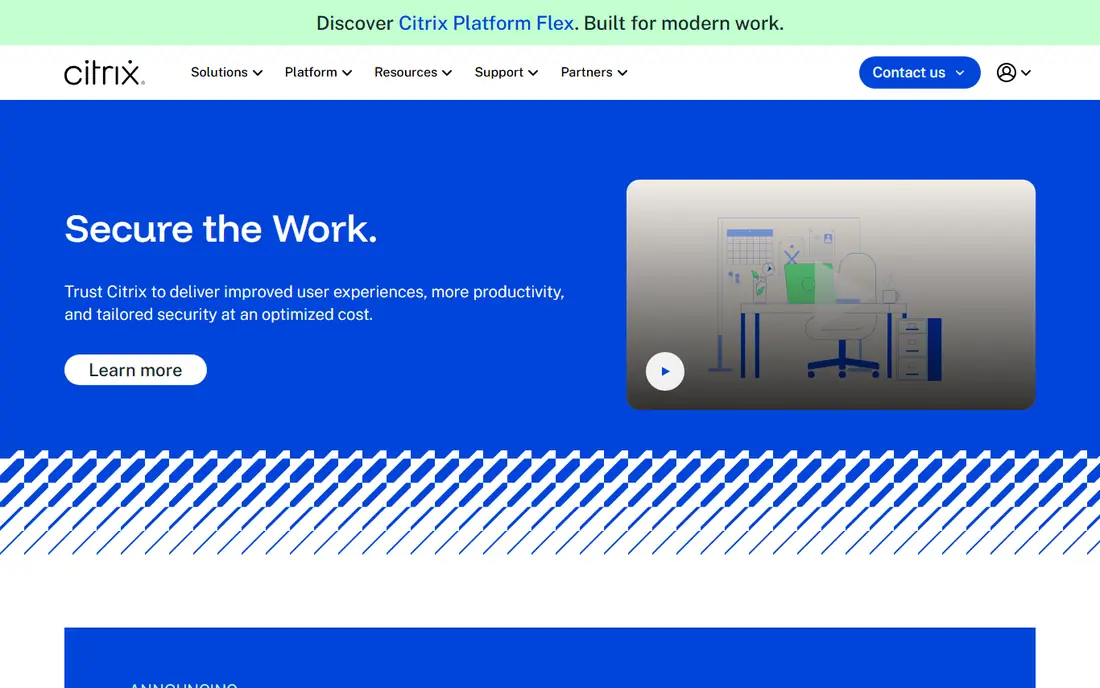
For enterprises that want managed virtual desktops, Citrix DaaS is a strong starting point. Offers managed virtual desktops and apps. Supports hybrid and cloud setups. Suits large teams with varied devices.
The honest catch is pricing and licensing are complex. Setup needs IT expertise. That trade-off matters most if enterprises that want managed virtual desktops is your main use case, so check the current pricing page and any limits before you commit. A short trial with a real task will show whether the limits matter for your work.
- Offers managed virtual desktops and apps
- Supports hybrid and cloud setups
- Suits large teams with varied devices
- Pricing and licensing are complex
- Setup needs IT expertise
VMware Horizon
Ideal for: teams that want virtual desktops on VMware
If teams that want virtual desktops on VMware is your main goal, start with VMware Horizon. Offers virtual desktops and apps on VMware infrastructure. Supports hybrid cloud. Suits teams already using VMware.
The honest catch is licensing changed under Broadcom and needs a check. Best value comes with VMware infrastructure. That trade-off matters most if teams that want virtual desktops on VMware is your main use case, so check the current pricing page and any limits before you commit. A short trial with a real task will show whether the limits matter for your work.
- Offers virtual desktops and apps on VMware infrastructure
- Supports hybrid cloud
- Suits teams already using VMware
- Licensing changed under Broadcom and needs a check
- Best value comes with VMware infrastructure
Microsoft Azure Virtual Desktop
Ideal for: teams that want Windows desktops in Azure
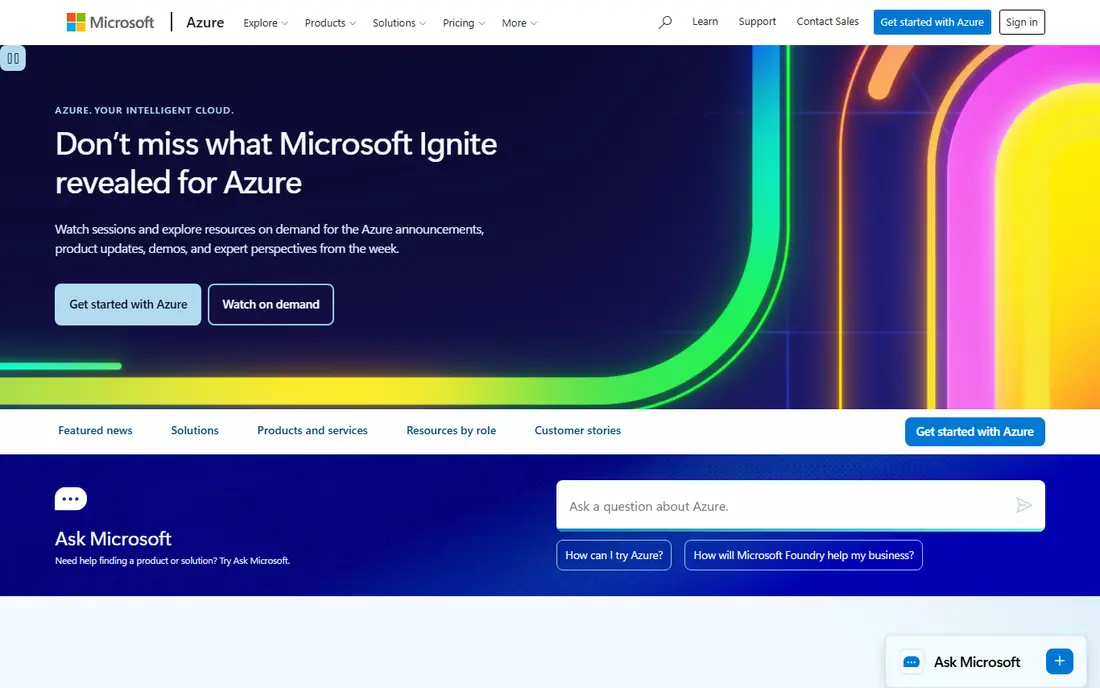
Microsoft Azure Virtual Desktop fits teams that want Windows desktops in Azure well, with a clear focus on that use case. Delivers Windows desktops and apps from Azure. Integrates with Microsoft 365 and identity tools. Suits Microsoft based teams.
The honest catch is costs depend on Azure usage and need monitoring. Setup needs Azure skills. That trade-off matters most if teams that want Windows desktops in Azure is your main use case, so check the current pricing page and any limits before you commit. A short trial with a real task will show whether the limits matter for your work.
- Delivers Windows desktops and apps from Azure
- Integrates with Microsoft 365 and identity tools
- Suits Microsoft based teams
- Costs depend on Azure usage and need monitoring
- Setup needs Azure skills
Amazon WorkSpaces
Ideal for: teams that want managed desktops on AWS
Start your shortlist with Amazon WorkSpaces if teams that want managed desktops on AWS matters most to you. Offers managed virtual desktops on AWS. Provides Windows and Linux options. Suits teams already on AWS.
The honest catch is per user pricing adds up for large teams. Some app compatibility needs testing. That trade-off matters most if teams that want managed desktops on AWS is your main use case, so check the current pricing page and any limits before you commit. A short trial with a real task will show whether the limits matter for your work.
- Offers managed virtual desktops on AWS
- Provides Windows and Linux options
- Suits teams already on AWS
- Per user pricing adds up for large teams
- Some app compatibility needs testing
Parallels RAS
Ideal for: teams that want simpler VDI and app delivery
For teams that want simpler VDI and app delivery, Parallels RAS is a strong starting point. Offers virtual desktops and app publishing with simpler setup. Suits mid-size teams. Provides hybrid deployment options.
The honest catch is smaller ecosystem than the largest rivals. Advanced enterprise features need a check. That trade-off matters most if teams that want simpler VDI and app delivery is your main use case, so check the current pricing page and any limits before you commit. A short trial with a real task will show whether the limits matter for your work.
- Offers virtual desktops and app publishing with simpler setup
- Suits mid-size teams
- Provides hybrid deployment options
- Smaller ecosystem than the largest rivals
- Advanced enterprise features need a check
Nutanix Frame
Ideal for: teams that want browser based virtual desktops
If teams that want browser based virtual desktops is your main goal, start with Nutanix Frame. Delivers desktops and apps through a browser. Runs on major clouds. Suits teams with contractors and varied devices.
The honest catch is browser based delivery suits some apps better than others. Pricing is quote based. That trade-off matters most if teams that want browser based virtual desktops is your main use case, so check the current pricing page and any limits before you commit. A short trial with a real task will show whether the limits matter for your work.
- Delivers desktops and apps through a browser
- Runs on major clouds
- Suits teams with contractors and varied devices
- Browser based delivery suits some apps better than others
- Pricing is quote based
Cameyo
Ideal for: teams that want simple app virtualization
Cameyo fits teams that want simple app virtualization well, with a clear focus on that use case. Offers virtual apps and desktops through a browser. Focuses on simple setup. Suits schools and mid-size teams.
The honest catch is app compatibility needs testing for complex software. Smaller vendor than the largest rivals. That trade-off matters most if teams that want simple app virtualization is your main use case, so check the current pricing page and any limits before you commit. A short trial with a real task will show whether the limits matter for your work.
- Offers virtual apps and desktops through a browser
- Focuses on simple setup
- Suits schools and mid-size teams
- App compatibility needs testing for complex software
- Smaller vendor than the largest rivals
Workspot
Ideal for: enterprises that want cloud desktops as a service
Start your shortlist with Workspot if enterprises that want cloud desktops as a service matters most to you. Offers cloud desktops with a control plane for IT. Supports major clouds. Suits enterprises standardizing desktops.
The honest catch is pricing is quote based. Rollout needs cloud and identity planning. That trade-off matters most if enterprises that want cloud desktops as a service is your main use case, so check the current pricing page and any limits before you commit. A short trial with a real task will show whether the limits matter for your work.
- Offers cloud desktops with a control plane for IT
- Supports major clouds
- Suits enterprises standardizing desktops
- Pricing is quote based
- Rollout needs cloud and identity planning
How we picked these
We compared official feature pages, pricing pages, app store listings, privacy policies, and public reviews for each option in this list. We kept only products that exist and work in October 2026 and truly fit the topic, and we left out options that were too narrow, discontinued, or a poor fit. We did not claim hands-on testing that did not happen. Prices and free tiers change often, so where a price could not be verified from the vendor site we wrote See website instead of guessing a number.
What to check before you choose
- Define the job first. Write down what best vdi software must do for you in the next year, then drop any option that misses a must have feature.
- Check the full price. Look for per user fees, volume limits, setup costs, and renewal terms on the official pricing page.
- Test the free tier or trial. Use a real task from your work, not a demo, and note where you hit a limit.
- Check support and privacy. Read the privacy policy and support terms, and ask how your data is stored and deleted.
- Confirm fit with your current tools. Check integrations, import options, and whether you need help to migrate.
Frequently asked questions
What is the best best vdi software?
There is no single best pick for every buyer. Citrix DaaS suits enterprises that want managed virtual desktops, while VMware Horizon suits teams that want virtual desktops on VMware. Shortlist by your budget and your current tools, then test the top two.
How much does best vdi software cost?
Costs vary widely in this list, and many options use quote based pricing. Check the official pricing page for each shortlisted option, and add per user, volume, and renewal costs before you compare totals.
Is there a free option for best vdi software?
Some options in this list offer a free tier or a free trial, but free tiers usually limit volume or features. Use a free tier to test fit, and plan for a paid plan if you need full use.
How do I choose between these options?
Start with the job you need done, then compare price, limits, support, and integrations. A short trial with a real task will tell you more than a feature list alone.
What should I check before signing up?
Check contract length, renewal terms, data export options, and privacy terms. Ask what happens to your data if you cancel, and confirm support hours for your time zone.