Our first pick is Prevalent, best for AI-powered third-party risk automation. MetricStream is better for enterprise-wide GRC automation, and Archer is better for regulatory change and enterprise GRC. The other 2 tools in the list cover narrower or pricier cases.
If you are comparing vendor risk management software for banks, this page covers 5 tools in one place: what each is best for, what it costs to start, whether it has a free plan, and the main limit to know about.
Key takeaways
Prevalent sits first on this list: AI-powered external risk automation.
One limit worth knowing about Archer: may need significant configuration.
Pricing across the list, from Prevalent to OneTrust, is by quote only.
A permanent free plan is missing from all 5 tools, Prevalent and OneTrust included; plan for a trial or a premium start.
Prevalent is built with AI-powered external risk automation in mind. Prevalent supplies AI-powered external risk management software for automating workflows and simplifying compliance. It helps banks assess and monitor vendors efficiently.
Trade-offs to know: Part of Mitratech.
From a buyer's view, Prevalent is now part of Mitratech, so buyers should consider the broader product ecosystem. Its focus is on external risk instead of full GRC. More specifically, the product is suited for organizations seeking a dedicated TPRM solution with automation. This comparison lists no price for Prevalent; ask the vendor. On free options: Not stated.
Choose MetricStream for enterprise-wide GRC automation. MetricStream supplies GRC software that helps firms across industries simplify and automate enterprise-wide programs.
For everyday use, consider whether you need a full GRC product or a targeted vendor risk option. For everyday use, for banks, it gives you a foundation for managing risk and compliance, including vendor oversight. Check the vendor site for MetricStream pricing; none is listed in this comparison. Trial and free access: Not stated.
Honest limits: May be complicated for smaller banks.
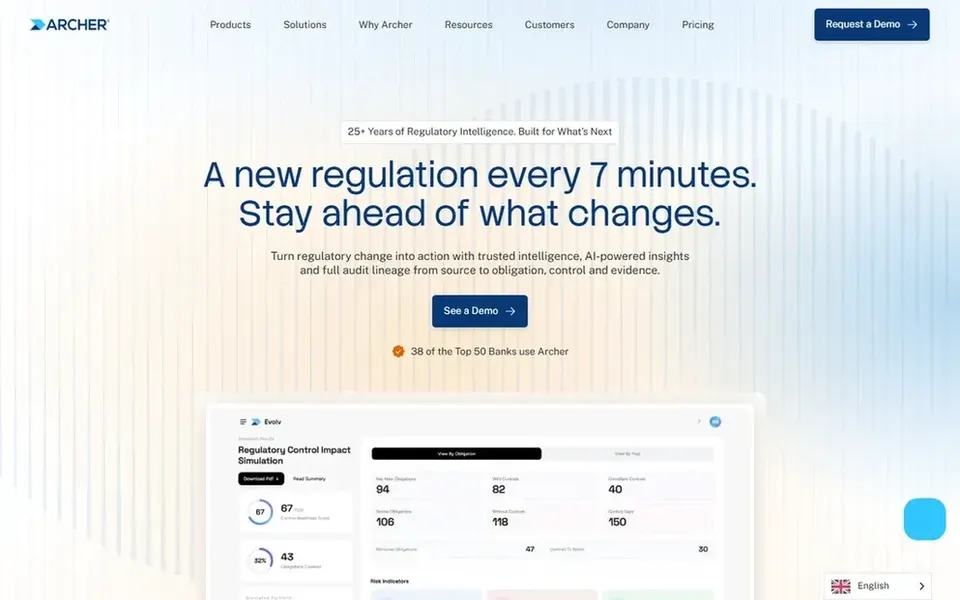
Archer targets regulatory change and enterprise GRC. Archer is an enterprise governance, risk, and compliance product with a solid emphasis on regulatory change management. Its compliance-trained AI and full audit lineage help banks track obligations and demonstrate control.
Smaller banks or those seeking a light external risk tool might find it heavy. Consider alternatives if you need rapid setup with minimal configuration. Pricing for Archer is not stated here, so ask the vendor for current figures. As for free access: Not stated.
Drawbacks to consider: May need significant configuration.
Best for: Integrating vendor risk into service workflows
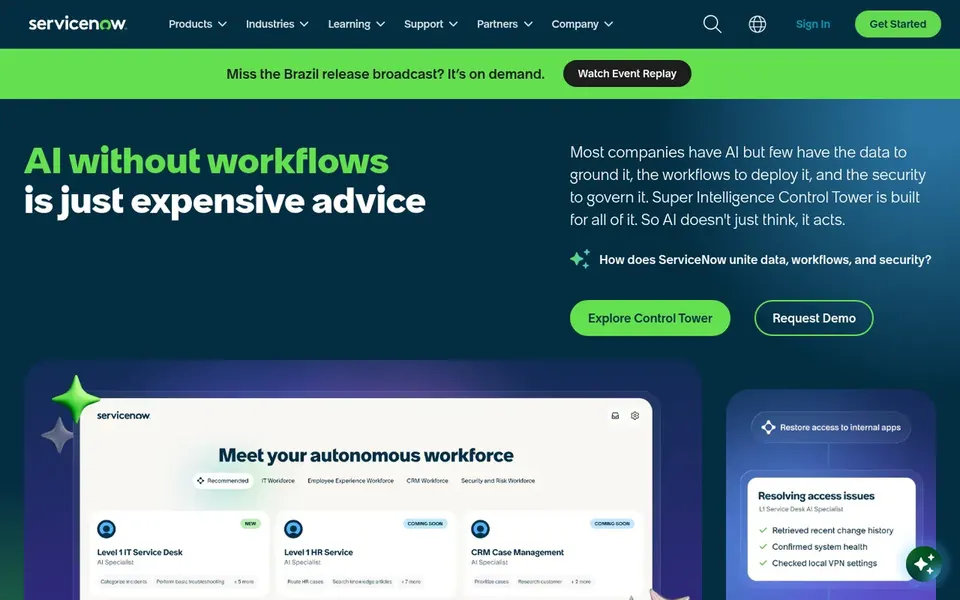
ServiceNow Vendor Risk Management targets integrating vendor risk into service workflows. It helps banks integrate vendor assessments, onboarding, and monitoring into existing service workflows. Since it is part of a bigger product, vendor risk may need extra modules or configuration.
Worth adding: the system is suited for organizations already using ServiceNow or seeking a unified enterprise workflow option. Worth adding: banks looking for a standalone, out-of-the-box vendor risk tool might prefer a dedicated option. Evaluate integration needs and internal capacity before choosing. ServiceNow Vendor Risk Management shows no starting price here, so confirm the cost on the vendor site. Free options: Not stated.
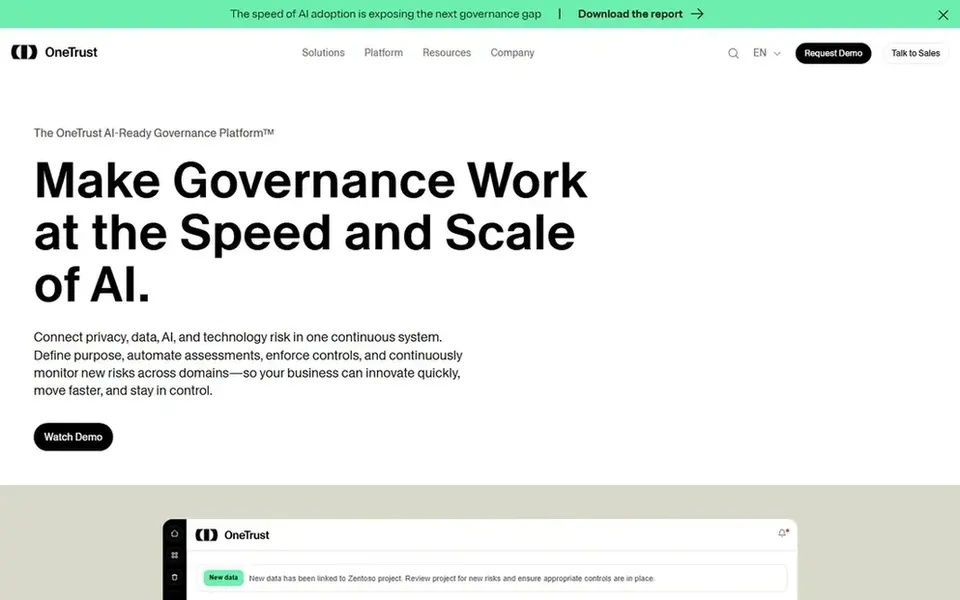
In short, OneTrust is for privacy and AI governance compliance. For banks, it supplies a way to oversee vendor relationships with a solid privacy and regulatory lens. For everyday use, banks needing deep vendor assessment workflows might combine it with a dedicated TPRM tool.
Downsides: Vendor risk is one part of a broader suite.
OneTrust's vendor risk capabilities are part of a wider trust system. So it may not be the most specialized choice for pure external risk. No starting price is listed for OneTrust here; confirm pricing on the vendor site. Free access: Not stated.
Ask each vendor, from Prevalent to OneTrust, for a written quote; none of them publishes a starting price.
Before choosing Prevalent, weigh its main limit: part of Mitratech, may have integration considerations.
Before rolling out Archer, verify the integrations your workflow depends on.
Pick one real project and run it in ServiceNow Vendor Risk Management first; a small pilot shows fit faster than a checklist.
Total up the real monthly cost of OneTrust, including add-ons, extra users and usage-based fees.
How we picked
We compared the tools on published pricing, free plan or trial availability, feature coverage for vendor risk management software for banks, and the limits each vendor documents. Plan names, prices and limits change often. Treat the figures here as a starting point and verify them with the vendor. The order reflects how well each tool fits the most common buying scenario for vendor risk management software for banks, then price clarity, then free plan access. It is a starting point, not a verdict.
Every price and plan detail on this page comes from the vendors’ own websites. We did not run hands-on tests unless the text says so, and we do not publish star ratings or review scores. See how we score and our disclosure.
Keep your shortlist in one place
Paste prices, trial dates and notes from this guide into Ainotely, our AI note app. It files them into a topic and pulls out tasks like “cancel trial by Friday”. Free 7-day trial, no card needed.
Can these tools help with regulatory change management?
Yes, tools like Archer are made for regulatory change management, helping banks track and respond to new regulations. Confirm each vendor's specific capabilities for your regulatory environment.
Do these tools publish their prices?
No. None of the tools, from Prevalent to OneTrust, shows a fixed starting price here, so budget time for quotes.
Is Prevalent the right pick for everyone comparing vendor risk management software for banks?
No single tool suits every team. Prevalent comes first because it fits AI-powered third-party risk automation, while MetricStream suits enterprise-wide GRC automation and Archer suits regulatory change and enterprise GRC. Match the tool to your own size, budget and workflow before deciding.
Can I try these tools before paying?
Not by default. None of the tools, from Prevalent to OneTrust, lists a free plan or a free trial here, so ask each vendor for a demo before committing.
How are the tools for vendor risk management software for banks ordered?
Prevalent sits first and OneTrust last because the order follows typical fit for vendor risk management software for banks, then price clarity and free access. It is a judgement call, so read each profile for fit and limits.