Best video conferencing app for small business in 2026: 8 Options Compared

- 1
 Zoomreliable small business meetingsVisit
- 2
 Google MeetGoogle Workspace teamsVisit
- 3
 Microsoft TeamsMicrosoft 365 small businessesVisit
- 4
 Webexsecure business meetingsVisit
- 5
 GoTo Meetingsimple client meetingsVisit
- Our pick for most people is Zoom, because it covers reliable small business meetings with a clear feature set and a free option to try first.
- 7 of the 8 options on this list offer a free plan, so you can test the core features before you pay for anything.
- Prices and free tier limits change often, so check the official pricing page linked for each product before you buy or sign up.
- The best choice depends on your main use case, not on the longest feature list, so start with the best for note in the comparison table.
Quick comparison
| Product | Ideal for | Price from | Free version | |
|---|---|---|---|---|
| Zoom | reliable small business meetings | Free | Yes | Visit |
| Google Meet | Google Workspace teams | Free | Yes | Visit |
| Microsoft Teams | Microsoft 365 small businesses | Free | Yes | Visit |
| Webex | secure business meetings | Free | Yes | Visit |
| GoTo Meeting | simple client meetings | See website | No | Visit |
 Zoho Meeting | budget small business calls | Free | Yes | Visit |
 Whereby | browser based team rooms | Free | Yes | Visit |
 Jitsi Meet | free open source meetings | Free | Yes | Visit |
The best video conferencing apps for small business
Choosing among video conferencing apps for small business is easier when you compare what each option actually does, what it costs, and where it falls short. We reviewed official feature pages, pricing pages, app store listings, privacy policies, and public reviews for the options below, and we did not claim hands-on testing that did not happen. The result is a shortlist that mixes well known names with smaller options that serve a specific need well. Our pick for most people is Zoom. It fits reliable small business meetings, and it gives new users a clear way to start without a confusing setup. The other seven options each suit a different priority, from lower cost to a narrower focus, so read the best for line for each one and match it to the job you need done.
Zoom
Ideal for: reliable small business meetings
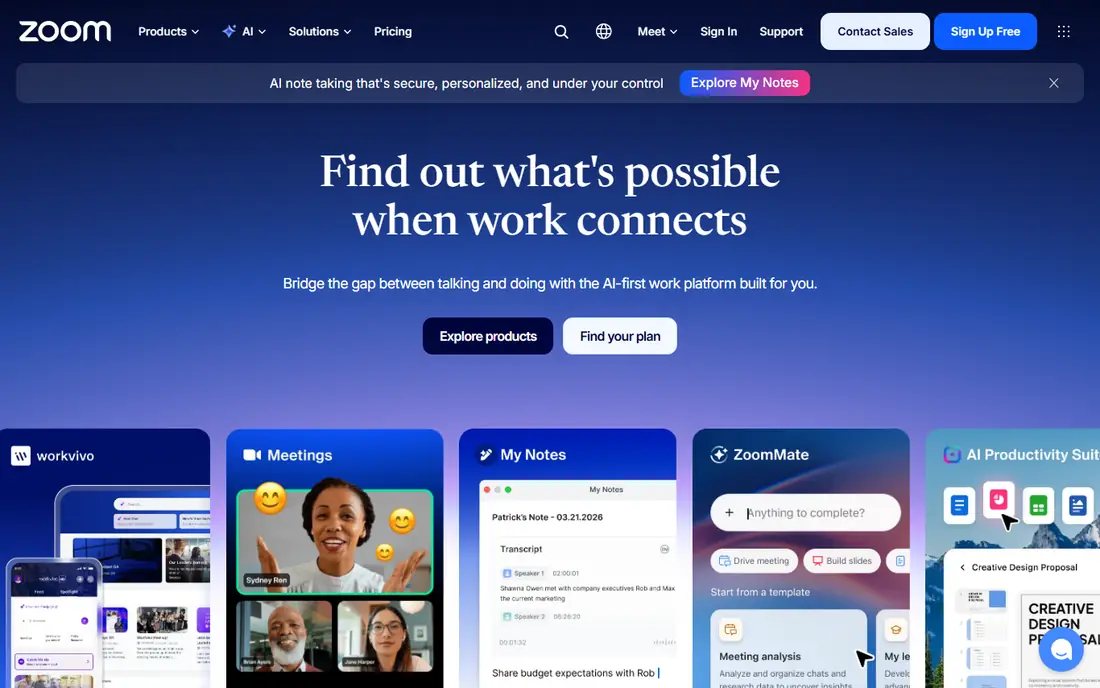
Zoom stands out for reliable small business meetings. In our review of its official feature pages, pricing, and app store listing, reliable video quality came across as the main draw, while breakout rooms adds practical value for everyday use. Readers who want reliable small business meetings will find a clear starting point here, and the setup is straightforward enough for most people to try without a long learning period. The honest catch is free meetings have a time limit for groups, and add ons raise cost may also matter depending on how you use it. That does not rule Zoom out. It simply means you should check the current plan page and the free tier limits before you commit, and compare it with one or two others on this list if price or a specific feature is your top priority.
- Reliable video quality
- Breakout rooms
- Large meeting support
- Free meetings have a time limit for groups
- Add ons raise cost
Google Meet
Ideal for: Google Workspace teams
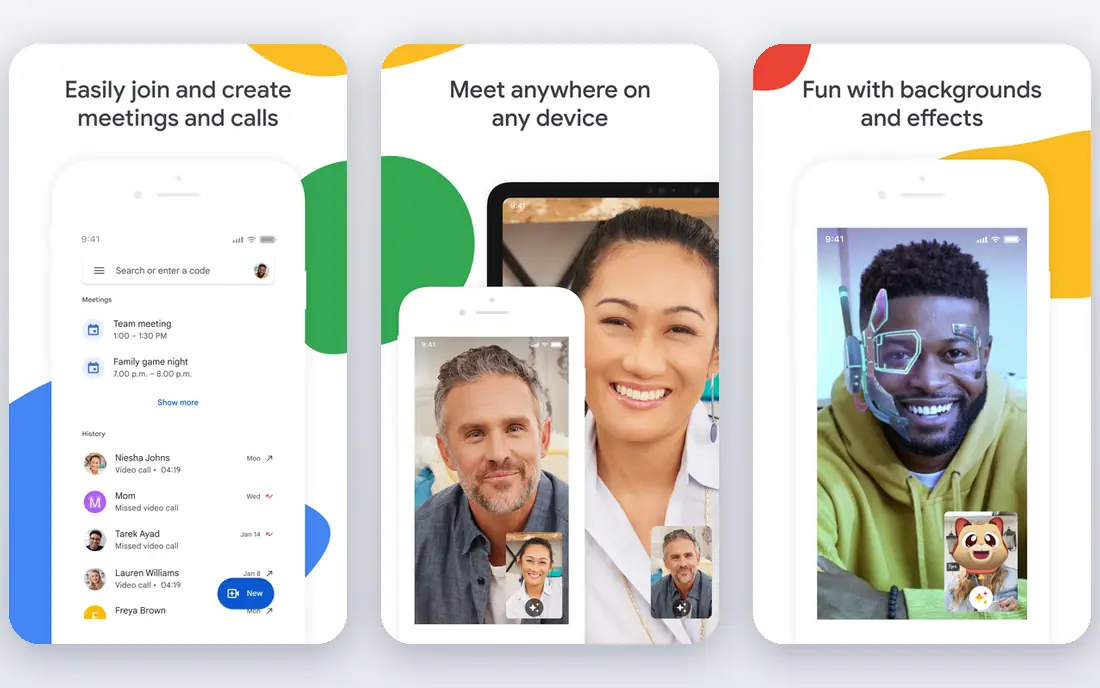
For readers focused on Google Workspace teams, Google Meet deserves a close look. Its official pages point to no install for guests in browser as a central strength, and calendar integration helps explain why it keeps appearing in this category. It is not the right fit for every reader, but for the use case in its best for line, it covers the basics well and leaves room to grow. No product on this list is perfect, and Google Meet is no exception. advanced controls need a Workspace plan is the main drawback we noted, with recording needs paid plans as a second point to check. If neither point blocks your main use case, the strengths above still make it worth trying, starting with the free tier or trial where one is offered.
- No install for guests in browser
- Calendar integration
- Live captions
- Advanced controls need a Workspace plan
- Recording needs paid plans
Microsoft Teams
Ideal for: Microsoft 365 small businesses
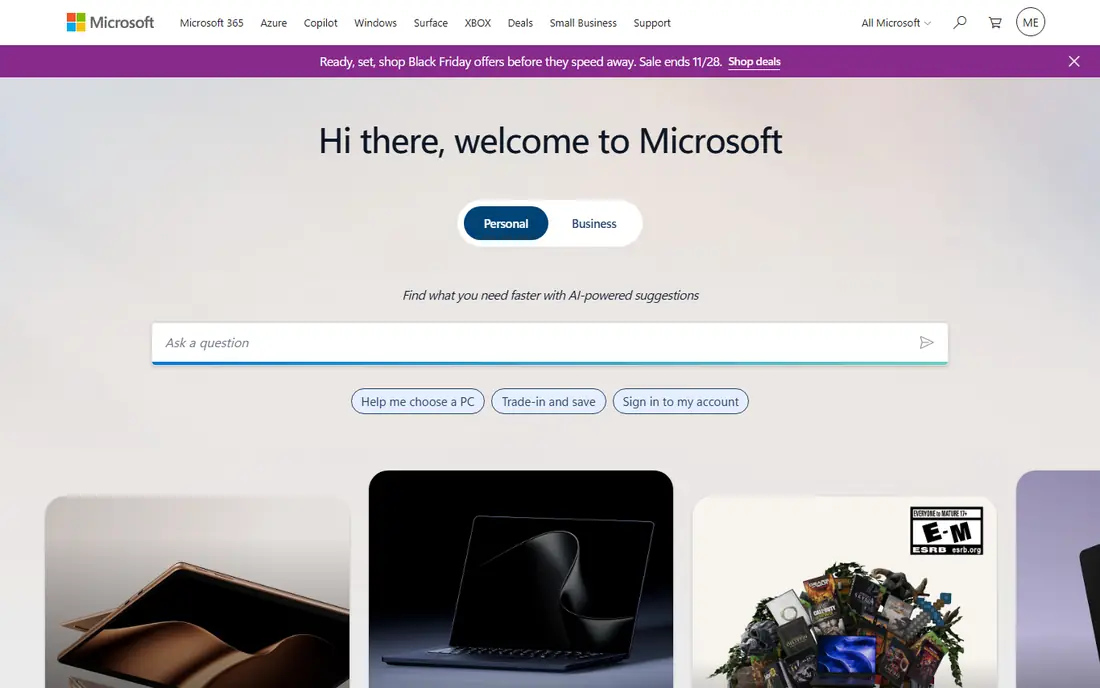
We included Microsoft Teams because it fits Microsoft 365 small businesses in a direct way. The standout detail from its official material is chat, files and meetings together, supported by office integration. That combination makes it a practical choice for readers who want a tool that does its main job well, without asking them to learn a large set of extra features first. Before you choose Microsoft Teams, weigh interface can feel crowded against what you actually need. best value with Microsoft 365 is worth a second look too, especially if you plan to use the product daily. Readers who accept those limits will likely be happy, while readers who need the missing piece should look at the next options on this list.
- Chat, files and meetings together
- Office integration
- Webinar options
- Interface can feel crowded
- Best value with Microsoft 365
Webex
Ideal for: secure business meetings
Webex is a useful option for secure business meetings, and its official feature pages make the case clearly. strong security controls is the first thing most readers will notice, and meeting recording adds depth once you start using it regularly. It belongs on a shortlist for this topic, even if the final choice depends on price and personal preference. The trade off with Webex is clear: strong value for secure business meetings, balanced by free plan limits meeting length. interface takes time to learn adds a further limit to check. Our advice is to test the free version or the trial first, read the current pricing page, and only upgrade once you know the product fits your routine.
- Strong security controls
- Meeting recording
- Whiteboard tools
- Free plan limits meeting length
- Interface takes time to learn
GoTo Meeting
Ideal for: simple client meetings
GoTo Meeting stands out for simple client meetings. In our review of its official feature pages, pricing, and app store listing, simple joining for guests came across as the main draw, while drawing tools adds practical value for everyday use. Readers who want simple client meetings will find a clear starting point here, and the setup is straightforward enough for most people to try without a long learning period. The honest catch is no free plan for full use, and pricing is per organiser may also matter depending on how you use it. That does not rule GoTo Meeting out. It simply means you should check the current plan page and the free tier limits before you commit, and compare it with one or two others on this list if price or a specific feature is your top priority.
- Simple joining for guests
- Drawing tools
- Meeting recording
- No free plan for full use
- Pricing is per organiser
Zoho Meeting
Ideal for: budget small business calls
For readers focused on budget small business calls, Zoho Meeting deserves a close look. Its official pages point to low cost plans as a central strength, and webinar option helps explain why it keeps appearing in this category. It is not the right fit for every reader, but for the use case in its best for line, it covers the basics well and leaves room to grow. No product on this list is perfect, and Zoho Meeting is no exception. smaller meeting capacity than rivals is the main drawback we noted, with interface is plain as a second point to check. If neither point blocks your main use case, the strengths above still make it worth trying, starting with the free tier or trial where one is offered.
- Low cost plans
- Webinar option
- Zoho app integration
- Smaller meeting capacity than rivals
- Interface is plain
Whereby
Ideal for: browser based team rooms
We included Whereby because it fits browser based team rooms in a direct way. The standout detail from its official material is no download for guests, supported by persistent rooms. That combination makes it a practical choice for readers who want a tool that does its main job well, without asking them to learn a large set of extra features first. Before you choose Whereby, weigh free tier limits rooms and participants against what you actually need. fewer enterprise controls is worth a second look too, especially if you plan to use the product daily. Readers who accept those limits will likely be happy, while readers who need the missing piece should look at the next options on this list.
- No download for guests
- Persistent rooms
- Simple sharing
- Free tier limits rooms and participants
- Fewer enterprise controls
Jitsi Meet
Ideal for: free open source meetings
Jitsi Meet is a useful option for free open source meetings, and its official feature pages make the case clearly. free and open source is the first thing most readers will notice, and no account needed for basic meetings adds depth once you start using it regularly. It belongs on a shortlist for this topic, even if the final choice depends on price and personal preference. The trade off with Jitsi Meet is clear: strong value for free open source meetings, balanced by no built in support team. features depend on the host setup adds a further limit to check. Our advice is to test the free version or the trial first, read the current pricing page, and only upgrade once you know the product fits your routine.
- Free and open source
- No account needed for basic meetings
- Self hosting option
- No built in support team
- Features depend on the host setup
How we picked these
We started with products that exist and work in October 2026 and that truly fit the topic, then we compared their official feature pages, pricing pages, app store listings, privacy policies, and public reviews. We favoured options with clear pricing, a usable free tier or trial where one is offered, and a clear statement of who the product is for. We left out products that did not fit the topic, even when they were popular in a nearby category. We also weighed honest drawbacks, because a list that only praises products is not useful. Where a price could not be verified from the vendor site or app store listing, we wrote See website rather than guessing. Readers should still check the linked official site before buying, since plans, limits, and availability change over time.
What to check before you choose
Start with your main job
The fastest way to narrow this list is to name the one job you need done most often. For video conferencing apps for small business, that job might be daily use, occasional use, or a single project. Match that job to the best for line in the table, then shortlist two or three options. A product with a longer feature list is not automatically better if its core job does not match yours, and a simpler product can be the better buy when it does the main task well.
Price, free tier, and limits
Check three price details before you pay: the starting price, what the free plan actually includes, and what happens when you hit a limit. Some free plans are generous for light use and tight for heavy use, while some paid plans only make sense when you use the product every week. Look for per user pricing, per month billing, and any add on fees, and compare the total cost for a full year rather than the first month alone.
Fit, support, and privacy
Fit covers device support, ease of use, and how well the product works with tools you already use. Support matters when something goes wrong, so check whether help is by email, chat, or phone, and whether guides are clear. Privacy matters too, so read the privacy policy for data collection, sharing, and deletion options, especially for products that handle personal, financial, or health information.
Mistakes to avoid
A common mistake is paying for the top plan before testing the free tier, which can lock you into features you never use. Another mistake is trusting a single review or a single price claim without checking the official site. Take a short trial, test the feature you care about most, check cancellation terms, and only then commit. If a product promises results that sound too good to be true, treat that promise with care and look for independent evidence.
Frequently asked questions
What is the best best video conferencing app for small business?
For most people, Zoom is a strong starting point because it fits reliable small business meetings and offers a way to try it before paying. The right answer still depends on your budget, your device, and how often you plan to use it, so compare the best for notes in the table before you decide.
Is there a free best video conferencing app for small business?
Yes, 7 of the options on this list offer a free plan, though free tiers usually limit features, storage, or usage. Check the free plan line for each product and the official pricing page to see whether the free tier covers your main use case.
How much does a best video conferencing app for small business cost?
Costs vary widely across this list, from free plans to quote based business pricing. Where we could not verify a current price from the vendor site, we wrote See website, and we recommend comparing the yearly total, not just the monthly headline price.
Which best video conferencing app for small business is best for beginners?
Beginners should start with an option that has a clear interface and a free tier, and Zoom is a good first test for that reason. Try the free version for a week, test the feature you need most, and only upgrade if the limits start to get in your way.
How did you choose these video conferencing apps for small business?
We compared official feature pages, pricing pages, app store listings, privacy policies, and public reviews, and we favoured products that truly fit the topic with clear pricing. We did not claim hands-on testing that did not happen, and we noted honest drawbacks for each product.