Best web design companies for small businesses in 2026: 7 Options Compared

- 1
 Wixowners who want templates and guided setupVisit
- 2
 Squarespaceowners who want polished designVisit
- 3
 Webflowowners who want design controlVisit
- 4
 WordPress.comowners who want a site that can growVisit
- 5
 GoDaddyowners who want a fast launchVisit
- Wix and Squarespace suit owners who want to build a site themselves with templates and guided setup.
- Webflow and Duda suit owners who want more design control or who work with a designer.
- GoDaddy and Shopify suit owners who need a quick launch or who sell products online.
- WordPress.com suits owners who want room to grow a content site over time.
Quick comparison
| Product | Ideal for | Price from | Free version | |
|---|---|---|---|---|
| Wix | owners who want templates and guided setup | See website | Free trial | Visit |
| Squarespace | owners who want polished design | See website | Free trial | Visit |
| Webflow | owners who want design control | See website | Yes | Visit |
| WordPress.com | owners who want a site that can grow | See website | Yes | Visit |
| GoDaddy | owners who want a fast launch | See website | Free trial | Visit |
 Shopify | small businesses that sell online | See website | Free trial | Visit |
 Duda | owners working with a designer or agency | See website | Free trial | Visit |
The best web design companies for small businesses
A small business website needs to look credible, load fast and make it easy for customers to contact you or buy. We compared official builder pages, pricing pages, template libraries and public reviews, focusing on ease of use, design control, ecommerce and support. Most builders price by monthly plan, so we note the model rather than quoting a figure we could not confirm.
Wix
Ideal for: owners who want templates and guided setup
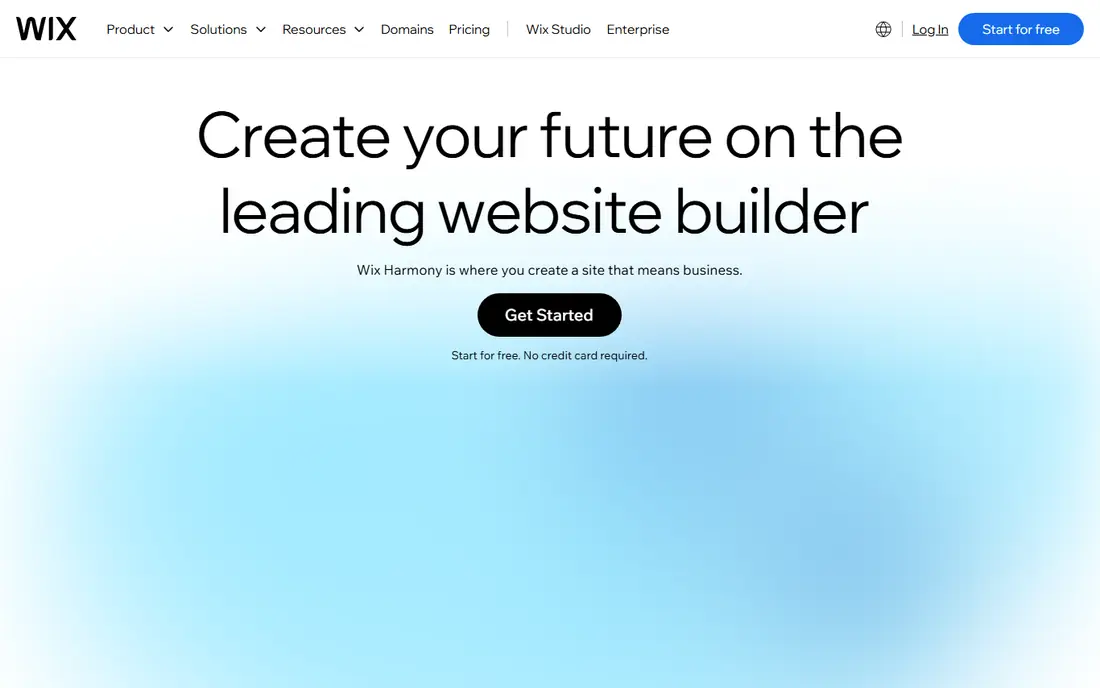
Wix gives small business owners a drag and drop editor, hundreds of templates and built-in tools for bookings, contact forms and online stores. An owner can start from a template for a restaurant, salon or trades business and shape it without touching code. The guided setup asks a few questions and then suggests a starting layout, which shortens the first build.
Before you pay, check the limits that apply to your own use, including seats, storage, monthly usage and support hours. A plan that looks generous on the headline page can still cap the one feature you rely on most, so read the plan comparison page rather than the marketing summary. A trial or free tier is the safest way to test this, and it also shows whether support answers promptly when you need help.
The trade off is that deep design changes and moving to a different template later can be awkward, and the monthly cost grows as you add apps and storage. Check the plan that includes your own domain and removes builder branding before you publish.
- Large template library
- Drag and drop editor
- Built-in marketing tools
- Costs rise with add-ons
- Switching templates later is limited
Squarespace
Ideal for: owners who want polished design
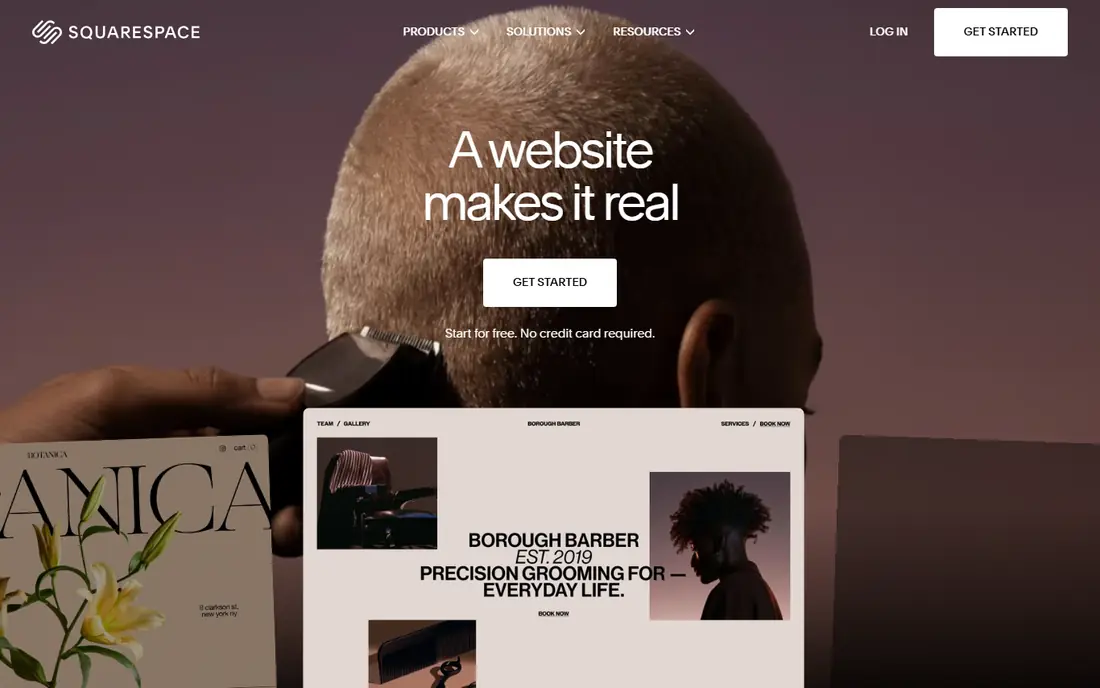
Squarespace is known for clean, image led templates that make a small business look polished with little design skill. It covers pages, blogs, scheduling and online stores in one account, and its editor keeps layout choices tidy rather than offering endless options. That restraint suits owners who want a good looking site without a designer.
The price on the headline page is only part of the cost, so check renewal pricing, per-seat charges and any paid add-ons before you commit. Free tiers help for light use, but they often cap the features that matter once work grows, and trials end on a fixed date whether you have finished testing or not. Set a reminder before a trial ends, and confirm cancellation steps in advance so you are not locked into a plan you no longer need.
The catch is flexibility, since custom layouts and advanced features are more limited than on open platforms. If you need a highly custom booking flow or a complex store, test the exact feature on a trial before you commit to a year.
- Polished templates
- Strong image handling
- Built-in commerce
- Less flexible than open platforms
- Template changes take care
Webflow
Ideal for: owners who want design control
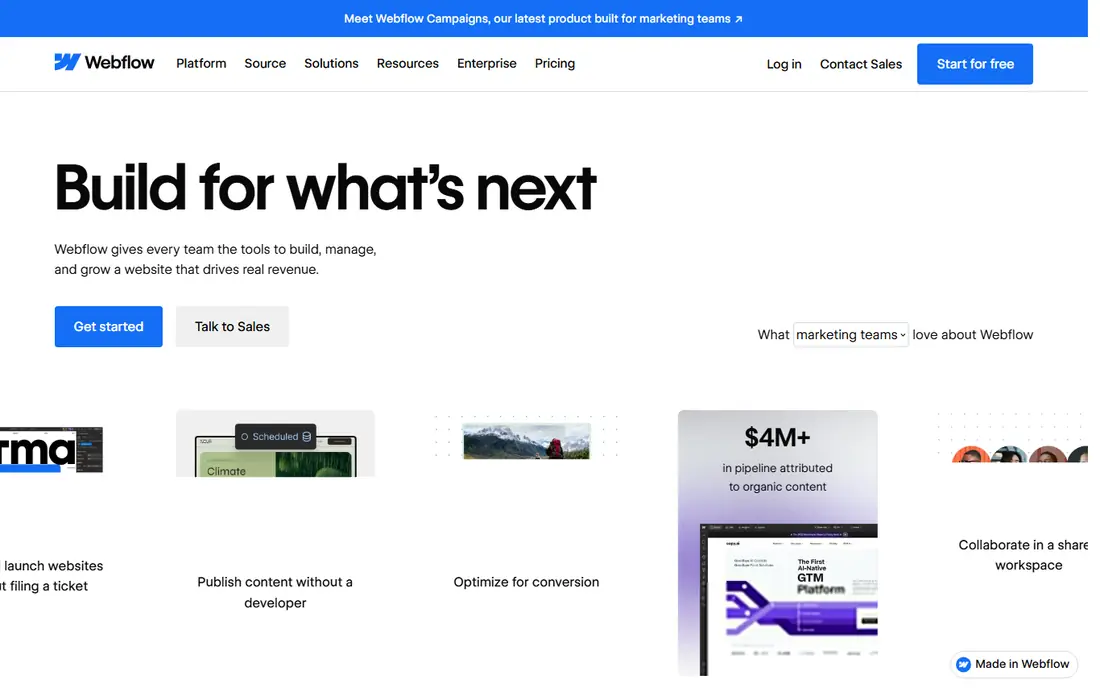
Webflow gives far more design control than a template builder, with a visual editor that builds a real website and a content system for blogs and listings. A small business with a designer, or an owner willing to learn, can create a distinctive site that does not look like a template. Hosting, security and forms are included, which keeps the stack simple.
Pricing is where many readers get caught out, so look past the headline figure and check what the plan actually includes for your level of use. Seats, usage limits, add-ons and renewal terms can change the real monthly cost, and a cheaper plan that lacks one feature you need is not a saving. If a free tier or trial is offered, use it for real work before paying, and confirm how cancellation works while you still have time to change your mind.
That control brings a learning curve, and a complete beginner may find the editor slow at first. Budget for designer time or for learning the basics, and start with a simple page structure before adding animations and interactions.
- Precise design control
- Strong CMS
- Clean hosting
- Learning curve for beginners
- Designer help may be needed
WordPress.com
Ideal for: owners who want a site that can grow
WordPress.com suits a business that plans to publish content regularly, since its blogging and page tools are mature and its theme range is very large. You can start free and move up as you need a custom domain, plugins or ecommerce, which makes growth gradual rather than a rebuild. The platform also has a long history, so finding help is easy.
Before you pay, check the limits that apply to your own use, including seats, storage, monthly usage and support hours. A plan that looks generous on the headline page can still cap the one feature you rely on most, so read the plan comparison page rather than the marketing summary. A trial or free tier is the safest way to test this, and it also shows whether support answers promptly when you need help.
The free tier carries limitations and branding, and the most useful features sit on paid plans. Compare the plan that includes the plugins or store tools you need, and check renewal pricing before choosing a yearly term.
- Huge theme and plugin range
- Strong blogging
- Room to grow
- Free tier shows ads
- Advanced features need higher plans
GoDaddy
Ideal for: owners who want a fast launch
GoDaddy suits an owner who wants a domain, hosting and a website builder in one account with a fast setup path. Its builder asks about your business and generates a starting site, and its support by phone can help owners who prefer talking to a person. For a simple brochure site with contact details and opening hours, that speed matters.
The price on the headline page is only part of the cost, so check renewal pricing, per-seat charges and any paid add-ons before you commit. Free tiers help for light use, but they often cap the features that matter once work grows, and trials end on a fixed date whether you have finished testing or not. Set a reminder before a trial ends, and confirm cancellation steps in advance so you are not locked into a plan you no longer need.
Design depth is thinner than at design led builders, and checkout can present add-ons that raise the price. Review each add-on before paying, and confirm the renewal price for the domain and the builder plan separately.
- Quick setup
- Domain plus hosting in one place
- Phone support
- Design depth is limited
- Upsells during checkout
Shopify
Ideal for: small businesses that sell online
Shopify is built for selling, with product pages, payment handling, shipping tools and an app store for reviews, email and fulfilment. A small retailer can start with a theme and add features as sales grow, without managing hosting or security separately. Its checkout is familiar to shoppers, which can help conversion.
Pricing is where many readers get caught out, so look past the headline figure and check what the plan actually includes for your level of use. Seats, usage limits, add-ons and renewal terms can change the real monthly cost, and a cheaper plan that lacks one feature you need is not a saving. If a free tier or trial is offered, use it for real work before paying, and confirm how cancellation works while you still have time to change your mind.
The cost is more than a simple builder, since the monthly plan sits alongside possible transaction fees and paid apps. Add up the plan, the payment rate and the apps you actually need, and test the store on a phone, where most shoppers will see it.
- Strong store tools
- Payment handling
- Large app store
- Monthly cost plus transaction fees
- Design needs a theme
Duda
Ideal for: owners working with a designer or agency
Duda is aimed at designers and agencies building sites for small business clients, with client management, white label options and fast loading pages. An owner working with a designer benefits from that workflow, since feedback, content collection and launch are handled in one place. The sites themselves are modern and mobile friendly by default.
Before you pay, check the limits that apply to your own use, including seats, storage, monthly usage and support hours. A plan that looks generous on the headline page can still cap the one feature you rely on most, so read the plan comparison page rather than the marketing summary. A trial or free tier is the safest way to test this, and it also shows whether support answers promptly when you need help.
Duda is less familiar to owners than the big consumer builders, so finding independent help can take longer. If you hire a designer on Duda, agree who owns the account and the content, and how you take over the site if you change designer.
- Agency friendly tools
- Client management
- Fast sites
- Less known to owners
- Template range is smaller
How we picked these
We compared official feature pages, pricing pages, app store listings, privacy policies and public reviews for each option in this guide. We kept only products that exist and work in October 2026 and that fit the topic directly, and we checked that each official homepage loads and belongs to the product named. Prices and free tiers are taken from the vendor site where we could verify them, and we wrote See website where a price could not be confirmed, rather than guessing. Our pick in each guide reflects fit for ordinary readers, not a claim of hands-on testing, and we note the honest limits of each option alongside its strengths.
How to choose a web design route for a small business
Start with the job the site must do: bring phone calls, take bookings, sell products or build trust for a local service. A brochure site needs good pages, photos and contact options, while a store needs checkout, shipping and stock tools. List those jobs before you compare builders, and test each one by building a single page with your real text and photos.
Compare total yearly cost, including the domain, the builder plan, email and any apps, and check renewal prices rather than only the first year offer. Confirm you can use your own domain, export your content if you leave, and get support in a way that suits you. A site you can update yourself, even for small changes, will stay current far longer than a site that needs a developer for every edit.
Frequently asked questions
What is the best web design company for a small business?
Wix and Squarespace suit owners who build the site themselves, while Webflow and Duda suit owners who want more design control or work with a designer. Shopify is the strongest pick for selling online, and GoDaddy suits a fast simple launch. Match the builder to the job your site must do.
How much does a small business website cost?
Builder plans are usually charged monthly, with a domain and any apps on top, and prices vary by plan and features. A simple site costs far less than a store with many apps. Compare the yearly total, including renewal pricing, rather than only the first month or first year offer.
Can I build a business website myself?
Yes, template builders such as Wix, Squarespace and GoDaddy are made for owners with no coding experience. Start with a template close to your industry, replace the text and photos with your own, and publish a simple version first. You can refine design and add features after launch.
Is WordPress better than Wix for a small business?
WordPress.com offers more room to grow a content site and a wider range of themes and plugins, while Wix is simpler to start and keeps design choices tidy. Choose WordPress if publishing and growth matter most, and Wix if a quick polished launch matters more.
Do I need ecommerce tools for a small business site?
Only if you sell directly online, in which case Shopify or a builder with a store plan makes sense. Service businesses often do better with booking, quote and contact tools than a full store. Add selling features when orders justify the extra cost and complexity.