Our first pick is Microsoft Teams Webinars, best for clinics already using Microsoft 365. Listed starting prices: Livestorm from €2.50 per attendee. GoTo Webinar is better for established, structured event programs, and Livestorm is better for marketing-led patient education campaigns. The other 2 tools in the list cover narrower or pricier cases.
Choosing webinar software for medical clinics usually comes down to price, fit and limits. This Ainotely guide sets 5 tools side by side on those three points, with the facts kept short and checkable.
Key takeaways
Microsoft Teams Webinars takes the first slot, best suited to clinics already using Microsoft 365.
Before buying GoTo Webinar, weigh this: interface can feel dated to new users.
For dependable hosting for clinic events, Zoom Webinars is worth a look.
Microsoft Teams Webinars, Zoom Webinars and the 3 others all need a premium plan or a trial, since no free plan is listed.
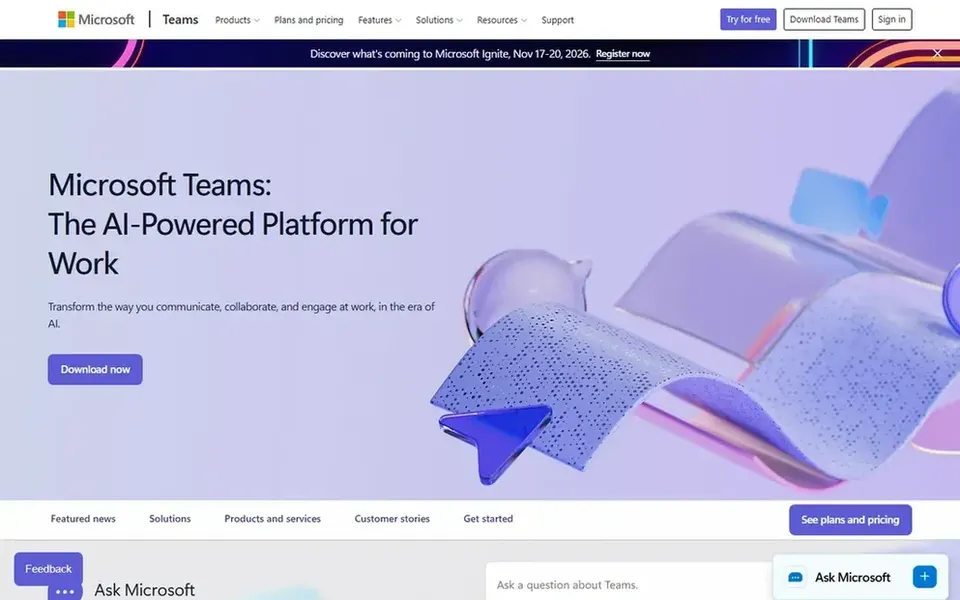
Microsoft Teams Webinars was built for clinics already using Microsoft 365. Microsoft Teams Webinars extends the Teams meeting environment into structured events, which suits clinics already standardized on Microsoft collaboration tools. More specifically, staff training, internal briefings and patient-facing sessions can run inside the same workspace where files and conversations already live.
That continuity helps clinics avoid introducing another login and another set of permissions for presenters and attendees. Some webinar capabilities also rely on how the organization configures Teams and its licensing. Also, compared to dedicated webinar systems, Teams offers fewer marketing and conversion features for example landing pages and sales supplies. Check the vendor site for Microsoft Teams Webinars pricing; none is listed in this comparison. Free access: Not stated.
Where it is weaker: Webinar features are less marketing-oriented.
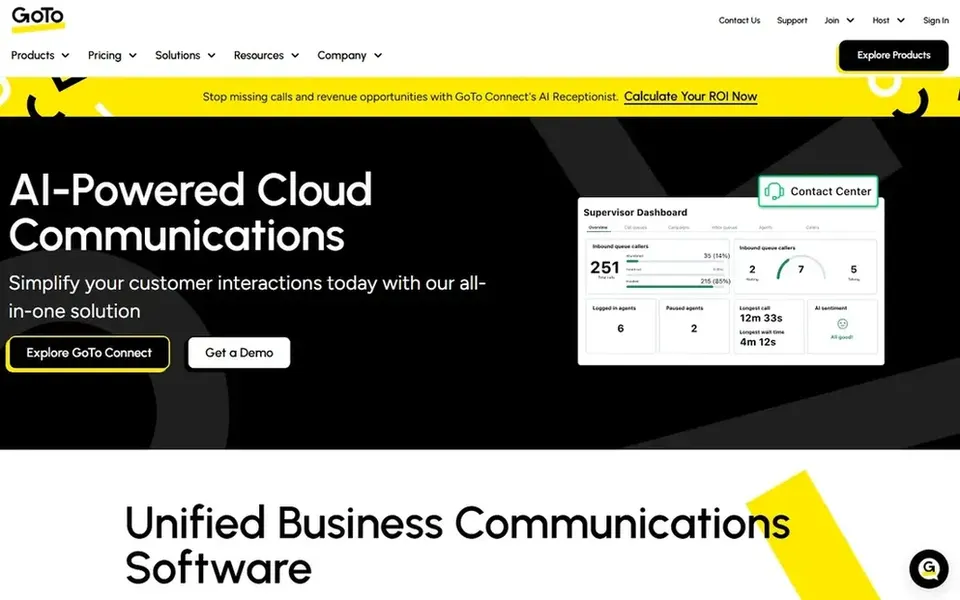
Where GoTo Webinar fits: established, structured event programs. GoTo Webinar is a dedicated webinar system designed for scheduled events with registration, presenter roles and audience engagement tools. Clinics running recurring patient education series or regular staff training may appreciate its structured event model and reporting.
Downsides: Interface can feel dated to new users.
The system has a long track record in the webinar category, which can make it a comfortable choice for organizations that want a purpose-built tool rather than a meeting product adapted for events. As for the details, some users find the interface less modern than newer entrants, and certain features sit in higher levels. It is less suited to clinics that chiefly need fast internal meetings. This comparison lists no price for GoTo Webinar; ask the vendor. Free options: Free trial.
Best for: Marketing-led patient education campaigns
Livestorm is a good fit for marketing-led patient education campaigns. The marketing feature set can be more than a small clinic needs, and CRM syncing needs configuration.
Watch-outs: Advanced automation relies on setup.
Clinics focused purely on internal training may find more straightforward tools sufficient. On cost, Livestorm starts like this: €2.50 per attendee. On free options: Not stated.
Zoho Webinar works best for clinics within the Zoho ecosystem. Zoho Webinar is a webinar and video conferencing system for planning, hosting and managing events, positioned to help organizations expand reach through virtual conferences. It includes the core needs of scheduling, hosting and managing sessions, which fits teams that want a straightforward tool instead of a sprawling event suite.
What users get: hosting and management in one tool.
Its advantages are most solid for organizations already invested in Zoho tools; standalone users may see less benefit. Marketing automation is lighter than in conversion-focused products. Pick Zoho Webinar when ecosystem fit and straightforward event management matter most. This comparison lists no price for Zoho Webinar; ask the vendor. Trial and free access: Free trial.
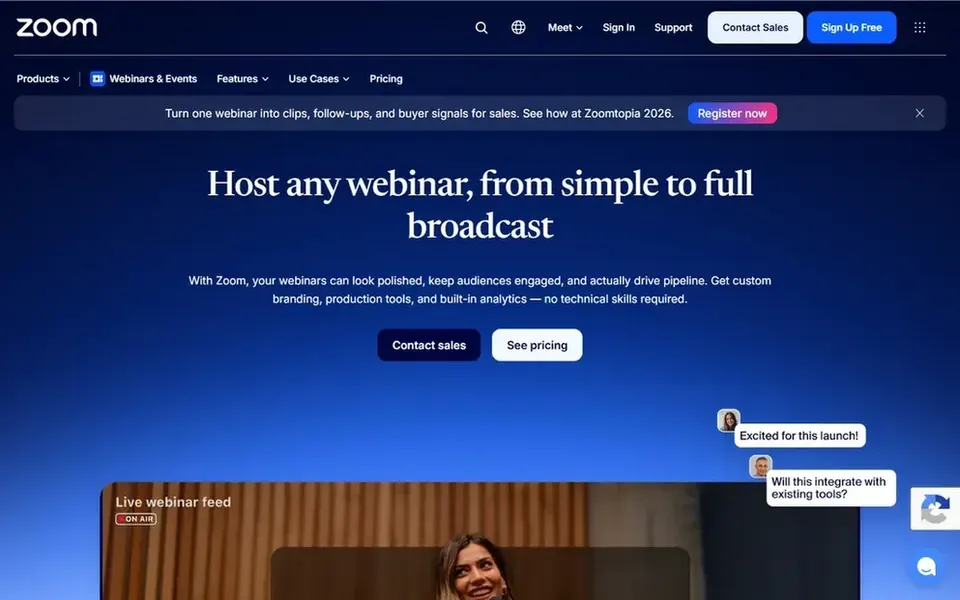
In short, Zoom Webinars is for steady hosting for clinic events. Zoom Webinars is a dedicated broadcast-style layer on top of the widely used Zoom meeting experience, built for professional virtual events. Choose Zoom when reliability and familiarity matter more than specialized engagement analytics.
From a buyer's view, clinics needing deep CRM syncing or marketing automation may prefer a marketing-focused product. Staff who already know Zoom meetings can normally adapt rapidly, which cuts training time before a session. As for the details, the system is built around events instead of clinical workflows, so it does not run patient records or consent on its own. Pricing for Zoom Webinars is not stated here, so ask the vendor for current figures. Free options: Not stated.
Where it falls short: Attendee management is entry-level for large programs.
Ask Microsoft Teams Webinars, GoTo Webinar, Zoho Webinar and Zoom Webinars for a written quote, since no starting price is shown.
Use real work to test the free trial from GoTo Webinar and Zoho Webinar, rather than a demo project.
Before choosing Microsoft Teams Webinars, weigh its main limit: Webinar features are less marketing-oriented.
Find out whether the entry plan of Livestorm covers your must-haves or only a trimmed-down version.
Price Zoom Webinars for your actual team size; headline prices rarely include add-ons or overage.
How we picked
For each of the 5 tools we noted price, free plan or trial, fit for webinar software for medical clinics and the main limit, using vendor pages and documentation. Prices and plan limits come from vendor pages and can change, so confirm them on the vendor site before you buy. The order reflects how well each tool fits the most common buying scenario for webinar software for medical clinics, then price clarity, then free plan access. It is a starting point, not a verdict.
Every price and plan detail on this page comes from the vendors’ own websites. We did not run hands-on tests unless the text says so, and we do not publish star ratings or review scores. See how we score and our disclosure.
Keep your shortlist in one place
Paste prices, trial dates and notes from this guide into Ainotely, our AI note app. It files them into a topic and pulls out tasks like “cancel trial by Friday”. Free 7-day trial, no card needed.
How are the tools for webinar software for medical clinics ordered?
The order follows typical fit for webinar software for medical clinics, with Microsoft Teams Webinars first and Zoom Webinars last, then price clarity and free access. It is editorial judgement, not a score, so another team could rank the tools differently.
Can we use Microsoft Teams for clinic webinars?
It fits clinics already using Microsoft collaboration tools, though marketing features are lighter than dedicated webinar platforms. Check organizational permissions before scheduling.
What should a clinic check before choosing a webinar system?
Focus on attendee capacity, registration and consent handling, recording controls and integration with existing systems. Also review presenter roles and how data is stored. These practical checks matter more than long feature lists for most clinics.
Do these tools publish their prices?
Not all of them. Microsoft Teams Webinars, GoTo Webinar, Zoho Webinar and Zoom Webinars publish no starting price, so expect a quote request for those. The rest, Livestorm included, show a starting price, though seats and billing terms still change the final cost.
Can I try these tools before paying?
Often, yes. GoTo Webinar and Zoho Webinar offer a free trial. Use your own data and a real task during the test, and check what the free tier or trial limits before you rely on it.
Is Microsoft Teams Webinars the right pick for everyone comparing webinar software for medical clinics?
No single tool suits every team. Microsoft Teams Webinars comes first because it fits clinics already using Microsoft 365, while GoTo Webinar suits established, structured event programs and Livestorm suits marketing-led patient education campaigns. Match the tool to your own size, budget and workflow before deciding.