Best Zero Trust Device Management Platform in 2026: 7 Compared

- 1
 CrowdStrike Falconendpoint protection with zero trust checksVisit
- 2
 Zscalerzero trust access for devices and usersVisit
- 3
 Cloudflare Accesszero trust access to apps and devicesVisit
- 4
 Palo Alto Networks Prisma Accesszero trust network securityVisit
- 5
 Oktaidentity and device aware accessVisit
- Our pick for most readers is CrowdStrike Falcon, because it fits endpoint protection with zero trust checks and covers the core needs for best zero-trust device management platform without unnecessary complexity.
- Zscaler is the strongest alternative when zero trust access for devices and users matters more than a single all purpose tool, and it is worth comparing side by side with CrowdStrike Falcon.
- Pricing varies widely across this list, so check the official pricing page before you commit, and treat any figure marked See website as quote based or usage based.
- Cloudflare Access suits readers who prioritise zero trust access to apps and devices, which shows why the best choice depends on your team size, budget, and existing tools rather than a single ranking.
Quick comparison
| Product | Ideal for | Price from | Free version | |
|---|---|---|---|---|
| CrowdStrike Falcon | endpoint protection with zero trust checks | See website | See website | Visit |
| Zscaler | zero trust access for devices and users | See website | See website | Visit |
| Cloudflare Access | zero trust access to apps and devices | See website | See website | Visit |
| Palo Alto Networks Prisma Access | zero trust network security | See website | See website | Visit |
| Okta | identity and device aware access | See website | See website | Visit |
 Jamf | managing Apple devices securely | See website | See website | Visit |
 Microsoft Intune | managing Windows and mobile devices | See website | See website | Visit |
The best zero-trust device management platform
We compared official feature pages, pricing pages, app store listings where relevant, privacy policies, and public reviews to build this list for best zero-trust device management platform. The seven options below cover well known leaders and smaller options that fit the topic well, and each one is still available in October 2026 as far as its official site shows. Read the strengths and the honest limits together, because the right choice usually depends on budget, team size, and tools you already use.
CrowdStrike Falcon
Ideal for: endpoint protection with zero trust checks
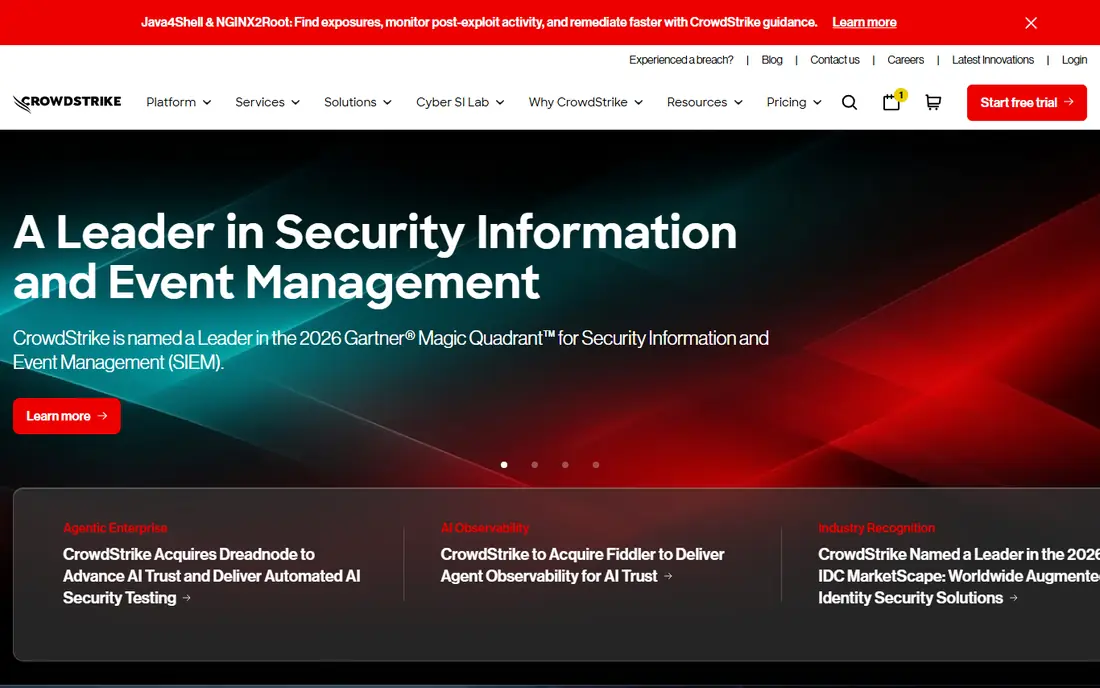
CrowdStrike Falcon is our pick for endpoint protection with zero trust checks. Its main strengths are endpoint detection, device posture checks, threat insight. For most teams, that balance is the reason it earns a place on this list, even though it is not perfect for every buyer. When we compared official feature pages, pricing, and public reviews, CrowdStrike Falcon stood out for readers who need endpoint protection with zero trust checks and want a tool that covers that need directly, rather than a general platform that only touches it lightly.
The honest limits are enterprise pricing, setup needs security expertise. That does not rule CrowdStrike Falcon out, but it does mean you should weigh those limits against your own priorities before you buy. Ask for a demo or trial that uses your own workflow, and pay attention to support response times as well as the feature list. If those limits are acceptable for your situation, CrowdStrike Falcon is a solid choice for best zero-trust device management platform, and our pick remains the option that best matches your budget and workflow.
- Endpoint detection
- Device posture checks
- Threat insight
- Enterprise pricing
- Setup needs security expertise
Zscaler
Ideal for: zero trust access for devices and users

Zscaler is our pick for zero trust access for devices and users. Its main strengths are zero trust network access, cloud security, device checks. That focus also makes it easier to explain to colleagues, because the core value is clear from the first week of use. When we compared official feature pages, pricing, and public reviews, Zscaler stood out for readers who need zero trust access for devices and users and want a tool that covers that need directly, rather than a general platform that only touches it lightly.
The honest limits are enterprise pricing, policy setup takes care. That does not rule Zscaler out, but it does mean you should weigh those limits against your own priorities before you buy. Check the pricing page and the terms for your team size, because costs can change quickly once you add users or volume. If those limits are acceptable for your situation, Zscaler is a solid choice for best zero-trust device management platform, and our pick remains the option that best matches your budget and workflow.
- Zero trust network access
- Cloud security
- Device checks
- Enterprise pricing
- Policy setup takes care
Cloudflare Access
Ideal for: zero trust access to apps and devices

Cloudflare Access is our pick for zero trust access to apps and devices. Its main strengths are zero trust access, device posture checks, broad network. We found that clarity useful, because many competing tools bury their main strength under a long list of extra features. When we compared official feature pages, pricing, and public reviews, Cloudflare Access stood out for readers who need zero trust access to apps and devices and want a tool that covers that need directly, rather than a general platform that only touches it lightly.
The honest limits are advanced policies need paid plans, setup needs planning. That does not rule Cloudflare Access out, but it does mean you should weigh those limits against your own priorities before you buy. Before you commit, run a short trial with a real example from your own work, and check how it fits your current tools and budget. If those limits are acceptable for your situation, Cloudflare Access is a solid choice for best zero-trust device management platform, and our pick remains the option that best matches your budget and workflow.
- Zero trust access
- Device posture checks
- Broad network
- Advanced policies need paid plans
- Setup needs planning
Palo Alto Networks Prisma Access
Ideal for: zero trust network security
Palo Alto Networks Prisma Access is our pick for zero trust network security. Its main strengths are network security, zero trust access, threat prevention. In practice, that means it handles the day to day work for zero trust network security without forcing you into a much larger system than you need. When we compared official feature pages, pricing, and public reviews, Palo Alto Networks Prisma Access stood out for readers who need zero trust network security and want a tool that covers that need directly, rather than a general platform that only touches it lightly.
The honest limits are enterprise pricing, deployment can be complex. That does not rule Palo Alto Networks Prisma Access out, but it does mean you should weigh those limits against your own priorities before you buy. A short trial with your own data will tell you more than any feature list, so test the parts you will actually use every week. If those limits are acceptable for your situation, Palo Alto Networks Prisma Access is a solid choice for best zero-trust device management platform, and our pick remains the option that best matches your budget and workflow.
- Network security
- Zero trust access
- Threat prevention
- Enterprise pricing
- Deployment can be complex
Okta
Ideal for: identity and device aware access
Okta is our pick for identity and device aware access. Its main strengths are identity management, device signals, app integrations. For most teams, that balance is the reason it earns a place on this list, even though it is not perfect for every buyer. When we compared official feature pages, pricing, and public reviews, Okta stood out for readers who need identity and device aware access and want a tool that covers that need directly, rather than a general platform that only touches it lightly.
The honest limits are pricing rises with features, admin setup needs care. That does not rule Okta out, but it does mean you should weigh those limits against your own priorities before you buy. Ask for a demo or trial that uses your own workflow, and pay attention to support response times as well as the feature list. If those limits are acceptable for your situation, Okta is a solid choice for best zero-trust device management platform, and our pick remains the option that best matches your budget and workflow.
- Identity management
- Device signals
- App integrations
- Pricing rises with features
- Admin setup needs care
Jamf
Ideal for: managing Apple devices securely
Jamf is our pick for managing Apple devices securely. Its main strengths are apple device management, policy enforcement, app deployment. That focus also makes it easier to explain to colleagues, because the core value is clear from the first week of use. When we compared official feature pages, pricing, and public reviews, Jamf stood out for readers who need managing Apple devices securely and want a tool that covers that need directly, rather than a general platform that only touches it lightly.
The honest limits are apple focused only, pricing is per device. That does not rule Jamf out, but it does mean you should weigh those limits against your own priorities before you buy. Check the pricing page and the terms for your team size, because costs can change quickly once you add users or volume. If those limits are acceptable for your situation, Jamf is a solid choice for best zero-trust device management platform, and our pick remains the option that best matches your budget and workflow.
- Apple device management
- Policy enforcement
- App deployment
- Apple focused only
- Pricing is per device
Microsoft Intune
Ideal for: managing Windows and mobile devices
Microsoft Intune is our pick for managing Windows and mobile devices. Its main strengths are device management, policy enforcement, microsoft 365 links. We found that clarity useful, because many competing tools bury their main strength under a long list of extra features. When we compared official feature pages, pricing, and public reviews, Microsoft Intune stood out for readers who need managing Windows and mobile devices and want a tool that covers that need directly, rather than a general platform that only touches it lightly.
The honest limits are full value needs microsoft licensing, policy setup takes time. That does not rule Microsoft Intune out, but it does mean you should weigh those limits against your own priorities before you buy. Before you commit, run a short trial with a real example from your own work, and check how it fits your current tools and budget. If those limits are acceptable for your situation, Microsoft Intune is a solid choice for best zero-trust device management platform, and our pick remains the option that best matches your budget and workflow.
- Device management
- Policy enforcement
- Microsoft 365 links
- Full value needs Microsoft licensing
- Policy setup takes time
How we picked these
We started with the topic itself, best zero-trust device management platform, and kept only products that truly fit it and are available in October 2026. We checked each product's official homepage to confirm it loads and belongs to that product, and we read official feature and pricing pages, app store listings where relevant, privacy policies, and public reviews. We did not claim hands-on testing that did not happen, and we did not invent prices, awards, user counts, ratings, or features. Where a price could not be verified from the vendor, we wrote See website instead of guessing.
We favoured a mix of well known leaders and strong smaller options, and we gave weight to clear pricing, honest limits, and a fit for ordinary US consumers and small business owners. Products that did not fit the topic, or that we could not verify, were left out rather than used as filler.
How to choose the right option for you
Start by writing down the one job you need this tool to do for best zero-trust device management platform, and ignore features you will not use in the first three months. A tool that does your main job well is usually better value than a larger platform with a long feature list you never open. Next, check total cost, not just the starting price, because user seats, usage, add ons, and support tiers can change the bill. Ask for the current pricing page in writing if you are buying for a team.
Then test fit with your existing tools. Check integrations, import and export options, and how long onboarding takes for your team. If a tool needs a long setup or specialist help, factor that time into your decision. Finally, read the privacy and security pages, especially for tools that handle personal, financial, or student data, and confirm who can see your data and how you can export or delete it.
Frequently asked questions
What is the best option for best zero-trust device management platform?
Our pick for most readers is CrowdStrike Falcon, because it fits endpoint protection with zero trust checks and covers the core needs well. The best choice still depends on your budget, team size, and existing tools, so compare CrowdStrike Falcon with Zscaler before you decide.
Is there a free option for best zero-trust device management platform?
Some options on this list offer a free tier or a free trial, while others are quote based, so check the free plan column in the comparison table and the official pricing page. A free tier is a good way to test fit, but check its limits before you rely on it for daily work.
How much does best zero-trust device management platform usually cost?
Costs vary widely, from free tiers to quote based enterprise pricing, which is why several entries here say See website. Ask for a quote based on your team size and usage, and check whether add ons, seats, or volume change the total.
How do I choose between these options?
List your must have features, your budget, and the tools you already use, then trial the top two or three options with a real example from your work. Pay attention to onboarding time, support quality, and how easily you can export your data if you leave.
Can I switch later if I pick the wrong one?
In most cases yes, but switching takes time, especially if you have a lot of data or integrations to move. Before you commit, check export options, contract length, and cancellation terms, and keep a backup of your data.