Best Bmc Alternatives in 2026: 8 Products Compared

- 1
 ServiceNowEnterprise service platformVisit
- 2
 Jira Service ManagementAtlassian ITSM choiceVisit
- 3
 FreshserviceFriendly ITSM for mid-size teamsVisit
- 4
 ManageEngine ServiceDesk PlusValue ITSM suiteVisit
- 5
 Ivanti NeuronsEnterprise IT managementVisit
- ServiceNow is our pick for most people, thanks to its balance of features, documentation, and price.
- Jira Service Management is a strong second choice if you want a different strength, especially for atlassian itsm choice.
- If cost is the main concern, check the free options first, including Freshservice and any free tier listed in the table below.
- For larger teams or stricter requirements, ManageEngine ServiceDesk Plus and Ivanti Neurons are worth a closer look, since they cover scale and control in more depth.
- Always confirm current pricing on the vendor site before you buy, since plans and free tiers change during the year.
Quick comparison
| Product | Ideal for | Price from | Free version | |
|---|---|---|---|---|
| ServiceNow | Enterprise service platform | See website | No | Visit |
| Jira Service Management | Atlassian ITSM choice | See website | Free trial | Visit |
| Freshservice | Friendly ITSM for mid-size teams | See website | Free trial | Visit |
| ManageEngine ServiceDesk Plus | Value ITSM suite | See website | Free trial | Visit |
| Ivanti Neurons | Enterprise IT management | See website | No | Visit |
 SolarWinds Service Desk | Simple service desk | See website | Free trial | Visit |
 SysAid | All-in-one IT service tool | See website | Free trial | Visit |
 TOPdesk | European ITSM option | See website | Free trial | Visit |
The best bmc alternatives
We compared official feature pages, pricing pages, app store listings, privacy policies, and public reviews to build this list. The options below cover the well-known leaders and smaller tools that earned a place on merit, and each one works in October 2026. Read the short notes, then use the buying guide at the end to narrow the list to one or two finalists for a trial.
ServiceNow
Ideal for: Enterprise service platform
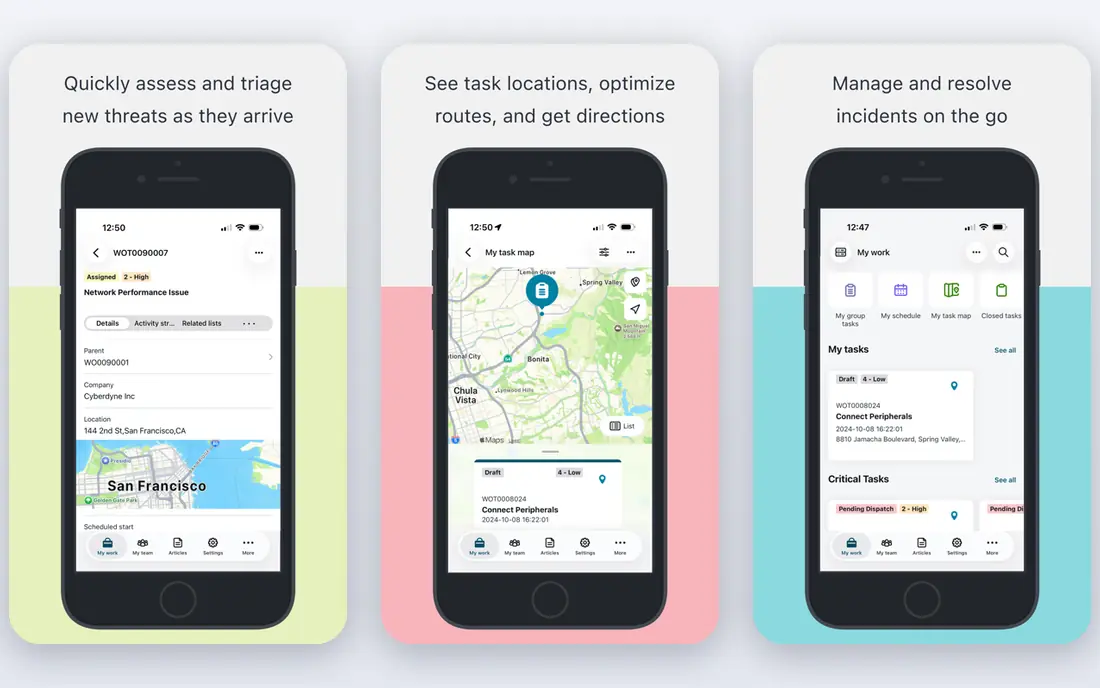
ServiceNow is the enterprise service platform, with deep ITSM, automation, and broad workflow coverage. Large companies use it to run IT, HR, and customer workflows in one place. Its scale is unmatched.
Pricing is enterprise level, and rollout is complex. Small teams will find it far more than they need.
- Huge platform
- ITSM depth
- Automation
- Enterprise pricing
- Complex rollout
Jira Service Management
Ideal for: Atlassian ITSM choice
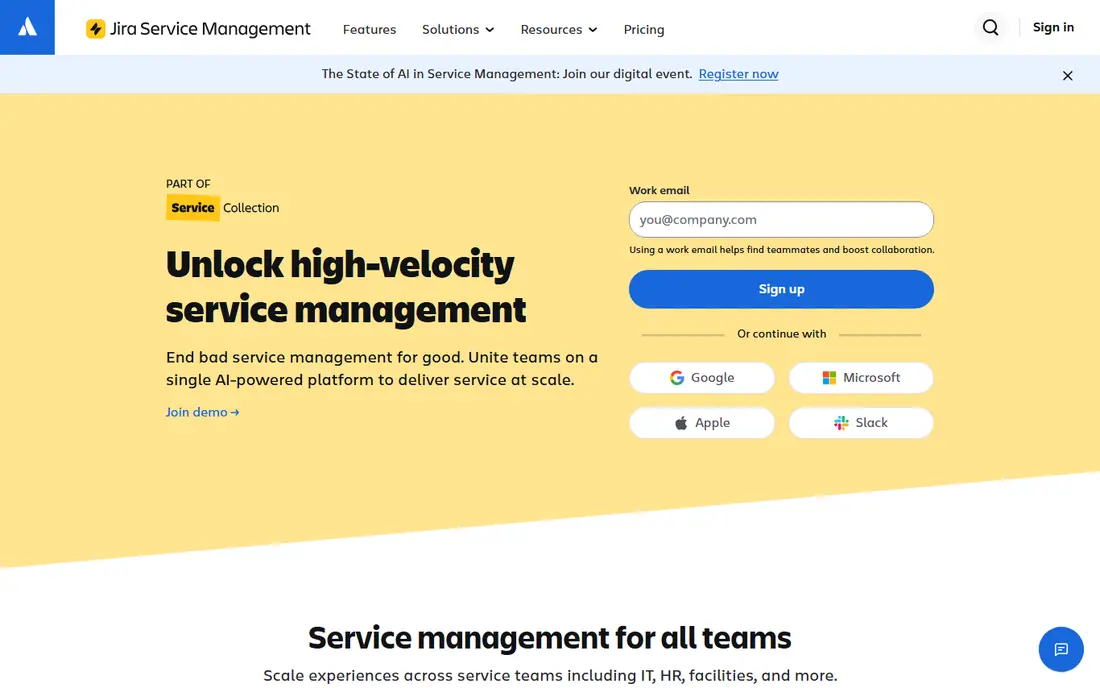
Jira Service Management brings ITSM to Atlassian shops, with incident tools, service requests, and Jira links. Teams already using Jira get a natural fit. Its pricing is fairer than enterprise giants.
Value is highest inside Atlassian, and setup takes time for complex workflows. Non-Atlassian teams may prefer a standalone tool.
- Jira links
- Incident tools
- Fair price
- Atlassian focus
- Setup time
Freshservice
Ideal for: Friendly ITSM for mid-size teams
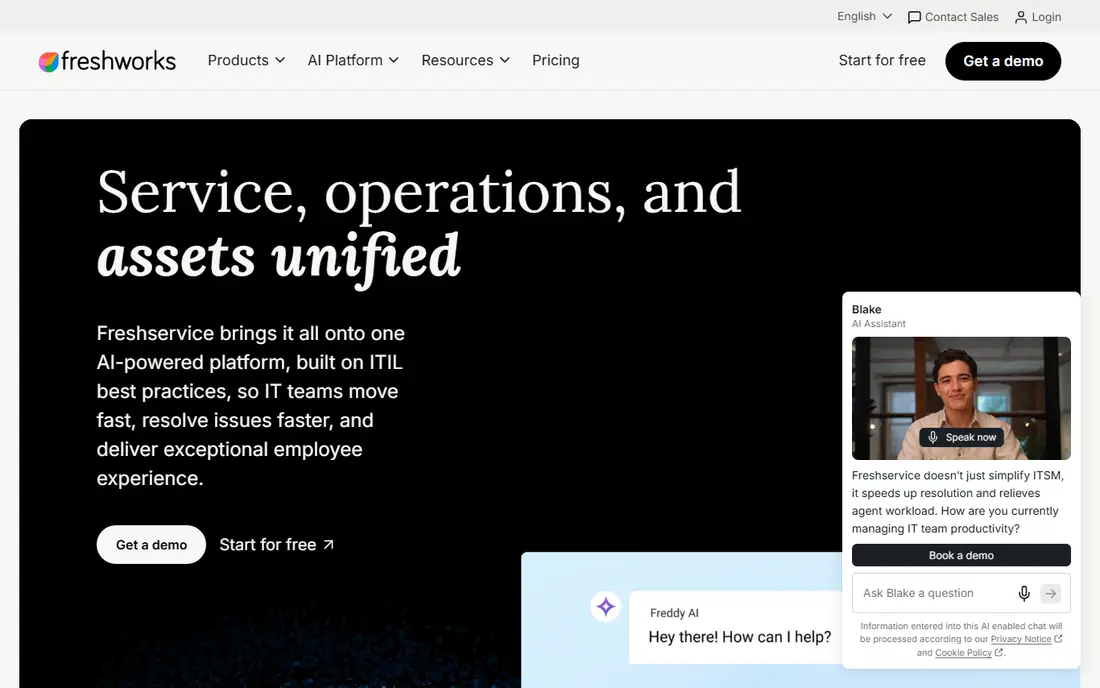
Freshservice offers friendly ITSM with easy setup, automation, and fair pricing for mid-size teams. Its interface is modern, and its features cover incidents, assets, and changes. Growing IT teams like its balance.
Advanced depth is less than enterprise platforms, and support can vary. Very large operations may need more.
- Easy setup
- Automation
- Fair price
- Advanced depth less
- Support varies
ManageEngine ServiceDesk Plus
Ideal for: Value ITSM suite
ManageEngine ServiceDesk Plus packs ITSM, asset management, and project tools at a fair price. IT teams on a budget get breadth without enterprise cost. Its features cover daily service work well.
The interface is busy, and new admins face a learning curve. It rewards time spent, but it is not the prettiest tool.
- Broad features
- Asset tools
- Fair price
- Interface busy
- Learning curve
Ivanti Neurons
Ideal for: Enterprise IT management
Ivanti Neurons combines ITSM with security and automation for enterprise IT. Companies managing devices and services together get a unified view. Its scale suits large estates.
Pricing is enterprise level, and setup is complex. Mid-size teams may find lighter tools faster.
- ITSM plus security
- Automation
- Scale
- Enterprise pricing
- Complex setup
SolarWinds Service Desk
Ideal for: Simple service desk
SolarWinds Service Desk offers simple ITSM with asset links and fair pricing. Small and mid-size IT teams get incidents and requests running quickly. Its simplicity is a draw.
Depth is smaller than enterprise suites, and buyers may want to check the brand's recent history. Judge it on a trial.
- Simple setup
- Asset links
- Fair price
- Smaller depth
- Brand history to check
SysAid
Ideal for: All-in-one IT service tool
SysAid bundles ITSM, asset management, and automation with AI features for IT teams. Its all-in-one design suits teams that want one tool for service work. Mid-size companies use it widely.
The interface has quirks, and pricing tiers need care. A trial with real tickets is the best test.
- ITSM plus assets
- Automation
- AI features
- Interface quirks
- Pricing tiers
TOPdesk
Ideal for: European ITSM option
TOPdesk is a European ITSM tool with strong service focus, knowledge base, and reporting. Its design centers on service delivery rather than ticket counting. Companies wanting a service-first tool will like it.
Its US presence is smaller, and pricing is by quote. American buyers should confirm support hours and references.
- Strong service focus
- Knowledge base
- Reporting
- Smaller US presence
- Pricing by quote
How we picked these
We started from the products that genuinely fit this topic and removed any that were discontinued, that did not serve US users, or that failed to match the core job. For each survivor, we checked the vendor official site for features and pricing, read app store listings where they exist, and looked at privacy policies and public reviews for known problems. We did not claim hands-on testing we did not do, and we left prices as See website wherever the vendor does not publish a clear figure.
Finally, we checked for known problems in public reviews and privacy policies, and we noted them where they matter, rather than hiding them. A product with a past privacy issue or a confusing renewal price still appears here if it is otherwise strong, but the write-up says so plainly, so you can weigh that risk yourself before you sign up.
We also weighed fit over fame. A famous product that only partly covers this topic lost out to a smaller tool that covers it well. That is why the list mixes leaders with strong smaller options, and why each write-up names one honest weakness alongside its strengths.
How to choose the right option for you
Start with the job, not the brand
Write down the one task you need done every week, then check which products do that task well without extra tools. ServiceNow covers the common case for most buyers, while SolarWinds Service Desk suits a narrower need. If a product needs three add-ons to do your core job, it is probably the wrong pick, however popular it is.
Check the true cost
Compare the plan you will actually use, not the headline price. Count seats, usage, and any add-ons, and check renewal pricing as well as the first-year price. Free tiers help for testing, but they often cap the exact feature you will need later, so read the limits before you commit a team to one.
Run a short trial with real work
Pick two finalists and run each on a real task for a week, not a demo script. Watch setup time, support replies, and how it handles your edge cases. Jira Service Management and Freshservice are good trial candidates for many buyers, since they show their strengths quickly. The product your team actually uses beats the one with the longest feature list.
Match the tool to your team size
A tool built for a thousand users can slow a team of five with setup, approvals, and training, while a tool built for solo users can break when a whole department adopts it. Check seat limits, permission controls, and admin features against your real headcount, not your hoped-for headcount. If you plan to grow, ask whether the next tier up keeps your data and settings intact, or forces a migration. The cheapest plan that fits today is often the right start, as long as the upgrade path is clear.
Check support, privacy, and exit options
Read the privacy policy for how your data is used, especially for tools that handle customer data, health data, or financial data. Check support hours and response channels too, since a cheap tool with slow support costs more in lost time than a pricier one with fast help. Finally, confirm you can export your data in a usable format. A tool that locks your work inside its own format makes switching painful later, and that exit cost should count in your decision just like the monthly price.
Frequently asked questions
What are bmc alternatives?
Bmc Alternatives are tools and services that do the same core job as the original, with different prices, features, and trade-offs. The list above covers the strongest options we found that work in October 2026, from well-known leaders to smaller tools worth a look.
Which of these bmc alternatives is best for most people?
For most buyers, ServiceNow is the safest starting point, thanks to its balance of features and price. If your main need is atlassian itsm choice, start with Jira Service Management instead, and run a trial before you commit.
Are there free bmc alternatives?
Yes, several options on this list offer a free tier or a free and open version, and the comparison table shows which ones. Free tiers usually cap usage or features, so check the limits against your real workload before you rely on one.
How much do bmc alternatives cost?
Prices range from free to enterprise quotes, and the table lists the starting price we could verify for each product. Where a vendor does not publish a clear price, we wrote See website, and you should ask for a quote based on your seats and usage.
What should I check before I pay for one of these bmc alternatives?
Check the plan limits, the renewal price, and the cancellation terms on the vendor site, and confirm the features you need are in the plan you will buy, not a higher tier. Read the privacy policy if the tool will hold customer or personal data, and test support with a real question during the trial. A short trial answers more than any sales page.
How hard is it to switch to a new option?
Switching effort depends on how much data and workflow you have built up. Export your data first, run the new tool alongside the old one for a short period, and move one team or project at a time. Most vendors on this list offer import tools or migration help.