Can you help me choose best cellular company in 2026: 7 Options Compared

- Coverage at your home, workplace, and commute matters more than national coverage maps.
- Smaller carriers on major networks often cost less for the same coverage.
- Unlimited plans usually slow speeds after a data threshold, so read the fine print.
- Phone financing, taxes, and fees can lift the bill well above the advertised price.
- Check trial or return policies before porting a number you rely on.
Quick comparison
| Product | Ideal for | Price from | Free version | |
|---|---|---|---|---|
 Verizon | widest reliable coverage | See website | No | Visit |
 AT&T | balanced coverage and bundles | See website | No | Visit |
 T-Mobile | fast 5G and competitive pricing | See website | No | Visit |
 US Mobile | flexible plans on major networks | See website | No | Visit |
 Mint Mobile | budget buyers who prepay | See website | No | Visit |
 Visible | simple unlimited on Verizon network | See website | No | Visit |
 Google Fi Wireless | travelers and flexible data users | See website | No | Visit |
The best cellular companies
Choosing a cellular company comes down to coverage where you live and work, the data you actually use, and the total monthly bill after fees. The big three networks own the infrastructure, while smaller carriers rent it and often charge less. We compared carriers on coverage, plan pricing, data policies, and perks. The seven options below cover major networks and value carriers, so most shoppers will find a fit here.
Verizon
Ideal for: widest reliable coverage
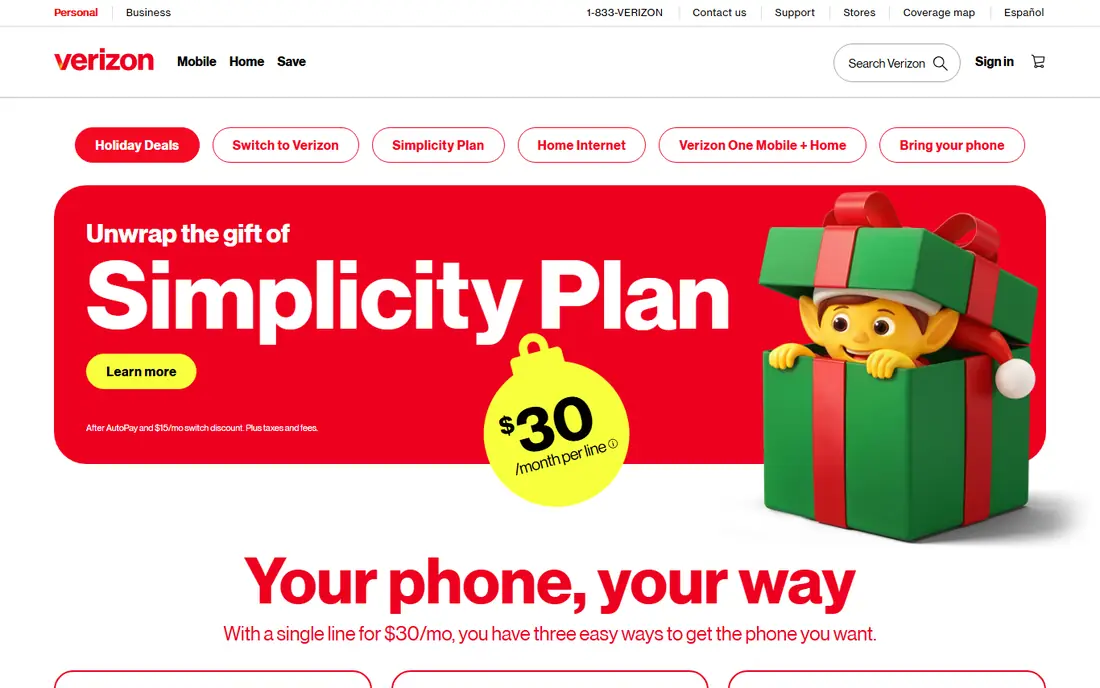
For buyers weighing the options, Verizon stands out for widest reliable coverage. Verizon suits buyers who rank coverage and reliability above the lowest price. Its network performs well in rural and urban areas alike.
The honest catch is this: premium pricing makes it the costly choice for budget shoppers. That matters most when budgets or timelines are tight, so weigh it against the strengths above. On pricing, the listing shows See website with a free option of No. If that trade-off works for you, Verizon is a sensible shortlist pick, and if it does not, the other options in this list cover the same need from a different angle. Before you commit, confirm the current price and terms on the official site, since plans change and the details that matter most are the ones in force on the day you buy.
- Broad coverage
- Strong network performance
- Extensive store network
- Premium pricing
- Unlimited plan fine print limits speeds after thresholds
AT&T
Ideal for: balanced coverage and bundles
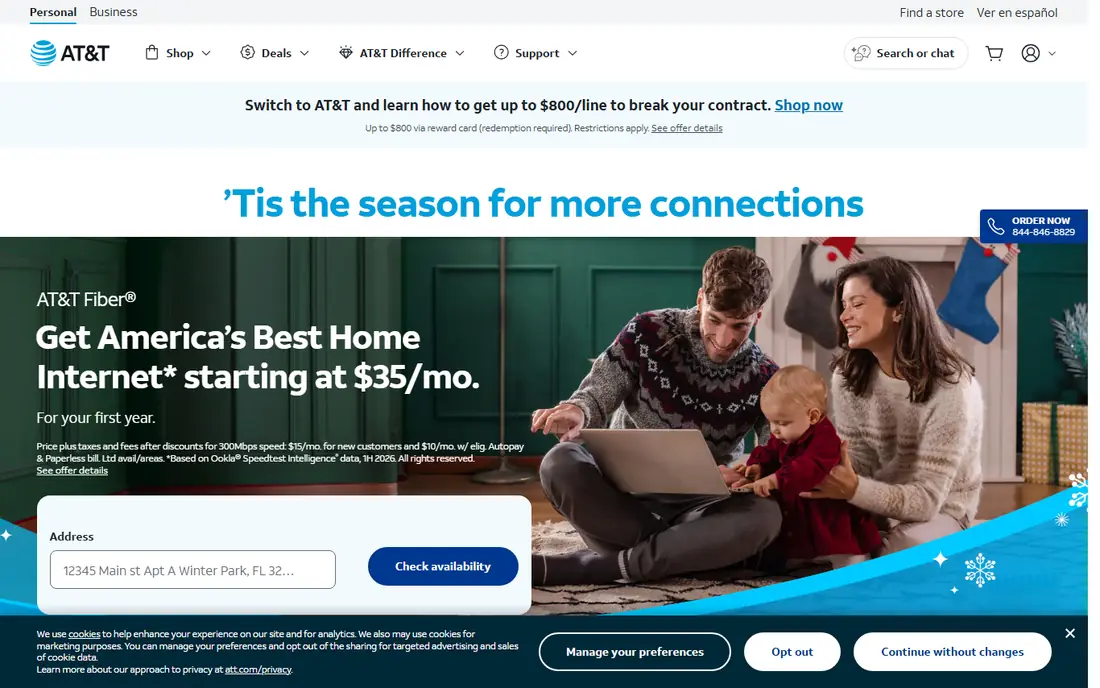
Our view of AT&T starts with its fit for balanced coverage and bundles. AT&T suits households that bundle wireless with internet or TV. Its coverage and phone deals appeal to families upgrading devices.
There is a trade-off to note: premium pricing and complex plans require careful comparison. Even so, the core fit for balanced coverage and bundles remains clear, and the price picture is See website with a free option of No. Readers who can live with that drawback will get solid value here, while readers who cannot should look at the next entries for a closer match. Before you commit, confirm the current price and terms on the official site, since plans change and the details that matter most are the ones in force on the day you buy.
- Strong national coverage
- Bundle options
- Good phone deals
- Pricing is premium
- Plan complexity confuses comparison
T-Mobile
Ideal for: fast 5G and competitive pricing
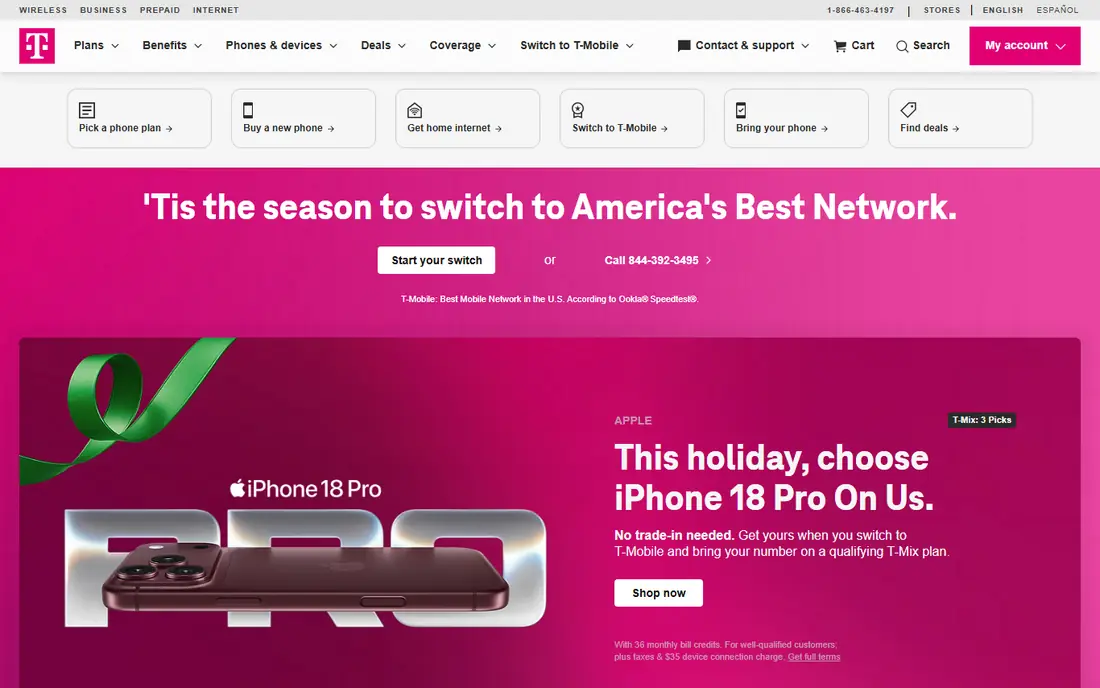
T-Mobile earns its place here mainly because it suits fast 5G and competitive pricing. T-Mobile suits buyers who want fast 5G without the highest bill. Its unlimited plans include perks that add value for many users.
No option is perfect, and here the limit is that rural coverage gaps remain in some regions. Set against a starting price of See website and a free option of No, that is a fair deal for many buyers but not for everyone. Put T-Mobile on your shortlist when fast 5G and competitive pricing matters more than that drawback, and move on when it does not. Before you commit, confirm the current price and terms on the official site, since plans change and the details that matter most are the ones in force on the day you buy.
- Strong 5G speeds
- Competitive unlimited pricing
- Perks included
- Rural coverage still trails Verizon in some areas
- Perks change over time
US Mobile
Ideal for: flexible plans on major networks
If flexible plans on major networks is the priority, US Mobile deserves a close look. US Mobile lets buyers pick a network and a data tier that fits real use. Its flexibility suits light and heavy users alike.
The drawback worth knowing is that support is smaller than major carriers, and device checks matter. With pricing listed as See website and a free option of No, the value case still holds for the right buyer. Our advice is simple: compare this one directly with two others in this list before deciding, since small differences in terms can change the total cost. Before you commit, confirm the current price and terms on the official site, since plans change and the details that matter most are the ones in force on the day you buy.
- Choice of networks
- Flexible data tiers
- Competitive pricing
- Smaller support team
- Phone compatibility checks needed
Mint Mobile
Ideal for: budget buyers who prepay
Mint Mobile is a strong match for budget buyers who prepay. Mint Mobile suits budget buyers happy to prepay for several months. Its low prices undercut major carriers for moderate data users.
Watch out for one thing: bulk prepayment locks money in, and help is online only. Beyond that, the offer is priced at See website with a free option of No, which keeps it competitive for budget buyers who prepay. It will suit buyers who accept that limit, and it will frustrate buyers who need more flexibility, so check the details before committing. Before you commit, confirm the current price and terms on the official site, since plans change and the details that matter most are the ones in force on the day you buy.
- Low prepaid pricing
- Runs on T-Mobile network
- Simple plans
- Requires bulk prepayment for best prices
- No stores for in-person help
Visible
Ideal for: simple unlimited on Verizon network
We include Visible for readers focused on simple unlimited on Verizon network. Visible suits single-line buyers who want unlimited data simply. Its plans run on the Verizon network without contract complexity.
The main weakness is that speeds can slow at congested times, and family plan options are limited. Pricing sits at See website with a free option of No, so the decision comes down to priorities. For simple unlimited on Verizon network, this remains a credible choice, but readers who rank flexibility first may prefer a different entry in this list. Before you commit, confirm the current price and terms on the official site, since plans change and the details that matter most are the ones in force on the day you buy.
- Simple unlimited plans
- Verizon network
- No stores or contracts
- Single-line focus
- Speeds can slow during congestion
Google Fi Wireless
Ideal for: travelers and flexible data users
Among the options we compared, Google Fi Wireless fits travelers and flexible data users well. Google Fi Wireless suits travelers and light data users who value flexibility. Its international roaming simplifies trips abroad.
One limitation stands out: full features work best on supported phones, and heavy users pay more. Given a starting price of See website and a free option of No, the overall package is still worth considering for travelers and flexible data users. Compare the terms side by side with at least one alternative, since the best choice often turns on a single detail. Before you commit, confirm the current price and terms on the official site, since plans change and the details that matter most are the ones in force on the day you buy.
- Flexible data billing
- International roaming
- Multi-network switching
- Best on Pixel and supported phones
- Pricing favors light data users
How we picked these
We compared official feature pages, pricing pages, app store listings, privacy policies, and public reviews for each option in this list. We kept only products that exist and work in October 2026 and that truly fit this topic, and we left out options that did not meet that bar even when they were well known. Where a price or free tier could not be confirmed on the vendor site, we wrote See website rather than guessing.
Our shortlist mixes established leaders with smaller options that serve a specific need well. That mix matters because the best-known name is not always the best fit for a given budget, team size, or use case. Use the comparison table to narrow the field, then read the full write-ups for the two or three options closest to your needs.
Choosing a cellular company
What to check before you decide
Start with fit, not fame. Write down the one job this purchase must do, the budget you can sustain, and any must-have feature. Then check pricing pages, contract length, and what happens if you cancel. A cheaper headline price can cost more once fees, add-ons, or renewal terms are added.
How to compare the shortlist
Pick three options from this list and compare them on the same points: total cost over a year, ease of setup, support quality, and limits on the plan you would actually buy. Read recent public reviews for patterns, not single complaints, and confirm any claim that matters to you on the vendor site before paying.
Mistakes that cost time and money
The most common mistake is buying for a feature you will never use while missing a limit you will hit every week. Another is skipping the terms on renewals, refunds, and data handling. Take an hour to test the free plan or trial where one exists, and keep notes so the final choice rests on evidence, not marketing.
Frequently asked questions
How do I choose the best can you help me choose best cellular company?
Start with the job you need done and the budget you can sustain, then compare three options on total cost, limits, and support. Free plans and trials help you test the fit before paying, and recent public reviews can reveal patterns worth checking on the vendor site.
Is there a free option for can you help me choose best cellular company?
Some options in this list offer a free plan or trial, and the comparison table shows which ones do. Free tiers usually carry limits, so check what is included before relying on one for daily use.
How much should I expect to pay?
Costs vary with the plan, the features you need, and any usage-based fees, so treat the starting prices in this list as a starting point. Always check the vendor pricing page for the full fee schedule and renewal terms before committing.
What should I check before signing up?
Confirm pricing, contract length, cancellation terms, and support options on the official site. For services that handle personal or financial details, also read the privacy policy and check how your data is stored and shared.
Can I switch later if my first choice does not work out?
In most cases yes, but switching costs time and sometimes money, especially if data must move or a contract is involved. Ask about export options and exit terms before you commit, and keep a backup of anything important.