Chicory AI Competitors and Alternatives in 2026: 8 Tools Compared

- 1
 Samsung FoodRecipe saving plus shoppable lists for home cooksVisit
- 2
 PaprikaRecipe manager with one-tap shopping listsVisit
- 3
 Instacart PlatformRetailers and brands wanting grocery commerceVisit
- 4
 MealimeMeal plans that become shopping listsVisit
- 5
 WhiskRecipe-to-cart technology for publishersVisit
- Chicory turns recipes into shoppable grocery lists for brands and publishers, so alternatives split into shoppable recipe platforms and recipe-to-list apps.
- Samsung Food and Paprika suit home cooks who want recipes turned into shopping lists, while Instacart Platform suits retailers and brands.
- Whisk, now part of Samsung Food, pioneered recipe-to-cart features that many rivals now copy.
- For brands, check retailer coverage and measurement: a shoppable button is only useful if it works at stores your customers actually use.
Quick comparison
| Product | Ideal for | Price from | Free version | |
|---|---|---|---|---|
| Samsung Food | Recipe saving plus shoppable lists for home cooks | Free | Yes | Visit |
| Paprika | Recipe manager with one-tap shopping lists | See website | Yes | Visit |
| Instacart Platform | Retailers and brands wanting grocery commerce | See website | No | Visit |
| Mealime | Meal plans that become shopping lists | Free | Yes | Visit |
| Whisk | Recipe-to-cart technology for publishers | See website | No | Visit |
 Kroger | Shoppable recipes inside a major grocer | Free | Yes | Visit |
 Walmart Grocery | Shoppable recipes and grocery delivery at scale | Free | Yes | Visit |
 Flavorish | AI recipe lists organized by aisle or recipe | See website | Yes | Visit |
The best Chicory AI competitors and alternatives
We compared official feature pages, pricing pages, app store listings, privacy policies and public reviews to build this list of 8 options for chicory ai competitors alternatives. Prices were checked in October 2026 and can change, so confirm the current price on the vendor site before you buy. Our pick for most people is the first option that fits your budget and workflow, not necessarily the most expensive tool on the list. Read the quick comparison first to narrow the field, then read the full write-ups for the two or three options that fit your needs best.
Samsung Food
Ideal for: Recipe saving plus shoppable lists for home cooks
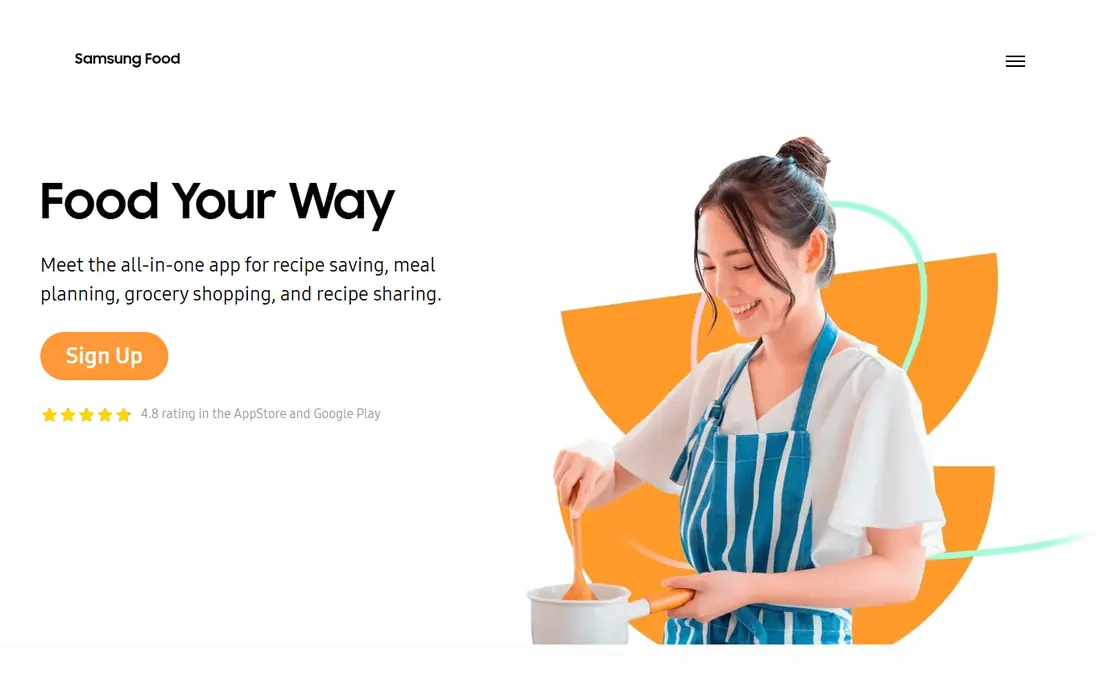
Samsung Food, which absorbed Whisk, lets users save recipes, plan meals and generate shopping lists, with cart features at supported retailers. That heritage makes it the closest consumer alternative to Chicory-style shoppable recipes. Meal planning and community recipes add depth.
Full features need a premium plan, and retailer coverage varies by region, so checkout options should be checked locally. The interface is also broad, covering many food features. For home cooks wanting shoppable recipes, Samsung Food is a top pick.
- Recipe import and meal planning
- Shopping lists
- Whisk recipe-to-cart heritage
- Full features need a premium plan
- Retailer coverage varies by region
- Interface is broad
Paprika
Ideal for: Recipe manager with one-tap shopping lists

Paprika is a no-frills recipe manager that imports recipes from the web, organizes them, and turns ingredients into shopping lists with a couple of taps. Users can even create a recipe for regular groceries to speed weekly lists. For cooks who value control over a recipe collection, Paprika is excellent.
It is a one-time purchase per platform, and there is no direct retailer checkout, so lists must be used in store or copied to a grocer app. The interface is also utilitarian. For recipe organization plus lists, Paprika is a durable pick.
- Recipe import and organization
- Shopping lists from recipes
- Cross-platform apps
- One-time purchase per platform
- No direct retailer checkout
- Interface is utilitarian
Instacart Platform
Ideal for: Retailers and brands wanting grocery commerce
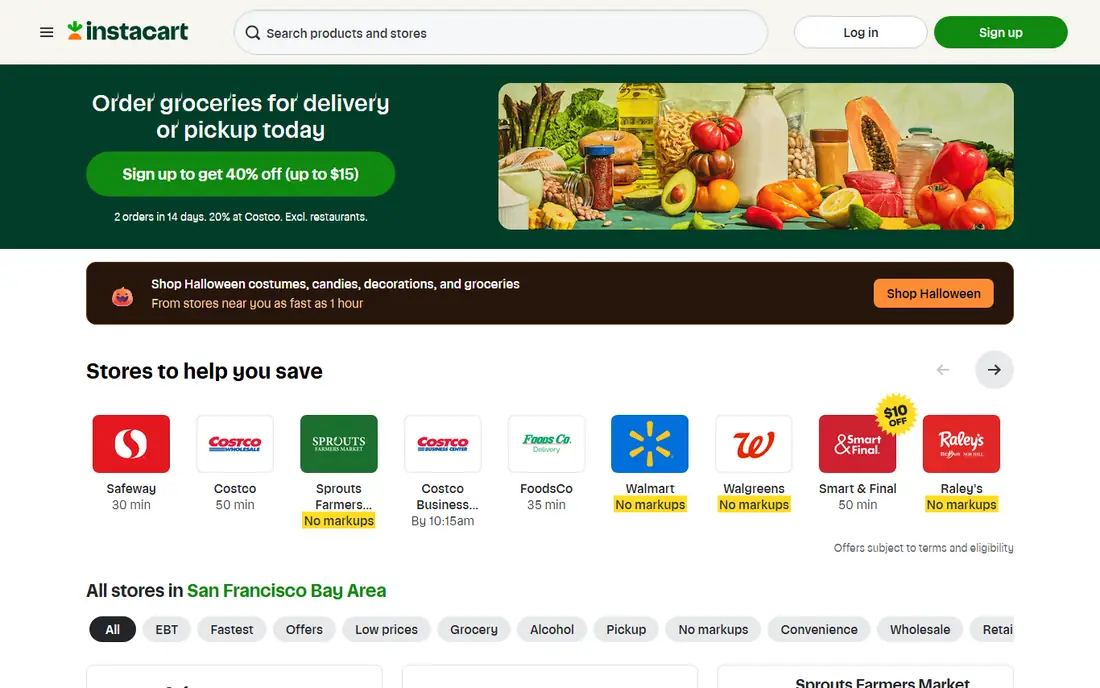
Instacart Platform powers grocery delivery, pickup and storefronts for retailers, and its integrations let brands and publishers link recipes and products to real carts. For businesses, that retailer scale is the point: customers can actually buy, not just view a list. The consumer app is widely used in the US.
Business pricing is custom, and coverage depends on which retailers partner in each area. Consumer and business products are also separate. For brands needing real grocery checkout at scale, Instacart Platform is a leading alternative.
- Grocery delivery and pickup infrastructure
- Retailer storefronts
- Shoppable integrations
- Business pricing is custom
- Consumer app is separate
- Coverage depends on retailer partnerships
Mealime
Ideal for: Meal plans that become shopping lists
Mealime builds personalized meal plans around diets, allergies and preferences, then turns each plan into a shopping list automatically. That suits busy cooks who want dinner decided and listed without browsing recipes. Dietary filters are strong, and the free tier covers core planning.
Full features need Pro, and the recipe library is focused on meal plans rather than general recipe saving. Retailer checkout is also limited in most regions. For plan-to-list cooking, Mealime is a practical pick.
- Personalized meal plans
- Automatic shopping lists
- Dietary filters
- Full features need Pro
- Recipe library is meal-plan focused
- No retailer checkout in most regions
Whisk
Ideal for: Recipe-to-cart technology for publishers
Whisk pioneered recipe-to-cart buttons for publishers, letting readers add ingredients to a cart at supported grocers. Its technology now lives inside Samsung Food, which continues the recipe and list features for consumers. For understanding the category, Whisk is the original reference.
As a standalone brand, Whisk now redirects to Samsung Food, and business terms for publishers are custom. Consumers should use Samsung Food directly. For publishers researching shoppable tech, Whisk history still explains the model.
- Recipe-to-cart buttons
- Shopping list generation
- Publisher integrations
- Now part of Samsung Food
- Business terms are custom
- Consumer app redirects to Samsung Food
Kroger
Ideal for: Shoppable recipes inside a major grocer
Kroger offers recipes with add-to-cart inside its own grocery app and site, so ingredients move straight to delivery or pickup. Loyalty, coupons and weekly deals sit beside recipes, which suits regular Kroger shoppers. For customers of Kroger banners, the path from recipe to cart is direct.
It is limited to Kroger banners, so shoppers at other grocers need another app. The recipe library is also grocer led rather than general. For Kroger customers, it is a simple shoppable recipe option.
- Recipes with add-to-cart
- Delivery and pickup
- Loyalty and coupons
- Limited to Kroger banners
- Recipe library is grocer led
- No cross-retailer cart
Walmart Grocery
Ideal for: Shoppable recipes and grocery delivery at scale
Walmart Grocery lets shoppers add recipe ingredients to delivery or pickup carts inside a broad grocery range. That scale suits families who already shop at Walmart and want recipes tied to one store. Delivery and pickup options cover many US areas.
Recipe depth lags dedicated food apps, and delivery fees and minimums apply in some areas. Personalization is also basic. For Walmart shoppers wanting simple shoppable recipes, it is a convenient pick.
- Recipes and meal ideas with add-to-cart
- Delivery and pickup
- Broad product range
- Recipe depth lags dedicated food apps
- Delivery fees and minimums apply
- Personalization is basic
Flavorish
Ideal for: AI recipe lists organized by aisle or recipe
Flavorish turns recipes into grocery lists organized by aisle or by recipe, with sharing and collaboration features. That organization helps in-store shopping, where aisle order matters more than recipe order. For cooks who shop from lists, the layout is thoughtful.
It is newer and smaller than Samsung Food or Paprika, and retailer checkout is limited. Pricing also needs checking on the vendor site. For list organization with AI recipe help, Flavorish is worth a trial.
- Recipe-to-list generation
- Aisle or recipe organization
- List sharing
- Newer and smaller than rivals
- Retailer checkout is limited
- Pricing needs checking
How we picked these
We started from the topic and shortlisted products that exist and work today, then checked each vendor homepage, pricing page and free tier. We compared feature pages, app store listings, privacy policies and public reviews, and we dropped any product whose homepage could not be verified or whose price could not be checked. Where a price was unclear or varied by region, we wrote See website rather than guessing a number. That rule kept the list honest, even where a neat price would have made the comparison table look tidier.
We also weighed fit over fame. A well-known product stayed on the list only if it truly fits the topic, and smaller tools earned a place when they served a clear use case better. No product here was tested hands-on for this article, and no vendor paid for placement.
Price and free-tier details matter most when plans change often, so we favoured products with clear published pricing and a trial or free tier where one exists. If a vendor changed a plan after our check, the vendor site is the correct source, and the ranking here still reflects fit, not just price. That check takes extra time, but it prevents a shortlist built on outdated pricing or a product that no longer exists.
Choosing a Chicory alternative by audience: brands or home cooks
Brands and publishers need retailer coverage, measurement and ad formats, so compare which grocers and delivery services each platform supports. Home cooks need recipe saving, list generation and store choice, so test importing a favorite recipe and sending its ingredients to a cart. The two audiences need different tools, even when the feature sounds the same.
Before you pay, run a trial on a real task from your own work, not a demo file. Check export formats, mobile access and support hours, because those details decide whether a tool survives daily use. Also check renewal terms and cancellation steps, since a cheap first year can become an expensive second year if renewal jumps. Finally, ask who will own setup and training, because a tool nobody is responsible for tends to fall out of use within a few months. Keep a short note on why you picked the winner, so a future review can judge it against the same criteria instead of starting from scratch.
A useful final test is to imagine the tool in six months, when the first excitement has faded and the work is routine. If the daily steps are still quick, the cost is still clear, and the support route is still obvious, the choice is likely sound. If any of those three answers is unclear, use the trial period to get a clear answer before committing to an annual plan.
Frequently asked questions
What does Chicory do?
Chicory is a shopper marketing platform that makes recipes shoppable, letting readers add recipe ingredients to an online grocery cart at participating retailers. Brands and publishers use it for contextual commerce and measurement.
What is the best Chicory alternative for home cooks?
Samsung Food and Paprika suit home cooks who want to save recipes and generate shopping lists. Mealime suits cooks who want meal plans that become lists automatically.
Can I turn any recipe into a grocery list?
Most recipe apps can import a recipe URL and generate a list, but cart checkout depends on retailer partnerships. Check which stores each app supports in your area.
Do shoppable recipe platforms cost money for readers?
Reader-facing recipe apps are usually free or freemium, while brand and publisher platforms are business products with custom pricing. Check the vendor site for business terms.