Best Code Climate Alternatives in 2026: 7 Tools Compared

- Our pick for most people is SonarQube, because it balances price, features and ease of use for the widest group of readers.
- Free plans and trials are real here, but the limits matter: check what Codacy and Codecov actually include before you commit.
- Prices in this guide come from vendor pricing pages and current comparisons checked in October 2026, and they can change, so confirm the plan on the vendor site before you buy.
- The best choice depends on your budget, your experience level and how much support you want, not on which brand is most famous.
Quick comparison
| Product | Ideal for | Price from | Free version | |
|---|---|---|---|---|
 SonarQube | Code quality and security scanning | Free | Yes | Visit |
 Codacy | Automated code review for teams | See website | Free trial | Visit |
 Codecov | Code coverage reporting | See website | Free trial | Visit |
 DeepSource | Automated code review with autofix | See website | Free trial | Visit |
 CodeScene | Code health and team analytics | See website | Free trial | Visit |
 Snyk Code | Security scanning for developers | See website | Free trial | Visit |
 Qodana | JetBrains users that want code inspection | See website | Free trial | Visit |
The best Code Climate Alternatives in 2026
We compared official feature pages, pricing pages, app store listings, privacy policies and public reviews to build this list for code climate alternatives. Every option below exists and works today, and each one earns its place for a different kind of reader.
SonarQube
Ideal for: Code quality and security scanning
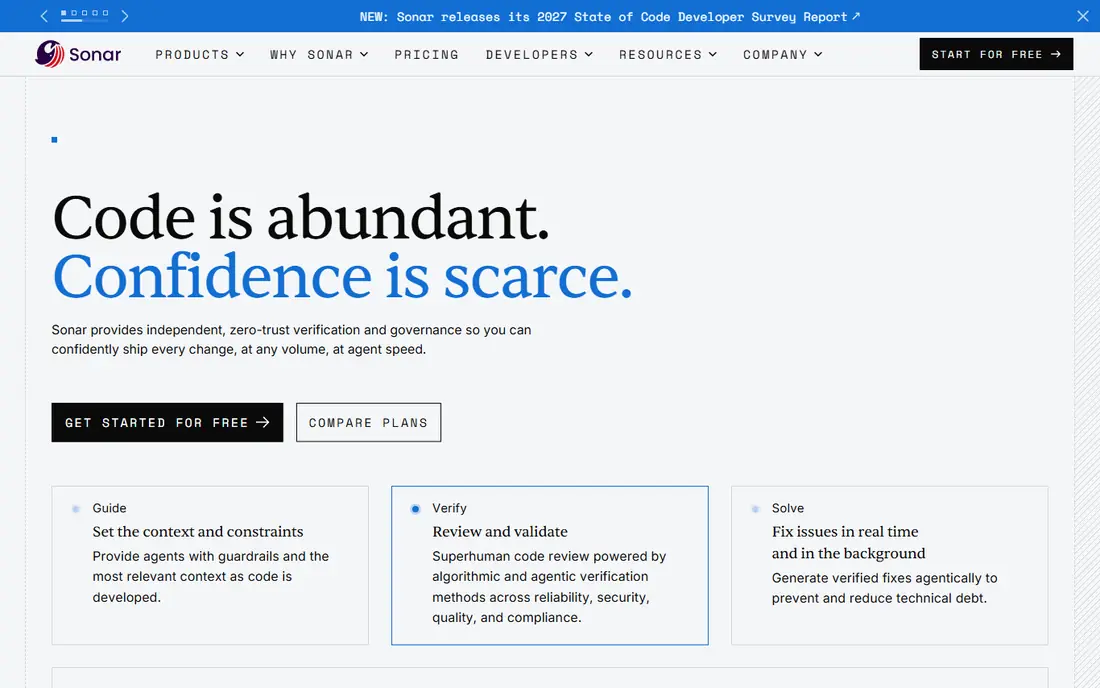
Here is the short version. SonarQube is the code quality standard, with quality gates that block bad code before it merges. It fits readers who want code quality and security scanning, and its published feature set matches that promise rather than trying to cover every possible use case at once. When we weighed it against the rest of this list, the balance of price, scope and support stood out for that group. The price picture is free, with a free plan status of yes. Self-hosting is work, so compare the cloud option against the team time it saves. Before you sign up, check the current plan limits on the official site, because caps on users, usage or features are where most buyers get surprised after the first month. Our honest view is that SonarQube is worth a trial if its best fit matches your situation, and worth skipping if it does not. Compare it directly with one other option from this list on the same task, and pick the one that feels simpler to use on the second day, not just the first.
- Open source option
- Quality gates
- Security rules
- Self-hosting needs skill
- Setup takes care
Codacy
Ideal for: Automated code review for teams
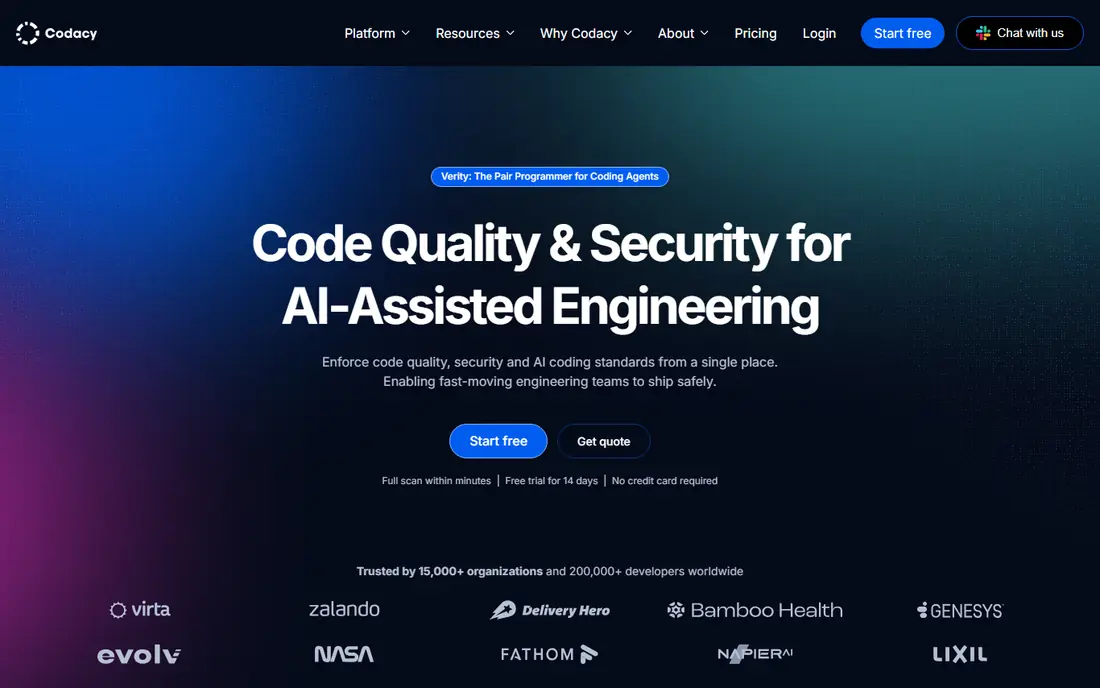
Start here if you want the safe default. Codacy suits teams that want automated review on pull requests without running their own servers. It fits readers who want automated code review for teams, and its published feature set matches that promise rather than trying to cover every possible use case at once. When we weighed it against the rest of this list, the balance of price, scope and support stood out for that group. The price picture is see website, with a free plan status of free trial. Rule tuning takes time at first, so budget a week to settle the configuration. Before you sign up, check the current plan limits on the official site, because caps on users, usage or features are where most buyers get surprised after the first month. Our honest view is that Codacy is worth a trial if its best fit matches your situation, and worth skipping if it does not. Compare it directly with one other option from this list on the same task, and pick the one that feels simpler to use on the second day, not just the first.
- Automated review
- Quality and coverage
- Pull request checks
- Pricing rises with repos
- Some rules need tuning
Codecov
Ideal for: Code coverage reporting
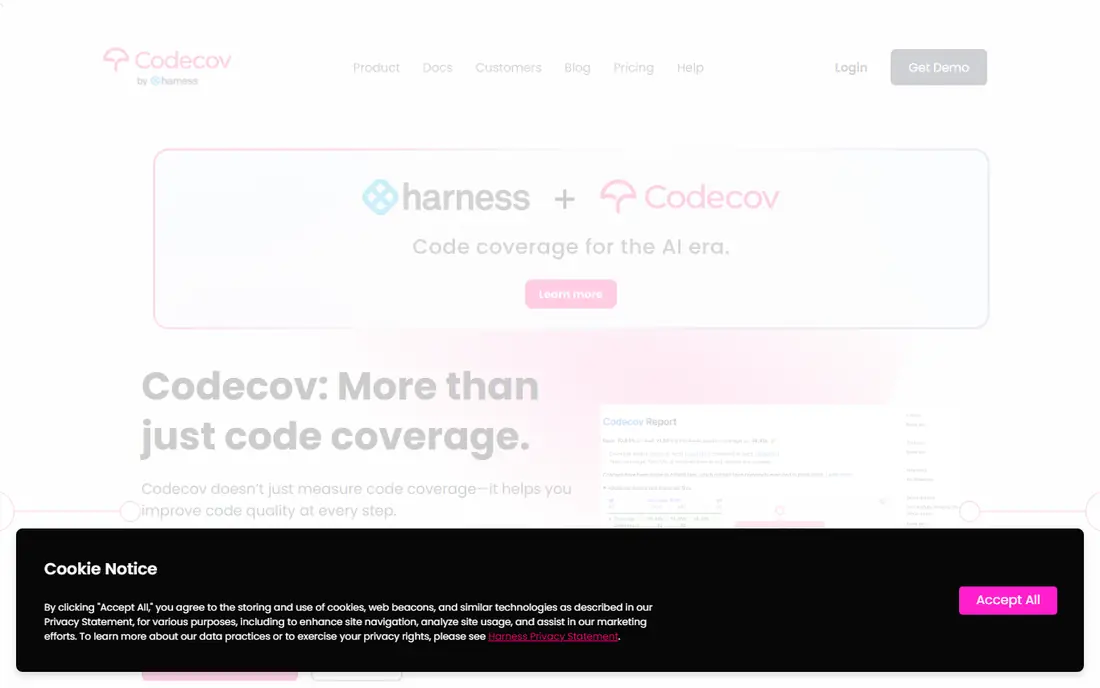
This one suits a specific kind of reader. Codecov is the coverage pick, showing exactly which lines your tests miss on every pull request. It fits readers who want code coverage reporting, and its published feature set matches that promise rather than trying to cover every possible use case at once. When we weighed it against the rest of this list, the balance of price, scope and support stood out for that group. The price picture is see website, with a free plan status of free trial. It is coverage, not quality, so pair it with a quality tool if you need both. Before you sign up, check the current plan limits on the official site, because caps on users, usage or features are where most buyers get surprised after the first month. Our honest view is that Codecov is worth a trial if its best fit matches your situation, and worth skipping if it does not. Compare it directly with one other option from this list on the same task, and pick the one that feels simpler to use on the second day, not just the first.
- Coverage reports
- Pull request comments
- Many CI integrations
- Coverage only, not full quality analysis
- Pricing rises with users
DeepSource
Ideal for: Automated code review with autofix
Consider this if the top picks do not fit. DeepSource suits teams that want review plus autofix, with suggestions that save manual cleanup. It fits readers who want automated code review with autofix, and its published feature set matches that promise rather than trying to cover every possible use case at once. When we weighed it against the rest of this list, the balance of price, scope and support stood out for that group. The price picture is see website, with a free plan status of free trial. Language coverage varies, so check your stack before you commit. Before you sign up, check the current plan limits on the official site, because caps on users, usage or features are where most buyers get surprised after the first month. Our honest view is that DeepSource is worth a trial if its best fit matches your situation, and worth skipping if it does not. Compare it directly with one other option from this list on the same task, and pick the one that feels simpler to use on the second day, not just the first.
- Autofix suggestions
- Many languages
- Pull request integration
- Smaller vendor
- Language coverage varies
CodeScene
Ideal for: Code health and team analytics
A strong option for a narrower need. CodeScene suits teams that want to see where code health and team risk concentrate. It fits readers who want code health and team analytics, and its published feature set matches that promise rather than trying to cover every possible use case at once. When we weighed it against the rest of this list, the balance of price, scope and support stood out for that group. The price picture is see website, with a free plan status of free trial. Pure review users may find its analytics focus different, so trial it on your riskiest codebase. Before you sign up, check the current plan limits on the official site, because caps on users, usage or features are where most buyers get surprised after the first month. Our honest view is that CodeScene is worth a trial if its best fit matches your situation, and worth skipping if it does not. Compare it directly with one other option from this list on the same task, and pick the one that feels simpler to use on the second day, not just the first.
- Code health scores
- Hotspot analysis
- Team insights
- Pricing is quote-based
- Analytics focus differs from pure review
Snyk Code
Ideal for: Security scanning for developers
Worth a close look before you decide. Snyk Code suits developer-led security, with scanning inside the workflow where code is written. It fits readers who want security scanning for developers, and its published feature set matches that promise rather than trying to cover every possible use case at once. When we weighed it against the rest of this list, the balance of price, scope and support stood out for that group. The price picture is see website, with a free plan status of free trial. Quality-only teams may want SonarQube alongside, since security is its strength. Before you sign up, check the current plan limits on the official site, because caps on users, usage or features are where most buyers get surprised after the first month. Our honest view is that Snyk Code is worth a trial if its best fit matches your situation, and worth skipping if it does not. Compare it directly with one other option from this list on the same task, and pick the one that feels simpler to use on the second day, not just the first.
- Security-focused code scanning
- Developer workflow
- Free tier
- Security focus
- Quality rules are thinner than SonarQube
Qodana
Ideal for: JetBrains users that want code inspection
This belongs on the shortlist for a reason. Qodana suits JetBrains shops, because its inspections match the IDE developers already use. It fits readers who want jetbrains users that want code inspection, and its published feature set matches that promise rather than trying to cover every possible use case at once. When we weighed it against the rest of this list, the balance of price, scope and support stood out for that group. The price picture is see website, with a free plan status of free trial. Teams outside JetBrains get less value, so check your IDE mix first. Before you sign up, check the current plan limits on the official site, because caps on users, usage or features are where most buyers get surprised after the first month. Our honest view is that Qodana is worth a trial if its best fit matches your situation, and worth skipping if it does not. Compare it directly with one other option from this list on the same task, and pick the one that feels simpler to use on the second day, not just the first.
- JetBrains inspections
- CI integration
- Quality gates
- Best inside JetBrains tooling
- Licensing needs care
How we picked these
We started from official feature pages and pricing pages, then checked app store listings, privacy policies and public reviews to confirm each product still works and still fits the topic. Products that could not be verified, or that only partly matched the topic, were left out, even when they were well known. We favoured a mix of established leaders and strong smaller options, and we weighted price transparency, a usable free tier or trial, and honest limits more heavily than marketing claims. No product on this list paid for its place, and our pick for most people is the one we would suggest to a friend with ordinary needs and an ordinary budget.
How to choose a code quality tool
Decide whether you need quality, coverage or security, because tools lead on different axes. Check language support for your stack, since a tool that misses your main language is useless. Test on a real pull request, and check how noisy the results are, because a tool that flags everything gets ignored. Compare pricing by developer and by repository, and confirm the CI integration works with your pipeline before you commit. Start with the job you need done this month, not the feature list that looks longest. A tool that covers your main task well and stays within budget will serve you better than a bigger platform you only half use. Check the limits that apply to your size, whether that means users, records, tests, or monthly volume, and ask the vendor to confirm anything that is not clear on the pricing page. Run a short trial with real work before you commit to a yearly plan. Invite the people who will use the tool every day, test the exact workflow you care about, and check support response times while you still have the option to walk away. If the trial feels like hard work, that is useful information, because the tool will not get easier once you have paid.
Frequently asked questions
What is the best option for code climate alternatives?
For most readers, SonarQube is the safest starting point, because it covers the core needs of this category at a clear price. Readers with a narrower need may prefer Codacy or Codecov, so match the pick to your situation rather than following the crowd.
Is there a free option for code climate alternatives?
Yes, several options on this list offer a free tier or a free trial, including DeepSource where the tier applies. Free tiers usually cap users, volume or features, so check the limits against your real usage before you rely on one.
How much do code climate alternatives cost?
Prices vary widely by vendor and by the size of your team or workload, and some vendors quote custom pricing, which is why several entries here say See website. Confirm the current price on the official pricing page, and compare the yearly total rather than the monthly headline.
Can I switch from code climate to one of these alternatives?
In most cases yes, though the effort depends on how much data, history and workflow you have built up in the old tool. Export your data first, test the import on a small set, and run both tools side by side for a short period before you cancel.
What should I check before I buy?
Check the plan limits, the contract length, the support hours and the data export options, and confirm whether the price includes every user or charges per seat. A short trial with your own work will tell you more than any sales page.