Ellucian Banner comes first here, mainly for wide campus technology with scheduling context. Listed starting prices: EMS Software from $58 per user a month. EMS Software is better for rooms, desks and events in one product, and Infosilem is better for academic and room scheduling in higher education. The other 2 tools in the list cover narrower or pricier cases.
Short on time? The summary and table above give the quick view of 5 tools for Coursedog, and the profiles that follow give the detail behind each entry.
Key takeaways
Top of the list is Ellucian Banner, which targets wide campus technology with scheduling context.
None of the 5 tools, from Ellucian Banner to Ad Astra, has a free plan, so budget for a subscription or use a trial.
Ad Astra is the one to check for AI-assisted academic scheduling in higher ed.
One limit worth knowing about Ellucian Banner: scheduling is one part of a bigger suite.
The cheapest monthly starting price in the list is $58 per user per month, offered by EMS Software.
Best for: Wide campus technology with scheduling context
Think of Ellucian Banner for wide campus technology with scheduling context. Ellucian Banner is part of a wide campus technology portfolio that positions itself around adaptable options for agility, engagement and better outcomes.
As part of a bigger suite, Banner may be more than a scheduling-focused team needs, and implementation scope can be significant. Institutions seeking a dedicated academic scheduler should compare Ad Astra or Infosilem, and confirm how scheduling functions work within Banner before deciding. Check the vendor site for Ellucian Banner pricing; none is listed in this comparison. Free plan details: Not stated.
What to check first: Scheduling is one part of a bigger suite.
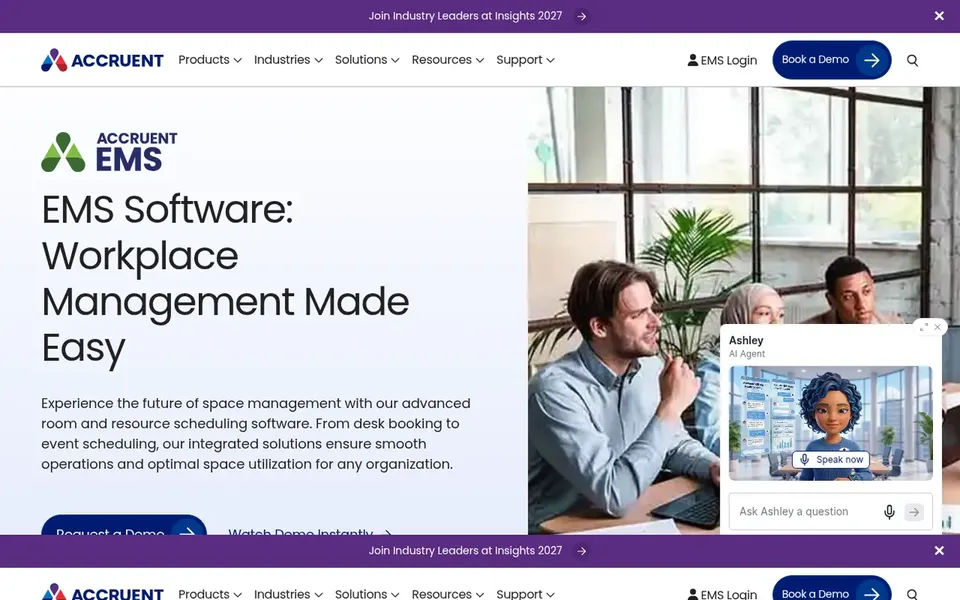
EMS Software makes the most sense for rooms, desks and events in one system. Its workplace management roots mean academic course scheduling may not be as deep as dedicated higher-ed tools.
On top of that, institutions whose priority is term-by-term course and curriculum planning should confirm academic scheduling capabilities, and those wanting a pure academic scheduler may prefer Ad Astra or Infosilem. EMS Software starts at: $58 per user per month. Free options: Free trial.
Downsides: Wide workplace focus may exceed pure academic needs.
Best for: Academic and room scheduling in higher education
Infosilem targets academic and room scheduling in higher education. Infosilem is known in higher education for academic and room scheduling, helping institutions plan course sections and allocate teaching space. It tends to fit colleges and universities that need structured scheduling support across numerous departments and buildings, especially where space is tight and course demand varies by term.
Where it falls short: Restricted public detail on the homepage excerpt.
Institutions that want event scheduling and workplace management in the same system may prefer a broader tool, whereas those centred on course and room planning will find the academic focus relevant. From a buyer's view, public detail on the current product set is restricted, so verify module coverage and integrations straight with the vendor. Check the vendor site for Infosilem pricing; none is listed in this comparison. Free options: Not stated.
Best for: Universities wanting scheduling from a broader vendor
CollegeNET works best for universities wanting scheduling from a broader vendor. The vendor fits universities that want scheduling from an established higher-ed technology provider and value conflict reduction and administrative efficiency across campus spaces.
CollegeNET does not show a starting price in this comparison, so check the vendor site for current pricing. As for free access: Not stated.
Drawbacks to consider: Product boundaries should be clarified.
Best for: AI-assisted academic scheduling in higher ed
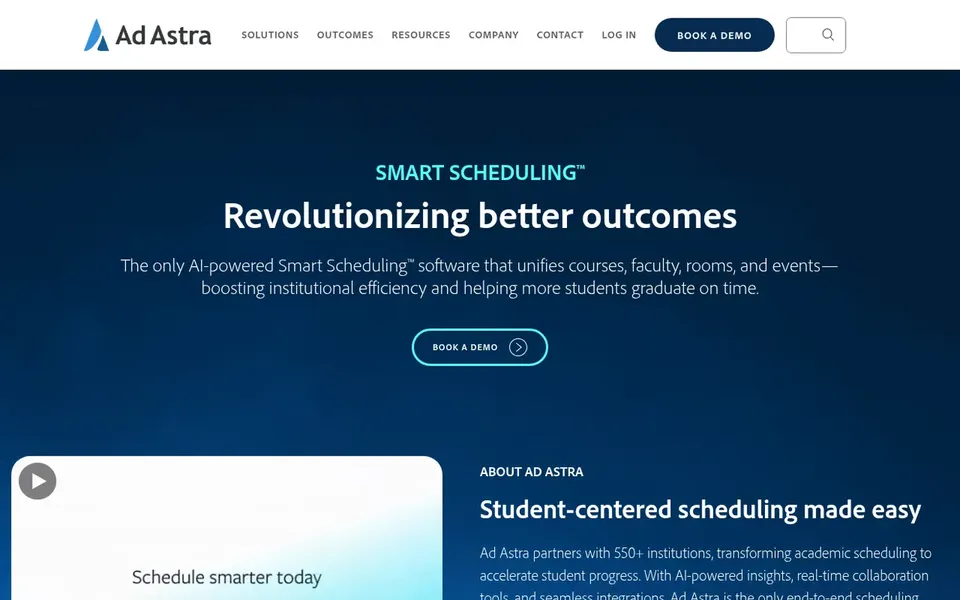
Ad Astra is designed for AI-assisted academic scheduling in higher ed. Ad Astra presents itself as Smart Scheduling software designed for higher education, using AI to align courses, rooms and events.
Strengths: Smart Scheduling for courses.
Watch-outs: May need integration with existing systems.
Since the product centers on scheduling, institutions seeking a single system for finance, records and scheduling may prefer a broader campus suite. In daily use, the stated goal is improved efficiency and higher student completion. Ad Astra shows no starting price here, so confirm the cost on the vendor site. Free options: Not stated.
Ask Ellucian Banner, Infosilem, CollegeNET and Ad Astra for a written quote, since no starting price is shown.
Take the trial from EMS Software and push a live task through it before you pay.
Before choosing Ellucian Banner, weigh its main limit: scheduling is one part of a bigger suite.
Add up seats, add-ons and usage charges for Ad Astra before comparing it with cheaper entries.
Pick one real project and run it in CollegeNET first; a small pilot shows fit faster than a checklist.
How we picked
We compared the tools on published pricing, free plan or trial availability, feature coverage for Coursedog, and the limits each vendor documents. Prices and plan limits come from vendor pages and can change, so confirm them on the vendor site before you buy. The ranking is editorial: typical fit first, then clear pricing, then free access. If your needs are unusual, read the profiles rather than relying on position.
Every price and plan detail on this page comes from the vendors’ own websites. We did not run hands-on tests unless the text says so, and we do not publish star ratings or review scores. See how we score and our disclosure.
Keep your shortlist in one place
Paste prices, trial dates and notes from this guide into Ainotely, our AI note app. It files them into a topic and pulls out tasks like “cancel trial by Friday”. Free 7-day trial, no card needed.
Does any tool for Coursedog here have a free plan?
No tool in this list, Ellucian Banner and Ad Astra included, has a permanent free plan. EMS Software offer a trial. Trials and quotes are the usual route, so plan a short evaluation period.
How are the tools for Coursedog ordered?
Ellucian Banner sits first and Ad Astra last because the order follows typical fit for Coursedog, then price clarity and free access. It is a judgement call, so read each profile for fit and limits.
What is the cheapest option for Coursedog in this list?
On published monthly entry prices, EMS Software is the lowest here at $58 per user per month. Entry price is only part of the cost, because seats, add-ons and billing terms can change the total.
What should I look for in a Coursedog alternative?
Start with the scheduling problem you have to solve, whether that is course planning, room allocation, event booking or workplace resources. Then check integrations with your student system, the depth of academic scheduling, and how much implementation support the vendor offers.
Is Ellucian Banner the right pick for everyone comparing Coursedog?
No single tool suits every team. Ellucian Banner comes first because it fits broad campus technology with scheduling context, while EMS Software suits rooms, desks and events in one platform and Infosilem suits academic and room scheduling in higher education. Match the tool to your own size, budget and workflow before deciding.