Best Database Software for Compliance in 2026: 8 Tools Compared

- 1
 Oracle DatabaseEnterprises that need strong database compliance controlsVisit
- 2
 Microsoft SQL ServerTeams on Microsoft that need compliance ready databasesVisit
- 3
 PostgreSQLTeams that want open source with compliance controlsVisit
- 4
 SnowflakeData teams that need cloud compliance and governanceVisit
- 5
 MongoDB AtlasTeams that want managed document database complianceVisit
- Oracle Database stands out for enterprises that need strong database compliance controls, which makes it a strong starting point for that need.
- Microsoft SQL Server stands out for teams on microsoft that need compliance ready databases, which makes it a strong starting point for that need.
- PostgreSQL stands out for teams that want open source with compliance controls, which makes it a strong starting point for that need.
- Snowflake stands out for data teams that need cloud compliance and governance, which makes it a strong starting point for that need.
- Prices and free plans vary widely across this list, so check the vendor pricing page for your team size or usage before you commit.
Quick comparison
| Product | Ideal for | Price from | Free version | |
|---|---|---|---|---|
| Oracle Database | Enterprises that need strong database compliance controls | See website | No | Visit |
| Microsoft SQL Server | Teams on Microsoft that need compliance ready databases | See website | No | Visit |
| PostgreSQL | Teams that want open source with compliance controls | Free | Yes | Visit |
| Snowflake | Data teams that need cloud compliance and governance | See website | No | Visit |
| MongoDB Atlas | Teams that want managed document database compliance | See website | Yes | Visit |
 IBM Db2 | Enterprises that need IBM database compliance | See website | No | Visit |
 Google Cloud SQL | Teams on Google Cloud that need managed compliance | See website | No | Visit |
 Amazon RDS | Teams on AWS that need managed database compliance | See website | No | Visit |
The best database software for compliance
We compared official feature pages, pricing pages, app store listings, privacy policies, and public reviews for this roundup. The products below cover different budgets and needs, so the best choice depends on how you will actually use it day to day. Our pick for most people is Oracle Database, because it covers the core need well, but read the full list before you decide, since a smaller or cheaper option may fit your situation better.
Oracle Database
Ideal for: Enterprises that need strong database compliance controls
Oracle Database offers enterprise security, audit, and encryption tools for regulated work. It suits large enterprises with strict compliance needs and DBA teams.
When we compared Oracle Database with the rest of this list, its strengths were clear: enterprise security and audit tools; encryption; access controls On the other side, buyers should weigh this catch: licensing is complex; needs dba skill That trade off matters most if you plan to use the product every day, so check the pricing page and the free plan terms, and trial it with real work before you commit. For many buyers, Oracle Database earns its place here because it handles the core job well, even though no product on this list is perfect for every need.
- Enterprise security and audit tools
- Encryption
- Access controls
- Licensing is complex
- Needs DBA skill
Microsoft SQL Server
Ideal for: Teams on Microsoft that need compliance ready databases
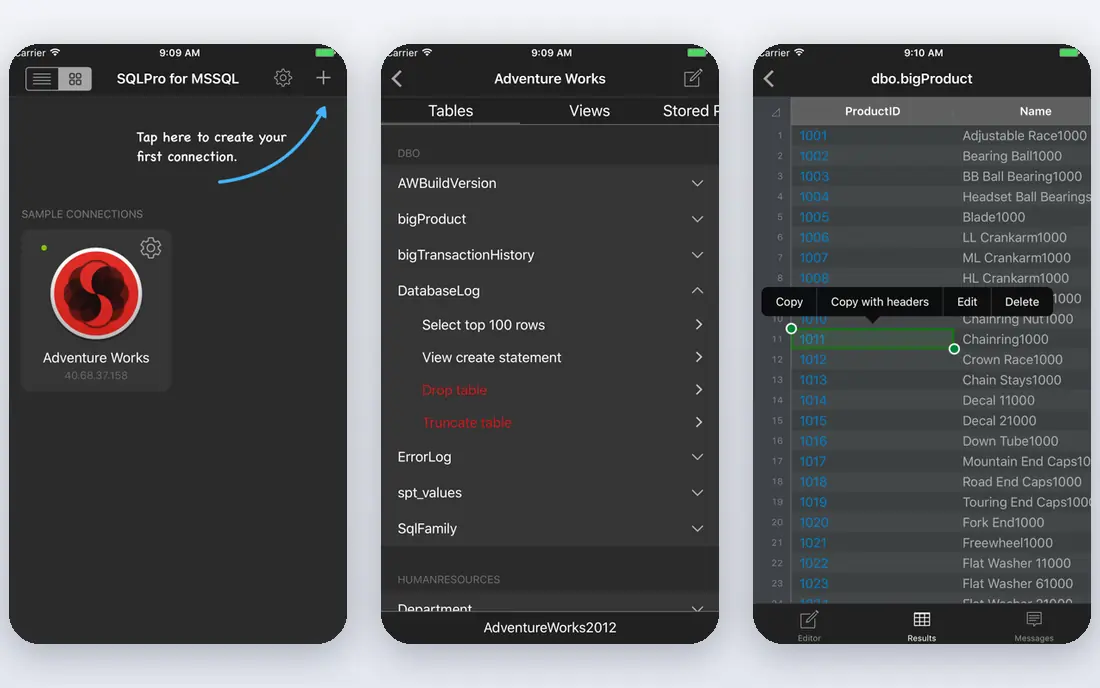
Microsoft SQL Server provides security, audit, and compliance features inside the Microsoft ecosystem. It fits teams already on Microsoft that need a compliance ready database.
When we compared Microsoft SQL Server with the rest of this list, its strengths were clear: security and audit features; microsoft ecosystem; compliance tools On the other side, buyers should weigh this catch: licensing varies; windows and linux options need planning That trade off matters most if you plan to use the product every day, so check the pricing page and the free plan terms, and trial it with real work before you commit. For many buyers, Microsoft SQL Server earns its place here because it handles the core job well, even though no product on this list is perfect for every need.
- Security and audit features
- Microsoft ecosystem
- Compliance tools
- Licensing varies
- Windows and Linux options need planning
PostgreSQL
Ideal for: Teams that want open source with compliance controls
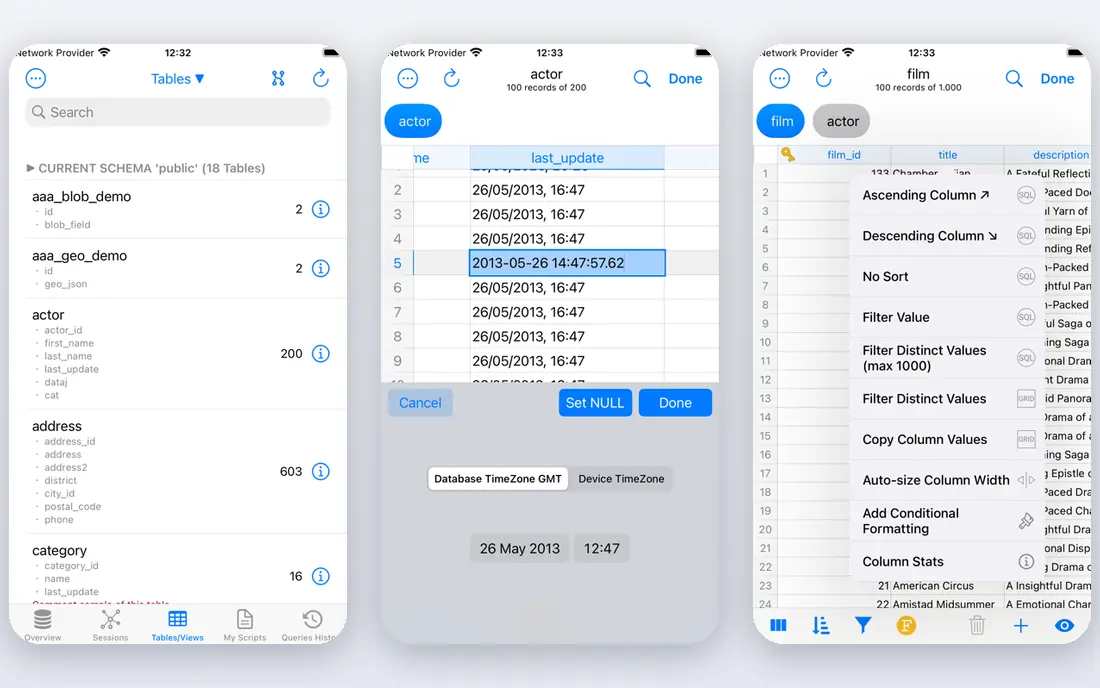
PostgreSQL can meet compliance needs with encryption, audit extensions, and access controls. It suits teams with database skill that want open source control.
When we compared PostgreSQL with the rest of this list, its strengths were clear: free and open source; encryption and audit extensions; access controls On the other side, buyers should weigh this catch: compliance setup needs expertise; support is community based unless paid That trade off matters most if you plan to use the product every day, so check the pricing page and the free plan terms, and trial it with real work before you commit. For many buyers, PostgreSQL earns its place here because it handles the core job well, even though no product on this list is perfect for every need.
- Free and open source
- Encryption and audit extensions
- Access controls
- Compliance setup needs expertise
- Support is community based unless paid
Snowflake
Ideal for: Data teams that need cloud compliance and governance
Snowflake offers cloud data governance, access controls, and compliance certifications for analytics. It fits data teams that need governed analytics in a regulated setting.
When we compared Snowflake with the rest of this list, its strengths were clear: cloud governance; access controls; compliance certifications On the other side, buyers should weigh this catch: costs need control; analytics focus, not transactional apps That trade off matters most if you plan to use the product every day, so check the pricing page and the free plan terms, and trial it with real work before you commit. For many buyers, Snowflake earns its place here because it handles the core job well, even though no product on this list is perfect for every need.
- Cloud governance
- Access controls
- Compliance certifications
- Costs need control
- Analytics focus, not transactional apps
MongoDB Atlas
Ideal for: Teams that want managed document database compliance
MongoDB Atlas is the managed cloud service for MongoDB, with encryption and compliance features. It suits teams that want a managed document database with compliance controls.
When we compared MongoDB Atlas with the rest of this list, its strengths were clear: managed atlas service; encryption; access controls; certifications On the other side, buyers should weigh this catch: costs scale with use; compliance setup needs care That trade off matters most if you plan to use the product every day, so check the pricing page and the free plan terms, and trial it with real work before you commit. For many buyers, MongoDB Atlas earns its place here because it handles the core job well, even though no product on this list is perfect for every need.
- Managed Atlas service
- Encryption
- Access controls
- Certifications
- Costs scale with use
- Compliance setup needs care
IBM Db2
Ideal for: Enterprises that need IBM database compliance
IBM Db2 offers enterprise database security and audit tools inside the IBM ecosystem. It suits enterprises already on IBM that need a compliance ready database.
When we compared IBM Db2 with the rest of this list, its strengths were clear: enterprise database security; audit; ibm ecosystem On the other side, buyers should weigh this catch: enterprise pricing; needs specialist skill That trade off matters most if you plan to use the product every day, so check the pricing page and the free plan terms, and trial it with real work before you commit. For many buyers, IBM Db2 earns its place here because it handles the core job well, even though no product on this list is perfect for every need.
- Enterprise database security
- Audit
- IBM ecosystem
- Enterprise pricing
- Needs specialist skill
Google Cloud SQL
Ideal for: Teams on Google Cloud that need managed compliance
Google Cloud SQL provides managed Postgres, MySQL, and SQL Server with Google Cloud controls. It fits teams on Google Cloud that want managed databases with IAM and encryption.
When we compared Google Cloud SQL with the rest of this list, its strengths were clear: managed databases on google cloud; encryption; iam controls On the other side, buyers should weigh this catch: best inside google cloud; pricing scales with use That trade off matters most if you plan to use the product every day, so check the pricing page and the free plan terms, and trial it with real work before you commit. For many buyers, Google Cloud SQL earns its place here because it handles the core job well, even though no product on this list is perfect for every need.
- Managed databases on Google Cloud
- Encryption
- IAM controls
- Best inside Google Cloud
- Pricing scales with use
Amazon RDS
Ideal for: Teams on AWS that need managed database compliance
Amazon RDS offers managed databases on AWS with encryption, IAM, and audit tools. It suits teams on AWS that want managed databases with compliance controls.
When we compared Amazon RDS with the rest of this list, its strengths were clear: managed databases on aws; encryption; iam and audit tools On the other side, buyers should weigh this catch: best inside aws; costs scale with instance and storage That trade off matters most if you plan to use the product every day, so check the pricing page and the free plan terms, and trial it with real work before you commit. For many buyers, Amazon RDS earns its place here because it handles the core job well, even though no product on this list is perfect for every need.
- Managed databases on AWS
- Encryption
- IAM and audit tools
- Best inside AWS
- Costs scale with instance and storage
How we picked these
We started with products and services that exist and work in October 2026 and truly fit the topic, then we compared their official feature pages, pricing pages, app store listings, privacy policies, and public reviews. We looked for a mix of well known leaders and strong smaller options, and we favored products with clear pricing, clear privacy practices, and honest limits. We did not claim hands-on testing that did not happen, and where a price could not be verified from the vendor site, we wrote See website rather than guessing a number.
How to choose a compliant database
Start with the rules that apply to your data, then check encryption, access controls, audit logs, and vendor certifications. Test access reviews and audit reporting with real roles, and confirm backup and retention meet your policy. A database with strong features still needs correct setup, so plan admin time for compliance work. Before you pay, list your must have features, your budget, and the tools the new product must work with. A short trial with real tasks will tell you more than a feature list alone, and it will show whether support replies quickly when something goes wrong. Check contract length, renewal terms, and how easy it is to export your data or cancel, since those details matter long after the first month.
Frequently asked questions
What does database compliance mean?
Database compliance means meeting legal, industry, and company rules for data security, access, audit, and retention.
Which databases are best for HIPAA or finance?
No database alone guarantees compliance, since setup, access, encryption, and processes matter as much as the product.
Do cloud databases meet compliance rules?
Cloud databases can meet many rules with the right controls and agreements, but check certifications and shared responsibility terms.
What is database auditing?
Database auditing records who accessed or changed data, which helps investigations and proves compliance.
How do I prove database compliance?
Keep audit logs, access reviews, encryption settings, and vendor agreements, and review them regularly with compliance teams.