Our first pick is SAP HANA, best for in-memory analytics and enterprise apps. Alternatives: CockroachDB for Resilient, cloud-native distributed SQL, and MongoDB for adaptable, scalable document data. All 5 tools are compared below on price, free plan and limits.
If you are comparing database software with best performance, this page covers 5 tools in one place: what each is best for, what it costs to start, whether it has a free plan, and the main limit to know about.
Key takeaways
Top of the list is SAP HANA, which targets in-memory analytics and enterprise apps.
Oracle Database is the one to check for critical workloads needing AI integration.
MongoDB stands alone as the one tool in this list with a free plan.
SAP HANA, Oracle Database and the 3 others all sell by quote; expect sales conversations before you see a price.
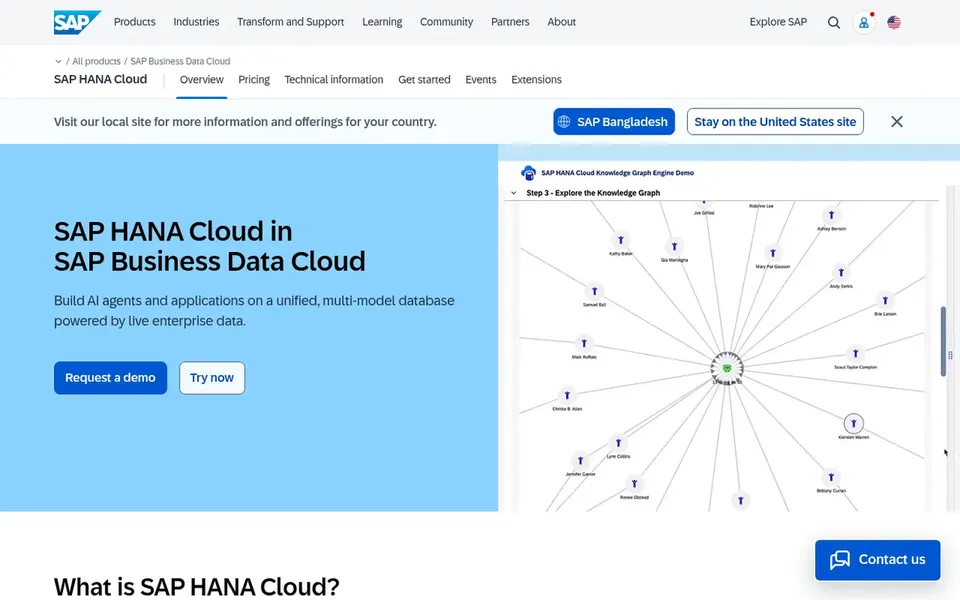
SAP HANA is aimed squarely at in-memory analytics and enterprise apps. SAP HANA Cloud is an in-memory database as a service built for modern applications and analytics across enterprise data. It offers a single foundation for transactional and analytical workloads, making it a good match for organizations needing live insights from large data volumes.
SAP HANA generally needs substantial memory and computing resources, which can increase costs. For smaller deployments or teams without SAP experience, more straightforward databases might be more economical. No starting price is listed for SAP HANA here; confirm pricing on the vendor site. On free options: Not stated.
CockroachDB is built with Resilient, cloud-native distributed SQL in mind. CockroachDB is a cloud-native, distributed SQL database aimed at extreme resilience and smooth horizontal scaling. From a buyer's view, Whereas CockroachDB eases scaling, it can introduce operational complexity compared with traditional databases.
From a buyer's view, consider alternatives if you need broad external tooling or have restricted experience with distributed systems. Beyond that, the ecosystem is smaller than those of established vendors. No starting price is listed for CockroachDB here; confirm pricing on the vendor site. As for free access: Free trial.
MongoDB is built with flexible, scalable document data in mind. MongoDB is a document-oriented database system built for adaptability and scalability. Its homepage describes it as an intelligent data system for the AI era, enabling quicker time to market with live data that scales across any cloud.
MongoDB is not a relational database, so it may lack some features like complicated joins and strict transactions. Consider it when schema adaptability and horizontal scaling are priorities. Pricing for MongoDB is not stated here, so ask the vendor for current figures. You can start on MongoDB without paying.
IBM Db2 targets AI-powered autonomous operations. Its homepage emphasizes simplified operations and data protection, making it a fit for enterprises looking to cut administrative overhead whereas maintaining performance.
Where it is weaker: Steep ramp-up time.
Also, Db2 can have a steep ramp-up time, notably for teams unfamiliar with IBM products. IBM Db2 does not show a starting price in this comparison, so check the vendor site for current pricing. Trial and free access: Not stated.
Best for: Critical workloads needing AI integration
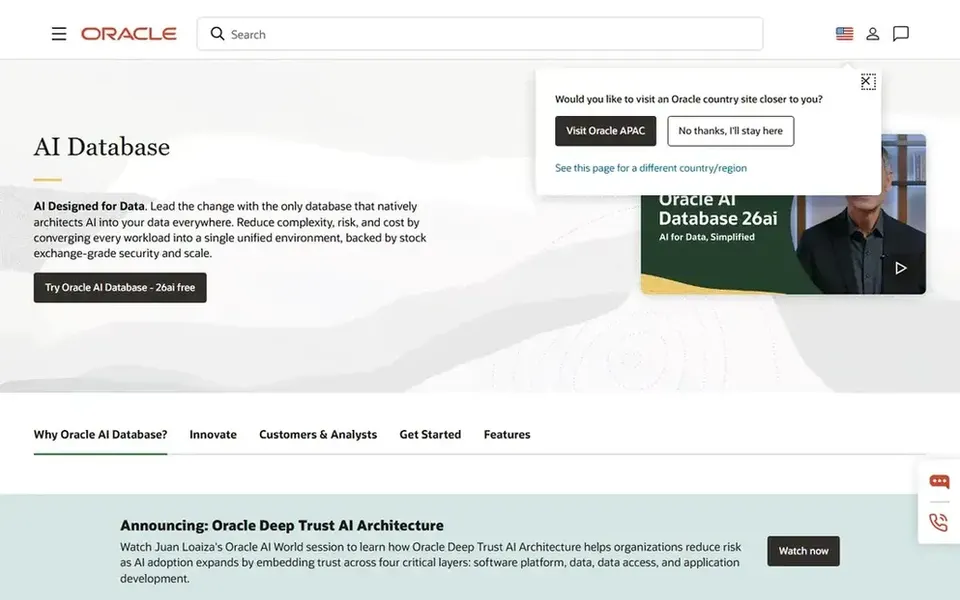
Oracle Database is aimed squarely at critical workloads needing AI integration. Oracle Database is a relational database management system made for enterprise applications. Its homepage flags AI capabilities and support for critical workloads, making it right for organizations that require solid performance and advanced features.
What to check first: Complicated for beginners.
From a buyer's view, the system can be complicated to set up and handle, frequently requiring dedicated database administrators. In daily use, licensing and operational costs may be high for smaller teams. This comparison lists no price for Oracle Database; ask the vendor. As for free access: Not stated.
Request quotes from SAP HANA, Oracle Database and the others; the list shows no fixed prices.
Test the free plan from MongoDB against your real workload before relying on it.
Run a trial of CockroachDB with real work before paying for a year; your own workflow is the best test.
Read the limits listed for SAP HANA first: high resource requirements.
Verify that exporting from CockroachDB is possible on your plan and covers all your records.
Add up seats, add-ons and usage charges for IBM Db2 before comparing it with cheaper entries.
How we picked
The comparison looks at four things: starting price, free access, how well the feature set matches database software with best performance, and the main limit of each tool. Treat prices as a snapshot: vendors change plans often, so check the vendor site for the figure that applies today. The order reflects how well each tool fits the most common buying scenario for database software with best performance, then price clarity, then free plan access. It is a starting point, not a verdict.
Every price and plan detail on this page comes from the vendors’ own websites. We did not run hands-on tests unless the text says so, and we do not publish star ratings or review scores. See how we score and our disclosure.
Keep your shortlist in one place
Paste prices, trial dates and notes from this guide into Ainotely, our AI note app. It files them into a topic and pulls out tasks like “cancel trial by Friday”. Free 7-day trial, no card needed.
How are the tools for database software with best performance ordered?
SAP HANA sits first and Oracle Database last because the order follows typical fit for database software with best performance, then price clarity and free access. It is a judgement call, so read each profile for fit and limits.
Which database is a good match for high-performance transactional workloads?
The first pick on this list is SAP HANA, because it suits in-memory analytics and enterprise apps. CockroachDB is better for Resilient, cloud-native distributed SQL, and MongoDB for adaptable, scalable document data. Check price and limits against your own needs before choosing.
Which options for database software with best performance have a free plan?
MongoDB is the only tool in this list with a free plan. Free plans usually cap users, projects or features, so check the limits on the vendor page. One other tool offers a trial instead.
Is SAP HANA the right pick for everyone comparing database software with best performance?
No single tool suits every team. SAP HANA comes first because it fits in-memory analytics and enterprise apps, while CockroachDB suits Resilient, cloud-native distributed SQL and MongoDB suits flexible, scalable document data. Match the tool to your own size, budget and workflow before deciding.
What does performance mean for a database?
Performance in databases usually refers to query speed, throughput, latency, and scalability under load. It also comes with availability and resilience. Different databases optimize for different workloads, so performance relies on your specific use case.
Do these tools publish their prices?
No. None of the tools, from SAP HANA to Oracle Database, shows a fixed starting price here, so budget time for quotes.