Best Free Mint Alternatives in 2026: 7 Options Compared

- 1
 Empower Personal Dashboardfree account and net worth trackingVisit
- 2
 Rocket Moneysubscriptions and bill trackingVisit
- 3
 NerdWalletbudgeting plus money guidanceVisit
- 4
 Goodbudgetenvelope budgeting for householdsVisit
- 5
 EveryDollarsimple zero-based budgetingVisit
- The free dashboard option is our pick for free account tracking and net worth views.
- Rocket Money suits users who want subscription tracking and bill help alongside budgeting.
- NerdWallet suits users who want budgeting plus credit and money guidance in one place.
- Check bank connection support for your accounts, since coverage varies by app.
Quick comparison
| Product | Ideal for | Price from | Free version | |
|---|---|---|---|---|
| Empower Personal Dashboard | free account and net worth tracking | Free | Yes | Visit |
| Rocket Money | subscriptions and bill tracking | Free | Yes | Visit |
| NerdWallet | budgeting plus money guidance | Free | Yes | Visit |
| Goodbudget | envelope budgeting for households | Free | Yes | Visit |
| EveryDollar | simple zero-based budgeting | Free | Yes | Visit |
 PocketSmith | cash flow forecasting | See website | Free trial | Visit |
 Wallet by BudgetBakers | budgeting with bank sync options | See website | Yes | Visit |
The best free mint alternatives
We compared official feature pages, pricing pages, and app listings for free budgeting tools that work in October 2026, after Mint closed. Our pick for most people is the free dashboard option, because its free account tracking and net worth view cover the core Mint use case well, but budgeting-focused options below suit other users.
This is not financial advice. Budgeting apps show your spending, but they do not replace advice from a qualified financial professional for debt, investing, or tax decisions.
Empower Personal Dashboard
Ideal for: free account and net worth tracking

This free dashboard aggregates accounts and shows net worth and spending for free. Its strength is the free overview, which replaces Mint core tracking well. Support quality matters when something breaks, so read the help pages and the refund or cancellation terms before paying. Note which features sit behind higher tiers, because the headline plan rarely includes everything shown on the marketing page.
The catch is budgeting depth, since dedicated budget apps offer richer planning tools. Read the privacy policy for any product that holds personal or business data, and confirm who can see that data and how long it is kept.
Our view: if free account and net worth tracking is your main need, this option deserves a trial, with the trade-offs above kept in mind. Set a reminder to review the plan after the first month, when real usage shows whether the tier you picked still fits. A clean export path matters, so confirm you can take your data out in a usable format if you later switch.
- Free dashboard
- Account aggregation
- Net worth and spending views
- Budgeting tools are lighter than dedicated budget apps
- Upsells for wealth services
Rocket Money
Ideal for: subscriptions and bill tracking
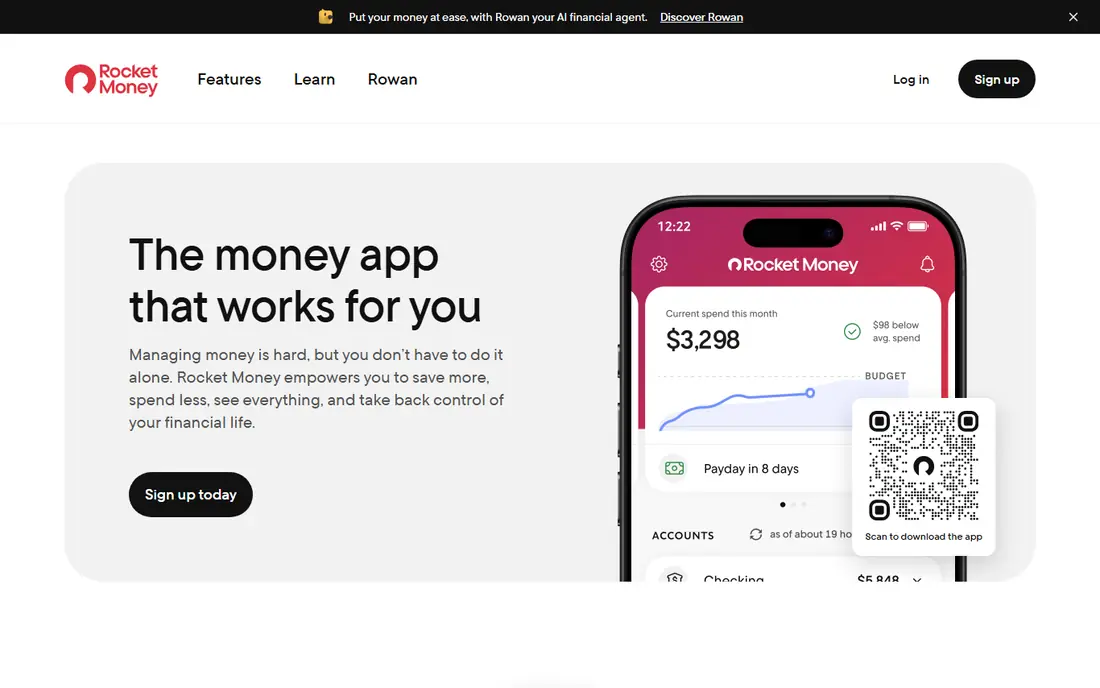
Rocket Money tracks subscriptions and spending, with optional bill negotiation. Its strength is subscription clarity, since it surfaces recurring charges you may have missed. Watch for limits that only appear at scale, such as seats, projects, scans, or exports, since those decide the real monthly cost. If your team will use it daily, get one or two colleagues to try the same task in it and compare notes before you choose.
The catch is upselling: its most helpful bill features sit on paid tiers. A clean export path matters, so confirm you can take your data out in a usable format if you later switch.
Our view: this option is a strong candidate when subscriptions and bill tracking matters most, provided the limits above fit your budget. If you rely on it for work, confirm uptime, backup, and account recovery options before moving anything important into it. Check the pricing page before you commit, since plans and limits change and the page you see at signup is the one that counts.
- Subscription tracking
- Spending views
- Bill negotiation options
- Negotiation and premium features cost extra
- Free tier limits apply
NerdWallet
Ideal for: budgeting plus money guidance

NerdWallet pairs budgeting and account views with credit scores and money guides. Its strength is guidance, since articles and comparisons sit beside your numbers. Compare at least two options on the same task, using the same sample project or data, so the comparison stays honest. Check the pricing page before you commit, since plans and limits change and the page you see at signup is the one that counts.
The catch is focus: it is a money site first, not a dedicated budgeting app. Note which features sit behind higher tiers, because the headline plan rarely includes everything shown on the marketing page.
Our view: shortlist this option if budgeting plus money guidance is what you are buying for, and compare it head to head with one other option here. Look at how it handles your existing tools, because a product that fits your current setup saves more time than one with a longer feature list. If your team will use it daily, get one or two colleagues to try the same task in it and compare notes before you choose.
- Free budgeting and account views
- Credit score
- Money guides
- Budgeting is part of a broader site
- Tools are less deep than dedicated apps
Goodbudget
Ideal for: envelope budgeting for households
Goodbudget uses envelope budgeting to plan spending by category, with household sharing. Its strength is method: envelopes make spending limits visible and easy to follow. Check the pricing page before you commit, since plans and limits change and the page you see at signup is the one that counts. A clean export path matters, so confirm you can take your data out in a usable format if you later switch.
The catch is free limits, since bank sync and more envelopes need a paid plan. A short trial or a free tier, where one exists, tells you more in a week than any feature list can.
Our view: this option earns its place here for buyers who put envelope budgeting for households first, and it is worth a close look before you decide. If your team will use it daily, get one or two colleagues to try the same task in it and compare notes before you choose. Note which features sit behind higher tiers, because the headline plan rarely includes everything shown on the marketing page.
- Envelope budgeting
- Shared household budgets
- Simple interface
- Free tier limits envelopes and accounts
- Bank sync needs paid plan
EveryDollar
Ideal for: simple zero-based budgeting
EveryDollar offers simple zero-based budgeting where every dollar gets a job. Its strength is simplicity, which suits beginners who want a clear monthly plan. Support quality matters when something breaks, so read the help pages and the refund or cancellation terms before paying. Look at how it handles your existing tools, because a product that fits your current setup saves more time than one with a longer feature list.
The catch is sync: automatic bank connections sit on the premium plan. Read the privacy policy for any product that holds personal or business data, and confirm who can see that data and how long it is kept.
Our view: if simple zero-based budgeting is your main need, this option deserves a trial, with the trade-offs above kept in mind. Set a reminder to review the plan after the first month, when real usage shows whether the tier you picked still fits. Support quality matters when something breaks, so read the help pages and the refund or cancellation terms before paying.
- Simple zero-based budgeting
- Easy setup
- Ramsey method support
- Bank connection needs premium
- Reporting is basic on free tier
PocketSmith
Ideal for: cash flow forecasting
PocketSmith forecasts cash flow from your accounts, income, and scheduled bills. Its strength is forecasting, which shows future balances, not just past spending. Watch for limits that only appear at scale, such as seats, projects, scans, or exports, since those decide the real monthly cost. Compare at least two options on the same task, using the same sample project or data, so the comparison stays honest.
The catch is free limits, since live bank feeds need a paid tier. A clean export path matters, so confirm you can take your data out in a usable format if you later switch.
Our view: this option is a strong candidate when cash flow forecasting matters most, provided the limits above fit your budget. If you rely on it for work, confirm uptime, backup, and account recovery options before moving anything important into it. Set a reminder to review the plan after the first month, when real usage shows whether the tier you picked still fits.
- Cash flow forecasts
- Account tracking
- Budgeting calendars
- Free tier is limited
- Full bank feeds need paid plans
Wallet by BudgetBakers
Ideal for: budgeting with bank sync options
Wallet by BudgetBakers offers budget planning and spending reports with bank sync options. Its strength is planning, with budgets and reports that suit regular budgeters. Compare at least two options on the same task, using the same sample project or data, so the comparison stays honest. Read the privacy policy for any product that holds personal or business data, and confirm who can see that data and how long it is kept.
The catch is coverage: bank sync quality varies by country and bank. Note which features sit behind higher tiers, because the headline plan rarely includes everything shown on the marketing page.
Our view: shortlist this option if budgeting with bank sync options is what you are buying for, and compare it head to head with one other option here. Look at how it handles your existing tools, because a product that fits your current setup saves more time than one with a longer feature list. A short trial or a free tier, where one exists, tells you more in a week than any feature list can.
- Budget planning
- Spending reports
- Bank connections on some plans
- Bank coverage varies by country
- Premium needed for full sync
How we picked these
We compared official feature pages, pricing pages, app store listings, and privacy policies for each tool. We looked for free tier contents, account connections, budgeting, bill tracking, security, and data handling. We did not run hands-on tests.
How to pick a free Mint replacement
List what you used Mint for. Account tracking, budgeting, and bill reminders need different tools, so match the app to your top two uses.
Check your banks first. Connect your main accounts during a trial and confirm transactions sync correctly before moving your budget.
Read the privacy policy. Free apps may earn money from offers or premium upgrades, so check how your financial data is used and shared.
Frequently asked questions
What is the best free Mint alternative?
The free dashboard option is best for free account tracking, while Rocket Money suits subscription help and NerdWallet suits budgeting plus guidance.
Are free budgeting apps safe?
Reputable apps use bank-level encryption and read-only connections, but no app is risk-free. Use strong passwords, two-factor authentication, and review connected accounts regularly.
Can I import my Mint data?
Some tools offer import guides for Mint export files, while others need manual setup. Export your Mint data before it disappears and check each tool import page.
Do free budgeting apps really stay free?
Core tracking often stays free, with premium plans adding features like bill negotiation or advanced reports. Check which features sit behind paywalls before choosing.