Gamma Alternatives in 2026: 8 Tools Compared

- 1
 Beautiful.aismart slide design with templatesVisit
- 2
 TomeAI storytelling presentationsVisit
- 3
 Pitchteam presentations with collaborationVisit
- 4
 Canva Presentationseasy design for non-designersVisit
- 5
 Prezinon-linear visual presentationsVisit
- Our pick for most readers is Beautiful.ai, because it fits smart slide design with templates and keeps its core pitch easy to understand.
- Prices in this category vary widely, so check the vendor pricing page and confirm what is included before you pay.
- A free plan or free trial is worth testing with your own data, since a demo with sample data can hide daily friction.
- The right choice depends on team size, budget, and how much setup help you need, not on the longest feature list.
- Read the privacy and support terms for gamma alternatives tools carefully, especially if you will store customer or financial data in them.
Quick comparison
| Product | Ideal for | Price from | Free version | |
|---|---|---|---|---|
| Beautiful.ai | smart slide design with templates | Free | Yes | Visit |
| Tome | AI storytelling presentations | Free | Yes | Visit |
| Pitch | team presentations with collaboration | Free | Yes | Visit |
| Canva Presentations | easy design for non-designers | Free | Yes | Visit |
| Prezi | non-linear visual presentations | Free | Yes | Visit |
 Slidebean | startup pitch decks with AI help | See website | Free trial | Visit |
 Plus AI | AI slides inside Google Slides | See website | Free trial | Visit |
 Decktopus | fast AI decks for business users | See website | Free trial | Visit |
The best Gamma alternatives
We compared official feature pages, pricing pages, app store listings, privacy policies, and public reviews to put this list together for readers looking for gamma alternatives. Each option below is a real product that works in October 2026, with a clear note on who it suits and where it falls short.
Beautiful.ai
Ideal for: smart slide design with templates
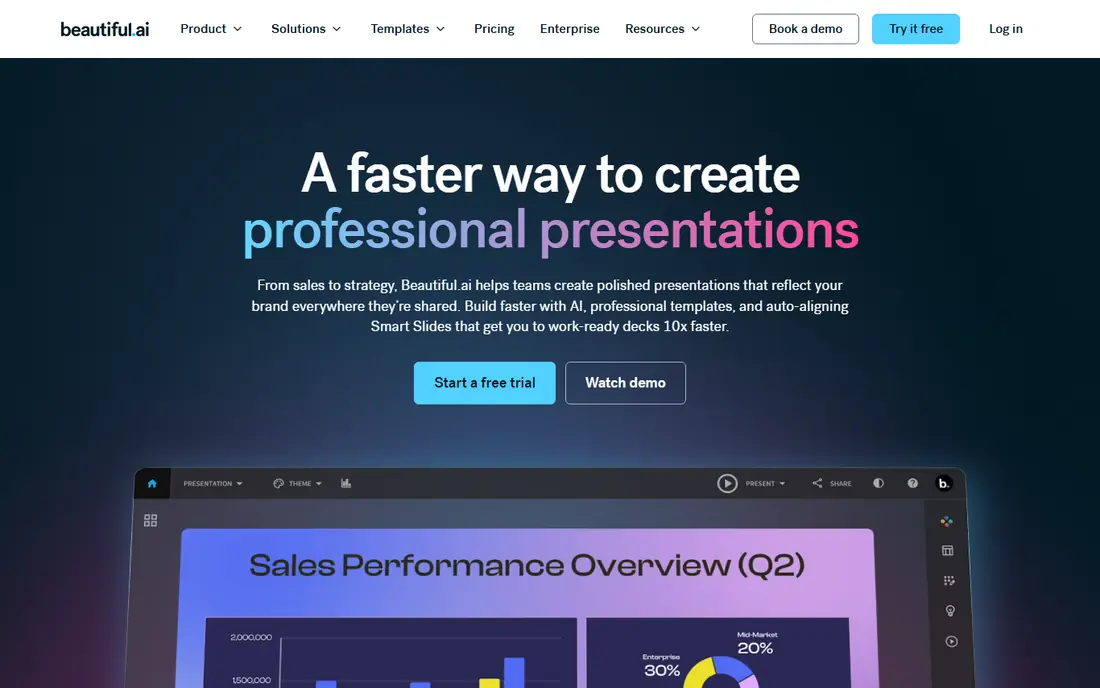
Beautiful.ai suits users who want smart templates that lay out slides automatically. Its design rules keep slides consistent, and team libraries share brand styles. That focus matters most in the first weeks, when a team either settles into a tool or quietly stops opening it.
Its strength is design consistency. Slides look polished without manual layout work, which helps non-designers. It also matters for teams that need to show results to a manager or a client without extra reporting work.
The drawback is control. Guided layouts limit free-form design, so users wanting full creative freedom may prefer another tool. It is worth weighing against the strengths above, especially if you plan to use the tool for years.
- Smart templates that auto-layout slides
- Team libraries
- Analytics
- Free plan limits slides
- Design control is guided
Tome
Ideal for: AI storytelling presentations
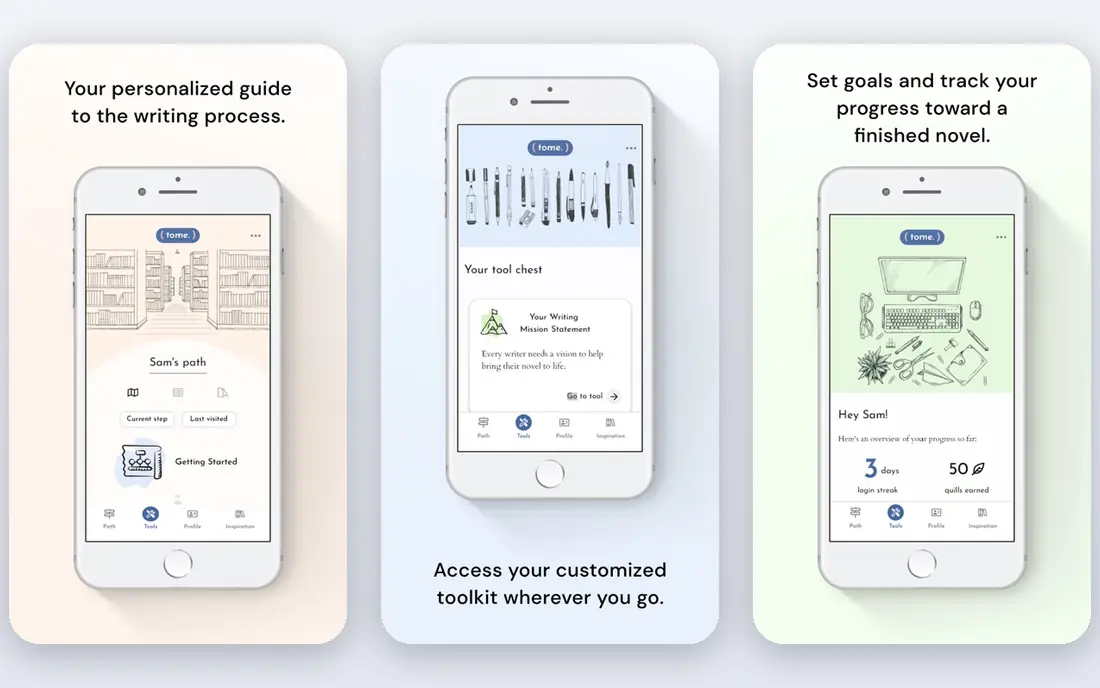
Tome suits users who want AI help turning an idea into a narrative presentation. Its pages mix text, images, and media in a flexible, scrollable format. We gave extra weight to tools that explain their limits plainly instead of hiding them behind a sales call.
Its strength is narrative flow. Presentations read like stories rather than slide decks, which suits pitches and updates. We checked this against the vendor's own feature page and public reviews, not just marketing copy.
The drawback is editing need. AI output still needs human editing for accuracy and tone, and the free plan limits usage. Teams with strict requirements should test this exact point before signing a contract.
- AI-generated narratives
- Flexible pages
- Sharing and collaboration
- AI output needs editing
- Free plan limits
Pitch
Ideal for: team presentations with collaboration
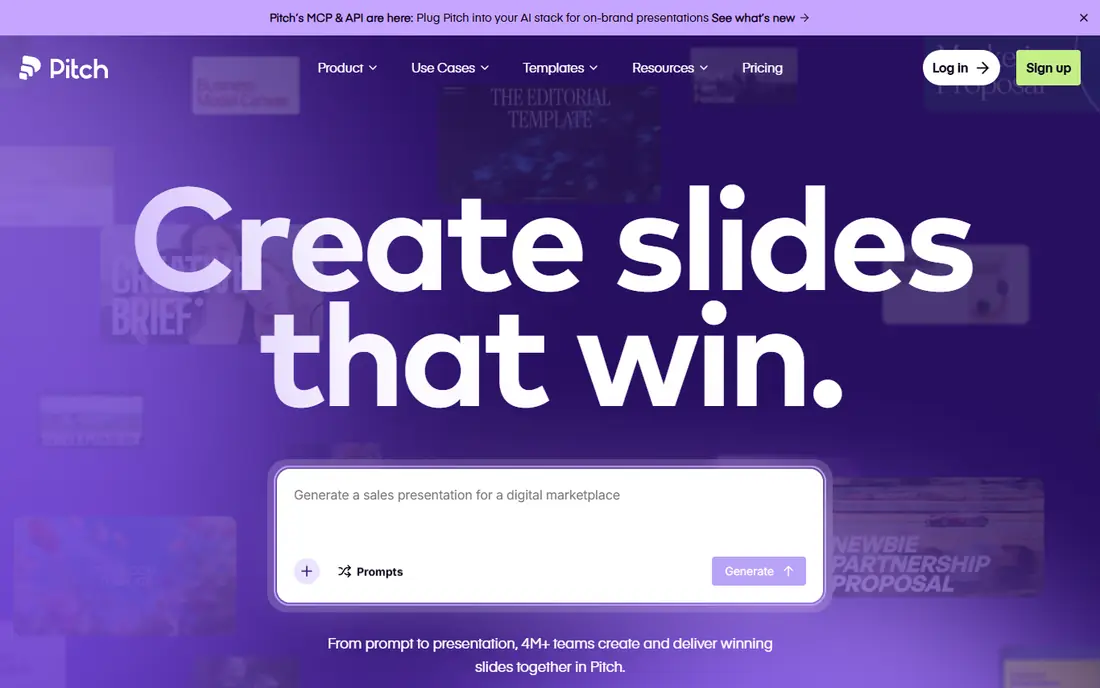
Pitch suits teams that build presentations together. Its collaboration, templates, and analytics help product and sales teams share decks and track views. The best fit is often the tool your team will actually use every day, not the one with the longest list of features.
Its strength is team workflow. Real-time collaboration and version control suit teams that iterate on decks together. Look for this in the trial, and check how it behaves with your own data rather than sample data.
The drawback is design depth. Advanced design control is lighter than in specialist design tools. If this point is a deal breaker for you, the next options on this list handle it differently.
- Collaborative decks
- Templates
- Analytics and sharing
- Free plan limits
- Advanced design is lighter than specialist tools
Canva Presentations
Ideal for: easy design for non-designers
Canva Presentations suits non-designers who want a huge template library and drag-and-drop design. Its presentations can be built fast and shared online. Setup effort, daily friction, and the clarity of the pricing page shaped how we weighed that fit.
Its strength is template breadth. Almost any topic has a starting template, which cuts blank-page time. That strength shows up in daily work, not just in a demo, which is why we ranked it highly.
The drawback is paid assets. Premium images, fonts, and AI features need a paid plan. That drawback may not matter for a small team, but it can grow into a real problem as usage grows.
- Huge template library
- Drag-and-drop design
- Collaboration
- Free plan limits premium assets
- AI features need paid plans
Prezi
Ideal for: non-linear visual presentations
Prezi suits presenters who want non-linear, zooming presentations that stand out from slide decks. Its canvas lets audiences see the big picture, then zoom into details. A short trial with real data tells you more than a feature list, so plan one before you commit.
Its strength is visual impact. The zooming style can engage audiences bored by standard slides. This kind of strength tends to save time week after week, which adds up faster than a small price difference.
The drawback is learning curve. The canvas style takes practice, and some audiences may find motion distracting. Ask about it on a sales call or in the trial, and get the answer in writing if it affects your budget.
- Zooming canvas presentations
- Templates
- Analytics
- Learning curve for canvas style
- Free plan limits
Slidebean
Ideal for: startup pitch decks with AI help
Slidebean suits startups that need investor pitch decks. Its AI builder and templates shape a deck around a business story, with a design service for teams that want help. That focus matters most in the first weeks, when a team either settles into a tool or quietly stops opening it.
Its strength is pitch focus. Decks follow investor expectations, which helps founders who have never built one. It also matters for teams that need to show results to a manager or a client without extra reporting work.
The drawback is scope. It is pitch-deck focused, so general presentation users may want a broader tool. It is worth weighing against the strengths above, especially if you plan to use the tool for years.
- AI pitch deck builder
- Templates
- Design service option
- Pricing needs a plan check
- Focus is pitch decks
Plus AI
Ideal for: AI slides inside Google Slides
Plus AI suits Google Workspace users who want AI slides inside Google Slides. Its add-on generates and edits slides without leaving the Google editor. We gave extra weight to tools that explain their limits plainly instead of hiding them behind a sales call.
Its strength is Google fit. Teams already on Google Slides get AI help without learning a new platform. We checked this against the vendor's own feature page and public reviews, not just marketing copy.
The drawback is platform tie. It requires Google Slides, so PowerPoint-only teams should look elsewhere. Teams with strict requirements should test this exact point before signing a contract.
- AI slide generation in Google Slides
- Templates
- Editing tools
- Google Slides required
- Pricing needs a plan check
Decktopus
Ideal for: fast AI decks for business users
Decktopus suits business users who want a fast AI deck from a short brief. Its forms turn answers into slides, with templates for common business topics. The best fit is often the tool your team will actually use every day, not the one with the longest list of features.
Its strength is speed. A usable deck can be ready in minutes from a brief, which suits busy teams. Look for this in the trial, and check how it behaves with your own data rather than sample data.
The drawback is customisation. Design control is guided, so users wanting full creative freedom may find it limiting. If this point is a deal breaker for you, the next options on this list handle it differently.
- AI deck creation
- Templates
- Forms to decks
- Free plan limits
- Design customisation is guided
How we picked these
We started from the main keyword for this article and checked each candidate against official feature pages, pricing pages, app store listings, privacy policies, and public reviews. We kept only products that exist and work in October 2026 and that truly fit gamma alternatives, and we left out options that did not fit even when they looked popular in a general search.
We did not claim hands-on testing that did not happen. Where a price or a free tier could not be confirmed from the vendor's own site, we wrote See website rather than guessing a number. That approach keeps the list honest, and it means you should still confirm current pricing before you buy.
How to choose a Gamma alternative
Start by writing down the one job this tool must do well for you. For gamma alternatives, that job might be daily use by a small team, reporting for a manager, or handling a larger volume without constant manual work. A tool that does that one job well is usually a better buy than a tool that does many jobs in a shallow way.
Next, run a short trial with real data and the people who will use the tool every day. Watch how long setup takes, how clear the billing is, and how fast support answers a real question. If the trial feels confusing, that confusion rarely disappears after you pay, so take it as a useful warning.
Finally, check the terms that matter after the first month: renewal pricing, data export, cancellation, and what happens to your data if you leave. A tool with a clear export path and plain renewal terms is easier to live with, even if a rival looks slightly cheaper on the first invoice.
Frequently asked questions
What is the best option for gamma alternatives?
For most readers, Beautiful.ai is a strong starting point because it fits smart slide design with templates. The best choice still depends on your budget and team size, so compare the top three on this list in a trial before you decide.
Is there a free option for gamma alternatives?
Some options on this list offer a free plan, and others offer a free trial, as shown in the comparison table. Free plans usually cover basic use, while paid plans add reporting, integrations, and support, so check the limits before you rely on a free tier.
How much do gamma alternatives tools cost?
Pricing varies widely in this category, and some vendors only quote after a sales call. Where we could confirm a starting price, we listed it in the table, and where we could not, we wrote See website so you can check the vendor page directly.
Can I switch tools later if I pick the wrong one?
In most cases, yes, but switching takes more work than people expect. Before you commit, check how to export your data, whether integrations carry over, and how long a migration would take for your team.
How should I test a tool before buying?
Use a short trial with real data, invite the people who will use it daily, and test support with a genuine question. Keep notes on setup time, billing clarity, and any feature that was promised but hard to find in the product itself.