Best Kapost Alternatives in 2026: 7 Options Compared

- 1
 CoScheduleMarketing calendar and planningVisit
- 2
 GatherContentStructured content productionVisit
- 3
 StoryChiefContent creation and distributionVisit
- 4
 DivvyHQContent planning for teamsVisit
- 5
 ContentfulHeadless content platformVisit
- Our pick for most readers is CoSchedule, because it covers the core needs of this category without forcing a complex setup.
- If budget is tight, start with StoryChief, Contentful, and check the free limits before you build a workflow around them.
- The best choice depends on your main job: match the tool to the task you do most often, not to the longest feature list.
- Test your shortlist with real data before you pay, since pricing, limits, and fit vary more in practice than on a feature page.
Quick comparison
| Product | Ideal for | Price from | Free version | |
|---|---|---|---|---|
| CoSchedule | Marketing calendar and planning | See website | Free trial | Visit |
| GatherContent | Structured content production | See website | Free trial | Visit |
| StoryChief | Content creation and distribution | See website | Yes | Visit |
| DivvyHQ | Content planning for teams | See website | Free trial | Visit |
| Contentful | Headless content platform | See website | Yes | Visit |
 Contently | Content creation with freelancers | See website | No | Visit |
 Uberflip | Content hubs and distribution | See website | No | Visit |
The best Kapost alternatives
Kapost, now part of Upland, helps marketing teams plan, produce, and measure content across channels. The alternatives below cover content planning, creation workflows, and distribution in different mixes. We compared official feature pages, pricing, and documentation to judge fit.
CoSchedule
Ideal for: Marketing calendar and planning

For teams or readers focused on marketing calendar and planning, CoSchedule is a natural place to start. CoSchedule centres content work on a shared marketing calendar with social scheduling. For teams comparing options, the practical test is simple: run a real task through the tool and see how many steps it takes, and how clear the result feels.
Its per user pricing adds up for larger marketing teams. That catch does not disqualify the product, but it should shape your trial: test the weak spot first, and only buy once you know it does not block your main workflow.
A useful trial also tests support and onboarding, not just features. Ask a question, read the help docs, and see how quickly you get a clear answer, because that experience predicts how the tool will feel after purchase.
- Marketing calendar
- Social scheduling
- Content planning
- Pricing rises with users
- Some features need higher plans
GatherContent
Ideal for: Structured content production
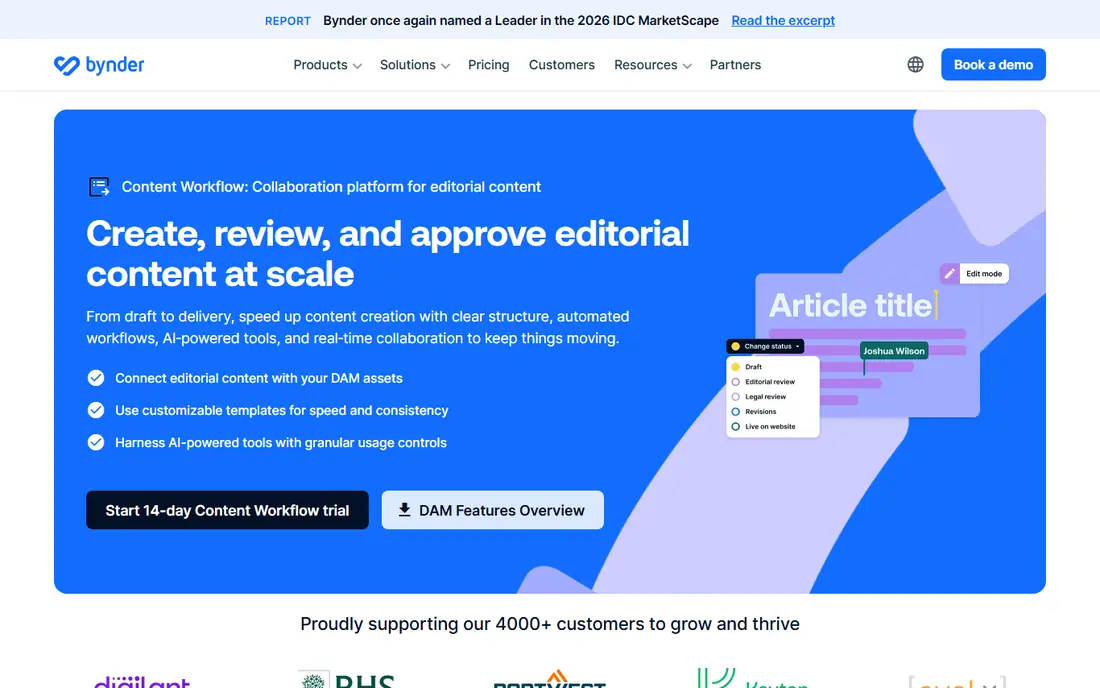
For teams or readers focused on structured content production, GatherContent is a natural place to start. GatherContent suits teams producing structured website content with briefs and approvals. That approach makes it a sensible shortlist candidate, provided you test it with your own data and your own team before you commit to a paid plan.
Its niche focus means social planning is not its strength. In our comparison of official feature pages, pricing, and public reviews, this balance of strength and weakness placed it firmly on the shortlist for its target audience.
If the tool passes that trial, check the renewal terms and the cost of adding users before you roll it out widely. A good fit at five users can become costly at fifty, so plan for growth now.
- Content briefs and workflows
- Structured content
- Approvals
- Niche focus
- Publishing links need checking
StoryChief
Ideal for: Content creation and distribution
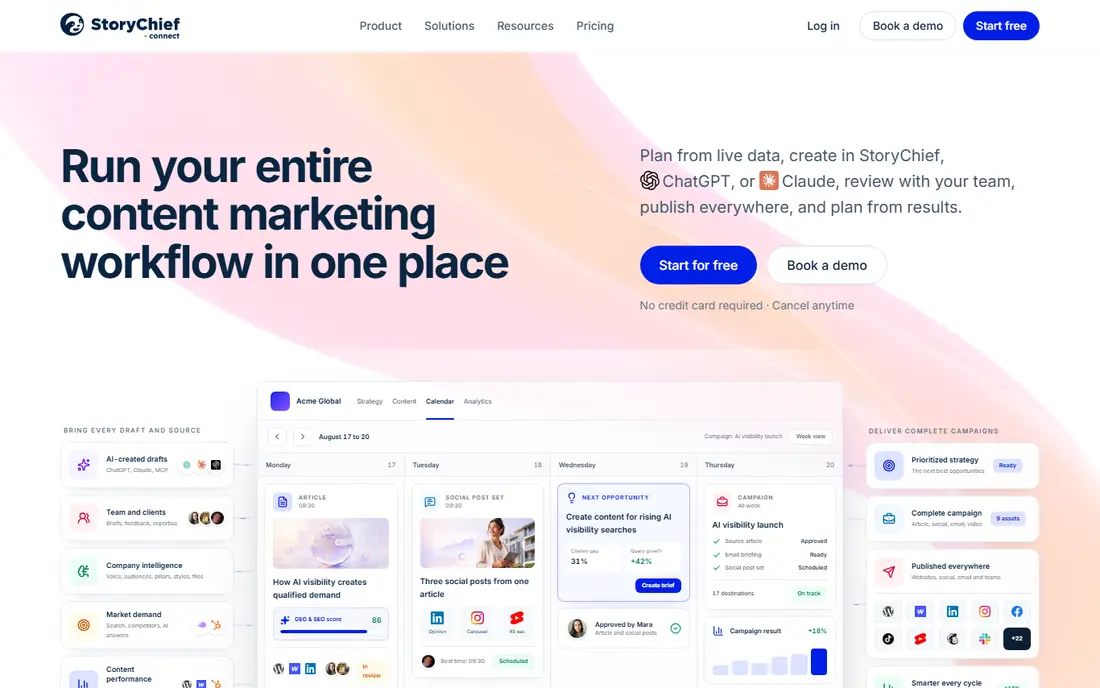
For teams or readers focused on content creation and distribution, StoryChief is a natural place to start. StoryChief helps small teams create content and publish it across channels. The value here is practical rather than theoretical, and it becomes clear once you use the tool for a real project instead of judging it from a feature page alone.
Its free tier is limited, and its brand is smaller than leading rivals. If that limitation touches your core workflow, look at the next options in this list; if it does not, the strengths here may outweigh it for your team.
Finally, compare the total effort, not just the monthly price. Setup, training, and ongoing admin all cost time, and the cheapest option on paper is not always the cheapest once staff time is counted.
- Content creation
- Multi channel publishing
- SEO checks
- Free tier is limited
- Smaller brand than CoSchedule
DivvyHQ
Ideal for: Content planning for teams
For teams or readers focused on content planning for teams, DivvyHQ is a natural place to start. DivvyHQ covers content calendars, workflows, and approvals for marketing teams. In practice, that focus shows up in the day to day workflow, where the features you use most often matter more than a long list of extras you may never open.
Its interface can feel busy for teams that only need a simple calendar. We weighed that trade off against the alternatives in this list, and the balance will suit some teams better than others, depending on budget and on how much depth you actually need.
Before you buy, run one realistic week through the tool, using the same projects, clients, or data you handle normally. A short, honest trial will reveal limits in reporting, speed, or support that a demo never shows.
- Content calendars and workflows
- Approvals
- Reporting
- Pricing is per user
- Interface can feel busy
Contentful
Ideal for: Headless content platform
For teams or readers focused on headless content platform, Contentful is a natural place to start. Contentful suits teams delivering structured content across websites and apps via APIs. For teams comparing options, the practical test is simple: run a real task through the tool and see how many steps it takes, and how clear the result feels.
It is developer focused, so marketing planning alone is not its strength. That catch does not disqualify the product, but it should shape your trial: test the weak spot first, and only buy once you know it does not block your main workflow.
A useful trial also tests support and onboarding, not just features. Ask a question, read the help docs, and see how quickly you get a clear answer, because that experience predicts how the tool will feel after purchase.
- Structured content APIs
- Multi channel delivery
- Developer tools
- Developer focused
- Marketing planning features are limited
Contently
Ideal for: Content creation with freelancers
For teams or readers focused on content creation with freelancers, Contently is a natural place to start. Contently pairs content software with a managed network of writers and strategists. That approach makes it a sensible shortlist candidate, provided you test it with your own data and your own team before you commit to a paid plan.
Its enterprise model suits firms that also want outsourced creation, not just a tool. In our comparison of official feature pages, pricing, and public reviews, this balance of strength and weakness placed it firmly on the shortlist for its target audience.
If the tool passes that trial, check the renewal terms and the cost of adding users before you roll it out widely. A good fit at five users can become costly at fifty, so plan for growth now.
- Managed creator network
- Content strategy
- Analytics
- Enterprise pricing
- Agency style model, not just software
Uberflip
Ideal for: Content hubs and distribution
For teams or readers focused on content hubs and distribution, Uberflip is a natural place to start. Uberflip builds content hubs that organise and distribute marketing content. The value here is practical rather than theoretical, and it becomes clear once you use the tool for a real project instead of judging it from a feature page alone.
Its enterprise focus and quote pricing make it heavy for small teams. If that limitation touches your core workflow, look at the next options in this list; if it does not, the strengths here may outweigh it for your team.
Finally, compare the total effort, not just the monthly price. Setup, training, and ongoing admin all cost time, and the cheapest option on paper is not always the cheapest once staff time is counted.
- Content hubs
- Personalised streams
- Analytics
- Enterprise focused
- Pricing is quote based
How we picked these
We compared official feature pages, pricing pages, app store listings, privacy policies, and public reviews for each product in this list. We looked for tools that exist and work in October 2026, that truly fit the topic, and that offer a clear reason to choose them over similar options. Where a price or free tier could not be verified from the vendor, we wrote See website rather than guessing.
We also weighed honest weaknesses alongside strengths, because every tool involves trade offs in price, depth, and ease of use. A product stayed on the list only if its strengths matched a real audience, even where its limits ruled it out for other readers. That is why the list mixes well known leaders with smaller options that suit specific needs.
Pricing and free tiers change often, so we treated vendor pricing pages as the authority and avoided repeating figures we could not confirm on the day of writing. Readers should check the linked official site for the current plan before buying, since trials, limits, and included features can change without notice. That caution applies especially to tools with quote based pricing, where the final cost depends on seats, usage, and contract terms.
How to choose a content operations tool
Map your content workflow first. Planning calendars, briefs, approvals, and distribution are different jobs, and no single tool does all of them equally well. Pick the tool that fixes your biggest bottleneck.
Check who will use it daily. Writers need simple briefs and deadlines, while managers need calendars and reports. A tool writers avoid will not improve output, however strong its reporting looks.
Frequently asked questions
What is the closest alternative to Kapost?
CoSchedule and DivvyHQ are the closest content planning matches, while GatherContent suits structured content production. Contently suits firms that outsource writing.
Are there free options?
Most content operations tools are paid, with trials rather than lasting free tiers. StoryChief offers a free tier with limits, and WordPress covers publishing free.
Do these tools publish content?
Some publish directly to blogs and social channels, while others focus on planning and approvals. Check publishing links for your channels.
Can agencies use these?
Yes, CoSchedule and DivvyHQ suit agency workflows with client calendars and approvals. Check user limits on the plan you choose.
Which tool suits a small team?
CoSchedule and StoryChief suit small teams well, while GatherContent suits teams producing structured web content.