Keymailer Alternatives in 2026: 8 Options Compared

- Lurkit and Terminals are the closest direct rivals, focused on game key distribution to creators.
- Woovit and Drope.me suit smaller studios that want creator campaigns without a large platform fee.
- Games Press covers press distribution, while IndieDB and itch.io suit indie discovery.
- Gamesight adds measurement for creator campaigns, which key distribution alone does not give.
- Vet creators carefully, since audience quality matters more than raw creator counts.
Quick comparison
| Product | Ideal for | Price from | Free version | |
|---|---|---|---|---|
 Lurkit | Game key distribution platform | See website | No | Visit |
 Terminals | Game key distribution service | See website | No | Visit |
 Woovit | Creator key platform | See website | No | Visit |
 Games Press | Games press distribution | See website | No | Visit |
 Drope.me | Micro-streamer campaigns | See website | No | Visit |
 IndieDB | Indie game discovery community | Free | Yes | Visit |
 itch.io | Indie game store and keys | Free | Yes | Visit |
 Gamesight | Creator campaign measurement | See website | No | Visit |
The best Keymailer alternatives
We weighed official feature pages, pricing, app store listings, privacy policies, and public reviews before ranking these options. The notes below give each option a fair hearing, including where it falls short.
Lurkit
Ideal for: Game key distribution platform
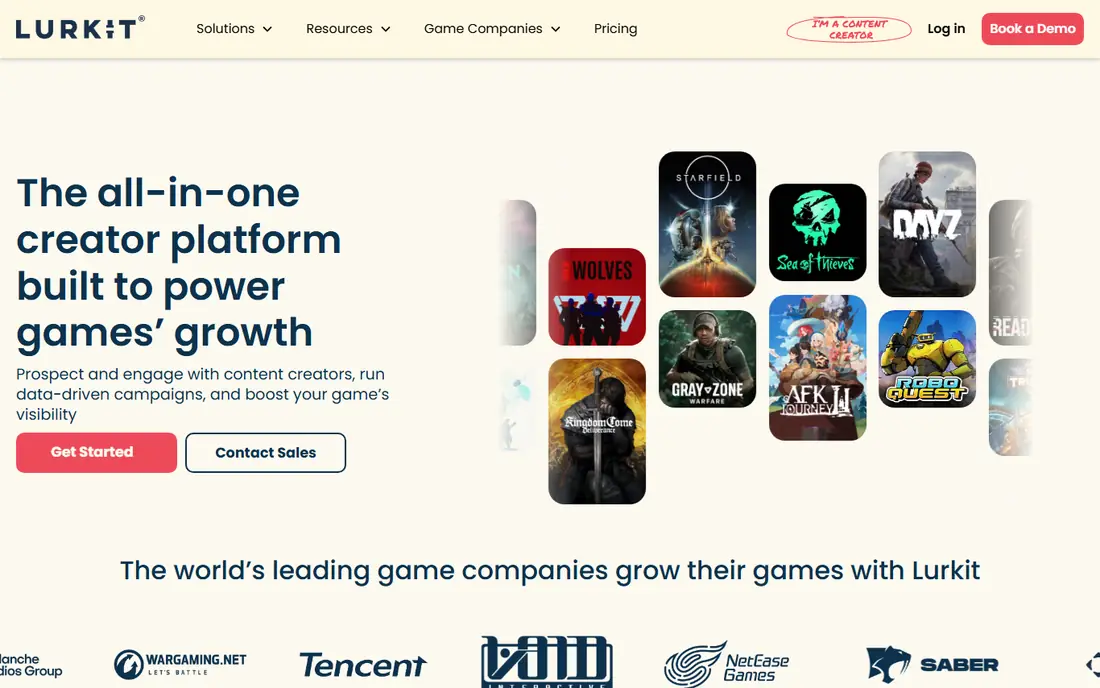
If Game key distribution platform is the job, start here: it runs game key distribution plus creator campaigns with an engagement focus. That focus helps studios build longer creator relationships instead of one-off key sends. It fits readers who want a practical option without a long setup, and it pairs well with the other choices on this list for comparison.
The honest catch is that pricing is by quote, and the approval process takes time. Pricing is quoted rather than published as a single list price, so check the vendor site for the current figure for your setup. That balance of strengths and limits is what kept it on the list, even though it is not the right pick for every reader.
- Creator campaigns
- Key distribution
- Engagement focus
- Quote-based pricing
- Approval process takes time
Terminals
Ideal for: Game key distribution service
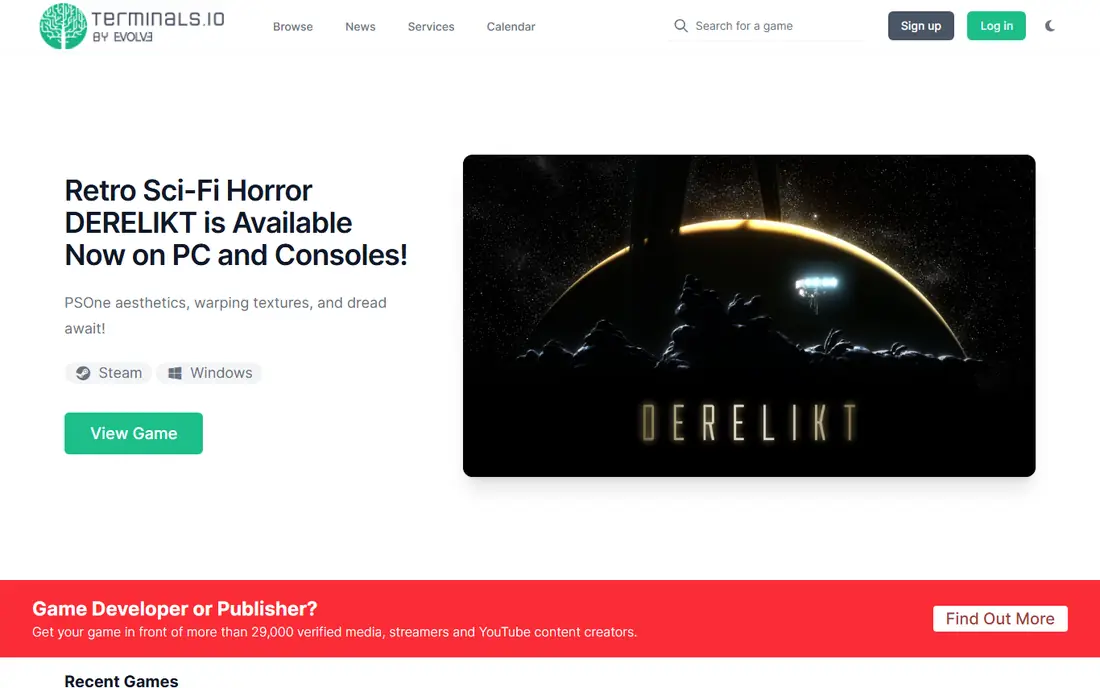
This option suits Game key distribution service well, since it offers game key distribution with creator vetting and campaign tools. Vetting helps reduce wasted keys sent to low-quality accounts. It fits readers who want a practical option without a long setup, and it pairs well with the other choices on this list for comparison.
What holds it back a little is that pricing is by quote, and its public profile is smaller than Lurkit. Pricing is quoted rather than published as a single list price, so check the vendor site for the current figure for your setup. That balance of strengths and limits is what kept it on the list, even though it is not the right pick for every reader.
- Key distribution
- Creator vetting
- Campaign tools
- Quote-based pricing
- Smaller public profile
Woovit
Ideal for: Creator key platform
Buyers focused on Creator key platform will find a lot to like, as it provides key distribution plus creator discovery and campaign tracking. Tracking shows which creators actually covered a game after receiving a key. It fits readers who want a practical option without a long setup, and it pairs well with the other choices on this list for comparison.
The downside to weigh is that its creator pool is smaller, and pricing is by quote. Pricing is quoted rather than published as a single list price, so check the vendor site for the current figure for your setup. That balance of strengths and limits is what kept it on the list, even though it is not the right pick for every reader.
- Key distribution
- Creator discovery
- Campaign tracking
- Smaller creator pool
- Pricing by quote
Games Press
Ideal for: Games press distribution
For teams or readers weighing Games press distribution, this is a strong candidate because it distributes press releases and assets to games journalists. That press reach complements creator key campaigns rather than replacing them. It fits readers who want a practical option without a long setup, and it pairs well with the other choices on this list for comparison.
Before you commit, note that its focus is press, not creator key distribution, and pricing varies. Pricing is quoted rather than published as a single list price, so check the vendor site for the current figure for your setup. That balance of strengths and limits is what kept it on the list, even though it is not the right pick for every reader.
- Press releases and assets
- Journalist reach
- Industry resource
- Press focus, not creator keys
- Pricing varies
Drope.me
Ideal for: Micro-streamer campaigns
When Micro-streamer campaigns matters most, this option stands out for it runs performance campaigns with micro-streamers for games. Micro-streamers can deliver engaged audiences at lower cost than large creators. It fits readers who want a practical option without a long setup, and it pairs well with the other choices on this list for comparison.
One limitation worth knowing is that its scale is smaller, and it is a newer platform. Pricing is quoted rather than published as a single list price, so check the vendor site for the current figure for your setup. That balance of strengths and limits is what kept it on the list, even though it is not the right pick for every reader.
- Micro-streamer focus
- Performance campaigns
- Game niche
- Smaller scale
- Newer platform
IndieDB
Ideal for: Indie game discovery community
For Indie game discovery community, this one earns a close look because it gives indie games a community page with player and press reach. That discovery helps small studios build an audience before launch. It fits readers who want a practical option without a long setup, and it pairs well with the other choices on this list for comparison.
The trade-off is that it is not a key distributor, so community effort is needed to get value. There is no charge for the core product, though paid upgrades exist in most cases. That balance of strengths and limits is what kept it on the list, even though it is not the right pick for every reader.
- Indie community
- Game pages
- Press and player reach
- Not a key distributor
- Community effort needed
itch.io
Ideal for: Indie game store and keys
If Indie game store and keys is the job, start here: it offers an indie storefront with key generation for developers. Flexible revenue share and key tools help developers sell and distribute directly. It fits readers who want a practical option without a long setup, and it pairs well with the other choices on this list for comparison.
The honest catch is that its focus is a store, not creator outreach, and discovery is crowded. There is no charge for the core product, though paid upgrades exist in most cases. That balance of strengths and limits is what kept it on the list, even though it is not the right pick for every reader.
- Indie storefront
- Key generation
- Flexible revenue share
- Store focus, not creator outreach
- Discovery is crowded
Gamesight
Ideal for: Creator campaign measurement
This option suits Creator campaign measurement well, since it measures creator campaign performance for games with detailed analytics. Measurement shows which creators and content actually drove players. It fits readers who want a practical option without a long setup, and it pairs well with the other choices on this list for comparison.
What holds it back a little is that its focus is measurement, not key distribution, and pricing is by quote. Pricing is quoted rather than published as a single list price, so check the vendor site for the current figure for your setup. That balance of strengths and limits is what kept it on the list, even though it is not the right pick for every reader.
- Creator measurement
- Campaign analytics
- Game focus
- Measurement focus, not key distribution
- Pricing by quote
How we picked these
We started from the topic itself and kept only products that exist, work in October 2026, and truly fit what a reader searching this topic would want. We compared official feature pages, pricing pages, app store listings, privacy policies, and public reviews, and we left out products whose pricing or core features we could not verify. Where a price was not published clearly, we wrote See website rather than guessing a figure.
We also gave weight to fit over fame. A well-known name stayed on the list only if it matched the topic, and a smaller option earned a place when it solved the same problem well. We did not claim hands-on testing that did not happen, and we noted honest weaknesses alongside the strengths for every option.
Choosing a Keymailer alternative for your game
Start with your goal. If you need keys in creators' hands, pick a distributor like Lurkit or Terminals. If you need press coverage, add Games Press. If you need measurement, add Gamesight. One platform rarely covers all three well.
Next, check creator quality, not just counts. Ask how creators are vetted, what engagement data is shown, and whether you can target by game genre and audience. A smaller, well-matched creator list beats a large, irrelevant one.
Finally, protect your keys. Set request limits, track which keys were redeemed, and revoke unused keys where possible. Key abuse wastes budget and can flood grey markets with your game.
Frequently asked questions
What is Keymailer?
Keymailer is a platform that helps game developers distribute game keys to verified creators and press for coverage. Alternatives offer similar key distribution, creator campaigns, or press distribution.
What is the closest Keymailer alternative?
Lurkit and Terminals are the closest direct rivals, since both focus on game key distribution to creators. Woovit offers a similar service at a smaller scale.
Do I need to pay for key distribution?
Most dedicated platforms charge by quote or campaign, while community sites like IndieDB and itch.io are free to use. Paid platforms add vetting and campaign tools.
How do I avoid key abuse?
Limit requests, vet creators, track redemptions, and revoke unused keys where the platform allows it. Avoid sending large key batches to unverified accounts.
Should I use press distribution too?
Yes, press and creator coverage reach different audiences. Games Press covers journalists, while key platforms cover streamers and video creators.