Manus AI Alternatives Compared: 5 Tools for 2026

- ChatGPT sits first on this list: agent tasks inside a fixed subscription.
- Genspark is the one to check for Slides, docs and media deliverables.
- Free plans exist at 5 of 5 tools (ChatGPT, Perplexity, Lindy, Claude, Genspark).
- Starting prices begin at $20 per month with ChatGPT.
Direct answer
ChatGPT is the first pick on this list for agent tasks inside a fixed subscription. Perplexity fits research reports with inspectable sources; Lindy fits inbox and workflow automation. The other 2 tools in the list cover narrower or pricier cases.
Quick comparison
| Product | Ideal for | Price from | Free version | |
|---|---|---|---|---|
 ChatGPT | Agent tasks inside a fixed subscription | $20 a month | Yes | Visit |
 Perplexity | Research reports with inspectable sources | $20 a month | Yes | Visit |
 Lindy | Inbox and workflow automation | $29.99 a month | Yes | Visit |
 Claude | Documents, analysis and careful revision | $20 per month | Yes | Visit |
 Genspark | Slides, docs and media deliverables | $24.99 a month | Yes | Visit |
Tool-by-tool breakdown
This Ainotely guide covers 5 options for Manus AI. Each profile lists a starting price, free plan details, strengths and drawbacks, so you can drop poor fits quickly.
ChatGPT
Ideal for: Agent tasks inside a fixed subscription
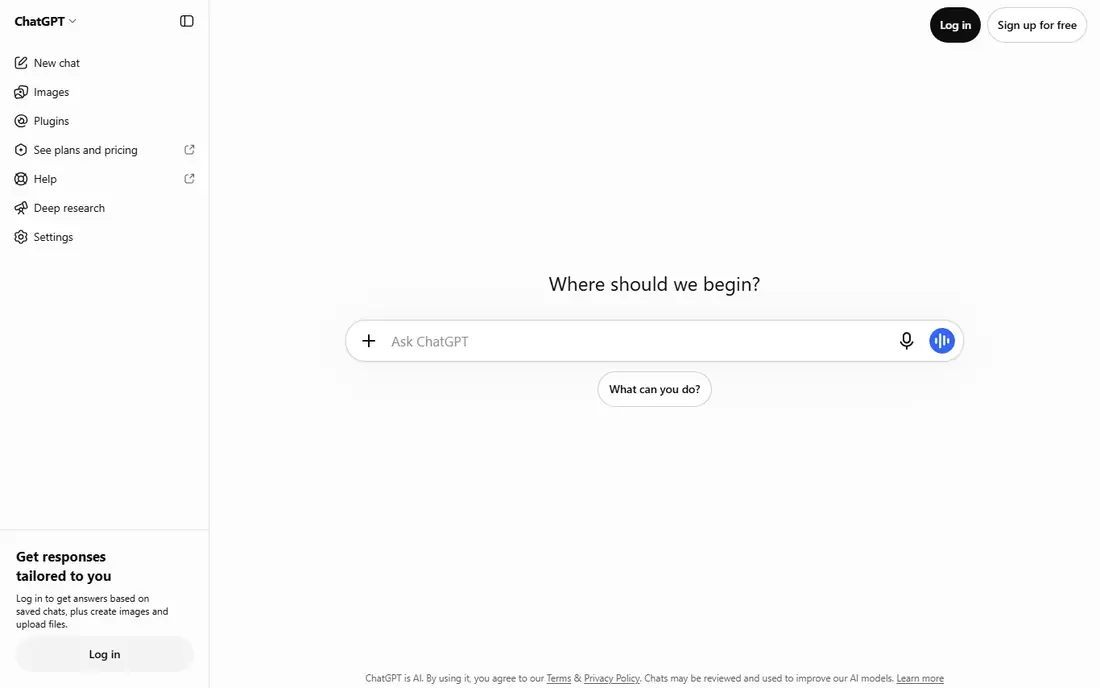
ChatGPT is aimed squarely at agent tasks inside a fixed subscription. Until then, the included agent beats the extra one.
Honest limits: less of a dedicated agent computer than Manus: browsing and building happen inside ChatGPT's walls; team plans do not raise the per user agent allowance above Plus in current documentation.
Starting cost for ChatGPT: $20 per month. ChatGPT offers a free plan.
- Inside the subscription most people already pay for
- Pro levels raise agent allowances significantly (400 messages at the $100 level in one analysis)
- Agent work shares limits with the chat usage your team already consumes
Perplexity
Ideal for: Research reports with inspectable sources

Perplexity is designed for research reports with inspectable sources. Perplexity earns its place on transparency.
Buying Max for search is the category's most pricey misunderstanding. Scope it correctly: Pro for research and reports, Max only if the Computer agent's autonomous runs are your workflow. Perplexity pricing: $20 per month. Perplexity offers a free plan.
Trade-offs to know: at 100 credits per dollar on Max; free plan is a search product.
- The Computer agent level sits in Max at $200
- A habit this category needs, uniquely
- Far above the $20 headline
Lindy
Ideal for: Inbox and workflow automation
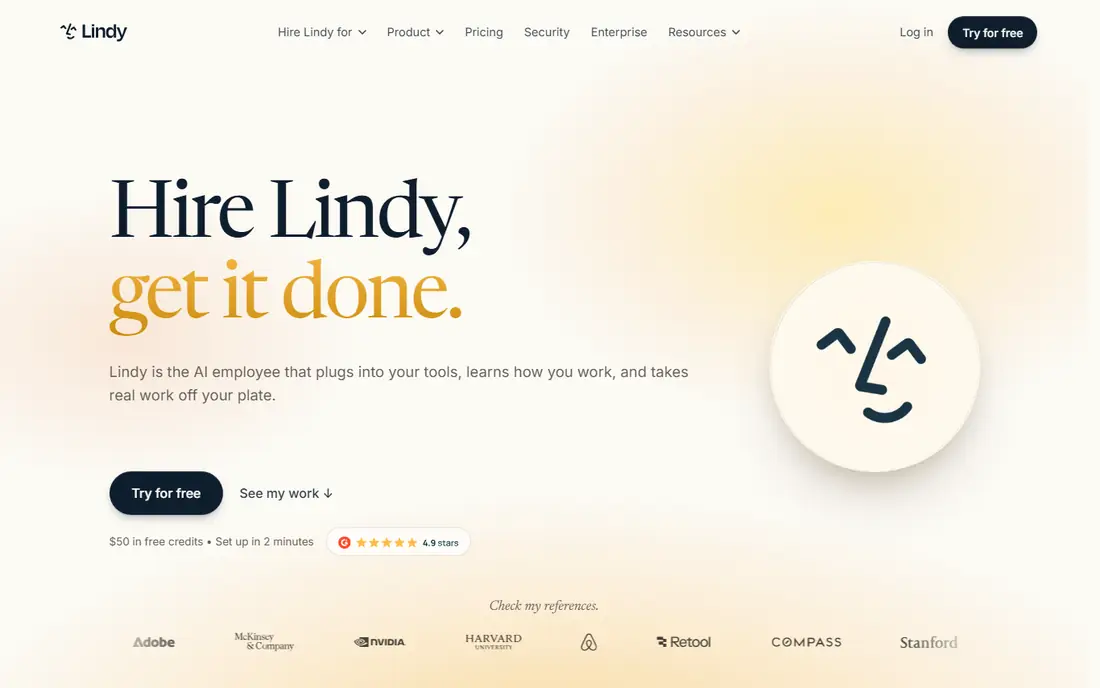
Pick Lindy if this describes you: inbox and workflow automation. Its agents behave like junior operations staff with playbooks, which is a different product from a research agent and should be bought as one.
More specifically, Lindy subscriptions justify themselves in reclaimed routine time or not at all. There is no benchmark chart that answers it for you. What you pay to start with Lindy: $29.99 per month. A free plan is available with Lindy.
Where it falls short: Not a research or deliverables agent: reports and decks are outside its centre.
- Made for recurring operational work: inbox triage
- Below the per user Team pricing some sources quote from $49.99
- Less general intelligence on open ended tasks than the frontier chatbots here
Claude
Ideal for: Documents, analysis and careful revision
Claude makes the most sense for documents, analysis and careful revision. Claude closes the list as the thinking partner alternative. In daily use, for those, Claude's quality per interaction beats an agent's autonomy.
Reasons to shortlist it: Pro at $20 per month with a capable free plan; connectors and projects organise continuing work.
Where it is weaker: Not a general agent computer in Manus's sense: autonomous multi hour web execution is not the product's centre; scheduling and background automation are thinner than Lindy's or Manus's.
Be clear about the boundary before substituting. On top of that, plenty of Manus tasks in real offices are not autonomous quests but documents that require drafting, checking and improving with a human in the loop. On cost, Claude starts like this: $20 per month. Claude includes a free tier.
- Its desktop presence extends into file based tasks
- A safety and instruction following reputation that matters when agents touch real documents
- Allowances are plan limits
Genspark
Ideal for: Slides, docs and media deliverables
Genspark was built for Slides, docs and media deliverables. Genspark is the alternative chosen when the deliverable is a file, not an answer. Its users hand it a topic and receive a deck, a sheet, a document.
For everyday use, price the opacity honestly. With no published per task costs and retries billed, a heavy month can surprise you. Run your standard tasks in the first week, read the credit ledger, and extrapolate before the work becomes load bearing. Genspark starts at: $24.99 per month. Genspark includes a free tier.
Upsides: A super agent routing across dozens of models and tools to produce finished artefacts: slides, sheets, documents; core chat is free on premium plans into December 2026. Points against: Genspark does not publish what an usual task costs; its help pages confirm failed retries are charged and flagged outputs are still billed.
- Call and media features (including Call For Me, billed per second) go beyond Manus's scope
- Images and video, Plus at $24.99 per month contains 10,000 credits, which one October 2026 analysis calculates as 400 credits per dollar
- Free accounts carry a lifetime credit cap behind the daily refresh
How the list was put together
We compared the tools on published pricing, free plan or trial availability, feature coverage for Manus AI, and the limits each vendor documents. Prices and plan limits come from vendor pages and can change, so confirm them on the vendor site before you buy. We ordered the tools by general fit, then by how clearly pricing is shown, then by free access. A buyer with unusual needs may reorder them.
Questions to settle before buying
- Prices are a starting point; ChatGPT shows $20 per month to start, so verify what your seat count would cost.
- Read the fine print on the free plans from ChatGPT, Perplexity, Lindy and others; seat, project and feature caps differ.
- Find out whether the entry plan of Claude covers your must-haves or only a trimmed-down version.
- Test the integrations you rely on with Lindy before committing; some connectors sit on upper tiers.
- Work out what Genspark costs with your real seat count, add-ons and usage, not just the entry price.
Frequently asked questions
Which options for Manus AI have a free plan?
On this list, ChatGPT, Perplexity, Lindy, Claude and Genspark include a free plan. Caps on seats, usage or features are common, so test the free plan against your real workload.
Is ChatGPT the right pick for everyone comparing Manus AI?
No single tool suits every team. ChatGPT comes first because it fits agent tasks inside a fixed subscription, while Perplexity suits research reports with inspectable sources and Lindy suits inbox and workflow automation. Match the tool to your own size, budget and workflow before deciding.
How are the tools for Manus AI ordered?
ChatGPT sits first and Genspark last because the order follows typical fit for Manus AI, then price clarity and free access. It is a judgement call, so read each profile for fit and limits.
Can I try these tools before paying?
Often, yes. ChatGPT, Perplexity, Lindy and others have a free plan. Use your own data and a real task during the test, and check what the free tier or trial limits before you rely on it.
What should I check before paying for any agent?
Four things: what a task costs (published or measured), whether failed runs are billed, whether credits roll over (Manus's do not), and what happens to your data and connected accounts.