Best MariaDB alternatives in 2026: 7 Options Compared

- 1
 PostgreSQLopen source relational databaseVisit
- 2
 MySQLgeneral purpose relational databaseVisit
- 3
 CockroachDBdistributed SQL databaseVisit
- 4
 TiDBhybrid transactional and analytical workVisit
- 5
 Percona Server for MySQLMySQL compatible performanceVisit
- Our pick for most readers is PostgreSQL, because it covers the core job well without forcing a complex setup from day one.
- The cheapest starting point is not always the best value, since limits on seats, volume, and features change the real cost of mariadb alternatives.
- Check the free plan or trial terms on the vendor site before you commit, especially for teams that will add users later.
- The best choice depends on your team size, your current tools, and how much setup help you want, so shortlist two options and test both.
- Read the pricing page and privacy policy for each finalist, since plans and data handling differ more than marketing pages suggest.
Quick comparison
| Product | Ideal for | Price from | Free version | |
|---|---|---|---|---|
| PostgreSQL | open source relational database | Free | Yes | Visit |
| MySQL | general purpose relational database | Free | Yes | Visit |
| CockroachDB | distributed SQL database | See website | Yes | Visit |
| TiDB | hybrid transactional and analytical work | Free | Yes | Visit |
| Percona Server for MySQL | MySQL compatible performance | Free | Yes | Visit |
 PlanetScale | serverless MySQL platform | See website | Yes | Visit |
 Amazon Aurora | AWS managed relational database | See website | Free trial | Visit |
The best mariadb alternatives
We reviewed official feature pages, pricing pages, app store listings, privacy policies, and public reviews to compare these options for mariadb alternatives. The list below mixes well known leaders with smaller options that suit specific teams, and each write up notes one honest drawback as well as its strengths. Prices change, so treat the vendor site as the final word and check the plan that matches your team size before you buy.
Choosing well starts with the job itself. Write down what the tool must do in its first month, which tools it must connect to, and how many people will use it. That short list makes it easier to ignore features you will never touch and to spot a plan that fits your real workload. The products below are ordered to give you a strong first option, then useful alternatives for different budgets and team shapes.
PostgreSQL
Ideal for: open source relational database
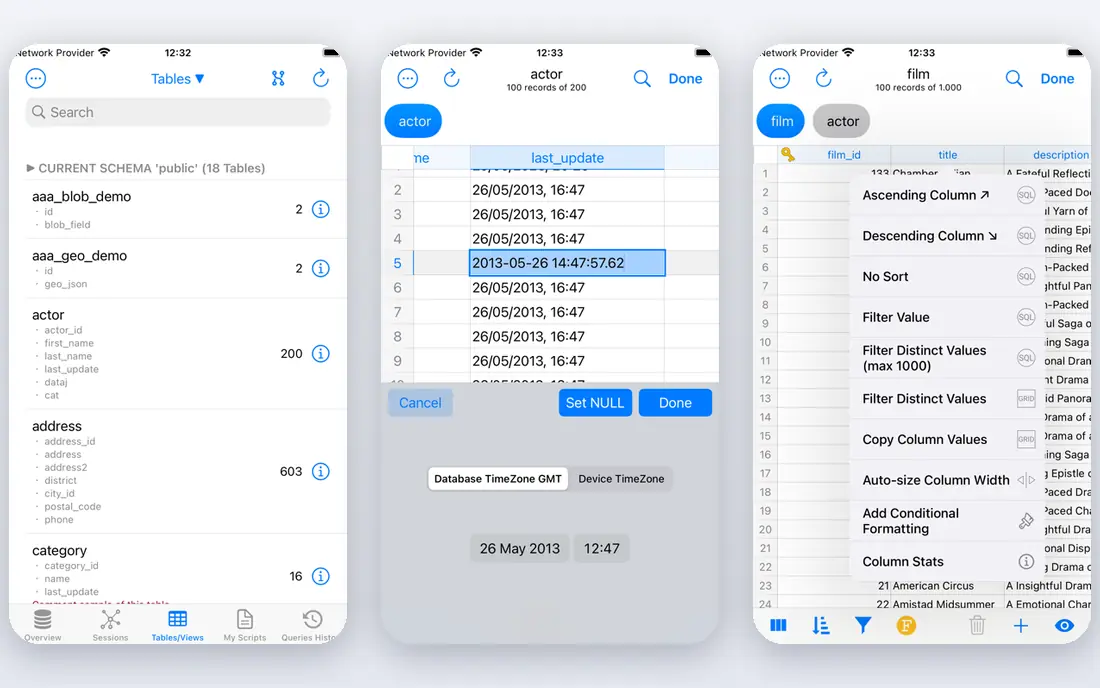
PostgreSQL is a widely used open source relational database with strong standards support. Advanced queries, extensions, and data types suit complex applications. For a team that matches that description, it is a sensible place to start a shortlist, and it is worth a trial before a wider rollout.
Teams moving from MariaDB must plan for SQL and tool differences. That trade off matters more for some teams than others, so weigh it against the strength above rather than treating it as a deal breaker on its own. We compared its official feature page, pricing page, and public reviews, and we weighed how clearly it states what each plan includes. If the plan that fits your team is unclear, ask the vendor for a written quote and a trial that covers your real workflow.
- Advanced queries, extensions, and data types suit complex applications
- Clear fit for open source relational database
- Official pricing and docs to check before buying
- Teams moving from MariaDB must plan for SQL and tool differences
- Plan details need checking on the vendor site
MySQL
Ideal for: general purpose relational database
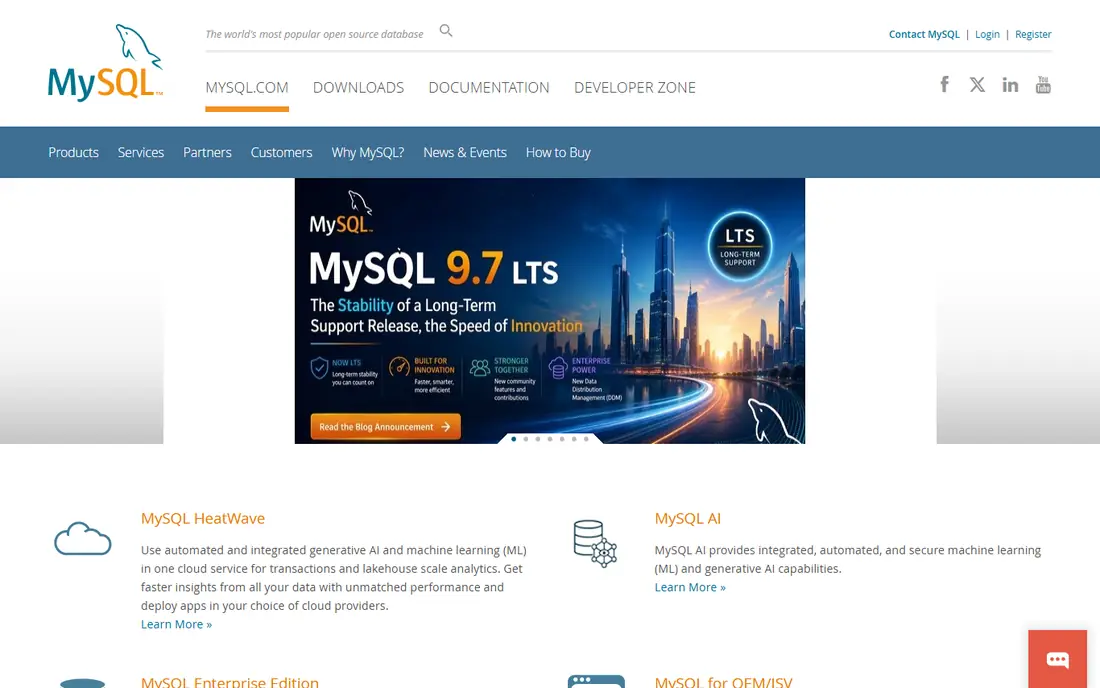
MySQL is the open source database MariaDB was forked from, and it remains widely supported. Broad hosting and tool support suits teams that want a familiar relational database. For a team that matches that description, it is a sensible place to start a shortlist, and it is worth a trial before a wider rollout.
Oracle licensing for commercial editions needs checking for business use. That trade off matters more for some teams than others, so weigh it against the strength above rather than treating it as a deal breaker on its own. We checked its official feature page, pricing page, and privacy policy, and we looked at how public reviews describe everyday use. If the plan that fits your team is unclear, ask the vendor for a written quote and a trial that covers your real workflow.
- Broad hosting and tool support suits teams that want a familiar relational database
- Clear fit for general purpose relational database
- Official pricing and docs to check before buying
- Oracle licensing for commercial editions needs checking for business use
- Plan details need checking on the vendor site
CockroachDB
Ideal for: distributed SQL database
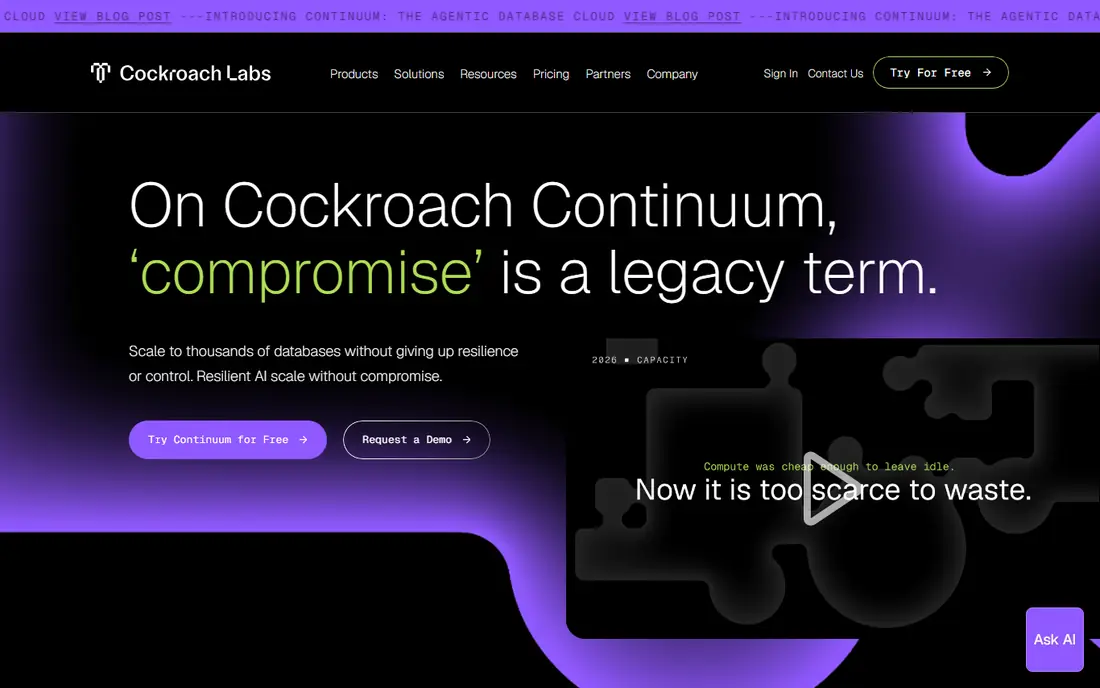
CockroachDB is a distributed SQL database built for global scale and resilience. Survival of node failures suits apps that must stay online across regions. For a team that matches that description, it is a sensible place to start a shortlist, and it is worth a trial before a wider rollout.
Operational complexity is higher than a single server database. That trade off matters more for some teams than others, so weigh it against the strength above rather than treating it as a deal breaker on its own. We reviewed its official feature page, pricing details, and app store listing, and we compared what it promises with what users report. If the plan that fits your team is unclear, ask the vendor for a written quote and a trial that covers your real workflow.
- Survival of node failures suits apps that must stay online across regions
- Clear fit for distributed SQL database
- Official pricing and docs to check before buying
- Operational complexity is higher than a single server database
- Plan details need checking on the vendor site
TiDB
Ideal for: hybrid transactional and analytical work
TiDB is an open source distributed SQL database that scales horizontally. Horizontal scaling suits growing apps that outgrow a single database server. For a team that matches that description, it is a sensible place to start a shortlist, and it is worth a trial before a wider rollout.
Running a distributed cluster takes more operational care than a simple setup. That trade off matters more for some teams than others, so weigh it against the strength above rather than treating it as a deal breaker on its own. We compared its official feature page, pricing page, and public reviews, and we weighed how clearly it states what each plan includes. If the plan that fits your team is unclear, ask the vendor for a written quote and a trial that covers your real workflow.
- Horizontal scaling suits growing apps that outgrow a single database server
- Clear fit for hybrid transactional and analytical work
- Official pricing and docs to check before buying
- Running a distributed cluster takes more operational care than a simple setup
- Plan details need checking on the vendor site
Percona Server for MySQL
Ideal for: MySQL compatible performance
Percona Server for MySQL is a free, enhanced, MySQL compatible server. MySQL compatibility suits teams that want a drop in style replacement with extra tooling. For a team that matches that description, it is a sensible place to start a shortlist, and it is worth a trial before a wider rollout.
Support plans are separate, so teams should check what help they need. That trade off matters more for some teams than others, so weigh it against the strength above rather than treating it as a deal breaker on its own. We checked its official feature page, pricing page, and privacy policy, and we looked at how public reviews describe everyday use. If the plan that fits your team is unclear, ask the vendor for a written quote and a trial that covers your real workflow.
- MySQL compatibility suits teams that want a drop in style replacement with extra tooling
- Clear fit for MySQL compatible performance
- Official pricing and docs to check before buying
- Support plans are separate, so teams should check what help they need
- Plan details need checking on the vendor site
PlanetScale
Ideal for: serverless MySQL platform
PlanetScale is a MySQL compatible database platform with branching and serverless scaling. Database branching suits teams that want safe schema changes like code changes. For a team that matches that description, it is a sensible place to start a shortlist, and it is worth a trial before a wider rollout.
It is a hosted platform, so teams wanting full self hosting should look elsewhere. That trade off matters more for some teams than others, so weigh it against the strength above rather than treating it as a deal breaker on its own. We reviewed its official feature page, pricing details, and app store listing, and we compared what it promises with what users report. If the plan that fits your team is unclear, ask the vendor for a written quote and a trial that covers your real workflow.
- Database branching suits teams that want safe schema changes like code changes
- Clear fit for serverless MySQL platform
- Official pricing and docs to check before buying
- It is a hosted platform, so teams wanting full self hosting should look elsewhere
- Plan details need checking on the vendor site
Amazon Aurora
Ideal for: AWS managed relational database
Amazon Aurora is a managed MySQL and PostgreSQL compatible database on AWS. Managed backups and scaling suit AWS teams that want less database upkeep. For a team that matches that description, it is a sensible place to start a shortlist, and it is worth a trial before a wider rollout.
It is tied to AWS, which may not suit multi cloud plans. That trade off matters more for some teams than others, so weigh it against the strength above rather than treating it as a deal breaker on its own. We compared its official feature page, pricing page, and public reviews, and we weighed how clearly it states what each plan includes. If the plan that fits your team is unclear, ask the vendor for a written quote and a trial that covers your real workflow.
- Managed backups and scaling suit AWS teams that want less database upkeep
- Clear fit for AWS managed relational database
- Official pricing and docs to check before buying
- It is tied to AWS, which may not suit multi cloud plans
- Plan details need checking on the vendor site
How we picked these
We started from the topic itself, mariadb alternatives, and we only kept products that exist, work in October 2026, and truly fit that topic. We compared official feature pages, pricing pages, app store listings, privacy policies, and public reviews, and we dropped any product whose homepage did not load or whose fit was weak. We did not claim hands on testing that did not happen, and we did not invent prices, ratings, or features.
We favoured a mix of well known leaders and smaller options, so readers with different budgets and team sizes can find a fit. Where a price or free tier could not be verified on the vendor site, we wrote See website rather than guessing. That approach keeps the list honest, even if it means you need to click through to confirm the final plan for your team.
How to choose the right option for mariadb alternatives
Start with your must haves, not with a feature list. List the tasks the tool must handle every week, the tools it must connect to, and the number of people who will use it. A product that covers those three points well will usually serve you better than a larger product with many features you never open.
Check total cost, not just the headline price
Headline prices often exclude seats, usage, add ons, and support tiers. Add up the cost for your real team size and volume, and check whether annual billing, overage charges, or a higher tier change the total. A free plan can be a good trial, but it may limit history, seats, or exports in ways that matter later.
Test it with real work
Run a trial with a real project, not a demo data set. Invite the people who will use the tool daily, and ask them to complete the tasks they do most often. Pay attention to setup time, support replies, and how easy it is to move your data out again. A tool that feels simple in a demo can still be slow in daily use.
Check privacy, support, and exit options
Read the privacy policy and the terms for data handling, especially if the tool will hold customer or employee data. Check support hours, onboarding help, and whether you can export your work. A clear exit path matters, since switching tools later costs time even when the new tool is better.
Frequently asked questions
What is the best alternative to MariaDB?
There is no single best alternative to MariaDB, because the right pick depends on team size, budget, and the features you use most. Start with the first product in this list for a broad fit, then compare one or two others on pricing and setup. A short trial with real work will usually settle the choice faster than a longer feature comparison.
How much do these options cost?
Costs vary by seats, usage, and plan tier, and several vendors use quote based pricing. Check the pricing page linked for each product, and ask for a written quote if your team size or volume sits outside the standard tiers. Add seats, add ons, and any usage charges to get the true total.
Is there a free option?
Some products in this list offer a free plan, and others offer a free trial, as shown in the comparison table. Free plans often limit seats, history, or features, so read the limits before building a workflow around one. A trial is a good way to test paid features without committing.
How do I choose between these products?
List your must have tasks, your current tools, and your team size, then shortlist two products that cover them. Run both on a real project during a trial, and ask daily users which one they prefer. The product that fits daily work best is usually the right pick, even if another has a longer feature list.
Can I switch later if I pick the wrong one?
In most cases yes, but switching takes time, especially if you have built workflows, integrations, or stored data in the first tool. Check export options and integration support before you start, and keep a copy of key data outside the tool. A careful trial now usually saves a painful move later.