This list puts Adobe Commerce first for complicated B2B and B2C experiences. SAP Commerce Cloud is the stronger choice for SAP-centric enterprises needing unified buying, while commercetools suits API-first composable commerce builds. Details, prices and limits for the rest of the 5 tools are below.
This Ainotely guide covers 5 options for Mirakl. Each profile lists a starting price, free plan details, strengths and drawbacks, so you can drop poor fits quickly.
Key takeaways
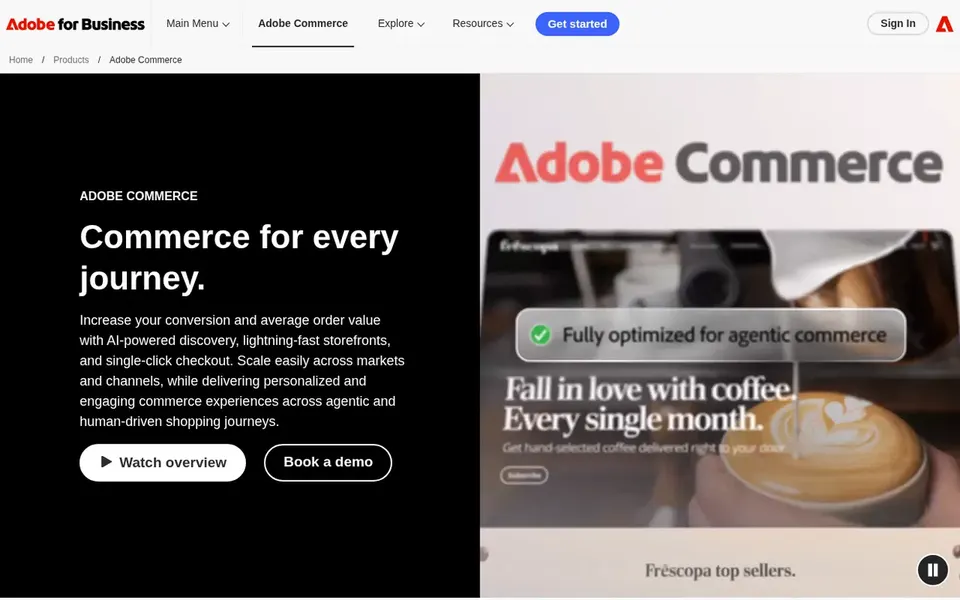
Adobe Commerce is the opening pick, best for complicated B2B and B2C experiences.
Adobe Commerce, Salesforce Commerce Cloud and the 3 others all need a premium plan or a trial, since no free plan is listed.
Salesforce Commerce Cloud is the one to check for teams already in the Salesforce ecosystem.
Every tool from Adobe Commerce to Salesforce Commerce Cloud works by quote, with no list price shown.
SAP Commerce Cloud comes with a trade-off: best value inside SAP landscapes.
Where Adobe Commerce fits: complicated B2B and B2C experiences. The composable approach lets teams assemble services around the core commerce engine.
Drawbacks to consider: Heavier implementation effort.
In practice, the product carries real implementation and maintenance overhead, so lean teams may find it demanding. Pricing for Adobe Commerce is not stated here, so ask the vendor for current figures. Free access: Not stated.
Best for: SAP-centric enterprises needing unified buying
For SAP-centric enterprises needing unified buying, SAP Commerce Cloud is a natural candidate. The system is most compelling within a SAP landscape, and standalone adopters may face heavier integration and implementation work.
From a buyer's view, B2B organizations with complicated pricing and catalogs are a typical fit. SAP Commerce Cloud does not show a starting price in this comparison, so check the vendor site for current pricing. As for free access: Not stated.
Pick commercetools if this describes you: API-first composable commerce builds. commercetools calls itself the digital commerce AI company, offering enterprise commerce infrastructure for AI agents and the capacity to build experiences across online, in-store, in-chat and agent-to-agent channels from one unified engine.
Limits to weigh: Needs development resources.
In daily use, choose a more managed product if you prefer bundled front-end and operational tooling. In practice, the composable approach demands engineering capacity and architectural planning, which can slow teams without those resources. Check the vendor site for commercetools pricing; none is listed in this comparison. As for free access: Free trial.
Best for: Brands wanting managed enterprise commerce
Choose Shopify Plus for brands wanting managed enterprise commerce. Consider alternatives when your core requirement is a marketplace model instead of a brand storefront. Teams moving off a marketplace system commonly choose it to ease operations whereas keeping room to grow across channels.
Where it is weaker: Customization relies on apps and APIs.
Its strength is direct commerce instead of native multi-vendor marketplace logic, so operators with complicated seller onboarding may need apps or adjacent services. From a buyer's view, Shopify Plus is the enterprise level of Shopify, positioned as a commerce system for large brands with plans aimed at scale. No starting price is listed for Shopify Plus here; confirm pricing on the vendor site. Trial and free access: Not stated.
Best for: Teams already in the Salesforce ecosystem
Salesforce Commerce Cloud makes the most sense for teams already in the Salesforce ecosystem. Salesforce Commerce Cloud is the commerce offering within Salesforce, pitched at organizations that want shopping experiences connected to their customer data and service operations.
Drawbacks to consider: Configuration can be involved.
Beyond that, teams value the capacity to unify customer journeys across channels. Also, weigh alternatives when you want a standalone commerce engine without broader product commitments. Salesforce Commerce Cloud shows no starting price here, so confirm the cost on the vendor site. Free plan details: Not stated.
Ask each vendor, from Adobe Commerce to Salesforce Commerce Cloud, for a written quote; none of them publishes a starting price.
Use real work to test the free trial from commercetools, rather than a demo project.
Before choosing Adobe Commerce, weigh its main limit: heavier implementation effort.
Ask Adobe Commerce about contract length, onboarding fees and user minimums before you sign.
Check whether the features you need in commercetools sit on the entry plan or only on higher tiers.
How we picked
Ainotely looked at what each vendor publishes: pricing, plan limits, feature coverage for Mirakl and stated drawbacks. No hands-on testing is claimed. Prices and plan limits come from vendor pages and can change, so confirm them on the vendor site before you buy. The sequence is a judgement call: typical use case first, then pricing transparency, then free access. Use the profiles to check fit.
Every price and plan detail on this page comes from the vendors’ own websites. We did not run hands-on tests unless the text says so, and we do not publish star ratings or review scores. See how we score and our disclosure.
Keep your shortlist in one place
Paste prices, trial dates and notes from this guide into Ainotely, our AI note app. It files them into a topic and pulls out tasks like “cancel trial by Friday”. Free 7-day trial, no card needed.
Often, yes. commercetools offers a free trial. Use your own data and a real task during the test, and check what the free tier or trial limits before you rely on it. Pricing, free plan details and limits for all 5 tools in this Mirakl alternatives roundup sit on the individual cards above.
Which choice suits a composable, API-first strategy?
commercetools is positioned around API-first, agent-ready commerce infrastructure, making it a natural candidate for composable builds. Both reward teams with development resources to assemble and maintain the stack.
Does any tool for Mirakl here have a free plan?
No tool in this list, Adobe Commerce and Salesforce Commerce Cloud included, has a permanent free plan. commercetools offer a trial. Trials and quotes are the usual route, so plan a short evaluation period.
Is Adobe Commerce the right pick for everyone comparing Mirakl?
No single tool suits every team. Adobe Commerce comes first because it fits complex B2B and B2C experiences, while SAP Commerce Cloud suits SAP-centric enterprises needing unified buying and commercetools suits API-first composable commerce builds. Match the tool to your own size, budget and workflow before deciding.
Do these tools publish their prices?
No. None of the tools, from Adobe Commerce to Salesforce Commerce Cloud, shows a fixed starting price here, so budget time for quotes.