Cohere is the first pick on this list for enterprises wanting private, configurable models. Listed starting prices: Anthropic Claude from $17 per month. Alternatives: AI21 Studio for specialized post-trained models for specific tasks, and Google Gemini for teams already inside the Google ecosystem. All 5 tools are compared below on price, free plan and limits.
If you are comparing Mistral AI, this page covers 5 tools in one place: what each is best for, what it costs to start, whether it has a free plan, and the main limit to know about.
Key takeaways
Cohere takes the first slot, best suited to enterprises wanting private, configurable models.
Azure OpenAI Service fits enterprises standardizing on Microsoft Azure.
Google Gemini comes with a trade-off: best value when you use Google services.
Anthropic Claude stands alone as the one tool in this list with a free plan.
Anthropic Claude is the lowest-priced starter here at $17 per month.
Best for: Enterprises wanting private, configurable models
Cohere targets enterprises wanting private, configurable models. Consider a hyperscaler marketplace if wide model variety and existing cloud billing are higher priorities than a focused enterprise vendor.
Cohere builds models and AI options geared toward enterprises, with an emphasis on private, secure and configurable deployments that automate processes and turn fragmented data into insights. Check the vendor site for Cohere pricing; none is listed in this comparison. On free options: Not stated.
The main drawbacks: Less consumer-facing presence. Main advantages: Focus on private.
Best for: Specialized post-trained models for specific tasks
AI21 Studio makes the most sense for specialized post-trained models for specific tasks. Pick a broader system if you need plenty of model families under one roof.
AI21 Studio shows no starting price here, so confirm the cost on the vendor site. On free options: Free trial.
Where it falls short: Narrower general-purpose lineup.
Best for: Teams already inside the Google ecosystem
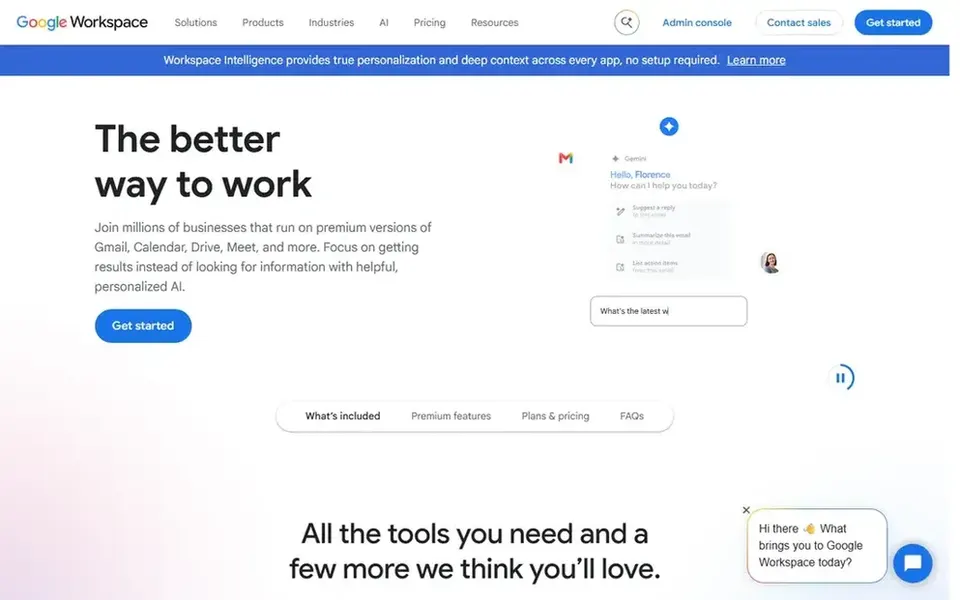
Choose Google Gemini for teams already inside the Google ecosystem. Gemini is Google's AI assistant and model family, reachable through a consumer app and through Google's developer products. It also works as a general assistant for individuals and small teams that want a capable multimodal model without a separate vendor relationship.
The main drawbacks: Feature availability varies by region.
On top of that, consider a cloud-hosted alternative if you need a single procurement and governance path across several model providers. In practice, since Gemini is closely tied to Google's own surfaces, teams standardized on other clouds may find integration less direct. Google Gemini shows no starting price here, so confirm the cost on the vendor site. On free options: Not stated.
Best for: Safety-focused model access with a clear API
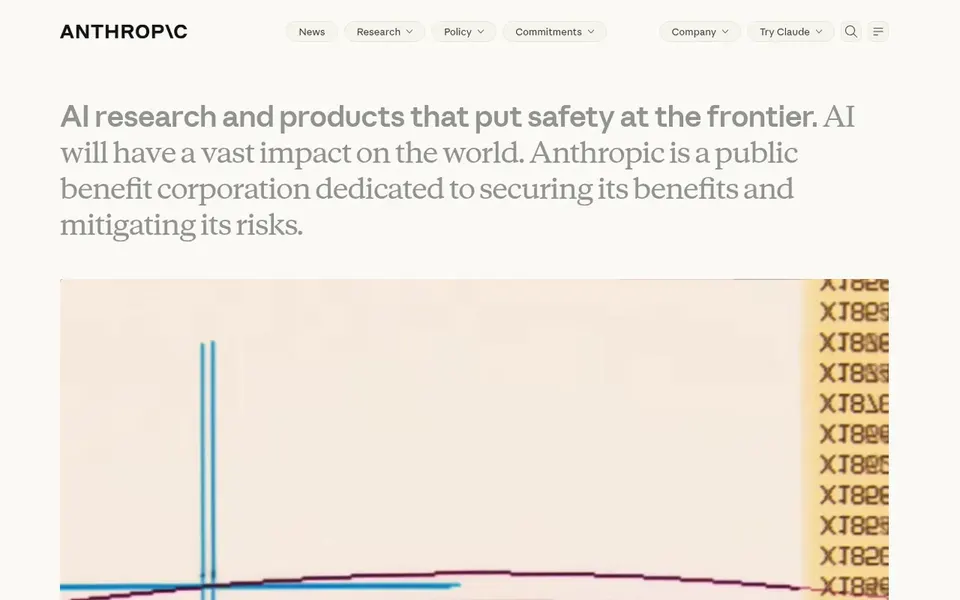
Anthropic Claude is built with safety-focused model access with a clear API in mind. Anthropic describes itself as an AI safety and research company building steady, interpretable and steerable AI systems. The tradeoff is that Claude is a single-vendor model family.
What works well: Capable documentation for builders.
Downsides: Fewer native cloud bundling choices.
So teams needing numerous model choices under one contract may prefer a cloud marketplace instead. In daily use, pick something else if your stack is deeply tied to another cloud provider and you want billing and governance in one place. Entry price for Anthropic Claude: $17 per month. Free access exists with Anthropic Claude.
Best for: Enterprises standardizing on Microsoft Azure
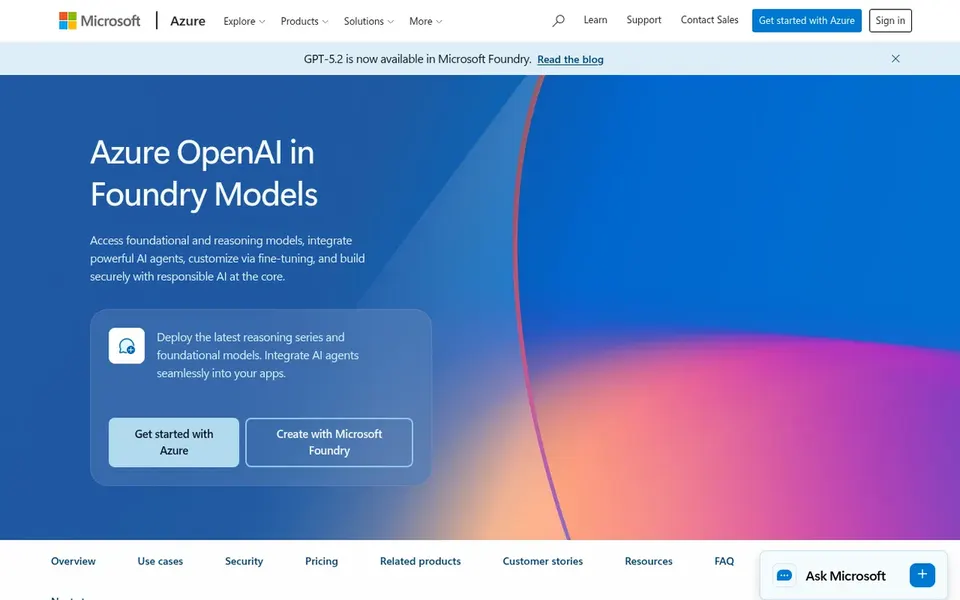
Choose Azure OpenAI Service for enterprises standardizing on Microsoft Azure. Choose a more straightforward provider if you just need a fast model endpoint without cloud administration.
Points against: Setup and governance add overhead.
No starting price is listed for Azure OpenAI Service here; confirm pricing on the vendor site. Free access: Free trial.
Confirm the entry price on the vendor page. For Cohere, AI21 Studio, Google Gemini and Azure OpenAI Service that means a quote rather than a fixed price.
Look at the free plan from Anthropic Claude closely: its caps decide whether it is usable for real work.
Take the trial from AI21 Studio and Azure OpenAI Service and push a live task through it before you pay.
Before choosing Cohere, weigh its main limit: less consumer-facing presence.
Ask Cohere about contract length, onboarding fees and user minimums before you sign.
Add up seats, add-ons and usage charges for Google Gemini before comparing it with cheaper entries.
How we picked
Ainotely used vendor pricing pages and product documentation as the base, then compared plans, free access and documented limits for 5 tools. Plan names, prices and limits change often. Treat the figures here as a starting point and verify them with the vendor. We ordered the tools by general fit, then by how clearly pricing is shown, then by free access. A buyer with unusual needs may reorder them. Keep it in mind while reading the 5 Mistral AI alternatives profiles on this page.
Every price and plan detail on this page comes from the vendors’ own websites. We did not run hands-on tests unless the text says so, and we do not publish star ratings or review scores. See how we score and our disclosure.
Keep your shortlist in one place
Paste prices, trial dates and notes from this guide into Ainotely, our AI note app. It files them into a topic and pulls out tasks like “cancel trial by Friday”. Free 7-day trial, no card needed.
Often, yes. Anthropic Claude has a free plan and AI21 Studio and Azure OpenAI Service offer a free trial. Use your own data and a real task during the test, and check what the free tier or trial limits before you rely on it.
How are the tools for Mistral AI ordered?
The order follows typical fit for Mistral AI, with Cohere first and Azure OpenAI Service last, then price clarity and free access. It is editorial judgement, not a score, so another team could rank the tools differently.
Which options for Mistral AI have a free plan?
Anthropic Claude is the only tool in this list with a free plan. Free plans usually cap users, projects or features, so check the limits on the vendor page. Several others offer a trial instead.
Which option fits enterprises with sensitive data?
Cohere emphasizes private, secure and configurable enterprise deployments, and Azure OpenAI Service stresses enterprise-ready controls. Either can fit, but verify data processing and retention terms on the vendor site for your specific region.
Do these tools publish their prices?
Not all of them. Cohere, AI21 Studio, Google Gemini and Azure OpenAI Service publish no starting price, so expect a quote request for those. The rest, Anthropic Claude included, show a starting price, though seats and billing terms still change the final cost.