Best Moodle Alternatives in 2026: 8 Platforms Compared

- 1
 CanvasSchools and universities that need a modern LMSVisit
- 2
 Google ClassroomSchools that already use Google WorkspaceVisit
- 3
 Blackboard LearnUniversities that need a full enterprise LMSVisit
- 4
 SchoologyK-12 schools that want an LMS with social featuresVisit
- 5
 TalentLMSBusinesses that need employee training fastVisit
- Our pick for most people is Canvas, because it balances price, features and ease of use for the widest group of readers.
- Free plans are real here, but the limits matter: check what Google Classroom and Blackboard Learn actually include before you commit.
- Prices in this guide come from vendor pricing pages and current comparisons checked in October 2026, and they can change, so confirm the plan on the vendor site before you buy.
- The best choice depends on your budget, your experience level and how much support you want, not on which brand is most famous.
Quick comparison
| Product | Ideal for | Price from | Free version | |
|---|---|---|---|---|
| Canvas | Schools and universities that need a modern LMS | See website | Free trial | Visit |
| Google Classroom | Schools that already use Google Workspace | Free | Yes | Visit |
| Blackboard Learn | Universities that need a full enterprise LMS | See website | No | Visit |
| Schoology | K-12 schools that want an LMS with social features | See website | Free trial | Visit |
| TalentLMS | Businesses that need employee training fast | See website | Yes | Visit |
 LearnDash | WordPress sites that sell or deliver courses | See website | No | Visit |
 Teachable | Creators who sell online courses | See website | Free trial | Visit |
 Thinkific | Creators who want branded course sites | See website | Yes | Visit |
The best Moodle Alternatives in 2026
We compared official feature pages, pricing pages, app store listings, privacy policies and public reviews to build this list for moodle alternatives. Every option below exists and works today, and each one earns its place for a different kind of reader. We did not claim hands-on testing we did not do; our comparison rests on the published material above, and we note the honest limits of each option as we go.
Canvas
Ideal for: Schools and universities that need a modern LMS

Here is the short version. Canvas is the most common Moodle replacement in higher education, because its clean interface and strong mobile app make daily teaching and grading simpler for staff and students. It fits readers who want schools and universities that need a modern lms, and its published feature set matches that promise rather than trying to cover every possible use case at once. When we weighed it against the rest of this list, the balance of price, scope and support stood out for that group, and that is why it earned a place here. The price picture is see website, with a free plan status of free trial. The catch is pricing: full institutional pricing comes through a sales quote, so smaller schools should get a clear figure before planning a migration. Before you sign up, check the current plan limits on the official site, because caps on users, usage or features are where most buyers get surprised after the first month, and a short trial will usually reveal them.
- Clean interface
- Strong mobile app
- Broad integrations
- Full pricing needs a sales quote
- Smaller schools may find it costly
Google Classroom
Ideal for: Schools that already use Google Workspace

Start here if you want the safe default. Google Classroom suits schools already using Google Workspace, because setup is simple and assignments, Drive files and grading sit in one familiar place. It fits readers who want schools that already use google workspace, and its published feature set matches that promise rather than trying to cover every possible use case at once. When we weighed it against the rest of this list, the balance of price, scope and support stood out for that group, and that is why it earned a place here. The price picture is free, with a free plan status of yes. The catch is depth: it lacks some advanced LMS features, so universities with complex grading or reporting needs may outgrow it. Before you sign up, check the current plan limits on the official site, because caps on users, usage or features are where most buyers get surprised after the first month, and a short trial will usually reveal them.
- Free for schools
- Simple setup
- Tight Google Workspace integration
- Fewer advanced LMS features
- Limited grading and reporting depth
Blackboard Learn
Ideal for: Universities that need a full enterprise LMS
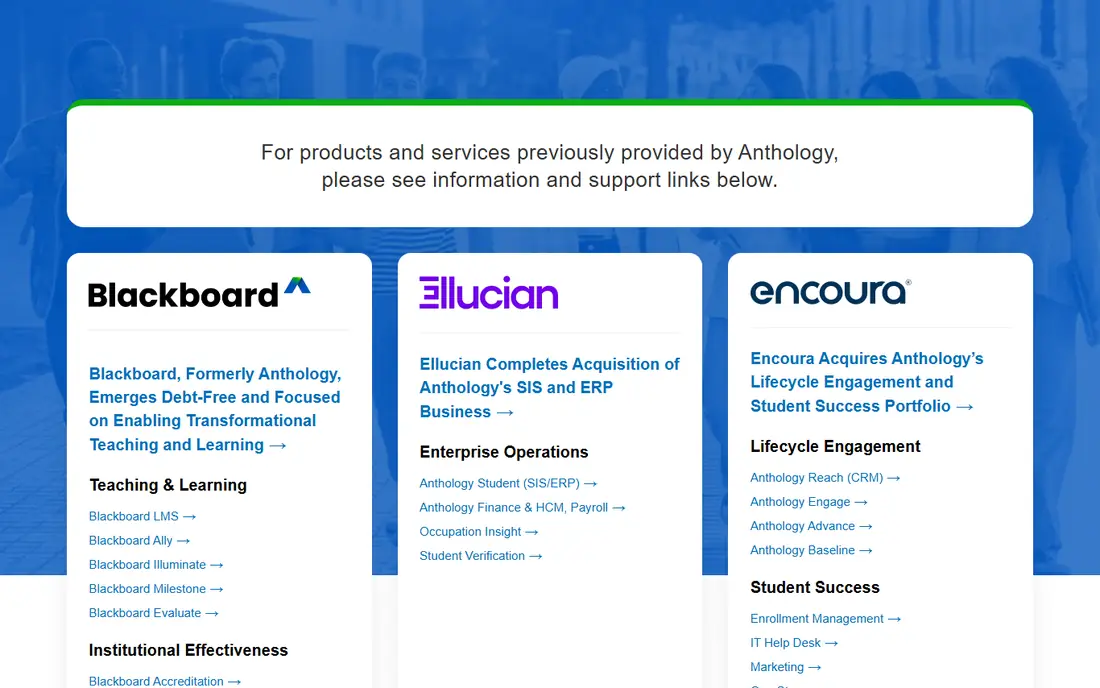
This one suits a specific kind of reader. Blackboard Learn, from Anthology, remains an enterprise option for universities that need a full feature set, accessibility tools and a long support history. It fits readers who want universities that need a full enterprise lms, and its published feature set matches that promise rather than trying to cover every possible use case at once. When we weighed it against the rest of this list, the balance of price, scope and support stood out for that group, and that is why it earned a place here. The price picture is see website, with a free plan status of no. The catch is implementation: a large rollout takes planning and training, so allow time and budget for both before the term starts. Before you sign up, check the current plan limits on the official site, because caps on users, usage or features are where most buyers get surprised after the first month, and a short trial will usually reveal them.
- Enterprise feature set
- Accessibility tools
- Long track record in higher education
- Interface can feel dated
- Implementation takes time
Schoology
Ideal for: K-12 schools that want an LMS with social features
Consider this if the top picks do not fit. Schoology is built for K-12 schools, with discussion tools and parent access that fit school communication better than a university-focused system. It fits readers who want k-12 schools that want an lms with social features, and its published feature set matches that promise rather than trying to cover every possible use case at once. When we weighed it against the rest of this list, the balance of price, scope and support stood out for that group, and that is why it earned a place here. The price picture is see website, with a free plan status of free trial. The catch is tiering: some advanced features sit in higher plans, so check the plan against your grading and reporting needs. Before you sign up, check the current plan limits on the official site, because caps on users, usage or features are where most buyers get surprised after the first month, and a short trial will usually reveal them.
- K-12 focus
- Discussion and collaboration tools
- Parent access options
- Some advanced features need higher tiers
- PowerSchool ownership changes may affect roadmaps
TalentLMS
Ideal for: Businesses that need employee training fast
A strong option for a narrower need. TalentLMS suits businesses that need employee training running quickly, because setup is fast and the free tier covers small teams getting started. It fits readers who want businesses that need employee training fast, and its published feature set matches that promise rather than trying to cover every possible use case at once. When we weighed it against the rest of this list, the balance of price, scope and support stood out for that group, and that is why it earned a place here. The price picture is see website, with a free plan status of yes. The catch is scale: the free tier caps users, so growing teams should price the next tier before they build a large course library. Before you sign up, check the current plan limits on the official site, because caps on users, usage or features are where most buyers get surprised after the first month, and a short trial will usually reveal them.
- Quick setup
- Free tier for small teams
- Course marketplace
- Free tier is limited in users
- Advanced reporting needs higher plans
LearnDash
Ideal for: WordPress sites that sell or deliver courses
Worth a close look before you decide. LearnDash turns a WordPress site into a course platform, with drip content, quizzes and certificates, which suits creators who already run WordPress. It fits readers who want wordpress sites that sell or deliver courses, and its published feature set matches that promise rather than trying to cover every possible use case at once. When we weighed it against the rest of this list, the balance of price, scope and support stood out for that group, and that is why it earned a place here. The price picture is see website, with a free plan status of no. The catch is maintenance: you own hosting, updates and backups, so it suits people comfortable with WordPress rather than those who want a hosted service. Before you sign up, check the current plan limits on the official site, because caps on users, usage or features are where most buyers get surprised after the first month, and a short trial will usually reveal them.
- WordPress integration
- Drip content and quizzes
- One-time style pricing options
- Needs WordPress hosting and maintenance
- Setup needs technical comfort
Teachable
Ideal for: Creators who sell online courses
This belongs on the shortlist for a reason. Teachable suits creators who want to sell courses without building a platform, because it handles payments, payouts and student accounts in one place. It fits readers who want creators who sell online courses, and its published feature set matches that promise rather than trying to cover every possible use case at once. When we weighed it against the rest of this list, the balance of price, scope and support stood out for that group, and that is why it earned a place here. The price picture is see website, with a free plan status of free trial. The catch is fees: lower plans charge transaction fees, so compare the total cost once your sales grow. Before you sign up, check the current plan limits on the official site, because caps on users, usage or features are where most buyers get surprised after the first month, and a short trial will usually reveal them.
- Easy course creation
- Payment and payout handling
- Student management
- Transaction fees on lower plans
- Less control than self-hosted options
Thinkific
Ideal for: Creators who want branded course sites
Do not overlook this one. Thinkific gives creators a branded course site with a free tier to start, and paid plans that avoid transaction fees, which helps as sales grow. It fits readers who want creators who want branded course sites, and its published feature set matches that promise rather than trying to cover every possible use case at once. When we weighed it against the rest of this list, the balance of price, scope and support stood out for that group, and that is why it earned a place here. The price picture is see website, with a free plan status of yes. The catch is the free tier limit on courses, so creators with a large catalogue should check the paid plan that fits their library. Before you sign up, check the current plan limits on the official site, because caps on users, usage or features are where most buyers get surprised after the first month, and a short trial will usually reveal them.
- Branded course sites
- Free tier
- No transaction fees on paid plans
- Free tier limits courses
- Advanced marketing tools need higher plans
How we picked these
We started from official feature pages and pricing pages, then checked app store listings, privacy policies and public reviews to confirm each product still works and still fits the topic. Products that could not be verified, or that only partly matched the topic, were left out, even when they were well known. We favoured a mix of established leaders and strong smaller options, and we weighted price transparency, a usable free tier or trial, and honest limits more heavily than marketing claims. No product on this list paid for its place, and our pick for most people is the one we would suggest to a friend with ordinary needs and an ordinary budget.
Moving from Moodle without losing your courses
Start with the outcome you want, not with the brand you have heard of most. Migration is the hard part of switching an LMS, so plan content transfer and staff training before you pick a platform. Write down the two or three features you will use every week, because a product that does those well is worth more than a product that does twenty things poorly. Then check the price for your actual usage, not the advertised starting price, since user counts, message volumes and storage limits change the bill quickly. Test your shortlist before you pay for a year in advance. A free tier or trial shows you the real interface, the real speed and the real limits, and it also shows you how support responds when you ask a question. Keep an eye on privacy and export options too, because a product that respects your data and lets you leave is usually a safer long term choice.
Frequently asked questions
What is the best moodle alternatives?
There is no single answer for everyone, because the right choice depends on your budget, your experience and the features you will actually use. Canvas is our pick for most people, while Google Classroom is a strong alternative when the top pick does not fit. Compare the free tier, the plan limits and the support before you decide.
Is there a free moodle alternatives option?
Yes, several options in this guide offer a free tier or a free trial, but the limits vary a lot, so check what is included before you rely on it. Free plans often cap users, usage or key features, and the paid tier is where the full product lives. Start free, test with a real task, and upgrade only when the limit gets in your way.
How much does moodle alternatives cost?
Prices vary widely across this list, from free tiers to paid plans priced per user, per month or per transaction, so check the vendor pricing page for the current figure. We list starting prices where we could verify them and write See website where the price depends on your plan or volume. Always confirm the total cost, including any add-ons, before you buy.
How do I choose between these options?
Start with the job you need done, then shortlist two or three options that fit that job and ignore the rest. Test the shortlist with a real task, check the plan limits and the export options, and read recent public reviews for complaints about support or billing. The option that fits your daily routine is usually better than the one with the longest feature list.
What should I check before signing up?
Check the plan limits, the renewal and cancellation terms, the privacy policy and how your data can be exported. For business tools, also check user limits and support hours, and for consumer apps, check the permissions the app asks for. A careful ten minute check now can save a painful switch later.