Start with Heidi Health if you need modern clinical practices wanting practical AI. Nuance Dragon Medical One is better for Speech-driven documentation within Microsoft, and Suki is better for ambient documentation to cut burnout. Prices, free plans and limits for all 5 tools follow.
If you are comparing Nabla, this page covers 5 tools in one place: what each is best for, what it costs to start, whether it has a free plan, and the main limit to know about.
Key takeaways
The list opens with Heidi Health, aimed at modern clinical practices wanting practical AI.
Abridge suits enterprise health systems and payers.
Heidi Health is the only tool of the 5 with a free plan.
Every tool from Heidi Health to Abridge works by quote, with no list price shown.
Best for: Modern clinical practices wanting practical AI
Think of Heidi Health for modern clinical practices wanting practical AI. Heidi Health presents itself as an AI care partner for modern clinical practice, supporting clinicians from documentation to evidence with practical tools meant to save time and cut admin. Its framing is practical and practice-oriented, which fits individual clinicians and clinics that want AI assistance woven into daily routines instead of a large enterprise rollout.
Honest limits: Integration list needs vendor confirmation.
As for the details, practices with complicated enterprise requirements should confirm integration and administrative controls with the vendor. Heidi Health is a sensible option when simplicity and everyday time savings matter most. Check the vendor site for Heidi Health pricing; none is listed in this comparison. A free plan is available with Heidi Health.
Best for: Speech-driven documentation within Microsoft
Where Nuance Dragon Medical One fits: Speech-driven documentation within Microsoft. Nuance Dragon Medical One is a well-known medical speech recognition and documentation tool, and Nuance is now part of Microsoft.
Watch-outs: Product details now sit across Microsoft channels.
In daily use, teams wanting completely ambient, conversation-based capture should check how Dragon Medical One takes care of that workflow. Since Nuance is now Microsoft, product information and purchasing paths may span several sites, so confirm current offerings straight. This comparison lists no price for Nuance Dragon Medical One; ask the vendor. As for free access: Not stated.
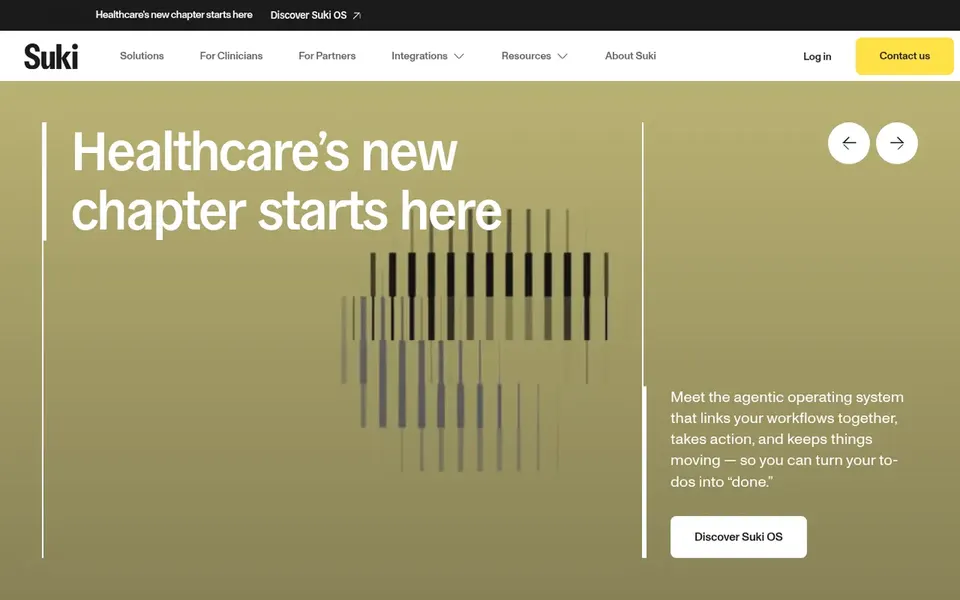
Suki is aimed squarely at ambient documentation to cut burnout. The homepage does not detail specialty coverage or integration choices, so confirm those with the vendor.
Also, organizations needing broad enterprise-wide analytics may want to compare broader systems. No starting price is listed for Suki here; confirm pricing on the vendor site. Trial and free access: Not stated.
Where it falls short: Restricted integration detail on homepage.
Best for: Clinicians tracking clinical and financial outcomes
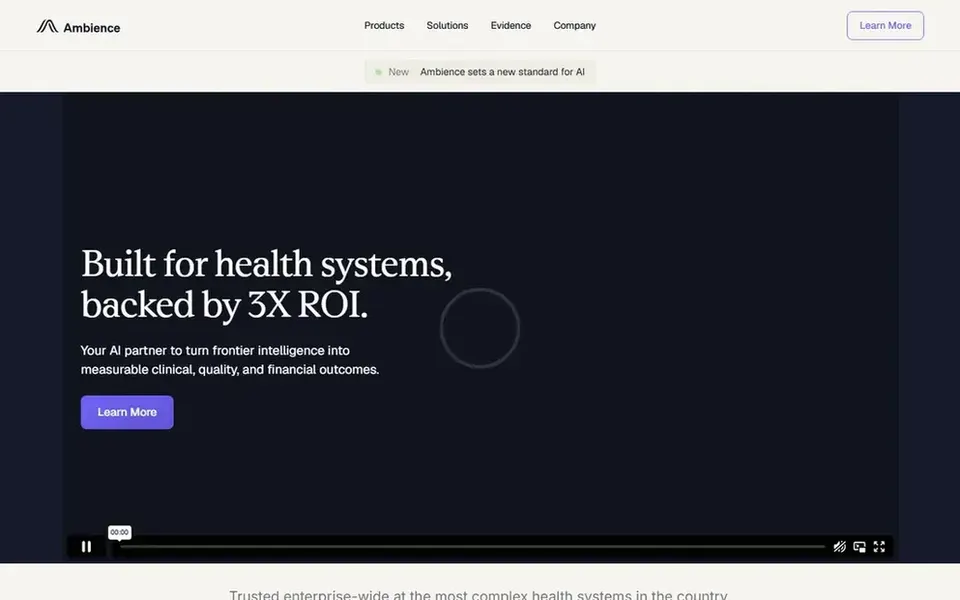
In short, Ambience Healthcare is for clinicians tracking clinical and financial outcomes. The emphasis on outcomes recommends it is pitched at organizations that want documentation support tied to broader performance goals, not just note generation. Ask for an in-depth feature walkthrough before committing.
Practices wanting a narrow, single-purpose transcription tool may find the positioning broader than required. The homepage leans on outcome language, so buyers should verify specific documentation features and integrations straight with the vendor. No starting price is listed for Ambience Healthcare here; confirm pricing on the vendor site. Free plan details: Not stated.
Where it is weaker: Outcome claims need vendor confirmation.
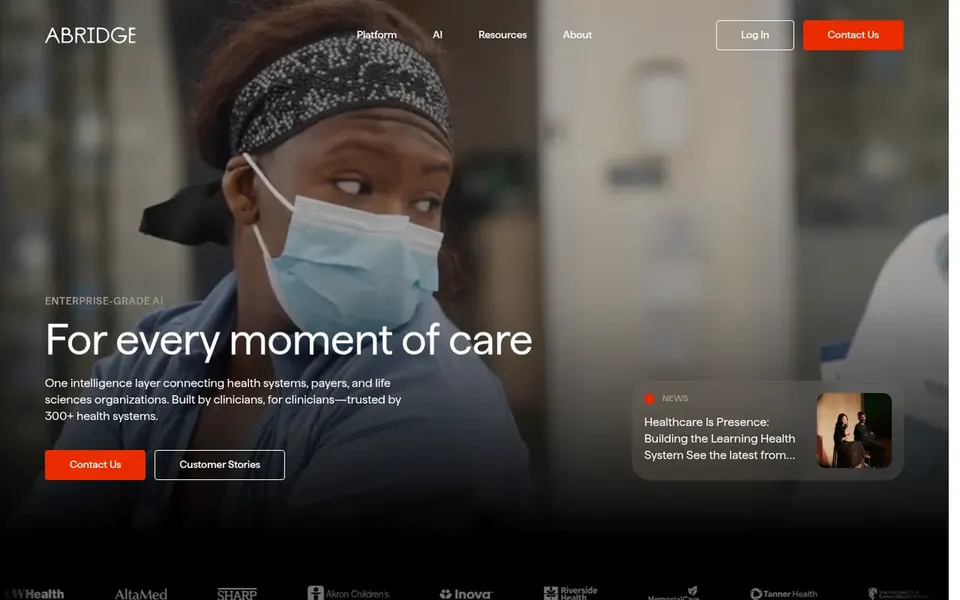
Abridge targets enterprise health systems and payers. Abridge positions itself as enterprise-grade clinical AI for healthcare, connecting health systems, payers and life sciences around clinicians and patients. Its messaging centers on supporting care across every moment instead of a single documentation task.
That makes it a fit for bigger organizations that want a clinical AI partner spanning multiple stakeholders, including administrative and research-facing teams. If your priority is a light tool for a single clinic, a more practice-focused choice may be more straightforward. Buyers should confirm which documentation workflows are covered and how integration works with existing systems. Abridge does not show a starting price in this comparison, so check the vendor site for current pricing. Free options: Not stated.
Points against: Restricted detail on individual features.
Ask each vendor, from Heidi Health to Abridge, for a written quote; none of them publishes a starting price.
Test the free plan from Heidi Health against your real workload before relying on it.
Read the limits listed for Heidi Health first: enterprise depth may be limited.
Find out whether the entry plan of Ambience Healthcare covers your must-haves or only a trimmed-down version.
Let daily users try Abridge on real work; their feedback beats any feature checklist.
How we picked
We compared the tools on published pricing, free plan or trial availability, feature coverage for Nabla, and the limits each vendor documents. Where a price is missing, the vendor does not list one publicly or ties it to a quote. Always confirm before budgeting. The sequence is a judgement call: typical use case first, then pricing transparency, then free access. Use the profiles to check fit.
Every price and plan detail on this page comes from the vendors’ own websites. We did not run hands-on tests unless the text says so, and we do not publish star ratings or review scores. See how we score and our disclosure.
Keep your shortlist in one place
Paste prices, trial dates and notes from this guide into Ainotely, our AI note app. It files them into a topic and pulls out tasks like “cancel trial by Friday”. Free 7-day trial, no card needed.
The order follows typical fit for Nabla, with Heidi Health first and Abridge last, then price clarity and free access. It is editorial judgement, not a score, so another team could rank the tools differently.
Can I compare documentation quality across these tools?
Published feature descriptions vary in depth, so direct demos are the practical way to compare. Ask each vendor to walk through your usual visit scenarios and confirm integration details on their site.
Can I try these tools before paying?
Often, yes. Heidi Health has a free plan. Use your own data and a real task during the test, and check what the free tier or trial limits before you rely on it. The 5 tool cards above repeat this per product for Nabla alternatives, with the listed price or "pricing on request".
Is Heidi Health the right pick for everyone comparing Nabla?
No single tool suits every team. Heidi Health comes first because it fits modern clinical practices wanting practical AI, while Nuance Dragon Medical One suits Speech-driven documentation within Microsoft and Suki suits ambient documentation to reduce burnout. Match the tool to your own size, budget and workflow before deciding.
Do these tools publish their prices?
No. None of the tools, from Heidi Health to Abridge, shows a fixed starting price here, so budget time for quotes.
What should I look for in a Nabla alternative?
Focus on how documentation is captured, whether ambient or dictation-based, and how it suits your EHR. Confirm specialty coverage, security documentation and support terms with each vendor before deciding.