Best Nagios Alternatives in 2026: 7 Tools Compared

- 1
 ZabbixFree enterprise monitoringVisit
- 2
 PrometheusCloud-native metrics monitoringVisit
- 3
 DatadogFull observability in one platformVisit
- 4
 PRTG Network MonitorWindows-friendly network monitoringVisit
- 5
 IcingaOpen source monitoring with Nagios rootsVisit
- Our pick for most people is Zabbix, because it balances price, features and ease of use for the widest group of readers.
- Free plans and trials are real here, but the limits matter: check what Prometheus and Datadog actually include before you commit.
- Prices in this guide come from vendor pricing pages and current comparisons checked in October 2026, and they can change, so confirm the plan on the vendor site before you buy.
- The best choice depends on your budget, your experience level and how much support you want, not on which brand is most famous.
Quick comparison
| Product | Ideal for | Price from | Free version | |
|---|---|---|---|---|
| Zabbix | Free enterprise monitoring | Free | Yes | Visit |
| Prometheus | Cloud-native metrics monitoring | Free | Yes | Visit |
| Datadog | Full observability in one platform | See website | Free trial | Visit |
| PRTG Network Monitor | Windows-friendly network monitoring | See website | Free trial | Visit |
| Icinga | Open source monitoring with Nagios roots | Free | Yes | Visit |
 Checkmk | Monitoring with strong auto-discovery | Free | Yes | Visit |
 LibreNMS | Free network device monitoring | Free | Yes | Visit |
The best Nagios Alternatives in 2026
We compared official feature pages, pricing pages, app store listings, privacy policies and public reviews to build this list for nagios alternatives. Every option below exists and works today, and each one earns its place for a different kind of reader.
Zabbix
Ideal for: Free enterprise monitoring
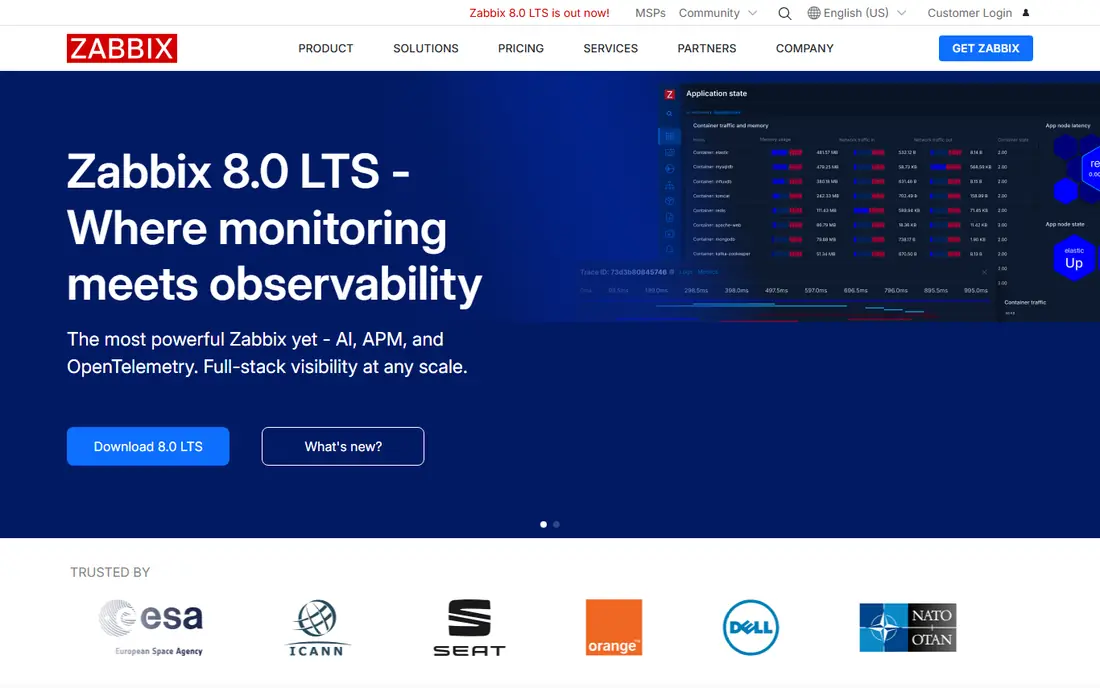
Here is the short version. Zabbix is the free enterprise pick, with templates and monitoring depth that rival paid tools. It fits readers who want free enterprise monitoring, and its published feature set matches that promise rather than trying to cover every possible use case at once. When we weighed it against the rest of this list, the balance of price, scope and support stood out for that group. The price picture is free, with a free plan status of yes. Setup takes skill, so only choose it if someone owns monitoring as a job. Before you sign up, check the current plan limits on the official site, because caps on users, usage or features are where most buyers get surprised after the first month. Our honest view is that Zabbix is worth a trial if its best fit matches your situation, and worth skipping if it does not. Compare it directly with one other option from this list on the same task, and pick the one that feels simpler to use on the second day, not just the first.
- Free and open source
- Broad monitoring
- Templates
- Setup and tuning take skill
- Interface is functional
Prometheus
Ideal for: Cloud-native metrics monitoring
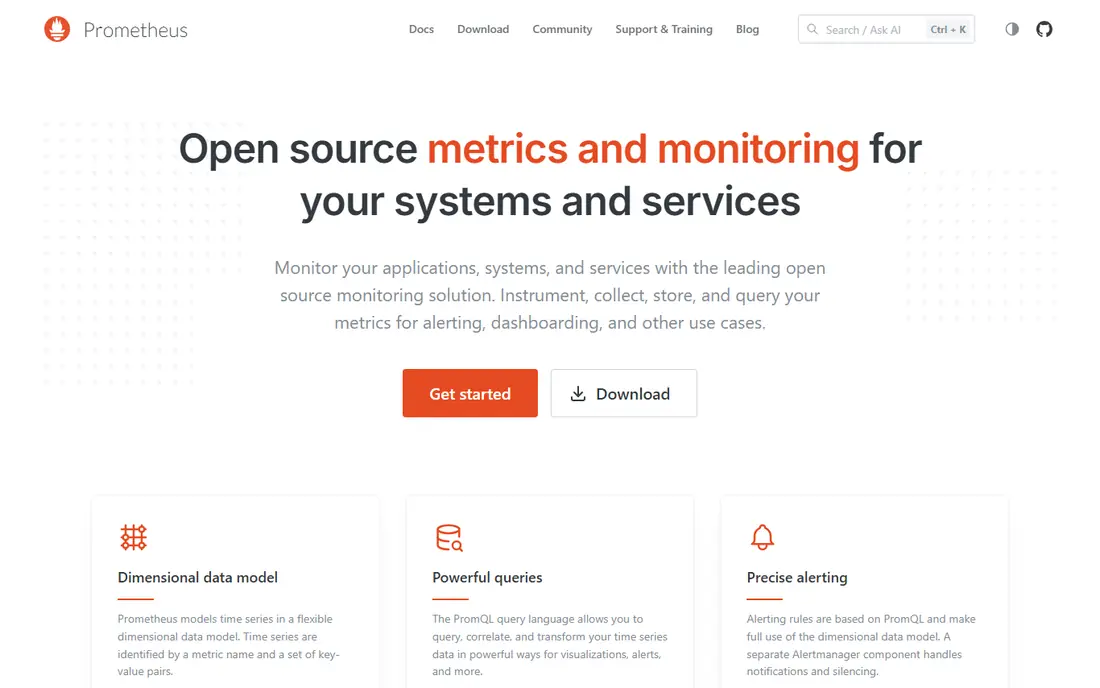
Start here if you want the safe default. Prometheus suits cloud-native teams, with metrics and alerting built for containers and Kubernetes. It fits readers who want cloud-native metrics monitoring, and its published feature set matches that promise rather than trying to cover every possible use case at once. When we weighed it against the rest of this list, the balance of price, scope and support stood out for that group. The price picture is free, with a free plan status of yes. Dashboarding needs Grafana, so budget that pairing from the start. Before you sign up, check the current plan limits on the official site, because caps on users, usage or features are where most buyers get surprised after the first month. Our honest view is that Prometheus is worth a trial if its best fit matches your situation, and worth skipping if it does not. Compare it directly with one other option from this list on the same task, and pick the one that feels simpler to use on the second day, not just the first.
- Free and open source
- Metrics and alerting
- Kubernetes focus
- Metrics focus
- Needs Grafana for dashboards
Datadog
Ideal for: Full observability in one platform
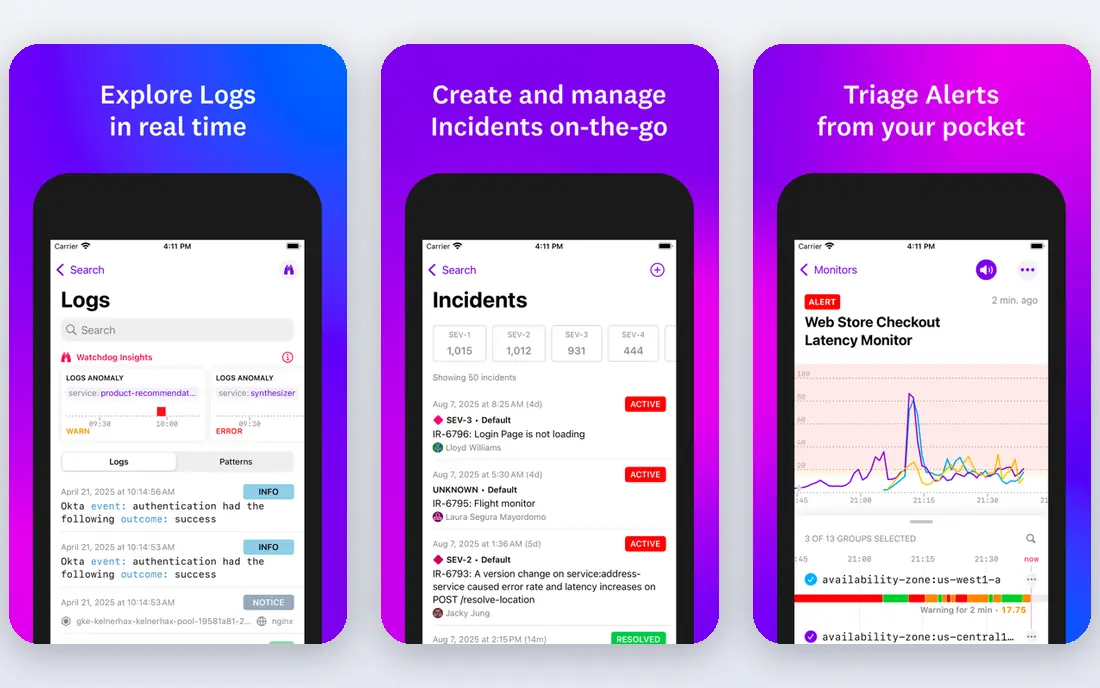
This one suits a specific kind of reader. Datadog suits teams that want metrics, logs and traces together, with integrations for almost everything. It fits readers who want full observability in one platform, and its published feature set matches that promise rather than trying to cover every possible use case at once. When we weighed it against the rest of this list, the balance of price, scope and support stood out for that group. The price picture is see website, with a free plan status of free trial. Usage pricing means a growing estate should be modelled early, before the bill surprises you. Before you sign up, check the current plan limits on the official site, because caps on users, usage or features are where most buyers get surprised after the first month. Our honest view is that Datadog is worth a trial if its best fit matches your situation, and worth skipping if it does not. Compare it directly with one other option from this list on the same task, and pick the one that feels simpler to use on the second day, not just the first.
- Metrics, logs and traces
- Many integrations
- Dashboards
- Usage-based pricing can grow fast
- Breadth can overwhelm
PRTG Network Monitor
Ideal for: Windows-friendly network monitoring
Consider this if the top picks do not fit. PRTG suits Windows teams that want sensor monitoring with a clear console. It fits readers who want windows-friendly network monitoring, and its published feature set matches that promise rather than trying to cover every possible use case at once. When we weighed it against the rest of this list, the balance of price, scope and support stood out for that group. The price picture is see website, with a free plan status of free trial. Sensor pricing adds up for large estates, so count sensors before you compare. Before you sign up, check the current plan limits on the official site, because caps on users, usage or features are where most buyers get surprised after the first month. Our honest view is that PRTG Network Monitor is worth a trial if its best fit matches your situation, and worth skipping if it does not. Compare it directly with one other option from this list on the same task, and pick the one that feels simpler to use on the second day, not just the first.
- Sensor-based monitoring
- Alerts
- Dashboards
- Sensor pricing
- Windows focus
Icinga
Ideal for: Open source monitoring with Nagios roots
A strong option for a narrower need. Icinga suits Nagios users who want a modern open source path, with compatibility easing migration. It fits readers who want open source monitoring with nagios roots, and its published feature set matches that promise rather than trying to cover every possible use case at once. When we weighed it against the rest of this list, the balance of price, scope and support stood out for that group. The price picture is free, with a free plan status of yes. Setup still needs skill, so check your team's monitoring experience first. Before you sign up, check the current plan limits on the official site, because caps on users, usage or features are where most buyers get surprised after the first month. Our honest view is that Icinga is worth a trial if its best fit matches your situation, and worth skipping if it does not. Compare it directly with one other option from this list on the same task, and pick the one that feels simpler to use on the second day, not just the first.
- Open source
- Nagios-compatible
- Modern web interface
- Setup needs skill
- Smaller ecosystem than Zabbix
Checkmk
Ideal for: Monitoring with strong auto-discovery
Worth a close look before you decide. Checkmk suits teams that want auto-discovery, because it finds and monitors hosts with little manual work. It fits readers who want monitoring with strong auto-discovery, and its published feature set matches that promise rather than trying to cover every possible use case at once. When we weighed it against the rest of this list, the balance of price, scope and support stood out for that group. The price picture is free, with a free plan status of yes. The interface takes learning, so trial it on a real estate before you commit. Before you sign up, check the current plan limits on the official site, because caps on users, usage or features are where most buyers get surprised after the first month. Our honest view is that Checkmk is worth a trial if its best fit matches your situation, and worth skipping if it does not. Compare it directly with one other option from this list on the same task, and pick the one that feels simpler to use on the second day, not just the first.
- Auto-discovery
- Broad checks
- Open source option
- Interface takes learning
- Enterprise features need paid tiers
LibreNMS
Ideal for: Free network device monitoring
This belongs on the shortlist for a reason. LibreNMS suits network teams that want free device monitoring with auto-discovery. It fits readers who want free network device monitoring, and its published feature set matches that promise rather than trying to cover every possible use case at once. When we weighed it against the rest of this list, the balance of price, scope and support stood out for that group. The price picture is free, with a free plan status of yes. Application monitoring depth is thinner, so pair it with Prometheus or Datadog where that matters. Before you sign up, check the current plan limits on the official site, because caps on users, usage or features are where most buyers get surprised after the first month. Our honest view is that LibreNMS is worth a trial if its best fit matches your situation, and worth skipping if it does not. Compare it directly with one other option from this list on the same task, and pick the one that feels simpler to use on the second day, not just the first.
- Free and open source
- Device discovery
- Alerting
- Network focus
- Less application monitoring depth
How we picked these
We started from official feature pages and pricing pages, then checked app store listings, privacy policies and public reviews to confirm each product still works and still fits the topic. Products that could not be verified, or that only partly matched the topic, were left out, even when they were well known. We favoured a mix of established leaders and strong smaller options, and we weighted price transparency, a usable free tier or trial, and honest limits more heavily than marketing claims. No product on this list paid for its place, and our pick for most people is the one we would suggest to a friend with ordinary needs and an ordinary budget.
How to choose monitoring software
List what you monitor: servers, network devices, containers or applications, because tools lead on different targets. Check alerting quality, since a tool that pages you for everything gets ignored. Test auto-discovery on your real estate, and check dashboarding, because the team needs to read the state of systems at a glance. Compare pricing at your host and metric count, and confirm the on-call integration works with your paging tool. Start with the job you need done this month, not the feature list that looks longest. A tool that covers your main task well and stays within budget will serve you better than a bigger platform you only half use. Check the limits that apply to your size, whether that means users, records, tests, or monthly volume, and ask the vendor to confirm anything that is not clear on the pricing page. Run a short trial with real work before you commit to a yearly plan. Invite the people who will use the tool every day, test the exact workflow you care about, and check support response times while you still have the option to walk away. If the trial feels like hard work, that is useful information, because the tool will not get easier once you have paid.
Frequently asked questions
What is the best option for nagios alternatives?
For most readers, Zabbix is the safest starting point, because it covers the core needs of this category at a clear price. Readers with a narrower need may prefer Prometheus or Datadog, so match the pick to your situation rather than following the crowd.
Is there a free option for nagios alternatives?
Yes, several options on this list offer a free tier or a free trial, including PRTG Network Monitor where the tier applies. Free tiers usually cap users, volume or features, so check the limits against your real usage before you rely on one.
How much do nagios alternatives cost?
Prices vary widely by vendor and by the size of your team or workload, and some vendors quote custom pricing, which is why several entries here say See website. Confirm the current price on the official pricing page, and compare the yearly total rather than the monthly headline.
Can I switch from nagios to one of these alternatives?
In most cases yes, though the effort depends on how much data, history and workflow you have built up in the old tool. Export your data first, test the import on a small set, and run both tools side by side for a short period before you cancel.
What should I check before I buy?
Check the plan limits, the contract length, the support hours and the data export options, and confirm whether the price includes every user or charges per seat. A short trial with your own work will tell you more than any sales page.