Best Novelai Alternatives in 2026: 7 Options Compared

- 1
 SudowriteFiction drafting and revisionVisit
- 2
 NovelcrafterLong form story organisationVisit
- 3
 AI DungeonInteractive storytelling and gamesVisit
- 4
 ChatGPTGeneral AI writing and brainstormingVisit
- 5
 ClaudeLong draft editing and proseVisit
- Our pick for most readers is Sudowrite, because it covers the core needs of this category without forcing a complex setup.
- If budget is tight, start with AI Dungeon, ChatGPT, Claude, and check the free limits before you build a workflow around them.
- The best choice depends on your main job: match the tool to the task you do most often, not to the longest feature list.
- Test your shortlist with real data before you pay, since pricing, limits, and fit vary more in practice than on a feature page.
Quick comparison
| Product | Ideal for | Price from | Free version | |
|---|---|---|---|---|
| Sudowrite | Fiction drafting and revision | See website | Free trial | Visit |
| Novelcrafter | Long form story organisation | See website | Free trial | Visit |
| AI Dungeon | Interactive storytelling and games | See website | Yes | Visit |
| ChatGPT | General AI writing and brainstorming | See website | Yes | Visit |
| Claude | Long draft editing and prose | See website | Yes | Visit |
 Squibler | Structured novel writing | See website | Free trial | Visit |
 Plot Factory | Story planning and outlines | See website | Free trial | Visit |
The best NovelAI alternatives
NovelAI is built for long form fiction, with story memory and style controls that general chatbots do not match out of the box. The options below range from dedicated fiction tools to general AI writers that can be steered toward stories. We compared official feature pages, pricing, and app listings to judge fit for fiction writers.
Sudowrite
Ideal for: Fiction drafting and revision
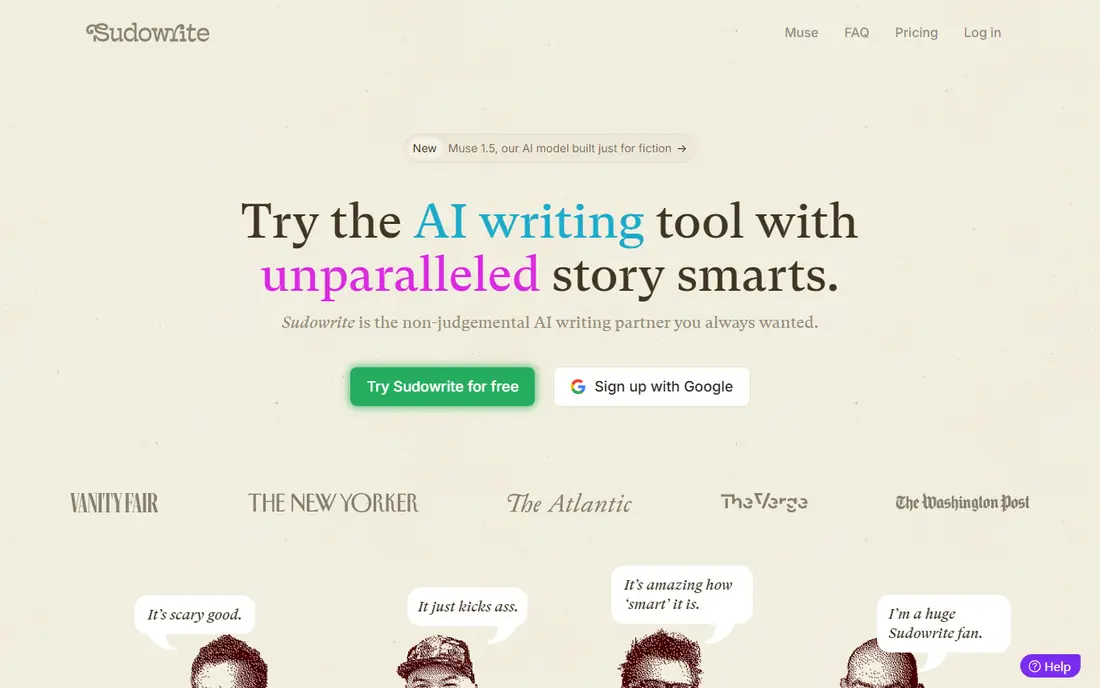
For teams or readers focused on fiction drafting and revision, Sudowrite is a natural place to start. Sudowrite is designed around fiction drafting, with tools for brainstorming, expanding scenes, and rewriting passages. For teams comparing options, the practical test is simple: run a real task through the tool and see how many steps it takes, and how clear the result feels.
It will not replace revision, and its subscription cost adds up if you write only occasionally. That catch does not disqualify the product, but it should shape your trial: test the weak spot first, and only buy once you know it does not block your main workflow.
A useful trial also tests support and onboarding, not just features. Ask a question, read the help docs, and see how quickly you get a clear answer, because that experience predicts how the tool will feel after purchase.
- Built for fiction
- Brainstorming and rewriting tools
- Chapter focused workflow
- Subscription only for full use
- Output still needs editing
Novelcrafter
Ideal for: Long form story organisation
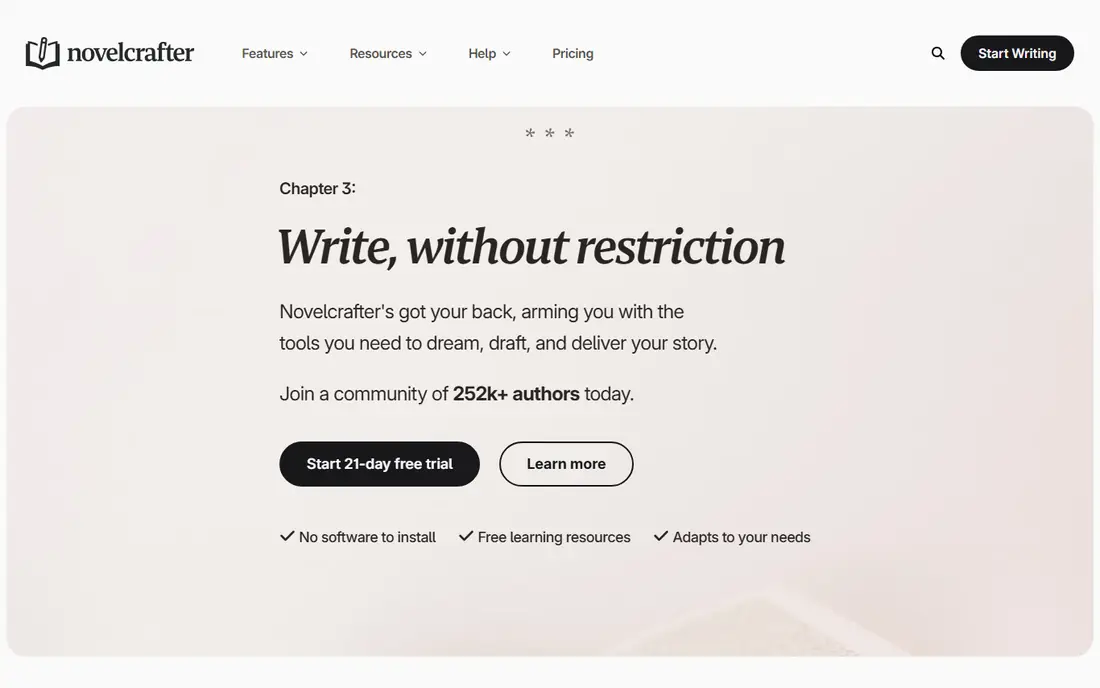
For teams or readers focused on long form story organisation, Novelcrafter is a natural place to start. Novelcrafter pairs AI drafting with a codex for characters, places, and lore, which helps long stories stay consistent. That approach makes it a sensible shortlist candidate, provided you test it with your own data and your own team before you commit to a paid plan.
Its structure takes time to learn, so short story writers may find it more than they need. In our comparison of official feature pages, pricing, and public reviews, this balance of strength and weakness placed it firmly on the shortlist for its target audience.
If the tool passes that trial, check the renewal terms and the cost of adding users before you roll it out widely. A good fit at five users can become costly at fifty, so plan for growth now.
- Codex for characters and lore
- Chapter planning
- Story bible features
- Learning curve for new writers
- Pricing rises with features
AI Dungeon
Ideal for: Interactive storytelling and games
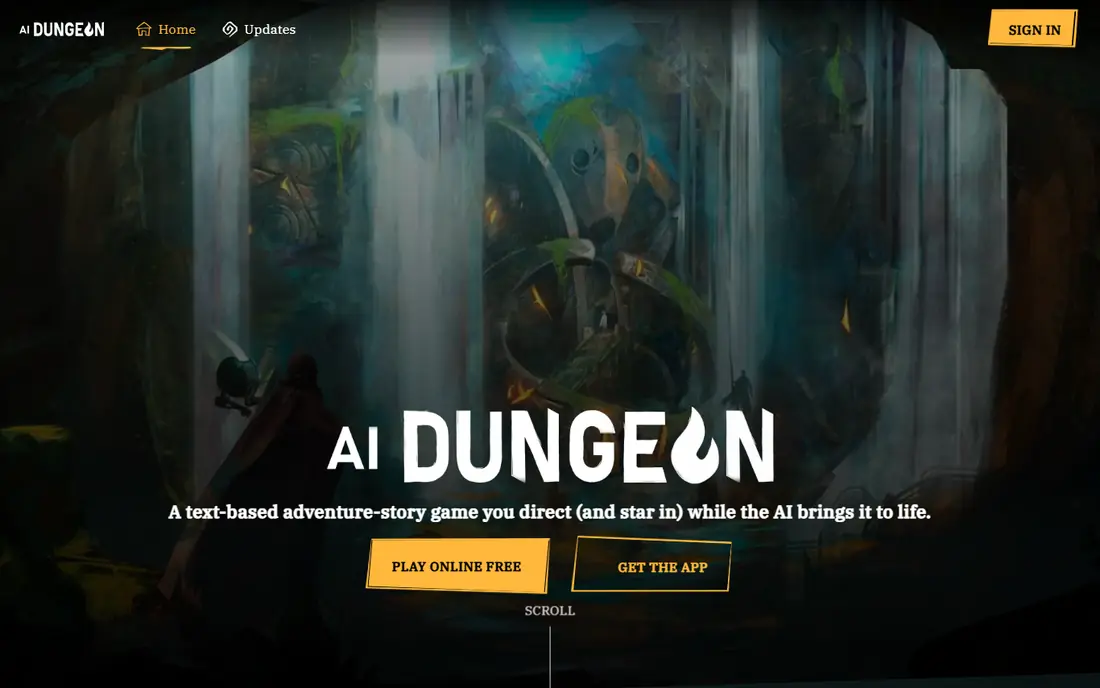
For teams or readers focused on interactive storytelling and games, AI Dungeon is a natural place to start. AI Dungeon turns storytelling into an interactive game, where your choices steer the plot. The value here is practical rather than theoretical, and it becomes clear once you use the tool for a real project instead of judging it from a feature page alone.
That freedom makes it fun for play, but less reliable for a finished manuscript. If that limitation touches your core workflow, look at the next options in this list; if it does not, the strengths here may outweigh it for your team.
Finally, compare the total effort, not just the monthly price. Setup, training, and ongoing admin all cost time, and the cheapest option on paper is not always the cheapest once staff time is counted.
- Interactive play
- Custom scenarios
- A free tier to try
- Output can wander
- Less suited to polished manuscripts
ChatGPT
Ideal for: General AI writing and brainstorming
For teams or readers focused on general ai writing and brainstorming, ChatGPT is a natural place to start. ChatGPT can draft scenes, dialogue, and outlines, and it is easy to start with. In practice, that focus shows up in the day to day workflow, where the features you use most often matter more than a long list of extras you may never open.
You will need to paste context back in for long stories, since it lacks built in story bible tools. We weighed that trade off against the alternatives in this list, and the balance will suit some teams better than others, depending on budget and on how much depth you actually need.
Before you buy, run one realistic week through the tool, using the same projects, clients, or data you handle normally. A short, honest trial will reveal limits in reporting, speed, or support that a demo never shows.
- Versatile drafting and editing
- Widely available
- A free tier exists
- No fiction specific memory tools by default
- Needs careful prompting
Claude
Ideal for: Long draft editing and prose
For teams or readers focused on long draft editing and prose, Claude is a natural place to start. Claude is a solid choice for editing and reshaping long drafts in plain language. For teams comparing options, the practical test is simple: run a real task through the tool and see how many steps it takes, and how clear the result feels.
It does not offer NovelAI style lorebooks, so organisation stays in your hands. That catch does not disqualify the product, but it should shape your trial: test the weak spot first, and only buy once you know it does not block your main workflow.
A useful trial also tests support and onboarding, not just features. Ask a question, read the help docs, and see how quickly you get a clear answer, because that experience predicts how the tool will feel after purchase.
- Strong prose editing
- Handles long documents
- A free tier exists
- General purpose tool, not fiction specific
- Feature set changes often
Squibler
Ideal for: Structured novel writing
For teams or readers focused on structured novel writing, Squibler is a natural place to start. Squibler combines novel planning with drafting tools in one workspace. That approach makes it a sensible shortlist candidate, provided you test it with your own data and your own team before you commit to a paid plan.
Its AI features feel secondary to its planning tools, so compare it on organisation first. In our comparison of official feature pages, pricing, and public reviews, this balance of strength and weakness placed it firmly on the shortlist for its target audience.
If the tool passes that trial, check the renewal terms and the cost of adding users before you roll it out widely. A good fit at five users can become costly at fifty, so plan for growth now.
- Book organisation and scene tools
- AI drafting alongside planning
- Smaller community than leading rivals
- AI features are an add on
Plot Factory
Ideal for: Story planning and outlines
For teams or readers focused on story planning and outlines, Plot Factory is a natural place to start. Plot Factory suits writers who plan heavily before drafting, with structured outlines and character sheets. The value here is practical rather than theoretical, and it becomes clear once you use the tool for a real project instead of judging it from a feature page alone.
If AI drafting is your main need, a dedicated fiction writer will go further. If that limitation touches your core workflow, look at the next options in this list; if it does not, the strengths here may outweigh it for your team.
Finally, compare the total effort, not just the monthly price. Setup, training, and ongoing admin all cost time, and the cheapest option on paper is not always the cheapest once staff time is counted.
- Plot and character planning
- Collaborative writing
- Outline tools
- AI drafting is limited compared with dedicated fiction tools
How we picked these
We compared official feature pages, pricing pages, app store listings, privacy policies, and public reviews for each product in this list. We looked for tools that exist and work in October 2026, that truly fit the topic, and that offer a clear reason to choose them over similar options. Where a price or free tier could not be verified from the vendor, we wrote See website rather than guessing.
We also weighed honest weaknesses alongside strengths, because every tool involves trade offs in price, depth, and ease of use. A product stayed on the list only if its strengths matched a real audience, even where its limits ruled it out for other readers. That is why the list mixes well known leaders with smaller options that suit specific needs.
Pricing and free tiers change often, so we treated vendor pricing pages as the authority and avoided repeating figures we could not confirm on the day of writing. Readers should check the linked official site for the current plan before buying, since trials, limits, and included features can change without notice. That caution applies especially to tools with quote based pricing, where the final cost depends on seats, usage, and contract terms.
How to choose an AI fiction writing tool
Think about how long your stories run. A tool with story memory, lorebooks, or character sheets will hold up better across chapters than a plain chat window that forgets earlier detail. If you write short pieces, that structure matters less and a general writer may be enough.
Check output controls and ownership terms before you subscribe. Look at model choices, editing tools, and export options, and read the terms on what you can do with generated text. A tool that exports cleanly to your word processor will save time at revision stage.
Frequently asked questions
What is the closest alternative to NovelAI?
Novelcrafter and Sudowrite are the closest dedicated fiction options, with tools for chapters, characters, and story structure. General chatbots can write stories, but they lack that fiction specific organisation.
Can AI tools write a full novel?
They can draft scenes and chapters, but a coherent novel still needs human planning, editing, and revision. Use these tools for drafts and ideas, then shape the result yourself.
Are there free options?
Some tools offer free trials or limited free tiers, while dedicated fiction platforms are usually paid. Check each pricing page for current trial terms.
Do I keep rights to my writing?
Terms vary by provider, so read the terms of service for the tool you choose. Pay attention to clauses on generated output and on content used to train models.
Which tool suits beginners?
Sudowrite is a friendly starting point for new fiction writers, while Novelcrafter suits writers who want more control over structure. Try a trial with a real chapter before you commit.