Best Octoparse Alternatives in 2026: 8 Options Compared

- 1
 ParseHubVisual web scraping without codeVisit
- 2
 ApifyWeb scraping platform with ready actorsVisit
- 3
 Bright DataEnterprise scraping with proxiesVisit
- 4
 WebHarvyDesktop visual scraping for WindowsVisit
- 5
 ScrapingBeeScraping API that handles browsersVisit
- Our pick for most people is ParseHub, because it balances price, features and ease of use for the widest group of readers.
- Free plans are real here, but the limits matter: check what Apify and Bright Data actually include before you commit.
- Prices in this guide come from vendor pricing pages and current comparisons checked in October 2026, and they can change, so confirm the plan on the vendor site before you buy.
- The best choice depends on your budget, your experience level and how much support you want, not on which brand is most famous.
Quick comparison
| Product | Ideal for | Price from | Free version | |
|---|---|---|---|---|
| ParseHub | Visual web scraping without code | See website | Yes | Visit |
| Apify | Web scraping platform with ready actors | See website | Yes | Visit |
| Bright Data | Enterprise scraping with proxies | See website | Free trial | Visit |
| WebHarvy | Desktop visual scraping for Windows | See website | Free trial | Visit |
| ScrapingBee | Scraping API that handles browsers | See website | Free trial | Visit |
 Diffbot | AI-powered web data extraction | See website | Free trial | Visit |
 Import.io | Managed web data for enterprises | See website | No | Visit |
 Dexi | Cloud scraping with robots and pipelines | See website | Free trial | Visit |
The best Octoparse Alternatives in 2026
We compared official feature pages, pricing pages, app store listings, privacy policies and public reviews to build this list for octoparse alternatives. Every option below exists and works today, and each one earns its place for a different kind of reader.
ParseHub
Ideal for: Visual web scraping without code
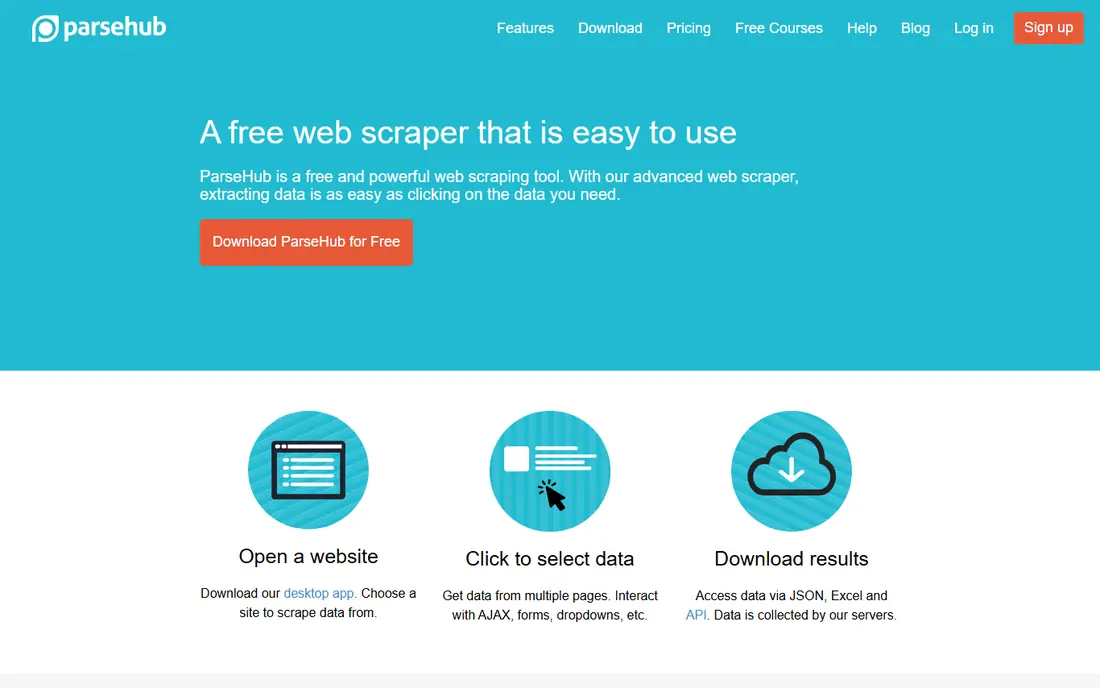
Here is the short version. ParseHub suits non-technical users who want to scrape websites visually, with point-and-click selection and cloud runs. It fits readers who want visual web scraping without code, and its published feature set matches that promise rather than trying to cover every possible use case at once. The price picture is see website, with a free plan status of yes. The free tier limits pages, so regular scraping should budget for a paid plan. Before you sign up, check the current plan limits on the official site, because caps on users, usage or features are where most buyers get surprised after the first month.
- Visual point-and-click scraping
- Handles JavaScript sites
- Cloud runs
- Free tier limits pages
- Advanced features need paid plans
Apify
Ideal for: Web scraping platform with ready actors
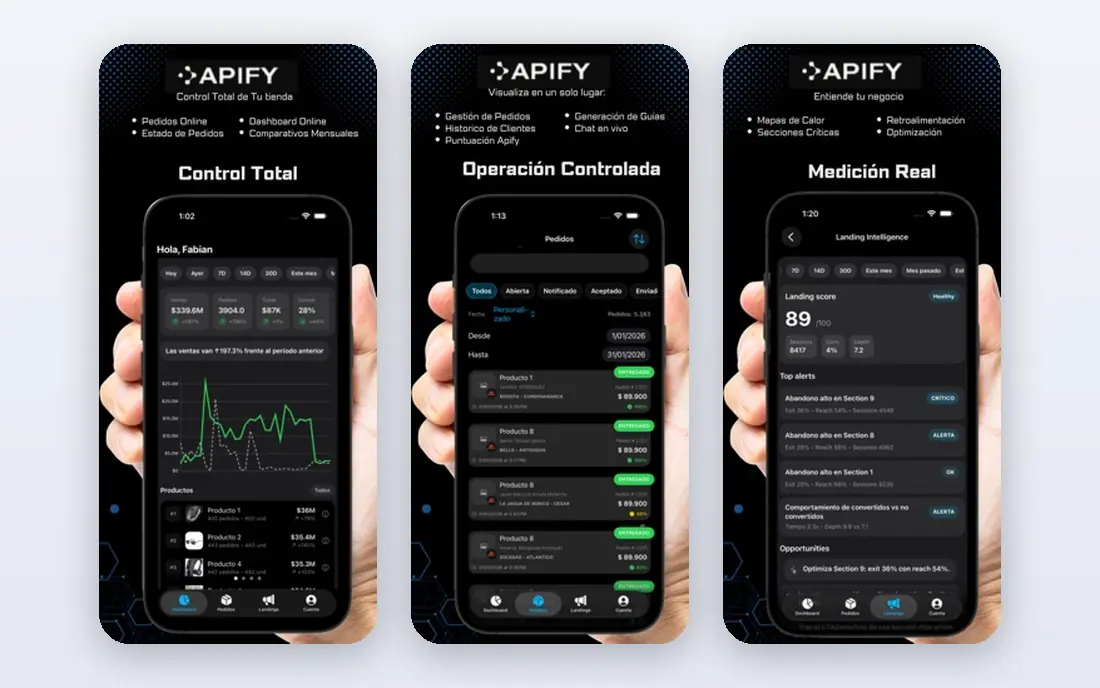
Start here if you want the safe default. Apify gives teams a scraping platform with ready-made actors for common sites, plus cloud runs, APIs and integrations. It fits readers who want web scraping platform with ready actors, and its published feature set matches that promise rather than trying to cover every possible use case at once. The price picture is see website, with a free plan status of yes. Usage-based pricing means you should model the cost at your real scrape volume. Before you sign up, check the current plan limits on the official site, because caps on users, usage or features are where most buyers get surprised after the first month.
- Ready-made scrapers called actors
- Cloud platform
- APIs and integrations
- Pricing is usage-based
- Learning curve for custom actors
Bright Data
Ideal for: Enterprise scraping with proxies
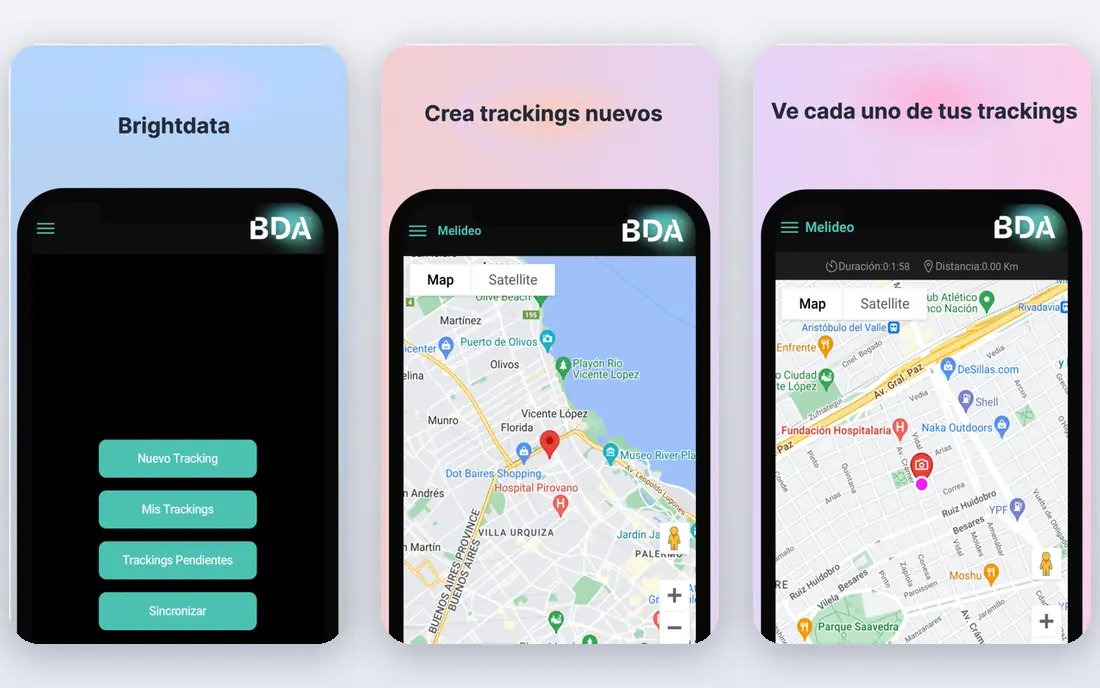
This one suits a specific kind of reader. Bright Data suits large teams that need proxies, scraping tools and compliance support at scale. It fits readers who want enterprise scraping with proxies, and its published feature set matches that promise rather than trying to cover every possible use case at once. The price picture is see website, with a free plan status of free trial. The enterprise price and setup suit larger operations, not occasional scrapers. Before you sign up, check the current plan limits on the official site, because caps on users, usage or features are where most buyers get surprised after the first month.
- Large proxy network
- Scraping tools
- Enterprise compliance support
- Enterprise pricing
- Setup needs technical planning
WebHarvy
Ideal for: Desktop visual scraping for Windows
Consider this if the top picks do not fit. WebHarvy suits Windows users who want a desktop visual scraper with pattern detection and pagination handling. It fits readers who want desktop visual scraping for windows, and its published feature set matches that promise rather than trying to cover every possible use case at once. The price picture is see website, with a free plan status of free trial. Cloud scheduling and team features are thinner than platform tools, so check automation needs. Before you sign up, check the current plan limits on the official site, because caps on users, usage or features are where most buyers get surprised after the first month.
- Visual scraping on desktop
- Handles patterns and pagination
- One-time licence options
- Windows-only
- Less cloud automation than Apify
ScrapingBee
Ideal for: Scraping API that handles browsers
A strong option for a narrower need. ScrapingBee suits developers who want a simple API that renders JavaScript pages and handles proxies. It fits readers who want scraping api that handles browsers, and its published feature set matches that promise rather than trying to cover every possible use case at once. The price picture is see website, with a free plan status of free trial. Non-developers will find it harder than a visual tool, so pick it only with developer help. Before you sign up, check the current plan limits on the official site, because caps on users, usage or features are where most buyers get surprised after the first month.
- API that renders JavaScript
- Proxy handling
- Simple integration
- Pricing is per API credit
- Not a visual tool for non-developers
Diffbot
Ideal for: AI-powered web data extraction
Worth a close look before you decide. Diffbot suits teams that want automatic extraction from articles, products and discussions without building site-specific scrapers. It fits readers who want ai-powered web data extraction, and its published feature set matches that promise rather than trying to cover every possible use case at once. The price picture is see website, with a free plan status of free trial. Custom sites may need tuning, so trial it on your exact target pages. Before you sign up, check the current plan limits on the official site, because caps on users, usage or features are where most buyers get surprised after the first month.
- Automatic extraction from articles and products
- Knowledge graph
- APIs
- Pricing is usage-based
- Custom extraction needs tuning
Import.io
Ideal for: Managed web data for enterprises
This belongs on the shortlist for a reason. Import.io suits enterprises that want managed web data delivered, rather than building scrapers themselves. It fits readers who want managed web data for enterprises, and its published feature set matches that promise rather than trying to cover every possible use case at once. The price picture is see website, with a free plan status of no. Smaller teams may find enterprise pricing hard to justify compared with Apify or ParseHub. Before you sign up, check the current plan limits on the official site, because caps on users, usage or features are where most buyers get surprised after the first month.
- Managed scraping services
- Data delivery
- Enterprise support
- Enterprise pricing
- Self-serve scraping is thinner than rivals
Dexi
Ideal for: Cloud scraping with robots and pipelines
Do not overlook this one. Dexi, formerly CloudScrape, gives technical teams cloud robots and data pipelines for regular scraping jobs. It fits readers who want cloud scraping with robots and pipelines, and its published feature set matches that promise rather than trying to cover every possible use case at once. The price picture is see website, with a free plan status of free trial. Its technical interface means non-technical users should trial it carefully before committing. Before you sign up, check the current plan limits on the official site, because caps on users, usage or features are where most buyers get surprised after the first month.
- Cloud robots
- Data pipelines
- Integrations
- Interface is more technical
- Pricing grows with usage
How we picked these
We started from official feature pages and pricing pages, then checked app store listings, privacy policies and public reviews to confirm each product still works and still fits the topic. Products that could not be verified, or that only partly matched the topic, were left out, even when they were well known. We favoured a mix of established leaders and strong smaller options, and we weighted price transparency, a usable free tier or trial, and honest limits more heavily than marketing claims. No product on this list paid for its place, and our pick for most people is the one we would suggest to a friend with ordinary needs and an ordinary budget.
How to choose a web scraping tool that respects the rules
Start with the legal and ethical side: only scrape public data you have a right to use, respect robots files and terms of service, and never scrape personal data without a lawful basis. Next, check the target sites: JavaScript-heavy sites need a tool that renders pages, while simple sites work with any visual scraper. Then check scale and scheduling: a one-off scrape suits a desktop tool, while daily data needs a cloud platform with monitoring and retries. Trial the top two on your real target pages, and check data quality, not just row counts. Also check output formats, integrations and data handling, since scraped data should flow cleanly into spreadsheets, databases or BI tools. Confirm proxy and blocking handling if you scrape at scale, and confirm who will maintain scrapers when target sites change their layout, because maintenance is the ongoing cost of scraping.
Frequently asked questions
What is the best Octoparse alternative?
ParseHub suits visual scraping without code, Apify suits platform scraping with ready actors, and Bright Data suits enterprise scale with proxies. The right pick depends on skills, volume and target sites.
Is there a free Octoparse alternative?
ParseHub and Apify offer free tiers, though both limit pages or usage. Free tiers suit testing and light scraping, not large daily jobs.
Is web scraping legal?
Scraping public data can be lawful in some cases, but terms of service, copyright, privacy law and access controls all matter. Get legal advice for commercial scraping, and never scrape personal data without a lawful basis.
Do these tools handle JavaScript websites?
ParseHub, Apify, ScrapingBee and Diffbot handle JavaScript rendering, while simpler tools may struggle. Test your exact target sites during a trial.
How do I avoid getting blocked while scraping?
Use reasonable request rates, respect robots files, use proxies where appropriate, and monitor for blocks. Enterprise tools offer proxy and rotation features for larger jobs.