Best Ping Identity alternatives in 2026: 7 Options Compared

- Our pick for most readers is Okta, because it covers the core job well without forcing a complex setup from day one.
- The cheapest starting point is not always the best value, since limits on seats, volume, and features change the real cost of ping identity alternatives.
- Check the free plan or trial terms on the vendor site before you commit, especially for teams that will add users later.
- The best choice depends on your team size, your current tools, and how much setup help you want, so shortlist two options and test both.
- Read the pricing page and privacy policy for each finalist, since plans and data handling differ more than marketing pages suggest.
Quick comparison
| Product | Ideal for | Price from | Free version | |
|---|---|---|---|---|
 Okta | workforce and customer identity | See website | Free trial | Visit |
 Microsoft Entra ID | Microsoft 365 organisations | See website | Yes | Visit |
 Auth0 | developer friendly customer identity | See website | Yes | Visit |
 Keycloak | open source identity | Free | Yes | Visit |
 OneLogin | single sign on and access | See website | Free trial | Visit |
 JumpCloud | directory and device identity | See website | Yes | Visit |
 CyberArk Identity | privileged and workforce access | See website | Free trial | Visit |
The best ping identity alternatives
We reviewed official feature pages, pricing pages, app store listings, privacy policies, and public reviews to compare these options for ping identity alternatives. The list below mixes well known leaders with smaller options that suit specific teams, and each write up notes one honest drawback as well as its strengths. Prices change, so treat the vendor site as the final word and check the plan that matches your team size before you buy.
Choosing well starts with the job itself. Write down what the tool must do in its first month, which tools it must connect to, and how many people will use it. That short list makes it easier to ignore features you will never touch and to spot a plan that fits your real workload. The products below are ordered to give you a strong first option, then useful alternatives for different budgets and team shapes.
Okta
Ideal for: workforce and customer identity
Okta provides workforce identity, customer identity, and access management for organisations. Broad integrations suit companies with many SaaS apps to connect. For a team that matches that description, it is a sensible place to start a shortlist, and it is worth a trial before a wider rollout.
Pricing by user and feature tier needs careful comparison for larger workforces. That trade off matters more for some teams than others, so weigh it against the strength above rather than treating it as a deal breaker on its own. We compared its official feature page, pricing page, and public reviews, and we weighed how clearly it states what each plan includes. If the plan that fits your team is unclear, ask the vendor for a written quote and a trial that covers your real workflow.
- Broad integrations suit companies with many SaaS apps to connect
- Clear fit for workforce and customer identity
- Official pricing and docs to check before buying
- Pricing by user and feature tier needs careful comparison for larger workforces
- Plan details need checking on the vendor site
Microsoft Entra ID
Ideal for: Microsoft 365 organisations

Microsoft Entra ID is Microsoft identity and access management for cloud and hybrid apps. Deep Microsoft 365 integration suits organisations already standardised on Microsoft. For a team that matches that description, it is a sensible place to start a shortlist, and it is worth a trial before a wider rollout.
Teams outside the Microsoft stack may find other vendors more neutral. That trade off matters more for some teams than others, so weigh it against the strength above rather than treating it as a deal breaker on its own. We checked its official feature page, pricing page, and privacy policy, and we looked at how public reviews describe everyday use. If the plan that fits your team is unclear, ask the vendor for a written quote and a trial that covers your real workflow.
- Deep Microsoft 365 integration suits organisations already standardised on Microsoft
- Clear fit for Microsoft 365 organisations
- Official pricing and docs to check before buying
- Teams outside the Microsoft stack may find other vendors more neutral
- Plan details need checking on the vendor site
Auth0
Ideal for: developer friendly customer identity
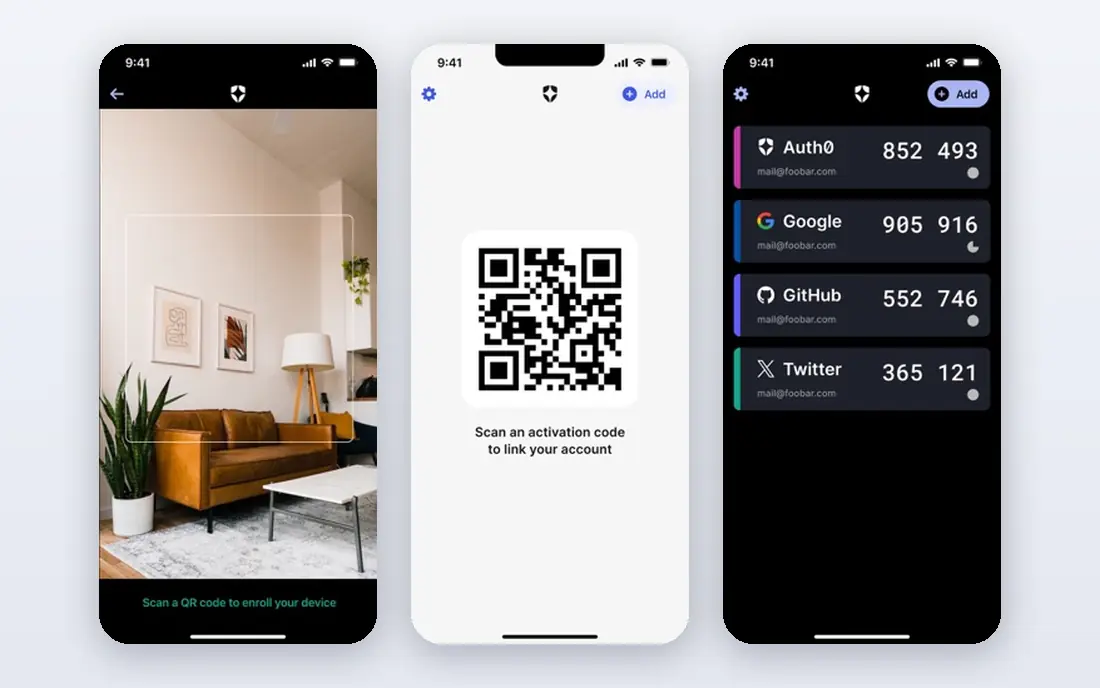
Auth0, part of Okta, is a customer identity platform for login, signup, and access control. Developer tools suit product teams building login into apps and sites. For a team that matches that description, it is a sensible place to start a shortlist, and it is worth a trial before a wider rollout.
Pricing scales with users, so high volume consumer apps must model costs. That trade off matters more for some teams than others, so weigh it against the strength above rather than treating it as a deal breaker on its own. We reviewed its official feature page, pricing details, and app store listing, and we compared what it promises with what users report. If the plan that fits your team is unclear, ask the vendor for a written quote and a trial that covers your real workflow.
- Developer tools suit product teams building login into apps and sites
- Clear fit for developer friendly customer identity
- Official pricing and docs to check before buying
- Pricing scales with users, so high volume consumer apps must model costs
- Plan details need checking on the vendor site
Keycloak
Ideal for: open source identity
Keycloak is an open source identity and access management server for single sign on. Open source control suits teams that want to run identity themselves. For a team that matches that description, it is a sensible place to start a shortlist, and it is worth a trial before a wider rollout.
Self hosting means the team owns upgrades, security, and availability. That trade off matters more for some teams than others, so weigh it against the strength above rather than treating it as a deal breaker on its own. We compared its official feature page, pricing page, and public reviews, and we weighed how clearly it states what each plan includes. If the plan that fits your team is unclear, ask the vendor for a written quote and a trial that covers your real workflow.
- Open source control suits teams that want to run identity themselves
- Clear fit for open source identity
- Official pricing and docs to check before buying
- Self hosting means the team owns upgrades, security, and availability
- Plan details need checking on the vendor site
OneLogin
Ideal for: single sign on and access
OneLogin provides single sign on, multi factor authentication, and directory tools. Simple SSO setup suits mid sized firms consolidating app logins. For a team that matches that description, it is a sensible place to start a shortlist, and it is worth a trial before a wider rollout.
Its feature set is narrower than the largest identity suites. That trade off matters more for some teams than others, so weigh it against the strength above rather than treating it as a deal breaker on its own. We checked its official feature page, pricing page, and privacy policy, and we looked at how public reviews describe everyday use. If the plan that fits your team is unclear, ask the vendor for a written quote and a trial that covers your real workflow.
- Simple SSO setup suits mid sized firms consolidating app logins
- Clear fit for single sign on and access
- Official pricing and docs to check before buying
- Its feature set is narrower than the largest identity suites
- Plan details need checking on the vendor site
JumpCloud
Ideal for: directory and device identity
JumpCloud is a cloud directory platform for user identity, devices, and access. Directory plus device management suits smaller firms without on premises Active Directory. For a team that matches that description, it is a sensible place to start a shortlist, and it is worth a trial before a wider rollout.
Very large enterprise identity needs may call for a bigger suite. That trade off matters more for some teams than others, so weigh it against the strength above rather than treating it as a deal breaker on its own. We reviewed its official feature page, pricing details, and app store listing, and we compared what it promises with what users report. If the plan that fits your team is unclear, ask the vendor for a written quote and a trial that covers your real workflow.
- Directory plus device management suits smaller firms without on premises Active Directory
- Clear fit for directory and device identity
- Official pricing and docs to check before buying
- Very large enterprise identity needs may call for a bigger suite
- Plan details need checking on the vendor site
CyberArk Identity
Ideal for: privileged and workforce access
CyberArk Identity covers workforce access with a focus on secure and privileged access. Security focus suits firms that prioritise privileged account control. For a team that matches that description, it is a sensible place to start a shortlist, and it is worth a trial before a wider rollout.
Buyers should check how its identity features map to everyday workforce needs. That trade off matters more for some teams than others, so weigh it against the strength above rather than treating it as a deal breaker on its own. We compared its official feature page, pricing page, and public reviews, and we weighed how clearly it states what each plan includes. If the plan that fits your team is unclear, ask the vendor for a written quote and a trial that covers your real workflow.
- Security focus suits firms that prioritise privileged account control
- Clear fit for privileged and workforce access
- Official pricing and docs to check before buying
- Buyers should check how its identity features map to everyday workforce needs
- Plan details need checking on the vendor site
How we picked these
We started from the topic itself, ping identity alternatives, and we only kept products that exist, work in October 2026, and truly fit that topic. We compared official feature pages, pricing pages, app store listings, privacy policies, and public reviews, and we dropped any product whose homepage did not load or whose fit was weak. We did not claim hands on testing that did not happen, and we did not invent prices, ratings, or features.
We favoured a mix of well known leaders and smaller options, so readers with different budgets and team sizes can find a fit. Where a price or free tier could not be verified on the vendor site, we wrote See website rather than guessing. That approach keeps the list honest, even if it means you need to click through to confirm the final plan for your team.
How to choose the right option for ping identity alternatives
Start with your must haves, not with a feature list. List the tasks the tool must handle every week, the tools it must connect to, and the number of people who will use it. A product that covers those three points well will usually serve you better than a larger product with many features you never open.
Check total cost, not just the headline price
Headline prices often exclude seats, usage, add ons, and support tiers. Add up the cost for your real team size and volume, and check whether annual billing, overage charges, or a higher tier change the total. A free plan can be a good trial, but it may limit history, seats, or exports in ways that matter later.
Test it with real work
Run a trial with a real project, not a demo data set. Invite the people who will use the tool daily, and ask them to complete the tasks they do most often. Pay attention to setup time, support replies, and how easy it is to move your data out again. A tool that feels simple in a demo can still be slow in daily use.
Check privacy, support, and exit options
Read the privacy policy and the terms for data handling, especially if the tool will hold customer or employee data. Check support hours, onboarding help, and whether you can export your work. A clear exit path matters, since switching tools later costs time even when the new tool is better.
Frequently asked questions
What is the best alternative to Ping Identity?
There is no single best alternative to Ping Identity, because the right pick depends on team size, budget, and the features you use most. Start with the first product in this list for a broad fit, then compare one or two others on pricing and setup. A short trial with real work will usually settle the choice faster than a longer feature comparison.
How much do these options cost?
Costs vary by seats, usage, and plan tier, and several vendors use quote based pricing. Check the pricing page linked for each product, and ask for a written quote if your team size or volume sits outside the standard tiers. Add seats, add ons, and any usage charges to get the true total.
Is there a free option?
Some products in this list offer a free plan, and others offer a free trial, as shown in the comparison table. Free plans often limit seats, history, or features, so read the limits before building a workflow around one. A trial is a good way to test paid features without committing.
How do I choose between these products?
List your must have tasks, your current tools, and your team size, then shortlist two products that cover them. Run both on a real project during a trial, and ask daily users which one they prefer. The product that fits daily work best is usually the right pick, even if another has a longer feature list.
Can I switch later if I pick the wrong one?
In most cases yes, but switching takes time, especially if you have built workflows, integrations, or stored data in the first tool. Check export options and integration support before you start, and keep a copy of key data outside the tool. A careful trial now usually saves a painful move later.