Best PlanGrid Alternatives in 2026: 8 Tools Compared

- 1
 ProcoreLarge construction projects and teamsVisit
- 2
 FieldwireField teams managing plans and tasksVisit
- 3
 Autodesk BuildTeams already using Autodesk toolsVisit
- 4
 Bluebeam RevuPDF markup and drawing reviewVisit
- 5
 BuildertrendHome builders and remodelersVisit
- Our pick for most people is Procore, because it balances price, features and ease of use for the widest group of readers.
- Free plans are real here, but the limits matter: check what Fieldwire and Autodesk Build actually include before you commit.
- Prices in this guide come from vendor pricing pages and current comparisons checked in October 2026, and they can change, so confirm the plan on the vendor site before you buy.
- The best choice depends on your budget, your experience level and how much support you want, not on which brand is most famous.
Quick comparison
| Product | Ideal for | Price from | Free version | |
|---|---|---|---|---|
| Procore | Large construction projects and teams | See website | Free trial | Visit |
| Fieldwire | Field teams managing plans and tasks | See website | Yes | Visit |
| Autodesk Build | Teams already using Autodesk tools | See website | Free trial | Visit |
| Bluebeam Revu | PDF markup and drawing review | See website | Free trial | Visit |
| Buildertrend | Home builders and remodelers | See website | Free trial | Visit |
 Oracle Aconex | Large complex projects and document control | See website | Free trial | Visit |
 Raken | Daily reports and field documentation | See website | Free trial | Visit |
 LetsBuild | Site progress and schedule tracking | See website | Free trial | Visit |
The best PlanGrid Alternatives in 2026
We compared official feature pages, pricing pages, app store listings, privacy policies and public reviews to build this list for plangrid alternatives. Every option below exists and works today, and each one earns its place for a different kind of reader.
Procore
Ideal for: Large construction projects and teams

Here is the short version. Procore is the broadest construction platform here, covering drawings, RFIs, budgets and field work at scale. It fits readers who want large construction projects and teams, and its published feature set matches that promise rather than trying to cover every possible use case at once. When we weighed it against the rest of this list, the balance of price, scope and support stood out for that group, and the public reviews we read pointed in the same direction for that use case. The price picture is see website, with a free plan status of free trial. Small firms will find the price and setup heavy, so it suits larger projects best. Before you sign up, check the current plan limits on the official site, because caps on users, usage or features are where most buyers get surprised after the first month, and a plan that looks cheap can cost more once you add the seats or volume you actually need.
- Project management
- Drawings
- RFIs and submittals
- Enterprise pricing is quoted
- Setup is heavy for small jobs
Fieldwire
Ideal for: Field teams managing plans and tasks
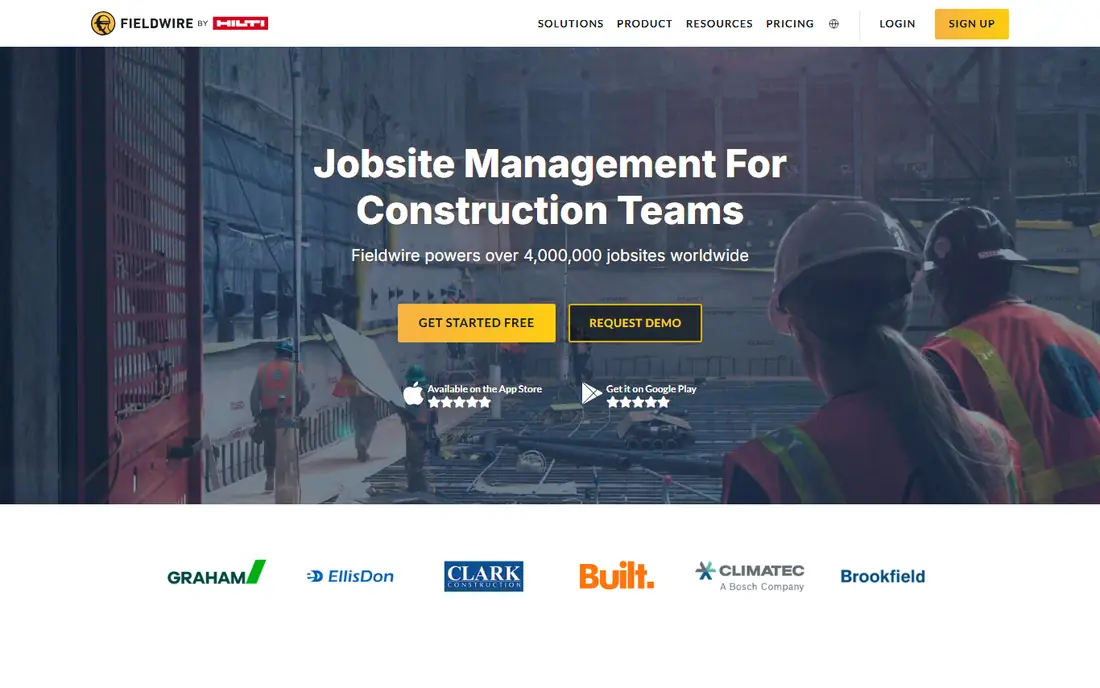
Start here if you want the safe default. Fieldwire suits field crews who need plans, markups and tasks on a phone or tablet without office complexity. It fits readers who want field teams managing plans and tasks, and its published feature set matches that promise rather than trying to cover every possible use case at once. When we weighed it against the rest of this list, the balance of price, scope and support stood out for that group, and the public reviews we read pointed in the same direction for that use case. The price picture is see website, with a free plan status of yes. Office-heavy reporting and budgeting users should compare Procore or Autodesk Build before deciding. Before you sign up, check the current plan limits on the official site, because caps on users, usage or features are where most buyers get surprised after the first month, and a plan that looks cheap can cost more once you add the seats or volume you actually need.
- Plan viewing and markup
- Task management
- Mobile field app
- Free tier limits projects
- Advanced features need paid plans
Autodesk Build
Ideal for: Teams already using Autodesk tools
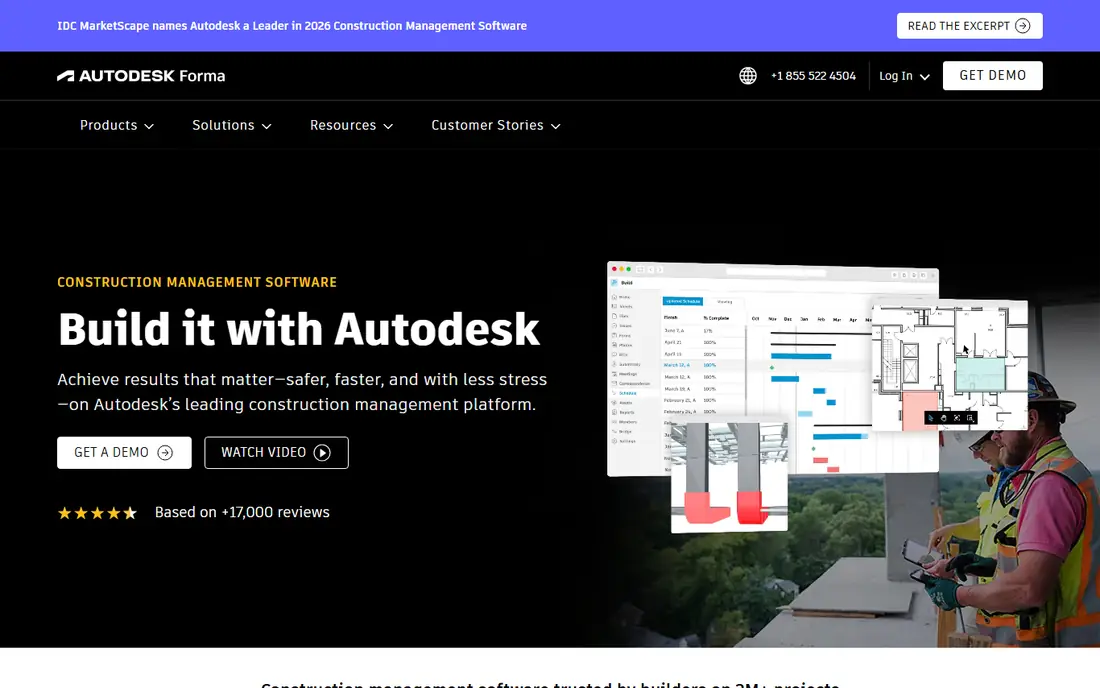
This one suits a specific kind of reader. Autodesk Build is the natural PlanGrid successor for Autodesk users, since PlanGrid became part of Autodesk Construction Cloud. It fits readers who want teams already using autodesk tools, and its published feature set matches that promise rather than trying to cover every possible use case at once. When we weighed it against the rest of this list, the balance of price, scope and support stood out for that group, and the public reviews we read pointed in the same direction for that use case. The price picture is see website, with a free plan status of free trial. Teams outside Autodesk should weigh Fieldwire and Procore, which are less tied to one vendor. Before you sign up, check the current plan limits on the official site, because caps on users, usage or features are where most buyers get surprised after the first month, and a plan that looks cheap can cost more once you add the seats or volume you actually need.
- Drawings and models
- RFIs
- Field management
- Price is quoted
- Best inside the Autodesk ecosystem
Bluebeam Revu
Ideal for: PDF markup and drawing review
Consider this if the top picks do not fit. Bluebeam Revu leads on drawing markup and measurement, and many firms use it alongside a project platform. It fits readers who want pdf markup and drawing review, and its published feature set matches that promise rather than trying to cover every possible use case at once. When we weighed it against the rest of this list, the balance of price, scope and support stood out for that group, and the public reviews we read pointed in the same direction for that use case. The price picture is see website, with a free plan status of free trial. It is not a full project management replacement, so pair it with Fieldwire or Procore for field tasks. Before you sign up, check the current plan limits on the official site, because caps on users, usage or features are where most buyers get surprised after the first month, and a plan that looks cheap can cost more once you add the seats or volume you actually need.
- Powerful PDF markup
- Measurement
- Collaboration sessions
- Desktop-focused
- Project management is lighter than Procore
Buildertrend
Ideal for: Home builders and remodelers
A strong option for a narrower need. Buildertrend suits residential builders who need clients, schedules and budgets in one place. It fits readers who want home builders and remodelers, and its published feature set matches that promise rather than trying to cover every possible use case at once. When we weighed it against the rest of this list, the balance of price, scope and support stood out for that group, and the public reviews we read pointed in the same direction for that use case. The price picture is see website, with a free plan status of free trial. Large commercial teams should look at Procore or Autodesk Build for deeper field and document control. Before you sign up, check the current plan limits on the official site, because caps on users, usage or features are where most buyers get surprised after the first month, and a plan that looks cheap can cost more once you add the seats or volume you actually need.
- Project management
- Client communication
- Scheduling
- Residential focus
- Less suited to heavy civil work
Oracle Aconex
Ideal for: Large complex projects and document control
Worth a close look before you decide. Oracle Aconex suits large complex projects where document control and audit trails matter most. It fits readers who want large complex projects and document control, and its published feature set matches that promise rather than trying to cover every possible use case at once. When we weighed it against the rest of this list, the balance of price, scope and support stood out for that group, and the public reviews we read pointed in the same direction for that use case. The price picture is see website, with a free plan status of free trial. Small and midsize firms will find it heavy and costly, so only shortlist it for major projects. Before you sign up, check the current plan limits on the official site, because caps on users, usage or features are where most buyers get surprised after the first month, and a plan that looks cheap can cost more once you add the seats or volume you actually need.
- Document control
- Workflows
- Project-wide visibility
- Enterprise price and setup
- Overkill for small projects
Raken
Ideal for: Daily reports and field documentation
This belongs on the shortlist for a reason. Raken suits crews that need clean daily reports, time tracking and photo documentation from the field. It fits readers who want daily reports and field documentation, and its published feature set matches that promise rather than trying to cover every possible use case at once. When we weighed it against the rest of this list, the balance of price, scope and support stood out for that group, and the public reviews we read pointed in the same direction for that use case. The price picture is see website, with a free plan status of free trial. Teams that need drawings, RFIs and budgets should pair it with a broader platform. Before you sign up, check the current plan limits on the official site, because caps on users, usage or features are where most buyers get surprised after the first month, and a plan that looks cheap can cost more once you add the seats or volume you actually need.
- Daily logs
- Time and safety tracking
- Photo reports
- Narrower than full project platforms
- Reporting focus
LetsBuild
Ideal for: Site progress and schedule tracking
Do not overlook this one. LetsBuild helps site teams track progress and schedules with clear site diaries. It fits readers who want site progress and schedule tracking, and its published feature set matches that promise rather than trying to cover every possible use case at once. When we weighed it against the rest of this list, the balance of price, scope and support stood out for that group, and the public reviews we read pointed in the same direction for that use case. The price picture is see website, with a free plan status of free trial. Firms that need deep document control or estimating should compare it with larger platforms first. Before you sign up, check the current plan limits on the official site, because caps on users, usage or features are where most buyers get surprised after the first month, and a plan that looks cheap can cost more once you add the seats or volume you actually need.
- Site diaries
- Progress tracking
- Schedule views
- Smaller presence than Procore
- Fewer integrations
How we picked these
We started from official feature pages and pricing pages, then checked app store listings, privacy policies and public reviews to confirm each product still works and still fits the topic. Products that could not be verified, or that only partly matched the topic, were left out, even when they were well known. We favoured a mix of established leaders and strong smaller options, and we weighted price transparency, a usable free tier or trial, and honest limits more heavily than marketing claims. No product on this list paid for its place, and our pick for most people is the one we would suggest to a friend with ordinary needs and an ordinary budget.
How to choose construction software without slowing the site
Start with the job type and size, because residential, commercial and civil work need different depth. Check drawing handling first: version control, markup and offline access on site matter more than office dashboards. Then check field usability, since crews will abandon a tool that is slow on a phone. Also check RFIs, submittals, daily logs and document control against your real workflow, not a feature list. Confirm integrations with accounting and estimating, and trial the top two on a live project, including offline use, before a full rollout.
Frequently asked questions
What is the best PlanGrid alternative?
Fieldwire is the closest field-first replacement, Autodesk Build suits Autodesk users, and Procore suits large projects. The right pick depends on project size and vendor fit.
Is PlanGrid still available?
PlanGrid became part of Autodesk Construction Cloud, so new buyers should look at Autodesk Build or the field tools here rather than expecting PlanGrid as a standalone product.
Do these tools work offline on site?
Fieldwire and other field tools offer offline plan access, but coverage varies. Test offline use on site with your real drawings before you commit.
What about PDF markup?
Bluebeam Revu leads on PDF markup and measurement, while Fieldwire and Autodesk Build handle markup inside project workflows. Many firms use both.
Can small firms afford construction software?
Yes, Fieldwire offers a free tier and several tools offer trials. Price at your project count and crew size, not at enterprise list prices.