Platform Consolidation Best Practices in 2026: 7 Tools Compared

- 1
 ServiceNowconsolidating IT and business workflowsVisit
- 2
 Oktaconsolidating identity into one platformVisit
- 3
 Ripplingconsolidating HR, IT and finance toolsVisit
- 4
 Microsoft 365consolidating office and collaboration toolsVisit
- 5
 Salesforceconsolidating sales and service toolsVisit
- Our pick for most readers is ServiceNow, because it fits consolidating IT and business workflows and covers the core needs for platform consolidation best practices without unnecessary complexity.
- Okta is the strongest alternative when consolidating identity into one platform matters more than a single all purpose tool, and it is worth comparing side by side with ServiceNow.
- Pricing varies widely across this list, so check the official pricing page before you commit, and treat any figure marked See website as quote based or usage based.
- Rippling suits readers who prioritise consolidating HR, IT and finance tools, which shows why the best choice depends on your team size, budget, and existing tools rather than a single ranking.
Quick comparison
| Product | Ideal for | Price from | Free version | |
|---|---|---|---|---|
| ServiceNow | consolidating IT and business workflows | See website | See website | Visit |
| Okta | consolidating identity into one platform | See website | See website | Visit |
| Rippling | consolidating HR, IT and finance tools | See website | See website | Visit |
| Microsoft 365 | consolidating office and collaboration tools | See website | See website | Visit |
| Salesforce | consolidating sales and service tools | See website | See website | Visit |
 Atlassian | consolidating team work tools | See website | See website | Visit |
 Workday | consolidating HR and finance systems | See website | See website | Visit |
The best platform consolidation tools
We compared official feature pages, pricing pages, app store listings where relevant, privacy policies, and public reviews to build this list for platform consolidation best practices. The seven options below cover well known leaders and smaller options that fit the topic well, and each one is still available in October 2026 as far as its official site shows. Read the strengths and the honest limits together, because the right choice usually depends on budget, team size, and tools you already use.
ServiceNow
Ideal for: consolidating IT and business workflows
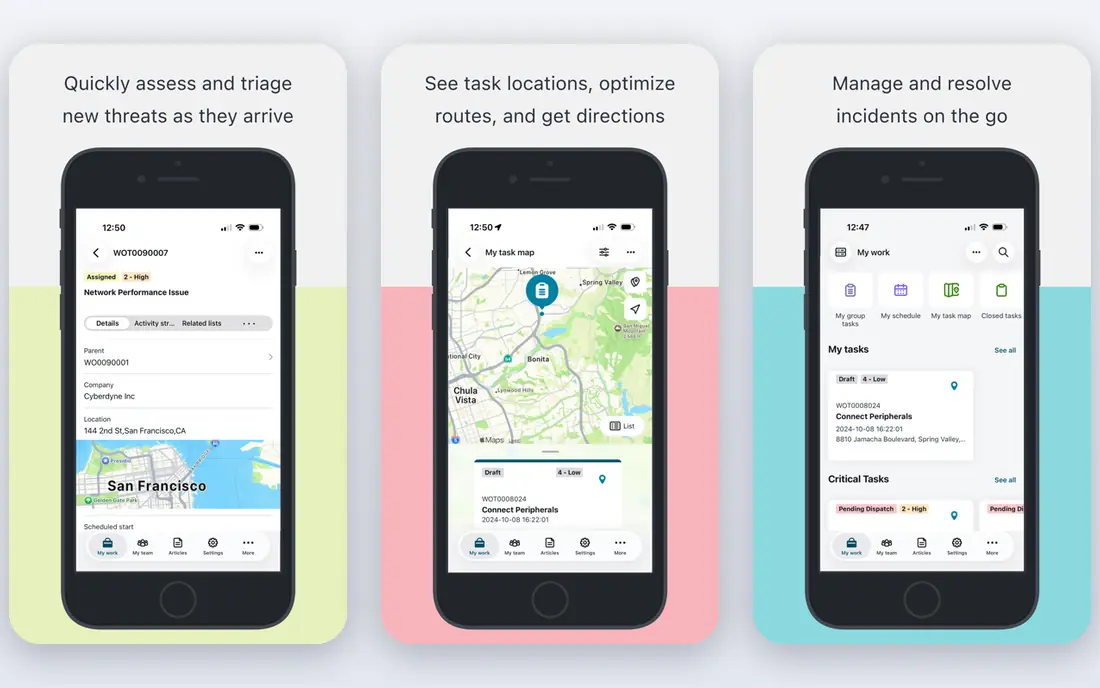
ServiceNow is our pick for consolidating IT and business workflows. Its main strengths are workflow platform, service management, automation. We found that clarity useful, because many competing tools bury their main strength under a long list of extra features. When we compared official feature pages, pricing, and public reviews, ServiceNow stood out for readers who need consolidating IT and business workflows and want a tool that covers that need directly, rather than a general platform that only touches it lightly.
The honest limits are enterprise pricing, implementation takes time. That does not rule ServiceNow out, but it does mean you should weigh those limits against your own priorities before you buy. Before you commit, run a short trial with a real example from your own work, and check how it fits your current tools and budget. If those limits are acceptable for your situation, ServiceNow is a solid choice for platform consolidation best practices, and our pick remains the option that best matches your budget and workflow.
- Workflow platform
- Service management
- Automation
- Enterprise pricing
- Implementation takes time
Okta
Ideal for: consolidating identity into one platform

Okta is our pick for consolidating identity into one platform. Its main strengths are single sign on, app integrations, lifecycle tools. In practice, that means it handles the day to day work for consolidating identity into one platform without forcing you into a much larger system than you need. When we compared official feature pages, pricing, and public reviews, Okta stood out for readers who need consolidating identity into one platform and want a tool that covers that need directly, rather than a general platform that only touches it lightly.
The honest limits are pricing rises with features, migration needs planning. That does not rule Okta out, but it does mean you should weigh those limits against your own priorities before you buy. A short trial with your own data will tell you more than any feature list, so test the parts you will actually use every week. If those limits are acceptable for your situation, Okta is a solid choice for platform consolidation best practices, and our pick remains the option that best matches your budget and workflow.
- Single sign on
- App integrations
- Lifecycle tools
- Pricing rises with features
- Migration needs planning
Rippling
Ideal for: consolidating HR, IT and finance tools
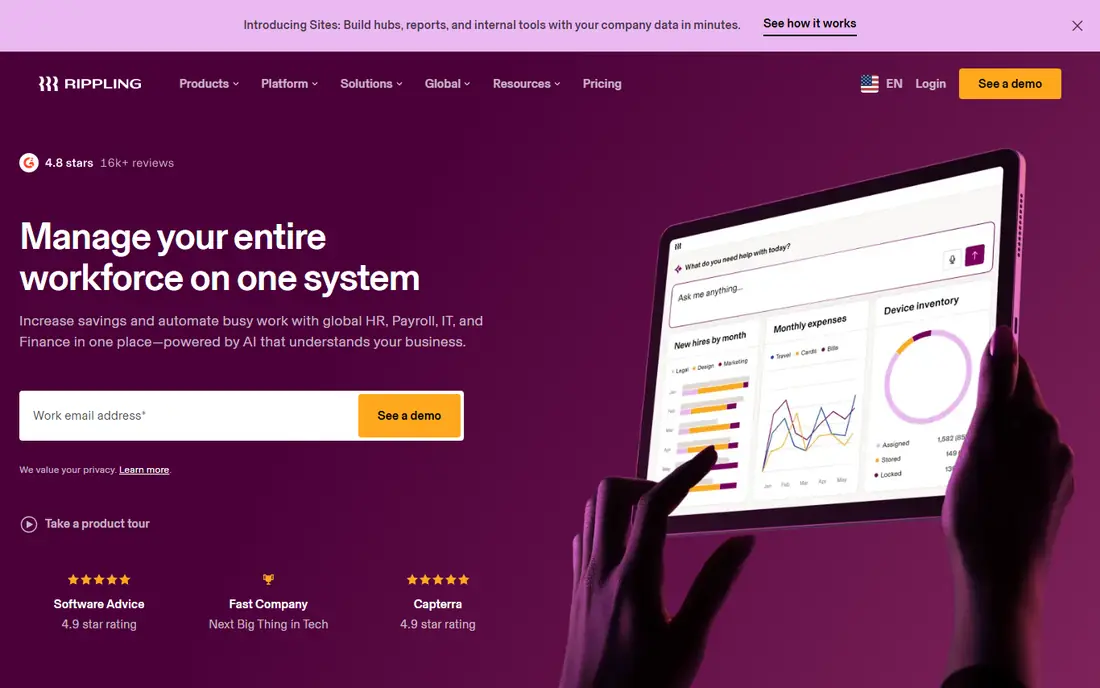
Rippling is our pick for consolidating HR, IT and finance tools. Its main strengths are hr and it in one place, device management, payroll links. For most teams, that balance is the reason it earns a place on this list, even though it is not perfect for every buyer. When we compared official feature pages, pricing, and public reviews, Rippling stood out for readers who need consolidating HR, IT and finance tools and want a tool that covers that need directly, rather than a general platform that only touches it lightly.
The honest limits are pricing is quote based, some modules are add ons. That does not rule Rippling out, but it does mean you should weigh those limits against your own priorities before you buy. Ask for a demo or trial that uses your own workflow, and pay attention to support response times as well as the feature list. If those limits are acceptable for your situation, Rippling is a solid choice for platform consolidation best practices, and our pick remains the option that best matches your budget and workflow.
- HR and IT in one place
- Device management
- Payroll links
- Pricing is quote based
- Some modules are add ons
Microsoft 365
Ideal for: consolidating office and collaboration tools
Microsoft 365 is our pick for consolidating office and collaboration tools. Its main strengths are office apps, email, collaboration, device management links. That focus also makes it easier to explain to colleagues, because the core value is clear from the first week of use. When we compared official feature pages, pricing, and public reviews, Microsoft 365 stood out for readers who need consolidating office and collaboration tools and want a tool that covers that need directly, rather than a general platform that only touches it lightly.
The honest limits are licensing tiers are complex, full migration takes time. That does not rule Microsoft 365 out, but it does mean you should weigh those limits against your own priorities before you buy. Check the pricing page and the terms for your team size, because costs can change quickly once you add users or volume. If those limits are acceptable for your situation, Microsoft 365 is a solid choice for platform consolidation best practices, and our pick remains the option that best matches your budget and workflow.
- Office apps
- Collaboration
- Device management links
- Licensing tiers are complex
- Full migration takes time
Salesforce
Ideal for: consolidating sales and service tools
Salesforce is our pick for consolidating sales and service tools. Its main strengths are crm platform, app ecosystem, automation. We found that clarity useful, because many competing tools bury their main strength under a long list of extra features. When we compared official feature pages, pricing, and public reviews, Salesforce stood out for readers who need consolidating sales and service tools and want a tool that covers that need directly, rather than a general platform that only touches it lightly.
The honest limits are pricing rises with editions, setup needs expertise. That does not rule Salesforce out, but it does mean you should weigh those limits against your own priorities before you buy. Before you commit, run a short trial with a real example from your own work, and check how it fits your current tools and budget. If those limits are acceptable for your situation, Salesforce is a solid choice for platform consolidation best practices, and our pick remains the option that best matches your budget and workflow.
- CRM platform
- App ecosystem
- Automation
- Pricing rises with editions
- Setup needs expertise
Atlassian
Ideal for: consolidating team work tools
Atlassian is our pick for consolidating team work tools. Its main strengths are jira and confluence, team collaboration, integrations. In practice, that means it handles the day to day work for consolidating team work tools without forcing you into a much larger system than you need. When we compared official feature pages, pricing, and public reviews, Atlassian stood out for readers who need consolidating team work tools and want a tool that covers that need directly, rather than a general platform that only touches it lightly.
The honest limits are tool overlap needs governance, enterprise pricing varies. That does not rule Atlassian out, but it does mean you should weigh those limits against your own priorities before you buy. A short trial with your own data will tell you more than any feature list, so test the parts you will actually use every week. If those limits are acceptable for your situation, Atlassian is a solid choice for platform consolidation best practices, and our pick remains the option that best matches your budget and workflow.
- Jira and Confluence
- Team collaboration
- Integrations
- Tool overlap needs governance
- Enterprise pricing varies
Workday
Ideal for: consolidating HR and finance systems
Workday is our pick for consolidating HR and finance systems. Its main strengths are hr and finance in one system, reporting, planning. For most teams, that balance is the reason it earns a place on this list, even though it is not perfect for every buyer. When we compared official feature pages, pricing, and public reviews, Workday stood out for readers who need consolidating HR and finance systems and want a tool that covers that need directly, rather than a general platform that only touches it lightly.
The honest limits are enterprise pricing, implementation is a major project. That does not rule Workday out, but it does mean you should weigh those limits against your own priorities before you buy. Ask for a demo or trial that uses your own workflow, and pay attention to support response times as well as the feature list. If those limits are acceptable for your situation, Workday is a solid choice for platform consolidation best practices, and our pick remains the option that best matches your budget and workflow.
- HR and finance in one system
- Reporting
- Planning
- Enterprise pricing
- Implementation is a major project
How we picked these
We started with the topic itself, platform consolidation best practices, and kept only products that truly fit it and are available in October 2026. We checked each product's official homepage to confirm it loads and belongs to that product, and we read official feature and pricing pages, app store listings where relevant, privacy policies, and public reviews. We did not claim hands-on testing that did not happen, and we did not invent prices, awards, user counts, ratings, or features. Where a price could not be verified from the vendor, we wrote See website instead of guessing.
We favoured a mix of well known leaders and strong smaller options, and we gave weight to clear pricing, honest limits, and a fit for ordinary US consumers and small business owners. Products that did not fit the topic, or that we could not verify, were left out rather than used as filler.
How to choose the right option for you
Start by writing down the one job you need this tool to do for platform consolidation best practices, and ignore features you will not use in the first three months. A tool that does your main job well is usually better value than a larger platform with a long feature list you never open. Next, check total cost, not just the starting price, because user seats, usage, add ons, and support tiers can change the bill. Ask for the current pricing page in writing if you are buying for a team.
Then test fit with your existing tools. Check integrations, import and export options, and how long onboarding takes for your team. If a tool needs a long setup or specialist help, factor that time into your decision. Finally, read the privacy and security pages, especially for tools that handle personal, financial, or student data, and confirm who can see your data and how you can export or delete it.
Frequently asked questions
What is the best option for platform consolidation best practices?
Our pick for most readers is ServiceNow, because it fits consolidating IT and business workflows and covers the core needs well. The best choice still depends on your budget, team size, and existing tools, so compare ServiceNow with Okta before you decide.
Is there a free option for platform consolidation best practices?
Some options on this list offer a free tier or a free trial, while others are quote based, so check the free plan column in the comparison table and the official pricing page. A free tier is a good way to test fit, but check its limits before you rely on it for daily work.
How much does platform consolidation best practices usually cost?
Costs vary widely, from free tiers to quote based enterprise pricing, which is why several entries here say See website. Ask for a quote based on your team size and usage, and check whether add ons, seats, or volume change the total.
How do I choose between these options?
List your must have features, your budget, and the tools you already use, then trial the top two or three options with a real example from your work. Pay attention to onboarding time, support quality, and how easily you can export your data if you leave.
Can I switch later if I pick the wrong one?
In most cases yes, but switching takes time, especially if you have a lot of data or integrations to move. Before you commit, check export options, contract length, and cancellation terms, and keep a backup of your data.