Plex Alternatives in 2026: 7 Options Compared

- Our pick for most readers is Jellyfin, because it covers the core needs of this topic with the fewest compromises.
- Free options exist here: Jellyfin, Kodi, Stremio, Universal Media Server all offer a free plan, so you can start without paying.
- Prices and free tiers change, so check the vendor site for the current plan before you buy, and treat any price in this article as a starting point.
- The right choice depends on your size and budget: the cheapest option is not always the best fit, and the biggest platform is not always needed.
Quick comparison
| Product | Ideal for | Price from | Free version | |
|---|---|---|---|---|
 Jellyfin | users who want a free media server | Free | Yes | Visit |
 Emby | users who want a polished Plex-like server | See website | Free | Visit |
 Kodi | users who want a free media center app | Free | Yes | Visit |
 Stremio | users who want simple streaming aggregation | Free | Yes | Visit |
 Universal Media Server | users who want simple DLNA streaming | Free | Yes | Visit |
 Serviio | users who want a light home media server | See website | Free | Visit |
 Channels | users who want live TV and DVR first | See website | Free trial | Visit |
The best plex alternatives
We compared 7 options for this guide, looking at official feature pages, pricing pages, app store listings, privacy policies, and public reviews. We did not claim hands-on testing we did not do. Instead, we weighed what each product actually offers, what it costs, and where it falls short, so you can compare them on equal terms. The list below mixes well-known leaders with strong smaller options. Some readers will want the cheapest start, others will want depth or support, and the notes under each product say which group it suits best. Read the comparison table first for a quick view, then the product notes for the detail that matters to your choice.
Jellyfin
Ideal for: users who want a free media server
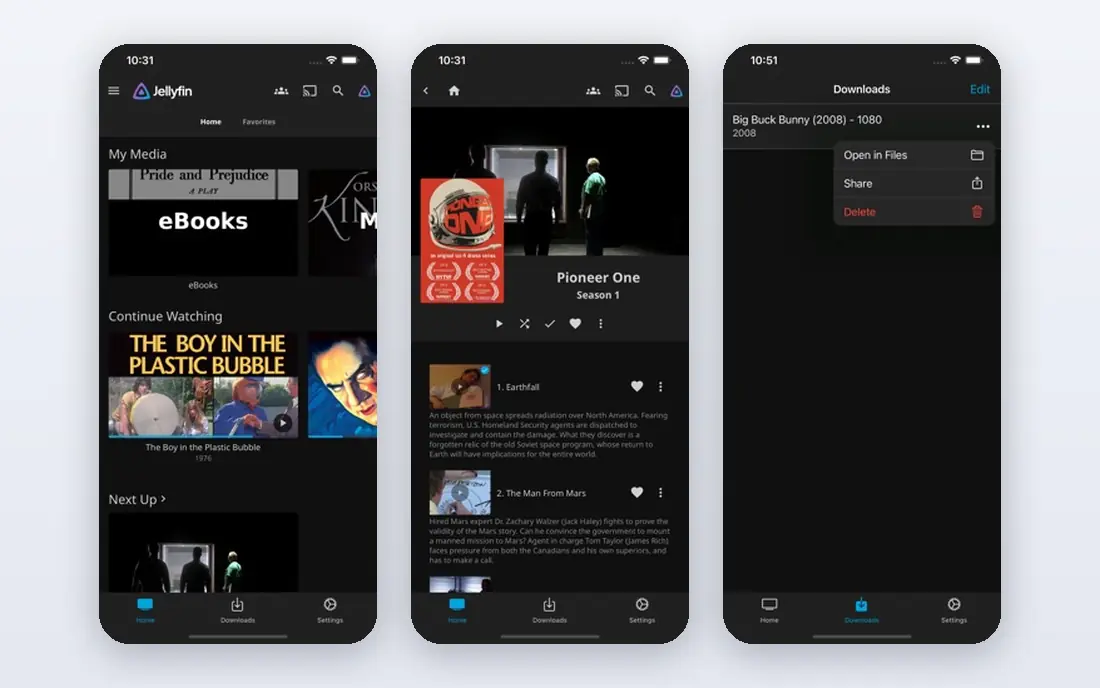
Jellyfin suits users who want a media server without a subscription, since all features are free and open source. That makes it a natural fit for users who want a free media server, where the daily workflow matters more than a long feature list. Its free model is the strength, since there is no paywall for the core server features. It starts free, which keeps the first step low risk while you test it. The catch is setup, since installing and configuring it takes more technical comfort than Plex.
- Free and open source media server
- No subscription needed for features
- Live TV and DVR options
- Setup needs technical comfort
- Mobile apps are simpler than rivals
Emby
Ideal for: users who want a polished Plex-like server
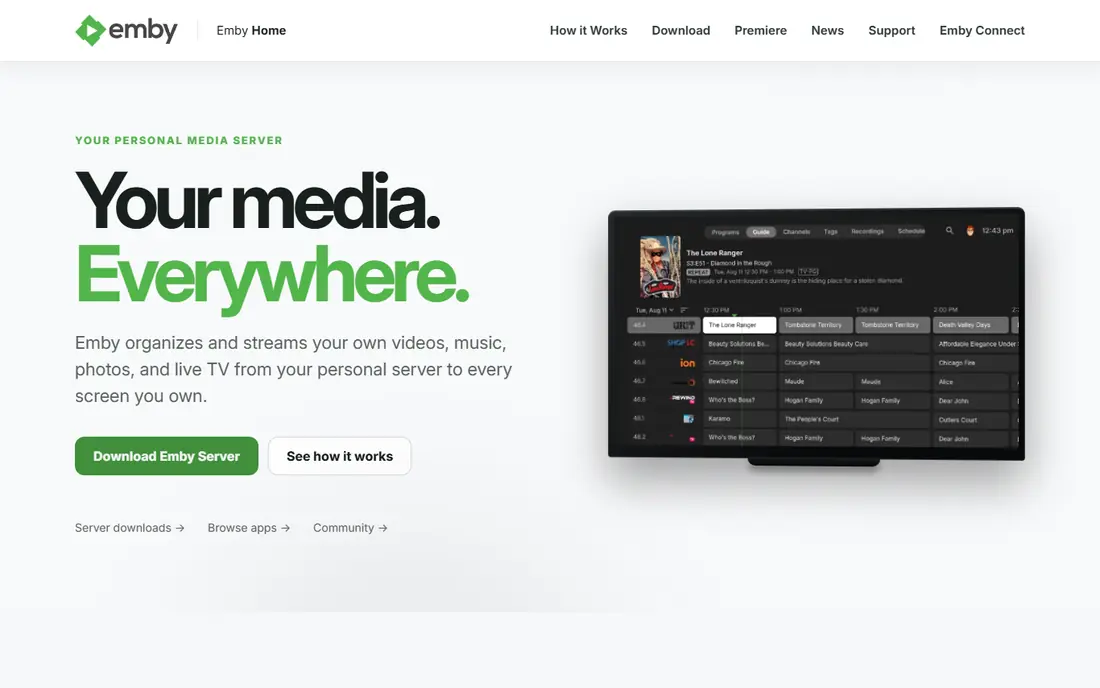
Emby suits users who want a Plex-like experience with polished apps and a clear server setup. For users who want a polished Plex-like server, that combination of focus and simplicity is what keeps it on this list. Its apps are the draw, since playback across TV, mobile, and web feels consistent. Pricing is listed on the vendor site, so check the current plan before you commit. The catch is tiers, since some features need the paid Premiere plan.
- Polished apps across devices
- Live TV and DVR
- Parental controls
- Some features need the paid Premiere plan
- Smaller community than Plex
Kodi
Ideal for: users who want a free media center app
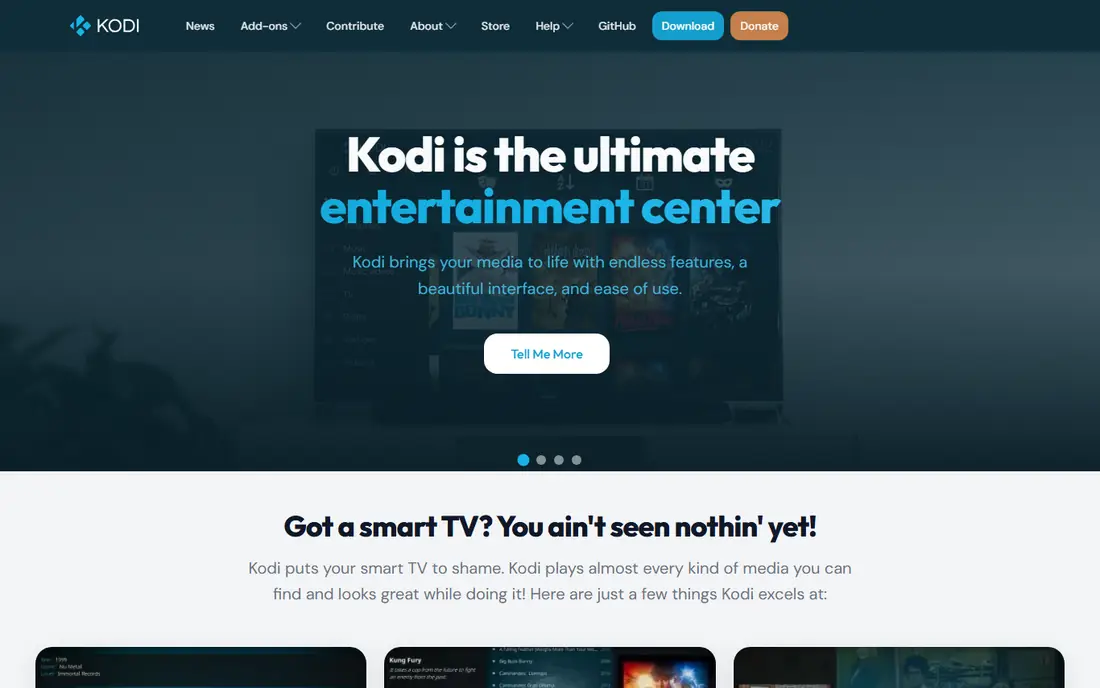
Kodi suits users who want a free media center on a TV or box, with add-ons to shape it. It is a practical choice for users who want a free media center app, especially when setup time is short. Its add-ons are the strength, since the interface and features can be changed widely. It starts free, which keeps the first step low risk while you test it. The catch is role, since Kodi is a player first, not a remote streaming server like Plex.
- Free and open source media center
- Huge add-on ecosystem
- Works on many devices
- Not a server with remote streaming by default
- Setup takes effort
Stremio
Ideal for: users who want simple streaming aggregation
Stremio suits users who want a simple front end for finding and watching shows, rather than managing a server. That is why it earns a place here for users who want simple streaming aggregation, even with the limits noted below. Its simplicity is the strength, since shows and movies appear in one clean catalog. It starts free, which keeps the first step low risk while you test it. The catch is library, since it does not manage a personal media collection the way Plex does.
- Simple app that gathers shows and movies
- Add-on system for sources
- Works on many platforms
- Depends on add-ons for content
- Less control over a personal library
Universal Media Server
Ideal for: users who want simple DLNA streaming
Universal Media Server suits users who want to stream files to a TV or console without a fancy app layer. For users who want simple DLNA streaming, the balance of price and features is hard to beat in this group. Its simplicity is the draw, since DLNA streaming works with many TVs out of the box. It starts free, which keeps the first step low risk while you test it. The catch is polish, since there are no slick mobile apps to match Plex.
- Free DLNA server for TVs and consoles
- Simple setup
- Good format support
- No polished mobile apps
- Interface is basic
Serviio
Ideal for: users who want a light home media server
Serviio suits users who want a light server that runs quietly on a home computer. It deserves a close look from users who want a light home media server, provided the limits below are acceptable. Its light footprint is the strength, since it streams to TVs and consoles without heavy demands. Pricing is listed on the vendor site, so check the current plan before you commit. The catch is age, since the interface feels dated next to newer servers.
- Lightweight server for home streaming
- Good device support
- Paid Pro adds features
- Interface is dated
- Pro features need a license
Channels
Ideal for: users who want live TV and DVR first
Channels suits users whose priority is live TV and recording, with local media as a bonus. That profile fits users who want live TV and DVR first well, as long as the trade-offs below are clear. Its DVR is the strength, since recording and watching live TV feels smooth and reliable. Pricing is listed on the vendor site, so check the current plan before you commit. The catch is focus, since a large movie library is secondary to TV features.
- Strong live TV and DVR
- Good Apple and Android apps
- Local library playback
- Subscription needed for DVR
- Focus is TV, not a full media library
How we picked these
We started from the topic itself and kept only products that truly fit it, exist, and work in October 2026. We checked each product homepage to confirm it loads and belongs to that product, and we read official feature and pricing pages rather than relying on review roundups alone. Where a price could not be verified from the vendor site, we wrote See website instead of guessing a number. We then compared the shortlist on fit for the stated use, price and free tier, ease of setup, and honest weaknesses. A product with a strong feature set but a poor fit for ordinary readers was left out, and we did not pad any list with products that only partly match the topic.
What to check before you choose
Start with the job you need done, not the longest feature list. A product that covers your main task well beats a larger platform whose extra features you never open, and a cheaper plan that fits your workflow beats a premium tier bought for status. Write down your must-have features before you compare, and use that list to judge each option below. Budget and total cost. Compare the starting price with what you will actually pay after a few months, including per-user fees, add-ons, and renewal prices. Free plans are useful for testing, but check their limits on users, storage, or usage before you build a workflow around them. Fit and switching cost. Check whether the product works with the tools you already use, and whether your data can be exported if you leave. A short trial answers both questions better than a sales page, so test the exact task you will do every week, not just the demo flow. Support and trust. Read the privacy policy and support options before you commit, especially when the product handles money, health, children, or private data. Public reviews help here, but weigh recent reviews more than old ones, since products and prices change. Once you have a shortlist of two or three, test them side by side for a few days. The right choice usually becomes clear once you use it for real work, and a careful trial now saves a painful switch later.
Frequently asked questions
What is the best plex alternatives?
For most readers, Jellyfin is our pick, because it covers the core needs with the fewest compromises. That said, the best choice depends on your budget and workflow, so readers with a tight budget or a special requirement may prefer one of the other options in this list.
Is there a free plex alternatives?
Yes. Jellyfin, Kodi, Stremio, Universal Media Server offer free plans, though each free plan has limits worth checking before you rely on it.
How much does plex alternatives cost?
Costs vary widely across this list, from free plans to quote-based enterprise pricing. Check the starting price in the comparison table, then read the vendor pricing page for the plan that matches your team size, since per-user fees and add-ons change the total.
Which option is best for beginners or small teams?
Emby is a good starting point for beginners or small teams, since it is easier to set up than the larger platforms here. If budget is the main concern, start with one of the free options and upgrade only when you hit a limit.
How did you choose these products?
We compared official feature pages, pricing pages, app store listings, privacy policies, and public reviews, and we checked each product homepage to confirm it belongs to that product. We kept only products that exist, work in October 2026, and truly fit the topic.
Can I switch later if I change my mind?
In most cases, yes, but switching costs time, especially if your data lives inside one tool. Before you commit, check whether you can export your data, and keep a backup of anything important so a future move stays possible.