Best Promapp Alternatives in 2026: 8 Tools Compared

- 1
 LucidchartDiagrams and process mapsVisit
- 2
 MiroVisual process mapping on a shared boardVisit
- 3
 Process StreetChecklists and process workflowsVisit
- 4
 TrainualTraining and process documentationVisit
- 5
 ScribeAuto-generated step-by-step guidesVisit
- Our pick for most people is Lucidchart, because it balances price, features and ease of use for the widest group of readers.
- Free plans are real here, but the limits matter: check what Miro and Process Street actually include before you commit.
- Prices in this guide come from vendor pricing pages and current comparisons checked in October 2026, and they can change, so confirm the plan on the vendor site before you buy.
- The best choice depends on your budget, your experience level and how much support you want, not on which brand is most famous.
Quick comparison
| Product | Ideal for | Price from | Free version | |
|---|---|---|---|---|
| Lucidchart | Diagrams and process maps | See website | Yes | Visit |
| Miro | Visual process mapping on a shared board | See website | Yes | Visit |
| Process Street | Checklists and process workflows | See website | Free trial | Visit |
| Trainual | Training and process documentation | See website | Free trial | Visit |
| Scribe | Auto-generated step-by-step guides | See website | Yes | Visit |
 Whale | Process documentation and training | See website | Free trial | Visit |
 Tallyfy | Workflow and process automation | See website | Free trial | Visit |
 Bizagi | Enterprise process modelling and automation | See website | Free trial | Visit |
The best Promapp Alternatives in 2026
We compared official feature pages, pricing pages, app store listings, privacy policies and public reviews to build this list for promapp alternatives. Every option below exists and works today, and each one earns its place for a different kind of reader.
Lucidchart
Ideal for: Diagrams and process maps
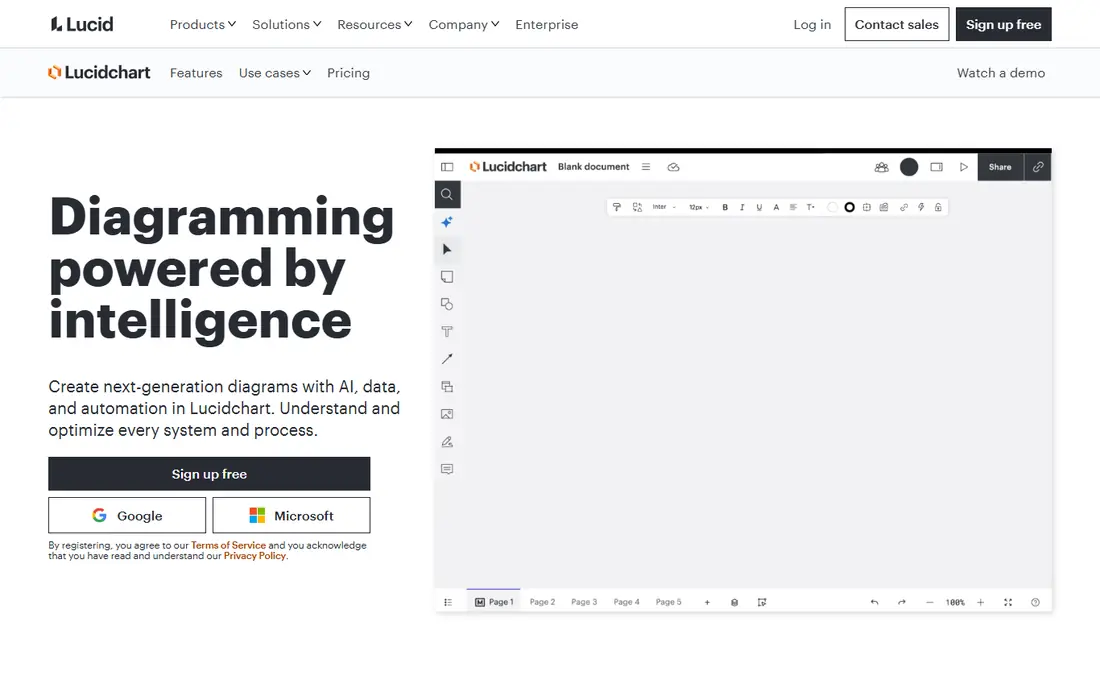
Here is the short version. Lucidchart suits teams that need clear process diagrams fast, with templates and collaboration built in. It fits readers who want diagrams and process maps, and its published feature set matches that promise rather than trying to cover every possible use case at once. When we weighed it against the rest of this list, the balance of price, scope and support stood out for that group, and the public reviews we read pointed in the same direction for that use case. The price picture is see website, with a free plan status of yes. Firms that need strict process governance and approvals should compare Process Street or Tallyfy as well. Before you sign up, check the current plan limits on the official site, because caps on users, usage or features are where most buyers get surprised after the first month, and a plan that looks cheap can cost more once you add the seats or volume you actually need.
- Drag-and-drop diagrams
- Process templates
- Collaboration
- Price rises with team features
- Process governance is lighter than Promapp
Miro
Ideal for: Visual process mapping on a shared board
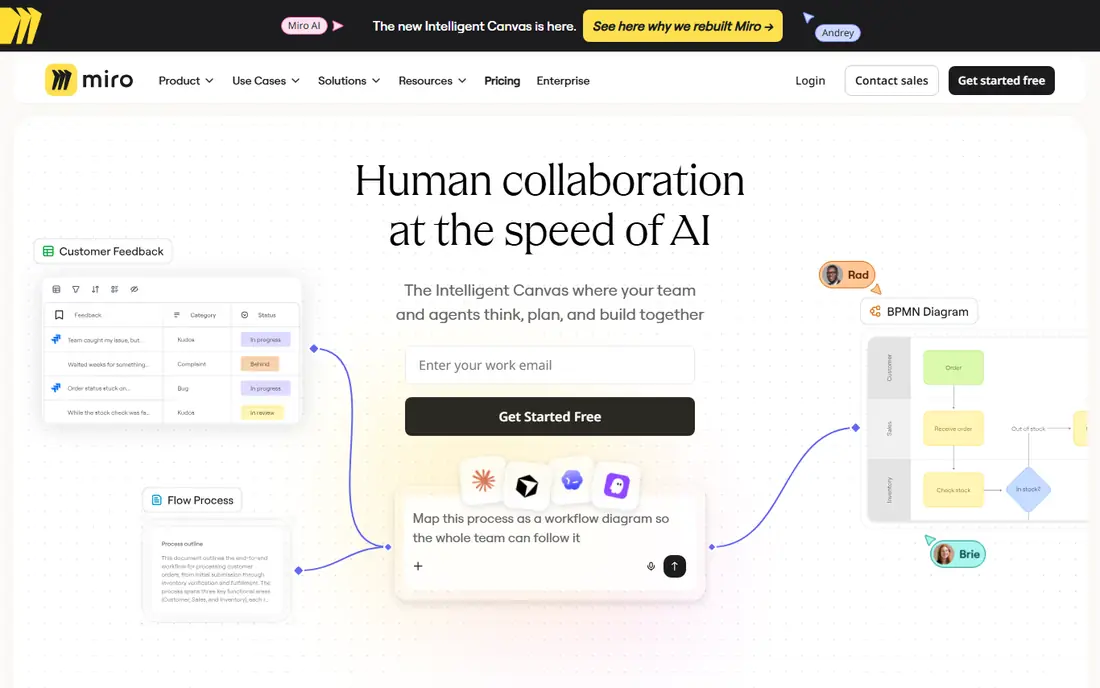
Start here if you want the safe default. Miro suits workshops and teams that map processes together on a shared board. It fits readers who want visual process mapping on a shared board, and its published feature set matches that promise rather than trying to cover every possible use case at once. When we weighed it against the rest of this list, the balance of price, scope and support stood out for that group, and the public reviews we read pointed in the same direction for that use case. The price picture is see website, with a free plan status of yes. For formal approved processes, a structured tool like Process Street may control versions better. Before you sign up, check the current plan limits on the official site, because caps on users, usage or features are where most buyers get surprised after the first month, and a plan that looks cheap can cost more once you add the seats or volume you actually need.
- Infinite canvas
- Process templates
- Real-time collaboration
- Boards can sprawl
- Governance features need higher tiers
Process Street
Ideal for: Checklists and process workflows
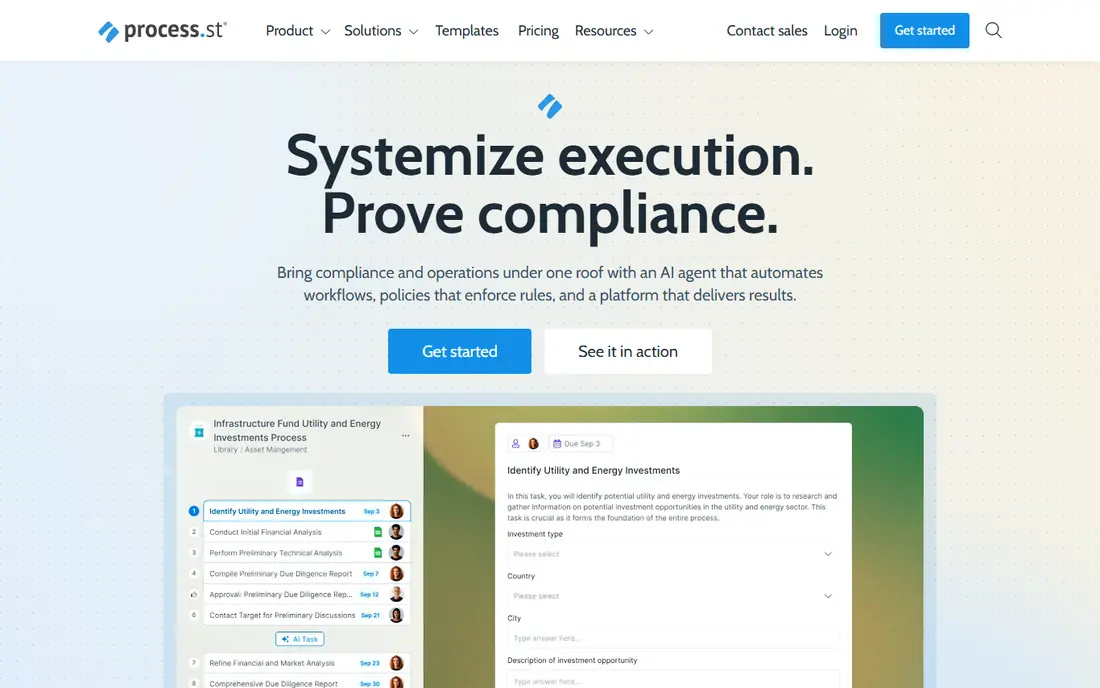
This one suits a specific kind of reader. Process Street turns processes into checklists staff actually follow, with approvals and automations. It fits readers who want checklists and process workflows, and its published feature set matches that promise rather than trying to cover every possible use case at once. When we weighed it against the rest of this list, the balance of price, scope and support stood out for that group, and the public reviews we read pointed in the same direction for that use case. The price picture is see website, with a free plan status of free trial. Teams that need rich diagrams should pair it with Lucidchart or Miro. Before you sign up, check the current plan limits on the official site, because caps on users, usage or features are where most buyers get surprised after the first month, and a plan that looks cheap can cost more once you add the seats or volume you actually need.
- Process checklists
- Approvals
- Automations
- Diagramming is lighter than Lucidchart
- Price rises with seats
Trainual
Ideal for: Training and process documentation
Consider this if the top picks do not fit. Trainual suits firms that train staff on processes, with docs, paths and quizzes in one place. It fits readers who want training and process documentation, and its published feature set matches that promise rather than trying to cover every possible use case at once. When we weighed it against the rest of this list, the balance of price, scope and support stood out for that group, and the public reviews we read pointed in the same direction for that use case. The price picture is see website, with a free plan status of free trial. Pure process mapping teams may find it training-heavy, so trial it with a real onboarding flow. Before you sign up, check the current plan limits on the official site, because caps on users, usage or features are where most buyers get surprised after the first month, and a plan that looks cheap can cost more once you add the seats or volume you actually need.
- Process docs
- Training paths
- Quizzes
- Training focus means mapping is lighter
- Price is per user
Scribe
Ideal for: Auto-generated step-by-step guides
A strong option for a narrower need. Scribe suits teams that document software processes, because it captures steps automatically as you work. It fits readers who want auto-generated step-by-step guides, and its published feature set matches that promise rather than trying to cover every possible use case at once. When we weighed it against the rest of this list, the balance of price, scope and support stood out for that group, and the public reviews we read pointed in the same direction for that use case. The price picture is see website, with a free plan status of yes. Complex non-software processes still need manual writing, so test it on your hardest process first. Before you sign up, check the current plan limits on the official site, because caps on users, usage or features are where most buyers get surprised after the first month, and a plan that looks cheap can cost more once you add the seats or volume you actually need.
- Auto-captures steps
- Generates guides
- Sharing
- Auto guides need editing for complex processes
- Free tier limits guides
Whale
Ideal for: Process documentation and training
Worth a close look before you decide. Whale combines process docs with AI capture and training, which suits growing teams standardising how work gets done. It fits readers who want process documentation and training, and its published feature set matches that promise rather than trying to cover every possible use case at once. When we weighed it against the rest of this list, the balance of price, scope and support stood out for that group, and the public reviews we read pointed in the same direction for that use case. The price picture is see website, with a free plan status of free trial. Smaller firms should check pricing at their team size before comparing with Trainual. Before you sign up, check the current plan limits on the official site, because caps on users, usage or features are where most buyers get surprised after the first month, and a plan that looks cheap can cost more once you add the seats or volume you actually need.
- Process docs
- AI capture
- Training tools
- Smaller ecosystem than Trainual
- Pricing is quoted in places
Tallyfy
Ideal for: Workflow and process automation
This belongs on the shortlist for a reason. Tallyfy suits firms that want processes tracked and automated, not just documented. It fits readers who want workflow and process automation, and its published feature set matches that promise rather than trying to cover every possible use case at once. When we weighed it against the rest of this list, the balance of price, scope and support stood out for that group, and the public reviews we read pointed in the same direction for that use case. The price picture is see website, with a free plan status of free trial. Teams that only need diagrams will find it heavier than Lucidchart, so judge it on workflow needs. Before you sign up, check the current plan limits on the official site, because caps on users, usage or features are where most buyers get surprised after the first month, and a plan that looks cheap can cost more once you add the seats or volume you actually need.
- Workflow automation
- Process tracking
- Approvals
- Interface is utilitarian
- Setup needs process thinking
Bizagi
Ideal for: Enterprise process modelling and automation
Do not overlook this one. Bizagi suits larger firms that model and automate processes at enterprise scale. It fits readers who want enterprise process modelling and automation, and its published feature set matches that promise rather than trying to cover every possible use case at once. When we weighed it against the rest of this list, the balance of price, scope and support stood out for that group, and the public reviews we read pointed in the same direction for that use case. The price picture is see website, with a free plan status of free trial. Small teams should prefer Lucidchart, Process Street or Trainual, since Bizagi needs serious setup. Before you sign up, check the current plan limits on the official site, because caps on users, usage or features are where most buyers get surprised after the first month, and a plan that looks cheap can cost more once you add the seats or volume you actually need.
- Process modelling
- Automation
- Enterprise controls
- Enterprise setup is heavy
- Overkill for small teams
How we picked these
We started from official feature pages and pricing pages, then checked app store listings, privacy policies and public reviews to confirm each product still works and still fits the topic. Products that could not be verified, or that only partly matched the topic, were left out, even when they were well known. We favoured a mix of established leaders and strong smaller options, and we weighted price transparency, a usable free tier or trial, and honest limits more heavily than marketing claims. No product on this list paid for its place, and our pick for most people is the one we would suggest to a friend with ordinary needs and an ordinary budget.
How to choose a process tool that staff will actually use
Start with the job: mapping, following or automating a process, because each needs a different tool. Mapping suits Lucidchart and Miro, following suits Process Street and Trainual, and automation suits Tallyfy and Bizagi. Check ownership next, since a process with no owner goes stale fast. Then trial the top two on one real process end to end, including approvals and updates. Check version control, permissions and search, because staff must find the current version quickly. A tool that looks good in a demo but hides the latest process will not survive contact with daily work.
Frequently asked questions
What is the best Promapp alternative?
Lucidchart suits diagramming, Process Street suits checklists staff follow, and Trainual suits training. The right pick depends on whether you map, follow or automate processes.
Is there a free Promapp alternative?
Yes, Lucidchart, Miro and Scribe offer free tiers, but each limits features or volume. Paid plans add governance, approvals and team controls.
What is the difference between process mapping and process management?
Mapping draws how work flows, while management controls approvals, versions and whether staff follow it. Many firms need both, so compare governance as well as diagrams.
Can these tools replace Promapp?
Yes for most teams, though Promapp users with strict governance should check Process Street, Tallyfy or Bizagi for approvals and version control.
How do I get staff to use a process tool?
Pick one real process, document it well, assign an owner, and train staff on that process first. A tool succeeds when it makes daily work easier, not when it holds the most diagrams.