Best ProProfs Alternatives in 2026: 8 Quiz and Survey Tools Compared

- Quizizz and Kahoot are the best picks for fun, classroom style quizzes.
- Typeform and SurveyMonkey suit feedback and survey use.
- Google Forms is the best free starting point for simple quizzes.
- Check scoring, reporting and question types before you pay, since they vary a lot.
Quick comparison
| Product | Ideal for | Price from | Free version | |
|---|---|---|---|---|
 Typeform | Conversational quizzes and surveys | Free | Yes | Visit |
 SurveyMonkey | Surveys with strong reporting | Free | Yes | Visit |
 Qualtrics | Enterprise surveys and research | See website | Free trial | Visit |
 Quizizz | Fun quizzes for classrooms and training | Free | Yes | Visit |
 Kahoot | Live quiz games for groups | Free | Yes | Visit |
 Google Forms | Free, simple quizzes and surveys | Free | Yes | Visit |
 Jotform | Online forms, quizzes and surveys | Free | Yes | Visit |
 SurveySparrow | Conversational surveys with chat style | Free | Yes | Visit |
The best ProProfs alternatives
ProProfs covers quizzes, surveys and training. The alternatives below split between quiz makers, survey platforms and learning tools, so the right pick depends on whether you test knowledge, gather feedback or train a team.
Typeform
Ideal for: Conversational quizzes and surveys
Typeform is a practical option for conversational quizzes and surveys. Typeform builds conversational quizzes and surveys that feel good to complete. On its official feature and pricing pages, the strengths that stand out most are beautiful conversational forms and good logic. We compared its official pages with the other tools here.
For day to day use, Typeform suits people who want conversational quizzes and surveys without a long setup process. Typeform builds conversational quizzes and surveys that feel good to complete. Try the free option or trial first if one is offered, and check current plan details on the official site.
The honest catch is free plan limits responses. Scoring is lighter than dedicated quiz tools, so test makers should check that first. If that trade-off matters, compare the next option on price and setup effort.
- Beautiful conversational forms
- Good logic
- Works anywhere
- Free plan limits responses
- Scoring options are lighter than quiz specialists
SurveyMonkey
Ideal for: Surveys with strong reporting
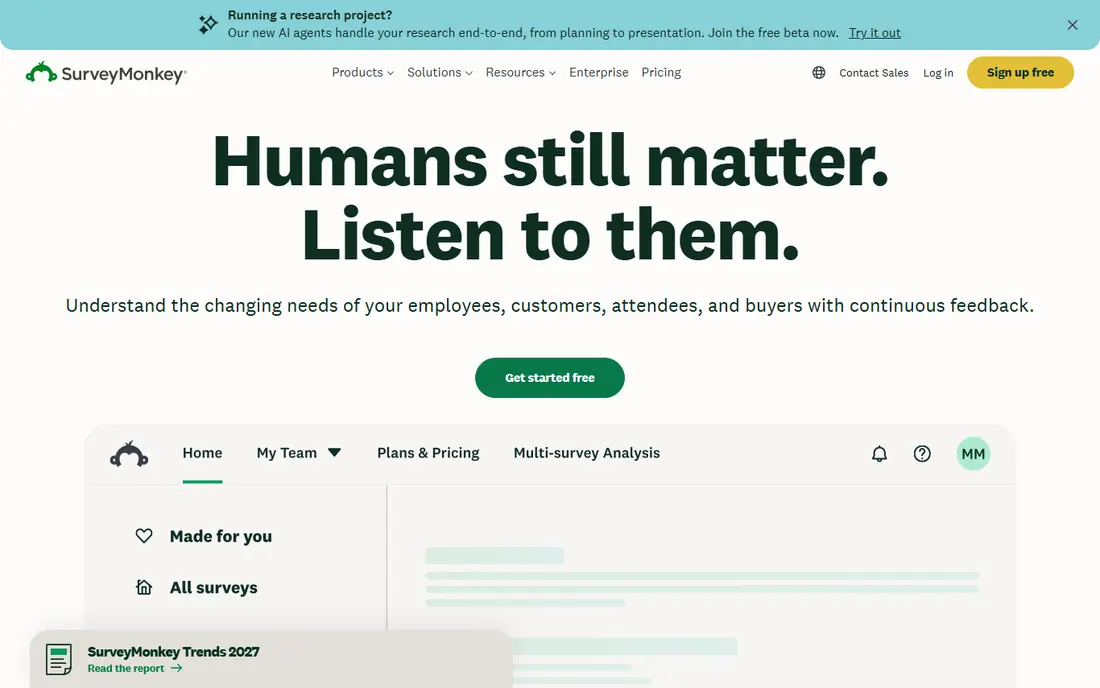
For surveys with strong reporting, SurveyMonkey deserves a close look. SurveyMonkey is a survey platform with strong logic, reporting and templates. Its official pages point to strong survey logic as a core strength. We checked its feature pages, pricing and app store listing against the other options here.
What makes SurveyMonkey useful in practice is the way it handles the main job without adding extra steps. SurveyMonkey is a survey platform with strong logic, reporting and templates. Try the free plan or trial first on a real task from your own routine before you commit.
No tool is free of trade-offs, and here the main one is free plan limits questions and responses. The free plan limits questions and responses, so larger surveys need a paid tier. Weigh that against price and the features you need most.
- Strong survey logic
- Good reporting
- Large template library
- Free plan limits questions and responses
- Pricing rises by tier
Qualtrics
Ideal for: Enterprise surveys and research
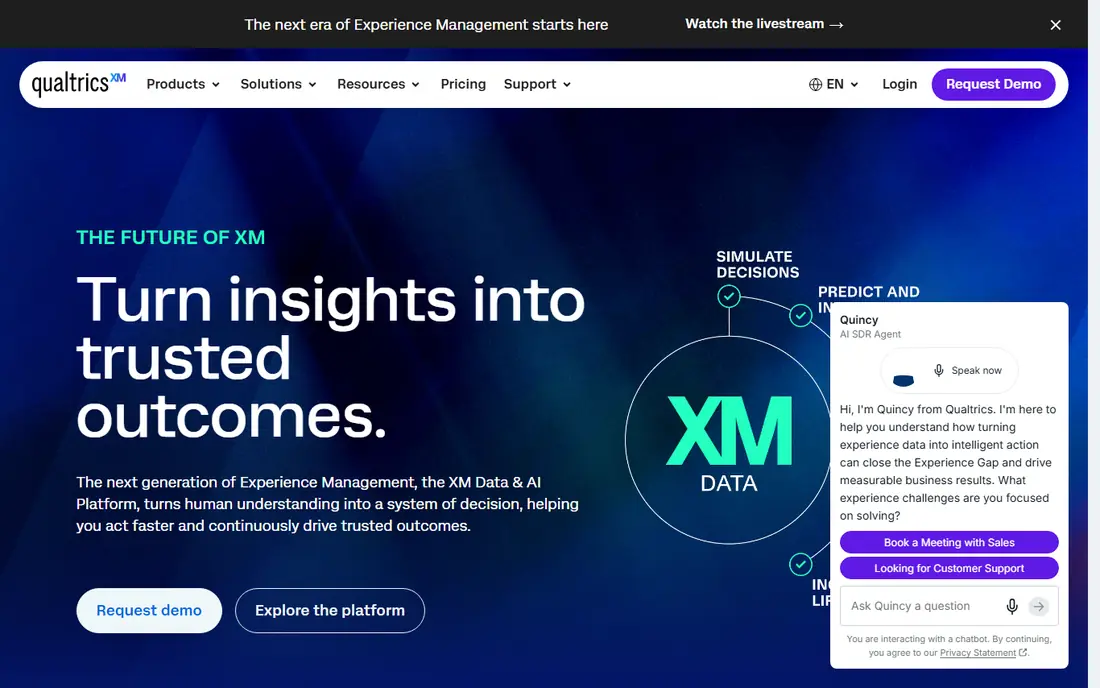
Qualtrics takes a different approach to enterprise surveys and research, and that is why it is on this list. Qualtrics is an enterprise survey and research platform with advanced logic and reporting. The official feature page highlights very strong survey and research tools.
In use, Qualtrics is best judged on one question: does it handle your main task with less effort than the tool you use now? Qualtrics is an enterprise survey and research platform with advanced logic and reporting. If the answer is yes, the price is easier to justify. If not, compare the next product side by side.
The catch to note is pricing is high. Pricing is high and the platform is overkill for simple classroom quizzes. Read the pricing page carefully and confirm the plan covers the features you will rely on.
- Very strong survey and research tools
- Advanced logic
- Enterprise reporting
- Pricing is high
- Overkill for simple quizzes
Quizizz
Ideal for: Fun quizzes for classrooms and training
If your priority is fun quizzes for classrooms and training, Quizizz is worth shortlisting. Quizizz offers game style quizzes for classrooms and training, with reports and a question library. We compared its official pages with the other products here, and fun, game style quizzes came through as its clearest advantage.
Day to day, Quizizz is straightforward to pick up. Quizizz offers game style quizzes for classrooms and training, with reports and a question library. Use any free plan or trial to run a real task through it, since that tells you more than a feature list.
Be aware of one limit: free plan has limits. Free limits apply, and some features need a school or work plan. Check the official pricing page before you pay.
- Fun, game style quizzes
- Good reports
- Large question library
- Free plan has limits
- Some features need school or work plans
Kahoot
Ideal for: Live quiz games for groups
Kahoot is a practical option for live quiz games for groups. Kahoot runs live quiz games that groups play together in real time. On its official feature and pricing pages, the strengths that stand out most are live group quiz games and very engaging. We compared its official pages with the other tools here.
For day to day use, Kahoot suits people who want live quiz games for groups without a long setup process. Kahoot runs live quiz games that groups play together in real time. Try the free option or trial first if one is offered, and check current plan details on the official site.
The honest catch is free plan limits features. It is best live, so self paced homework style quizzes are less of a strength. If that trade-off matters, compare the next option on price and setup effort.
- Live group quiz games
- Very engaging
- Easy to run
- Free plan limits features
- Best live, less suited to homework style quizzes
Google Forms
Ideal for: Free, simple quizzes and surveys
For free, simple quizzes and surveys, Google Forms deserves a close look. Google Forms is a free, simple tool for quizzes and surveys with basic scoring and Sheets links. Its official pages point to free as a core strength. We checked its feature pages, pricing and app store listing against the other options here.
What makes Google Forms useful in practice is the way it handles the main job without adding extra steps. Google Forms is a free, simple tool for quizzes and surveys with basic scoring and Sheets links. Try the free plan or trial first on a real task from your own routine before you commit.
No tool is free of trade-offs, and here the main one is design options are basic. Design and logic are basic, but for simple quizzes it is hard to beat on price. Weigh that against price and the features you need most.
- Free
- Simple quiz scoring
- Works with Google Sheets
- Design options are basic
- Advanced logic is limited
Jotform
Ideal for: Online forms, quizzes and surveys
Jotform takes a different approach to online forms, quizzes and surveys, and that is why it is on this list. Jotform offers forms, quizzes and surveys with many templates and a free plan. The official feature page highlights many templates.
In use, Jotform is best judged on one question: does it handle your main task with less effort than the tool you use now? Jotform offers forms, quizzes and surveys with many templates and a free plan. If the answer is yes, the price is easier to justify. If not, compare the next product side by side.
The catch to note is free plan limits submissions. Quiz scoring is basic compared with dedicated quiz tools, so check it first. Read the pricing page carefully and confirm the plan covers the features you will rely on.
- Many templates
- Quiz and survey options
- Payment features
- Free plan limits submissions
- Quiz scoring is basic
SurveySparrow
Ideal for: Conversational surveys with chat style
If your priority is conversational surveys with chat style, SurveySparrow is worth shortlisting. SurveySparrow builds chat style surveys with automation, reports and integrations. We compared its official pages with the other products here, and chat style surveys came through as its clearest advantage.
Day to day, SurveySparrow is straightforward to pick up. SurveySparrow builds chat style surveys with automation, reports and integrations. Use any free plan or trial to run a real task through it, since that tells you more than a feature list.
Be aware of one limit: free plan is limited. The free plan is limited, so larger survey programmes need a paid tier. Check the official pricing page before you pay.
- Chat style surveys
- Good automation
- Reports and integrations
- Free plan is limited
- Pricing rises by tier
How we picked these
We compared official feature pages, pricing pages, app store listings, privacy policies and public reviews for each product in this list. We kept only products that exist and work in October 2026 and that fit the topic directly, and we left out products that only partly matched. Where a price could not be verified from the vendor site or app store listing, we wrote See website rather than guessing.
How to choose a quiz or survey tool
First decide the goal. A quiz needs scoring, timers and feedback. A survey needs logic, anonymity options and clean reporting. A training tool needs courses and tracking. One tool rarely does all three equally well.
Then test with real questions. Build a copy of your longest quiz or survey, check scoring and logic, and confirm that reports show the answers you need. A short pilot with real respondents will reveal problems faster than a feature list.
Frequently asked questions
What is the best option for proprofs alternatives?
There is no single winner for every reader, because the right pick depends on budget, team size and the features you will use daily. Start with the best_for note in the comparison table, then test the free plan or trial on a real task. That short test usually shows which tool fits your routine best.
Are there free options for proprofs alternatives?
Yes, several products in this list offer a free plan or a free trial, and the table shows which ones do. Free plans usually limit volume, seats or advanced features, so check those limits before you rely on one. A paid plan is often worth it once the free limits start to slow you down.
How do I switch from my current tool for proprofs alternatives?
Export your data first, then set up the new tool alongside the old one for a short overlap period. Move one project or workflow at a time and check that the important data carried over correctly. Cancel the old plan only after the new setup has handled a full week of normal work.
Which option is best for a small team or a single user?
A single user or small team should favour a tool with a clear free or low cost plan and a short learning curve. Larger teams should weigh admin controls, permissions and support more heavily. The product notes in this list call out which audience each tool suits best.
Do I need to pay straight away for proprofs alternatives?
No, most tools here let you start free or on a trial, and you should use that period well. Test the features you will use most, not just the headline features on the marketing page. Pay only when the tool has already proved useful on real work.