Best Railway Alternatives in 2026: 8 Options Compared

- Our top pick for most people is Render, because it covers the core needs of this category with a clear, well supported product.
- If cost matters most, start with DigitalOcean App Platform and Porter, and check their current pricing pages before you commit to a paid plan.
- For larger or more demanding teams, Fly.io and Heroku offer deeper features, though setup and pricing need closer review.
- The right choice depends on what you already use, so shortlist two or three options and try them with your real workflow before you switch.
Quick comparison
| Product | Ideal for | Price from | Free version | |
|---|---|---|---|---|
 Render | Developers deploying web services simply | See website | Yes | Visit |
 Fly.io | Developers running apps close to users | See website | Yes | Visit |
 Heroku | Teams wanting the classic simple PaaS | See website | See website | Visit |
 Vercel | Front end teams deploying web apps | See website | Yes | Visit |
 DigitalOcean App Platform | Developers wanting simple apps on DigitalOcean | See website | Free trial | Visit |
 Netlify | Teams hosting static and Jamstack sites | See website | Yes | Visit |
 Porter | Teams wanting PaaS on their own cloud | See website | See website | Visit |
 Coolify | Self hosters wanting a free PaaS | See website | Yes | Visit |
The best railway alternatives
We compared official feature pages, pricing pages, app store listings, privacy policies, and public reviews to build this list of railway alternatives. Each option below is a real product that works in October 2026 and fits this topic, with an honest note on where it falls short.
Render
Ideal for: Developers deploying web services simply

Render is the closest simple alternative for deploying web services and databases. It is best for developers deploying web services simply. Its strengths include simple deploys; managed databases; free tier. For readers weighing railway alternatives, that combination makes it a serious option rather than a filler pick, and it earned its place here on the strength of its official feature set and public reception. The honest catch is worth stating plainly. Free tier sleeps on some plans; build times vary That trade off matters more for some readers than others, so weigh it against what you actually need day to day. On pricing, check the vendor site for the current plan, since tiers and limits change over time. If it matches your main use case, it is a reasonable choice, and if it does not, another option on this list likely fits better.
- Simple deploys
- Managed databases
- Free tier
- Free tier sleeps on some plans
- Build times vary
Fly.io
Ideal for: Developers running apps close to users
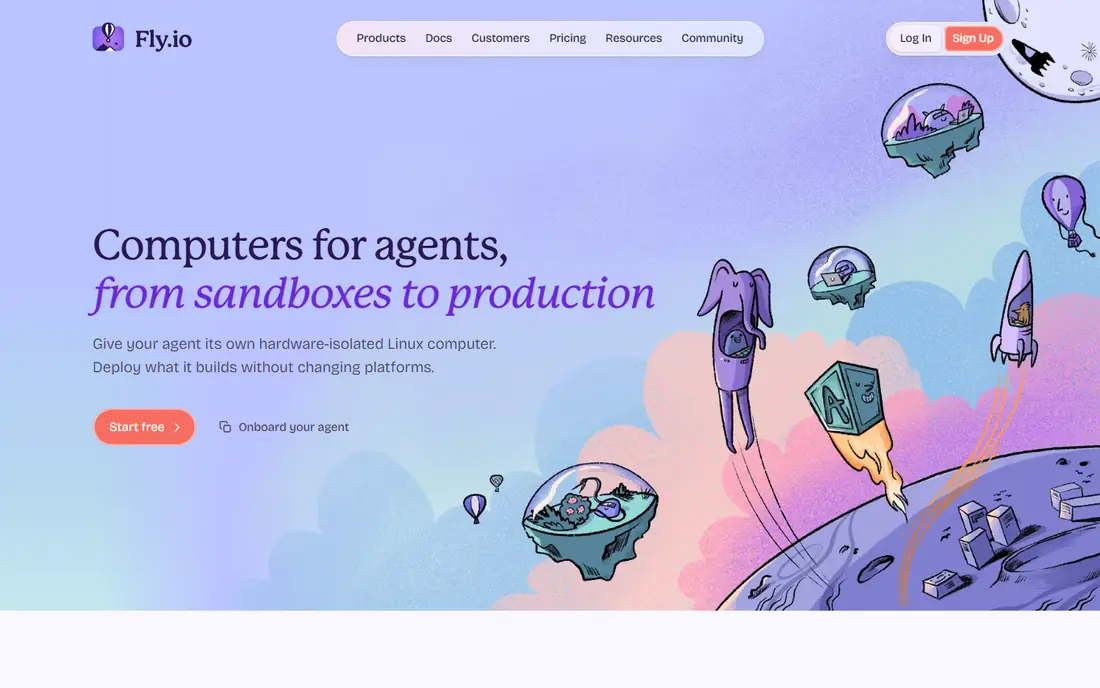
Fly.io suits developers who want apps running near users worldwide. It is best for developers running apps close to users. Its strengths include global edge deployment; docker based; good for full stack apps. For readers weighing railway alternatives, that combination makes it a serious option rather than a filler pick, and it earned its place here on the strength of its official feature set and public reception. The honest catch is worth stating plainly. Pricing can surprise at scale; learning curve for new users That trade off matters more for some readers than others, so weigh it against what you actually need day to day. Before you commit, test it with the task you do most often, since that reveals fit faster than a feature list. If it matches your main use case, it is a reasonable choice, and if it does not, another option on this list likely fits better.
- Global edge deployment
- Docker based
- Good for full stack apps
- Pricing can surprise at scale
- Learning curve for new users
Heroku
Ideal for: Teams wanting the classic simple PaaS
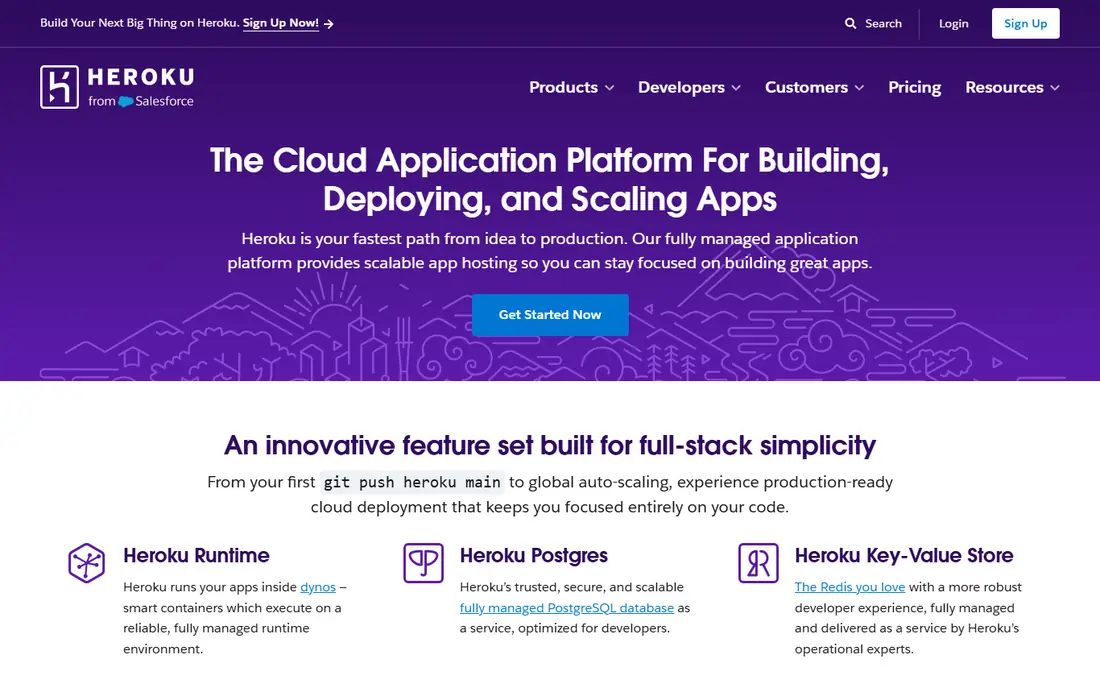
Heroku remains the classic simple platform, now without a free tier. It is best for teams wanting the classic simple paas. Its strengths include simple git deploys; large add on marketplace; mature platform. For readers weighing railway alternatives, that combination makes it a serious option rather than a filler pick, and it earned its place here on the strength of its official feature set and public reception. The honest catch is worth stating plainly. No free tier anymore; costs rise with scale That trade off matters more for some readers than others, so weigh it against what you actually need day to day. We would shortlist it alongside one rival from this list and compare them on your actual workflow. If it matches your main use case, it is a reasonable choice, and if it does not, another option on this list likely fits better.
- Simple git deploys
- Large add on marketplace
- Mature platform
- No free tier anymore
- Costs rise with scale
Vercel
Ideal for: Front end teams deploying web apps
Vercel is the top choice for front end and Next.js deployments. It is best for front end teams deploying web apps. Its strengths include fast front end deploys; next.js optimization; preview urls. For readers weighing railway alternatives, that combination makes it a serious option rather than a filler pick, and it earned its place here on the strength of its official feature set and public reception. The honest catch is worth stating plainly. Back end workloads are limited; pricing scales with usage That trade off matters more for some readers than others, so weigh it against what you actually need day to day. It is worth checking current pricing and plan limits on the vendor site, since those details change. If it matches your main use case, it is a reasonable choice, and if it does not, another option on this list likely fits better.
- Fast front end deploys
- Next.js optimization
- Preview URLs
- Back end workloads are limited
- Pricing scales with usage
DigitalOcean App Platform
Ideal for: Developers wanting simple apps on DigitalOcean
App Platform fits DigitalOcean users who want simple app hosting. It is best for developers wanting simple apps on digitalocean. Its strengths include simple app deploys; managed databases; digitalocean pricing. For readers weighing railway alternatives, that combination makes it a serious option rather than a filler pick, and it earned its place here on the strength of its official feature set and public reception. The honest catch is worth stating plainly. Fewer features than specialist PaaS; build options are moderate That trade off matters more for some readers than others, so weigh it against what you actually need day to day. On pricing, check the vendor site for the current plan, since tiers and limits change over time. If it matches your main use case, it is a reasonable choice, and if it does not, another option on this list likely fits better.
- Simple app deploys
- Managed databases
- DigitalOcean pricing
- Fewer features than specialist PaaS
- Build options are moderate
Netlify
Ideal for: Teams hosting static and Jamstack sites
Netlify suits teams hosting static sites and Jamstack front ends. It is best for teams hosting static and jamstack sites. Its strengths include fast static hosting; deploy previews; serverless functions. For readers weighing railway alternatives, that combination makes it a serious option rather than a filler pick, and it earned its place here on the strength of its official feature set and public reception. The honest catch is worth stating plainly. Dynamic back ends are limited; pricing scales with bandwidth That trade off matters more for some readers than others, so weigh it against what you actually need day to day. Before you commit, test it with the task you do most often, since that reveals fit faster than a feature list. If it matches your main use case, it is a reasonable choice, and if it does not, another option on this list likely fits better.
- Fast static hosting
- Deploy previews
- Serverless functions
- Dynamic back ends are limited
- Pricing scales with bandwidth
Porter
Ideal for: Teams wanting PaaS on their own cloud
Porter fits teams that want PaaS ease with infrastructure in their own cloud. It is best for teams wanting paas on their own cloud. Its strengths include runs on your own cloud account; simple deploys; infrastructure control. For readers weighing railway alternatives, that combination makes it a serious option rather than a filler pick, and it earned its place here on the strength of its official feature set and public reception. The honest catch is worth stating plainly. Setup needs cloud skill; newer ecosystem That trade off matters more for some readers than others, so weigh it against what you actually need day to day. We would shortlist it alongside one rival from this list and compare them on your actual workflow. If it matches your main use case, it is a reasonable choice, and if it does not, another option on this list likely fits better.
- Runs on your own cloud account
- Simple deploys
- Infrastructure control
- Setup needs cloud skill
- Newer ecosystem
Coolify
Ideal for: Self hosters wanting a free PaaS
Coolify appeals to self hosters who want Heroku like ease on their own server. It is best for self hosters wanting a free paas. Its strengths include open source self hosted paas; docker based; many templates. For readers weighing railway alternatives, that combination makes it a serious option rather than a filler pick, and it earned its place here on the strength of its official feature set and public reception. The honest catch is worth stating plainly. You manage the server; support is community based That trade off matters more for some readers than others, so weigh it against what you actually need day to day. It is worth checking current pricing and plan limits on the vendor site, since those details change. If it matches your main use case, it is a reasonable choice, and if it does not, another option on this list likely fits better.
- Open source self hosted PaaS
- Docker based
- Many templates
- You manage the server
- Support is community based
How we picked these
We started from the topic itself and looked for products that truly fit it, not just well known names in a nearby category. We compared official feature pages, pricing pages, app store listings, privacy policies, and public reviews, and we left out products we could not verify or that did not match the topic. Prices and free tiers in this article come from vendor sites where we could confirm them, and where a price was not clear we wrote See website rather than guessing. We also aimed for a mix of large, established options and smaller tools that serve a specific audience well. No product here was added to fill space, and our notes on weaknesses come from public reviews and plan limits rather than from hands on testing, which we do not claim.
What to check before you choose
Start with the job you need done most often, then check whether each shortlisted product handles that job without extra tools or workarounds. A long feature list means little if the core task feels awkward, so give weight to the workflow you will repeat daily. Next, look at total cost, not just the headline price, including per user fees, usage limits, and add ons that your team will actually need. Also check how the product fits what you already use, including sign in, data import, and support options when something goes wrong. Read the privacy policy for products that handle personal or customer data, and confirm contract terms, renewal rules, and cancellation steps before you pay. Finally, run a trial with real data and real teammates where a trial is offered, and keep notes on what slowed you down, since that trial experience is often the best guide to a long term fit.
Frequently asked questions
What are the best railway alternatives?
The best choice depends on your size and budget, but Render, Fly.io, and Vercel are strong starting points for most readers. Compare them on the task you do most often, then check current pricing before you decide.
Are there free railway alternatives?
Some options on this list offer a free tier or a free trial, including DigitalOcean App Platform where noted in the comparison table. Free tiers usually limit features or usage, so check the vendor pricing page to see what is included before you rely on a free plan.
How much do railway alternatives cost?
Pricing varies widely, from free tiers to quote based enterprise plans, so there is no single typical price. Use the starting price column as a guide and confirm the current plan on each vendor site, since tiers change over time.
How do I switch from my current tool?
Start by exporting your data from your current tool and checking import options on your new choice. Run both tools side by side for a short trial period, move one workflow at a time, and confirm that integrations and permissions work before you cancel the old plan.
Which option is best for small teams?
Small teams often do best with simpler, lower cost tools such as DigitalOcean App Platform or Porter, which are easier to set up and learn. Larger teams with complex needs may prefer Fly.io, even though setup takes more time.