Raven SEO Alternatives in 2026: 7 Tools Compared

- Semrush and Ahrefs suit teams that want the broadest SEO data for keywords, backlinks, and site audits.
- Moz Pro suits teams that want clear metrics and learning resources alongside core SEO tools.
- SE Ranking and Serpstat suit budget teams that want solid rank tracking and audits at lower cost.
- Mangools suits beginners who want simple keyword and SERP tools, while SpyFu suits competitor research.
- Reporting needs decide many choices: agencies need white-label reports, while in-house teams need workflow depth.
Quick comparison
| Product | Ideal for | Price from | Free version | |
|---|---|---|---|---|
 Semrush | All-in-one SEO | See website | Free trial | Visit |
 Ahrefs | Backlinks and research | See website | Free trial | Visit |
 Moz Pro | Guided SEO metrics | See website | Free trial | Visit |
 SE Ranking | Budget rank tracking | See website | Free trial | Visit |
 Serpstat | Budget all-in-one SEO | See website | Free trial | Visit |
 Mangools | Simple keyword tools | See website | Free trial | Visit |
 SpyFu | Competitor research | See website | Free trial | Visit |
The best Raven SEO alternatives
We compared official feature pages, pricing pages, and public reviews for seven Raven SEO alternatives. Our pick for most teams is Semrush for its breadth, with Ahrefs close behind for backlink and content research.
Semrush
Ideal for: All-in-one SEO
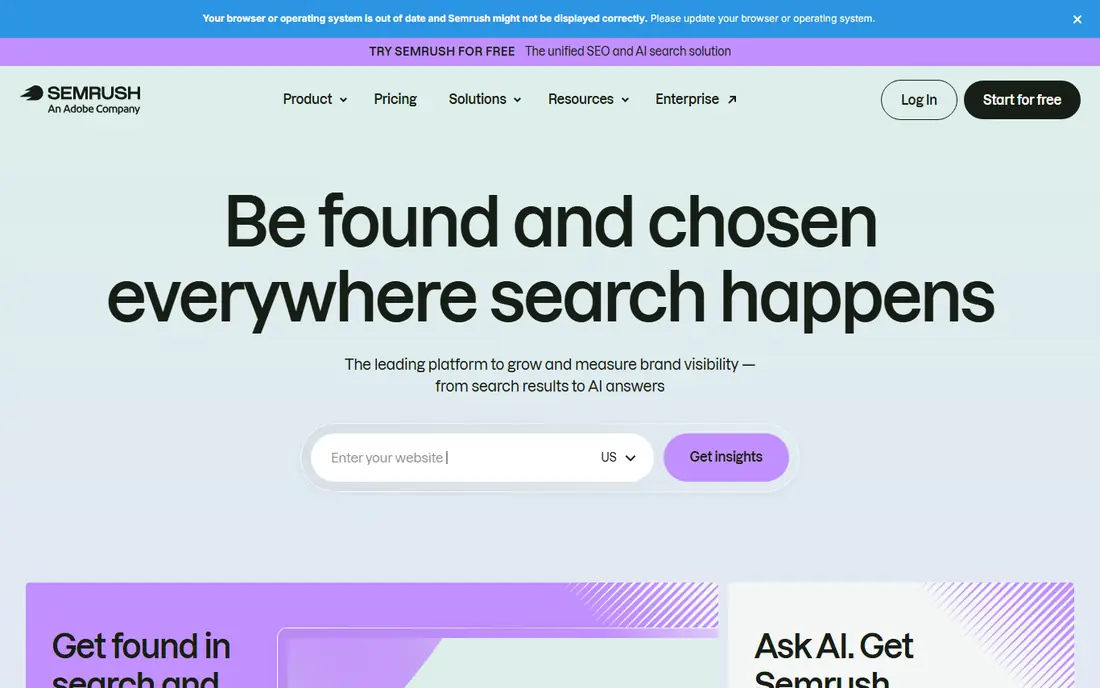
Semrush covers keyword research, rank tracking, site audits, backlink analysis, and content tools in one platform. Agencies can build white-label reports, while in-house teams can track competitors and content gaps. That breadth makes Semrush the closest all-round replacement for Raven SEO users who need many tools in one place.
The interface is dense, and pricing rises with projects and limits. Beginners should start with one workflow, such as audits or keyword research, before exploring the full suite. For teams that want one SEO platform for most jobs, Semrush is our top pick.
- Keyword, backlink, and audit tools
- Content tools
- Reporting
- Price rises with use
- Interface is dense
Ahrefs
Ideal for: Backlinks and research
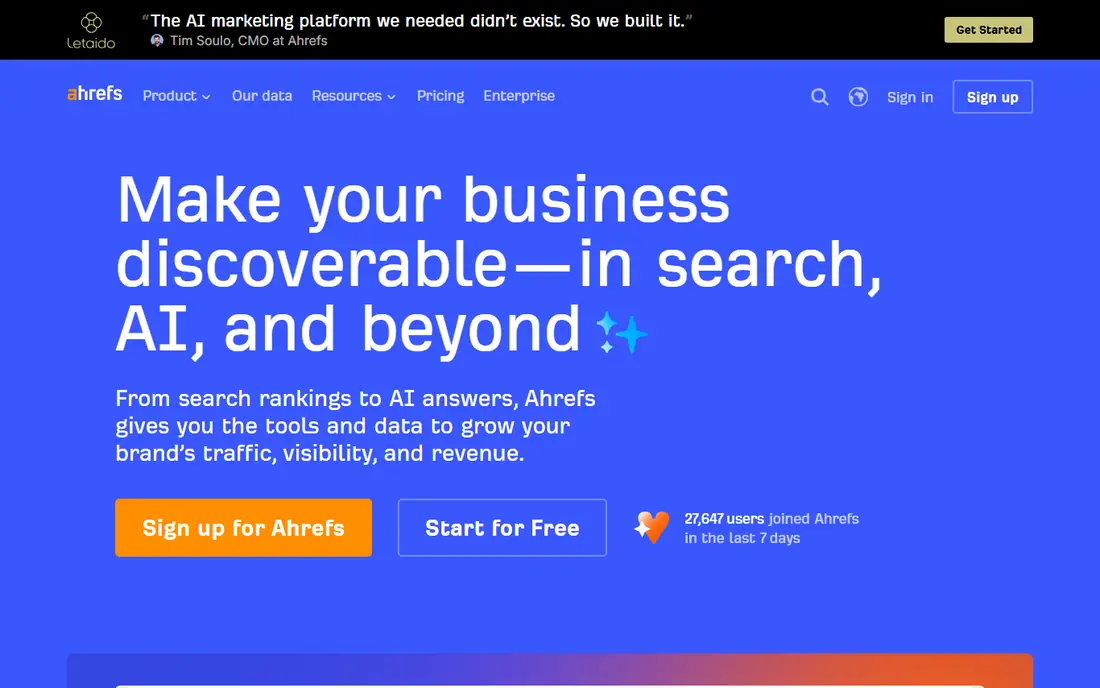
Ahrefs is known for backlink data and content research, with tools for keyword research, site audits, rank tracking, and content gaps. Its Content Explorer helps teams find topics that earn links, while Site Explorer shows competitor backlinks in detail. That research depth suits content and link-building teams.
Pricing is higher than budget tools, and agency reporting is less flexible than Semrush. For teams whose main SEO work is links and content research, Ahrefs is the strongest choice here.
- Strong backlink data
- Content explorer
- Rank tracking
- Higher price
- Reporting is less agency-focused
Moz Pro
Ideal for: Guided SEO metrics
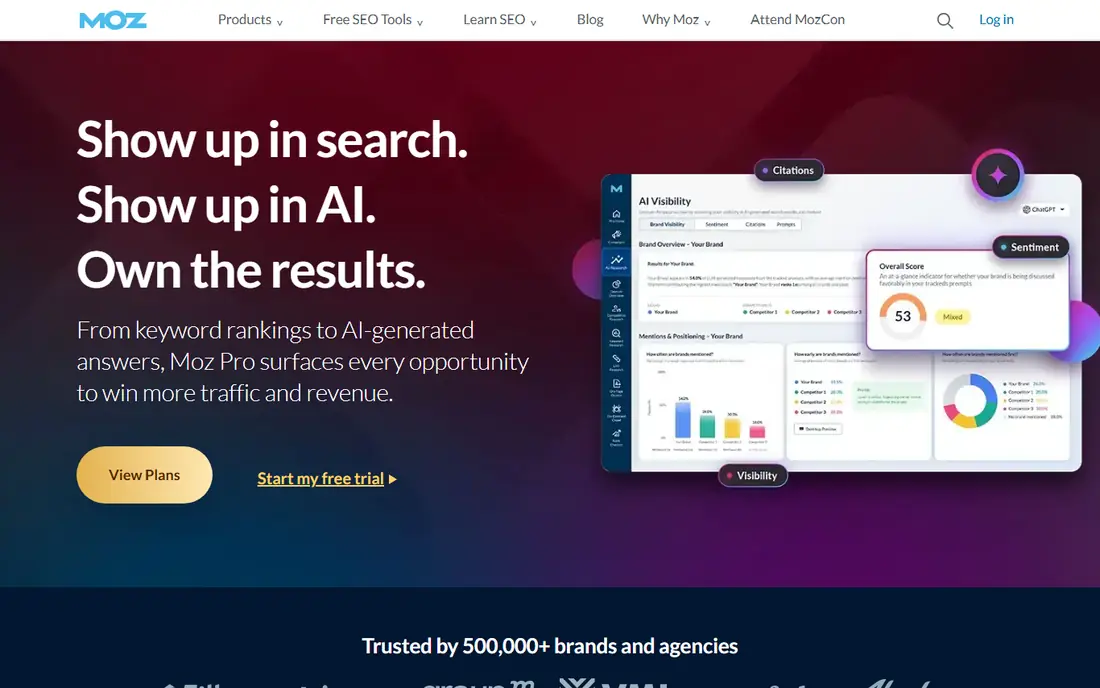
Moz Pro offers keyword research, rank tracking, site audits, and link tools with clear metrics like Domain Authority that many marketers know. Its learning resources and community help beginners understand SEO while using the tool. That guidance suits in-house teams and small agencies that want direction, not just data.
Data depth is thinner than Semrush or Ahrefs for large-scale research. For teams that value clarity and learning alongside core tools, Moz Pro remains a respected alternative.
- Clear metrics
- Keyword and audit tools
- Learning resources
- Data depth is thinner than Semrush
- Price is mid-range
SE Ranking
Ideal for: Budget rank tracking
SE Ranking offers rank tracking, site audits, keyword research, and backlink checks at a lower price than Semrush or Ahrefs. White-label reporting suits agencies, and the tool covers the core SEO workflow well. That value makes it popular with freelancers and small agencies.
Backlink data is thinner than Ahrefs, and the interface is plainer than rivals. For budget teams that need reliable tracking and audits, SE Ranking gives strong value.
- Affordable rank tracking
- Audits and keyword tools
- White-label reports
- Backlink data is thinner
- Interface is plainer
Serpstat
Ideal for: Budget all-in-one SEO
Serpstat is an all-in-one SEO platform with keyword research, rank tracking, site audits, backlink analysis, and competitor tools at budget-friendly prices. Team features and API access suit agencies and larger in-house teams. That breadth at a lower price makes Serpstat a good Raven alternative for cost-conscious teams.
Data coverage varies by region, so check your target markets before committing. The interface is dense for beginners. For teams that want many SEO tools on a budget, Serpstat is worth a trial.
- Keyword, audit, and backlink tools
- Affordable plans
- Team features
- Data coverage varies by region
- Interface is dense
Mangools
Ideal for: Simple keyword tools
Mangools bundles KWFinder for keyword research, SERPChecker for result analysis, and other simple SEO tools in an easy interface. Beginners and bloggers can find keywords, check difficulty, and track rankings without learning a complex platform. That simplicity is the draw.
Audit and backlink depth are thinner than in Semrush or Ahrefs, so larger teams may need another tool. For individuals and small sites that need keyword research first, Mangools is a friendly and affordable pick.
- Simple KWFinder and SERP tools
- Easy interface
- Affordable
- Less depth for audits
- Smaller backlink data
SpyFu
Ideal for: Competitor research
SpyFu focuses on competitor research, showing which keywords and ads rivals use in search, with historical data going back years. That view helps teams find keyword gaps and ad ideas that all-in-one tools may bury. Pricing is affordable for the research depth on offer.
SpyFu is narrower than Semrush or Ahrefs, with lighter audit and content tools. For teams whose main need is competitor insight, SpyFu is an excellent specialist. Pair it with a rank tracker if you need full SEO workflow coverage.
- Competitor keywords and ads
- Historical data
- Affordable
- Narrower than all-in-one tools
- Audit tools are lighter
How we picked these
We compared official feature pages, pricing pages, and public reviews for each tool, and we favored tools that still work in October 2026 and cover core SEO jobs: keywords, rankings, audits, and links. We did not claim hands-on testing, and we weighed data quality, reporting, ease of use, and price. Where a price was unclear at writing time we wrote "See website" rather than guessing.
What to check before you choose
Start with your main SEO job. Rank tracking favors SE Ranking, backlinks favor Ahrefs, and all-round work favors Semrush. Check data coverage for your countries and languages, since tools differ by region. Test reporting if you serve clients, since white-label reports and scheduled delivery matter for agencies.
Next, check limits: projects, keywords, and crawled pages decide real cost as you grow. A cheap plan that caps your main site will cost more in practice. Finally, trial with your own site and keywords, not demo data, to see whether rankings, audits, and suggestions match your reality.
Also use SEO tools as part of a wider workflow, not as a replacement for judgment. A rank tracker can tell you a page slipped, but only reading the page and the new top results will tell you why: a competitor may have added better examples, fresher data, or a clearer answer. Pair tool data with Google Search Console, which shows real clicks and impressions from Google itself, and with analytics that show whether traffic converts. Fix technical issues in priority order: broken pages, slow loads, and indexing errors usually matter more than minor content tweaks. Keep a change log for major site edits, since ranking shifts are hard to explain without knowing what changed and when. Review keyword lists twice a year, retiring terms that no longer match your business and adding terms from customer questions and sales calls.
Reporting should serve decisions, not just fill a monthly deck. Agree with clients or managers on a small set of metrics that matter, such as organic traffic, key rankings, and conversions, and report those consistently rather than dumping every tool chart. Show what changed, what you did, and what happens next, since a report without actions is just history. Watch for tool differences: rank trackers vary by location, device, and personalization, so compare trends over time rather than single-day positions. Finally, be wary of vanity metrics: a ranking gain for a term nobody searches will not grow a business, while a modest gain for a buying-intent term can. Choose tools that help you find and win the terms that actually bring customers.
One more use of SEO tools is often missed: tracking your own brand and reputation in search. Set up tracking for your brand name, product names, and key people, and watch for negative results, incorrect listings, or competitor ads on your brand terms. A brand search that shows outdated pages, wrong hours, or a competitor ad needs fast action, since brand searchers are often ready to buy or contact you. Use content tools to keep brand pages fresh, accurate, and helpful, with clear contact and product information. That brand work rarely appears in generic SEO reports, but it protects revenue directly. A tool that covers both generic keywords and brand terms gives a fuller picture of search health.
Frequently asked questions
What are the best raven seo alternatives?
Semrush is our pick for all-round SEO, while Ahrefs suits backlink and content research. SE Ranking and Serpstat suit budget teams, Moz Pro suits guided learning, and Mangools suits beginners. Match the tool to your main SEO job and budget.
Is Semrush better than Ahrefs?
Semrush suits teams that want all-in-one tools plus reporting and content features. Ahrefs suits teams focused on backlinks and content research with deep link data. Both are excellent, so trial both with your site and compare which workflow your team prefers.
Can I get SEO tools for free?
Most tools here offer free trials or limited free plans, but full data needs a paid plan. Google Search Console and Google Analytics remain free and essential for any SEO work. Use free trials to test paid tools before committing.
What should agencies look for in a Raven alternative?
Agencies need white-label reporting, client seats, scheduled reports, and multi-site tracking. Semrush and SE Ranking cover those needs well, while Ahrefs suits agencies focused on research. Check report customization and limits before signing.
Do SEO tools guarantee rankings?
No. SEO tools provide data and guidance, but rankings depend on content quality, site health, links, and competition. Use tools to find opportunities and fix issues, then measure rankings and traffic over months. Beware any tool that promises guaranteed rankings.