SafeBreach leads the list, best for enterprise CTEM with adversarial validation. AttackIQ fits agentic CTEM operations; Pentera fits AI-driven adversarial testing in production. The other 2 tools in the list cover narrower or pricier cases.
Ainotely compared 5 tools for RedTeam. The goal is a practical shortlist: published prices, free plan facts, best-fit use cases and honest limits for every entry.
Key takeaways
Top of the list is SafeBreach, which targets enterprise CTEM with adversarial validation.
Every tool from SafeBreach to Cymulate works by quote, with no list price shown.
Cymulate suits AI-powered exposure validation.
None of the 5 tools, from SafeBreach to Cymulate, has a free plan, so budget for a subscription or use a trial.
The main caution on Pentera: production testing may need careful scoping.
Best for: Enterprise CTEM with adversarial validation
SafeBreach makes the most sense for enterprise CTEM with adversarial validation. SafeBreach is described as an AI CTEM system for the enterprise, grounded in adversarial exposure validation.
In practice, if you need a light option or one concentrated on specific validation tasks, consider other options. In daily use, smaller teams or those without dedicated security operations might find it overly complicated. Pricing for SafeBreach is not stated here, so ask the vendor for current figures. Free access: Not stated.
Downsides: Enterprise focus may be complicated for smaller teams.
Best for: AI-driven adversarial testing in production
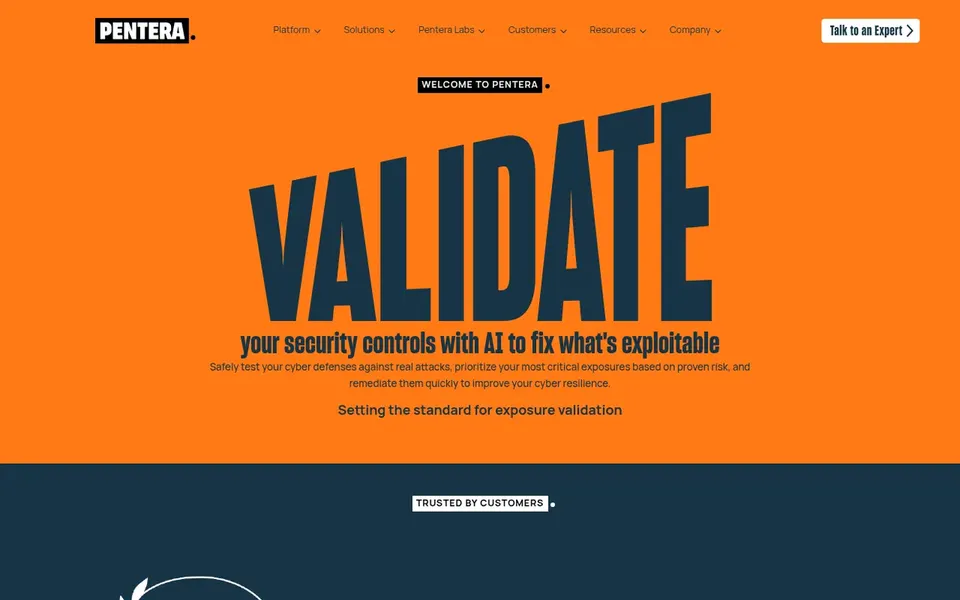
Pentera is designed for AI-driven adversarial testing in production. It is especially handy for teams centred on validating which vulnerabilities are actually exploitable.
Also, if your needs lean toward broader control validation or non-production testing, other tools may be more appropriate. Pentera does not show a starting price in this comparison, so check the vendor site for current pricing. Trial and free access: Not stated.
Watch-outs: Production testing may require careful scoping.
XM Cyber is built with attack path management in mind. XM Cyber supplies continuous exposure management. It concentrates on illuminating and disrupting attack paths leading to critical assets, in both cloud and on-premises environments.
Points against: Focus on attack paths may not include all validation.
It is especially handy for teams managing hybrid environments and seeking to prioritize remediation based on attack path analysis. In practice, if your primary need is wide control validation or automatic attack simulation, other systems might be more suitable. Pricing for XM Cyber is not stated here, so ask the vendor for current figures. Trial and free access: Not stated.
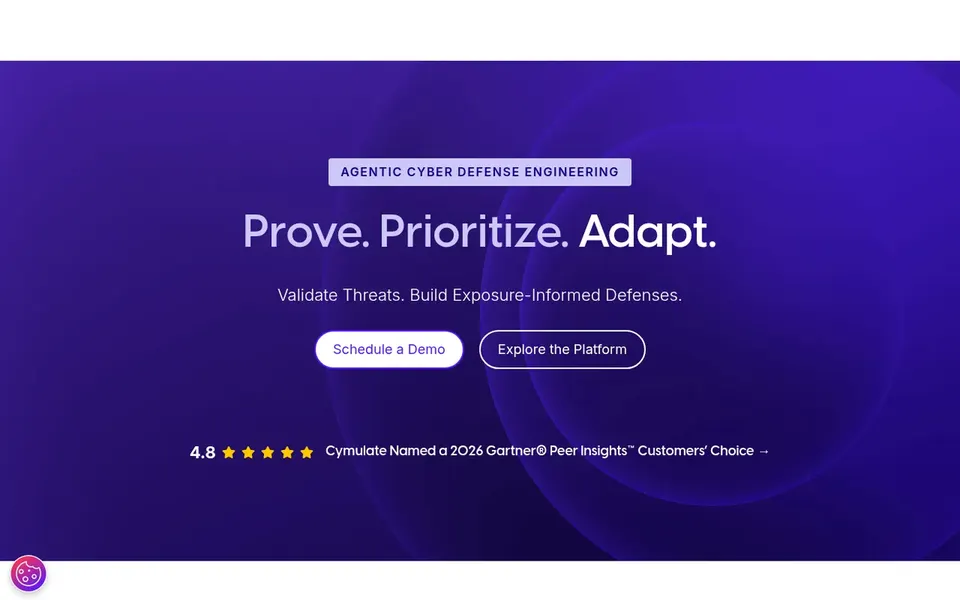
Cymulate makes the most sense for AI-powered exposure validation. Cymulate presents itself as an AI-powered exposure validation product with agentic cyber defense engineering. It is suited for teams looking to move beyond periodic assessments toward continuous validation.
Where it falls short: Restricted public detail on integrations.
Cymulate's agentic approach may demand mature processes to completely use automation. Worth adding: consider alternatives if your priority is broad manual testing or if you need deep on-premises customization. Pricing for Cymulate is not stated here, so ask the vendor for current figures. Trial and free access: Not stated.
Confirm the entry price with every vendor: no tool from SafeBreach to Cymulate shows a fixed starting price.
Read the limits listed for SafeBreach first: enterprise focus may be complicated for smaller teams.
Look at which plan of SafeBreach unlocks the features you need; entry tiers are often cut down.
Confirm minimum seats and billing terms with Cymulate before you commit to an annual plan.
Test the integrations you rely on with XM Cyber before committing; some connectors sit on upper tiers.
How we picked
Ainotely looked at what each vendor publishes: pricing, plan limits, feature coverage for RedTeam and stated drawbacks. No hands-on testing is claimed. Treat prices as a snapshot: vendors change plans often, so check the vendor site for the figure that applies today. Position on the page reflects fit for a typical buyer first, with price clarity and free access breaking ties. Treat it as a guide, not a ruling.
Every price and plan detail on this page comes from the vendors’ own websites. We did not run hands-on tests unless the text says so, and we do not publish star ratings or review scores. See how we score and our disclosure.
Keep your shortlist in one place
Paste prices, trial dates and notes from this guide into Ainotely, our AI note app. It files them into a topic and pulls out tasks like “cancel trial by Friday”. Free 7-day trial, no card needed.
A permanent free plan is not offered by SafeBreach, Cymulate or the other tools here. Plan a short evaluation period instead.
What is exposure validation and why does it matter?
Exposure validation is the process of continuously testing security controls to identify exploitable weaknesses. It matters since it helps organizations prioritize remediation based on real risk, reducing the likelihood of successful attacks.
Do these tools publish their prices?
No. None of the tools, from SafeBreach to Cymulate, shows a fixed starting price here, so budget time for quotes.
How are the tools for RedTeam ordered?
SafeBreach sits first and Cymulate last because the order follows typical fit for RedTeam, then price clarity and free access. It is a judgement call, so read each profile for fit and limits.
Is SafeBreach the right pick for everyone comparing RedTeam?
No single tool suits every team. SafeBreach comes first because it fits enterprise CTEM with adversarial validation, while AttackIQ suits agentic CTEM operations and Pentera suits AI-driven adversarial testing in production. Match the tool to your own size, budget and workflow before deciding.