SendGrid Alternatives in 2026: 8 Services Compared

- Mailgun is our first suggestion for most readers because it covers the core needs well and its pricing is easy to understand.
- Prices and free plans differ a lot, so check the official pricing page for Postmark and Resend before you commit.
- The best choice depends on your budget, your team size, and how much setup time you can spare.
- Every option below has a clear drawback, and we name it, so you can weigh it against the strengths.
Quick comparison
| Product | Ideal for | Price from | Free version | |
|---|---|---|---|---|
 Mailgun | Developers sending transactional email | See website | Free trial | Visit |
 Postmark | Teams that need fast, reliable transactional mail | See website | Free trial | Visit |
 Resend | Modern developers who want simple email APIs | See website | Yes | Visit |
 Amazon SES | AWS users who want low cost sending | See website | Free trial | Visit |
 Brevo | Small businesses that want email plus marketing | See website | Yes | Visit |
 Mailchimp Transactional | Mailchimp users who need transactional mail | See website | No | Visit |
 SparkPost | High volume senders that need analytics | See website | Free trial | Visit |
 SMTP2GO | Small teams that want simple SMTP sending | See website | Free trial | Visit |
The best SendGrid alternatives
We compared official feature pages, pricing, app store listings, privacy policies, and public reviews to build this list for sendgrid alternatives. The options below cover different budgets and needs, and none of them is right for everyone.
Mailgun
Ideal for: Developers sending transactional email
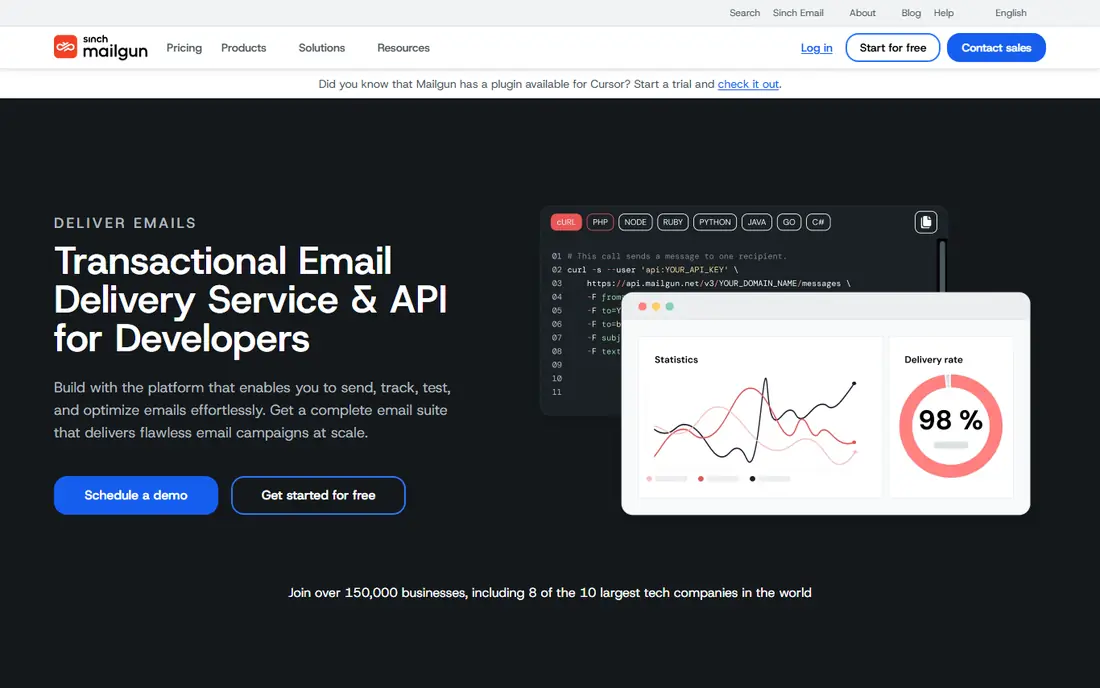
For readers who want a solid starting point, this option covers the basics well without forcing a long setup. Mailgun is a good fit for developers sending transactional email. Mailgun is a developer focused email service, with APIs and validation tools that suit product teams. Its official pages describe the core features in plain terms, and the pricing page makes it possible to compare plans before you sign up.
The honest catch is this: Its interface needs technical skill, and pricing grows with volume, so model real send counts. That does not make Mailgun a poor choice, but it does mean you should test it with your own workflow before you rely on it. Start with the free plan or trial where one is offered, and check how it handles your most common task.
- Strong APIs
- Email validation
- Deliverability tools
- Pricing grows with volume
- Interface needs skill
- Support varies by plan
Postmark
Ideal for: Teams that need fast, reliable transactional mail
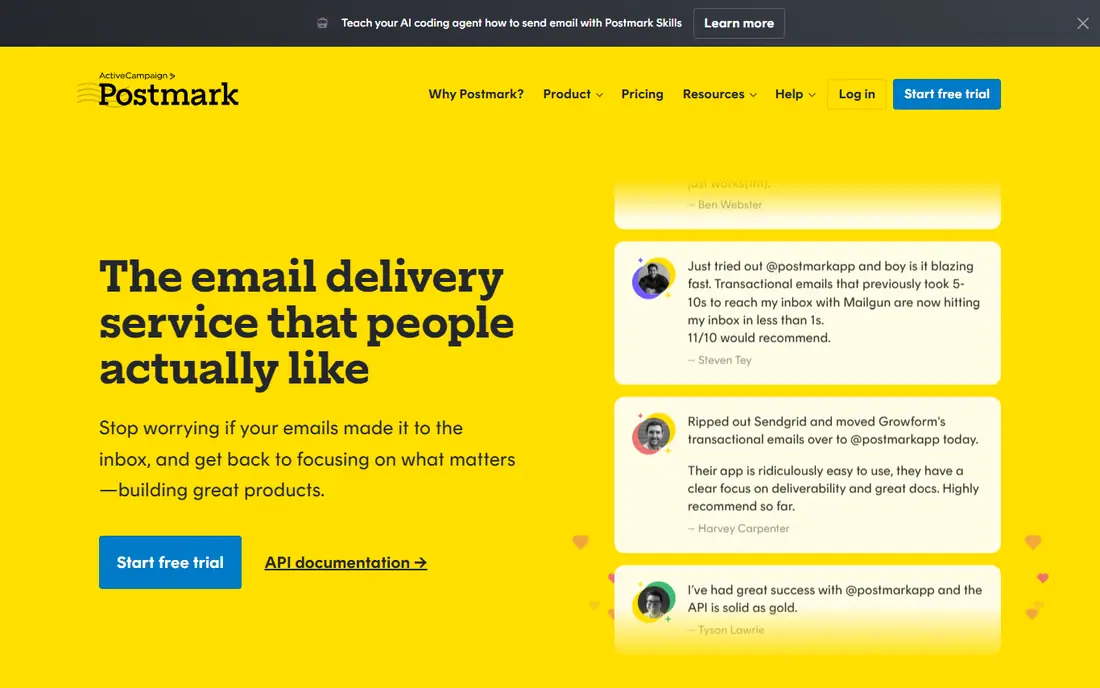
This one stands out for a particular kind of reader, and its strengths are easy to see once you compare the details. Postmark is a good fit for teams that need fast, reliable transactional mail. Postmark focuses on transactional mail, with separate streams for different message types. Its official pages describe the core features in plain terms, and the pricing page makes it possible to compare plans before you sign up.
The honest catch is this: Its marketing range is narrower than rivals, so teams that need both may need a second tool. That does not make Postmark a poor choice, but it does mean you should test it with your own workflow before you rely on it. Start with the free plan or trial where one is offered, and check how it handles your most common task.
- Fast delivery
- Clear message streams
- Strong deliverability focus
- Narrower marketing range
- Pricing per email
- Smaller template tools
Resend
Ideal for: Modern developers who want simple email APIs

If your main need is clear and specific, this option deserves a close look for that reason alone. Resend is a good fit for modern developers who want simple email apis. Resend offers a simple modern API that many developers find easy to set up. Its official pages describe the core features in plain terms, and the pricing page makes it possible to compare plans before you sign up.
The honest catch is this: It is newer than rivals, so enterprise features and long term support need checking. That does not make Resend a poor choice, but it does mean you should test it with your own workflow before you rely on it. Start with the free plan or trial where one is offered, and check how it handles your most common task.
- Simple modern API
- React email support
- Fast setup
- Newer service
- Fewer enterprise features
- Pricing grows with volume
Amazon SES
Ideal for: AWS users who want low cost sending
This option is worth considering when you want a balance between price, features, and ease of use. Amazon SES is a good fit for aws users who want low cost sending. Amazon SES offers very low cost sending at AWS scale, which appeals to cost conscious teams. Its official pages describe the core features in plain terms, and the pricing page makes it possible to compare plans before you sign up.
The honest catch is this: Setup needs AWS skill, and deliverability needs careful configuration. That does not make Amazon SES a poor choice, but it does mean you should test it with your own workflow before you rely on it. Start with the free plan or trial where one is offered, and check how it handles your most common task.
- Very low cost
- AWS scale
- Flexible sending
- Setup needs AWS skill
- Deliverability needs care
- Support is limited
Brevo
Ideal for: Small businesses that want email plus marketing
For readers who want a solid starting point, this option covers the basics well without forcing a long setup. Brevo is a good fit for small businesses that want email plus marketing. Brevo combines marketing and transactional email with CRM tools for small businesses. Its official pages describe the core features in plain terms, and the pricing page makes it possible to compare plans before you sign up.
The honest catch is this: Deliverability varies by setup, so test with real sends before a large campaign. That does not make Brevo a poor choice, but it does mean you should test it with your own workflow before you rely on it. Start with the free plan or trial where one is offered, and check how it handles your most common task.
- Marketing plus transactional
- Free tier
- CRM tools
- Deliverability varies
- Interface can be busy
- Advanced features need paid plans
Mailchimp Transactional
Ideal for: Mailchimp users who need transactional mail
This one stands out for a particular kind of reader, and its strengths are easy to see once you compare the details. Mailchimp Transactional is a good fit for mailchimp users who need transactional mail. Mailchimp Transactional, formerly Mandrill, suits Mailchimp users who want transactional mail in the same account. Its official pages describe the core features in plain terms, and the pricing page makes it possible to compare plans before you sign up.
The honest catch is this: Pricing is higher than specialist rivals, so high volume senders should compare totals. That does not make Mailchimp Transactional a poor choice, but it does mean you should test it with your own workflow before you rely on it. Start with the free plan or trial where one is offered, and check how it handles your most common task.
- Mailchimp integration
- Templates
- Analytics
- Pricing is higher than specialists
- Setup needs care
- Support varies
SparkPost
Ideal for: High volume senders that need analytics
If your main need is clear and specific, this option deserves a close look for that reason alone. SparkPost is a good fit for high volume senders that need analytics. SparkPost handles high volume sending with analytics that help teams track deliverability. Its official pages describe the core features in plain terms, and the pricing page makes it possible to compare plans before you sign up.
The honest catch is this: Its interface needs skill, and pricing varies, so get a quote at your real volume. That does not make SparkPost a poor choice, but it does mean you should test it with your own workflow before you rely on it. Start with the free plan or trial where one is offered, and check how it handles your most common task.
- High volume sending
- Analytics
- Deliverability tools
- Interface needs skill
- Pricing varies
- Support varies by plan
SMTP2GO
Ideal for: Small teams that want simple SMTP sending
This option is worth considering when you want a balance between price, features, and ease of use. SMTP2GO is a good fit for small teams that want simple smtp sending. SMTP2GO offers simple SMTP sending with reports, which suits small teams without developer resources. Its official pages describe the core features in plain terms, and the pricing page makes it possible to compare plans before you sign up.
The honest catch is this: Its API range is smaller than developer focused rivals, so check integration needs first. That does not make SMTP2GO a poor choice, but it does mean you should test it with your own workflow before you rely on it. Start with the free plan or trial where one is offered, and check how it handles your most common task.
- Simple SMTP setup
- Reports
- Low cost plans
- Fewer advanced APIs
- Smaller ecosystem
- Template tools are basic
How we picked these
We compared official feature pages, pricing pages, app store listings, privacy policies, and public reviews for each option. We looked for products that exist and work in October 2026, that truly fit the topic, and that publish enough detail for a reader to judge them fairly. We did not claim hands-on testing that did not happen, and we did not invent prices, awards, user counts, or ratings.
We also weighed ease of use, support, and the limits of each free plan or trial. A product that hides its pricing or its main limits scored lower in our notes, even when its headline features looked strong. Where a price could not be verified from the vendor, we wrote See website rather than guessing.
How to choose a transactional email service
Start with the job you need done most often, not with the longest feature list. For sendgrid alternatives, a short list of must have features will narrow this field fast. Write down two tasks you will do every week, then check each shortlisted option against those tasks only.
Check price and the free plan
Compare the starting price with what is included, not just the headline number. Some plans charge per user, some charge per use, and some limit the features that matter most. A free plan is useful only if it covers your core task, so read its limits before you build a routine around it.
Check support, privacy, and exit options
Read the privacy policy and the support pages before you enter personal or business data. Check how you can export your data, cancel, or move to another service. Clear terms and a simple export path are a good sign, and vague terms are a reason to pause.
Try before you commit
Use a trial or free plan with a real task from your own work, not just a demo. Note how long setup takes, whether help is easy to reach, and whether the result meets your standard. If the trial feels awkward for your main task, a cheaper price will not fix that problem over time.
Frequently asked questions
What is the best alternative to SendGrid?
For most readers, Mailgun is a sensible place to start, because its core features are clear and its pricing is easy to compare. Check the free plan or trial first, test it with your own main task, and compare its limits with the other options in this guide before you pay. That short test will tell you more than any feature list alone.
Which email service is best for developers?
For most readers, Resend is a sensible place to start, because its core features are clear and its pricing is easy to compare. Check the free plan or trial first, test it with your own main task, and compare its limits with the other options in this guide before you pay. That short test will tell you more than any feature list alone.
What is the cheapest SendGrid alternative?
For most readers, Amazon SES is a sensible place to start, because its core features are clear and its pricing is easy to compare. Check the free plan or trial first, test it with your own main task, and compare its limits with the other options in this guide before you pay. That short test will tell you more than any feature list alone.
Which service has the best deliverability?
For most readers, Postmark is a sensible place to start, because its core features are clear and its pricing is easy to compare. Check the free plan or trial first, test it with your own main task, and compare its limits with the other options in this guide before you pay. That short test will tell you more than any feature list alone.
Can Brevo replace SendGrid?
For most readers, Brevo is a sensible place to start, because its core features are clear and its pricing is easy to compare. Check the free plan or trial first, test it with your own main task, and compare its limits with the other options in this guide before you pay. That short test will tell you more than any feature list alone.