Best Shippo Alternatives in 2026: 8 Options Compared

- 1
 ShipStationHigh-volume sellers across many channelsVisit
- 2
 Pirate ShipSmall sellers who want free shipping softwareVisit
- 3
 EasyshipInternational shipping for growing storesVisit
- 4
 ShipEngineDevelopers and platforms that need shipping APIsVisit
- 5
 OrdoroInventory plus shipping for small businessesVisit
- Our pick for most people is ShipStation, because it balances price, features and ease of use for the widest group of readers.
- Free plans are real here, but the limits matter: check what Pirate Ship and Easyship actually include before you commit.
- Prices in this guide come from vendor pricing pages and current comparisons checked in October 2026, and they can change, so confirm the plan on the vendor site before you buy.
- The best choice depends on your budget, your experience level and how much support you want, not on which brand is most famous.
Quick comparison
| Product | Ideal for | Price from | Free version | |
|---|---|---|---|---|
| ShipStation | High-volume sellers across many channels | See website | Free trial | Visit |
| Pirate Ship | Small sellers who want free shipping software | Free | Yes | Visit |
| Easyship | International shipping for growing stores | See website | Yes | Visit |
| ShipEngine | Developers and platforms that need shipping APIs | See website | Free trial | Visit |
| Ordoro | Inventory plus shipping for small businesses | See website | Free trial | Visit |
 ShippingEasy | Small sellers on marketplaces and carts | See website | Yes | Visit |
 Sendcloud | European sellers and cross-border shipping | See website | Free trial | Visit |
 Veeqo | Multichannel sellers who need inventory control | See website | Free trial | Visit |
The best Shippo Alternatives in 2026
We compared official feature pages, pricing pages, app store listings, privacy policies and public reviews to build this list for shippo alternatives. Every option below exists and works today, and each one earns its place for a different kind of reader.
ShipStation
Ideal for: High-volume sellers across many channels
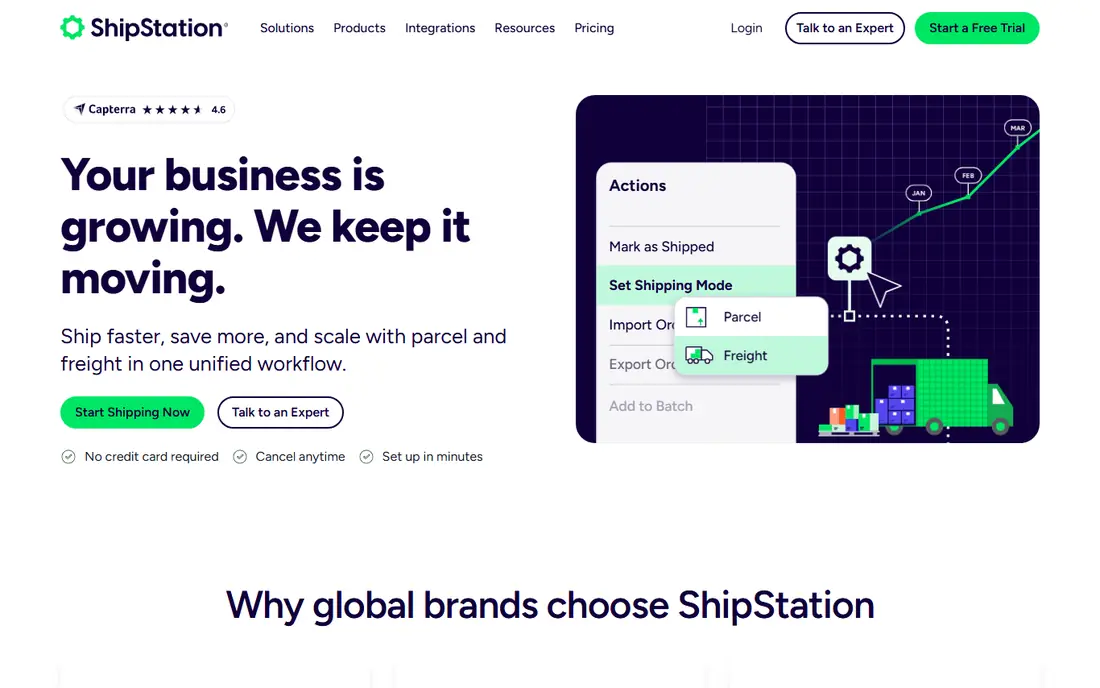
Here is the short version. ShipStation is the workhorse for sellers who ship every day across several stores, because it pulls orders together and automates labels, tracking and customer messages. It fits readers who want high-volume sellers across many channels, and its published feature set matches that promise rather than trying to cover every possible use case at once. The price picture is see website, with a free plan status of free trial. The monthly cost grows with volume, so a very small seller may pay for capacity it does not use yet. Before you sign up, check the current plan limits on the official site, because caps on users, usage or features are where most buyers get surprised after the first month.
- Strong multi-channel order sync
- Discounted carrier rates
- Automation rules
- Price rises with shipment volume
- Setup takes time for new sellers
Pirate Ship
Ideal for: Small sellers who want free shipping software
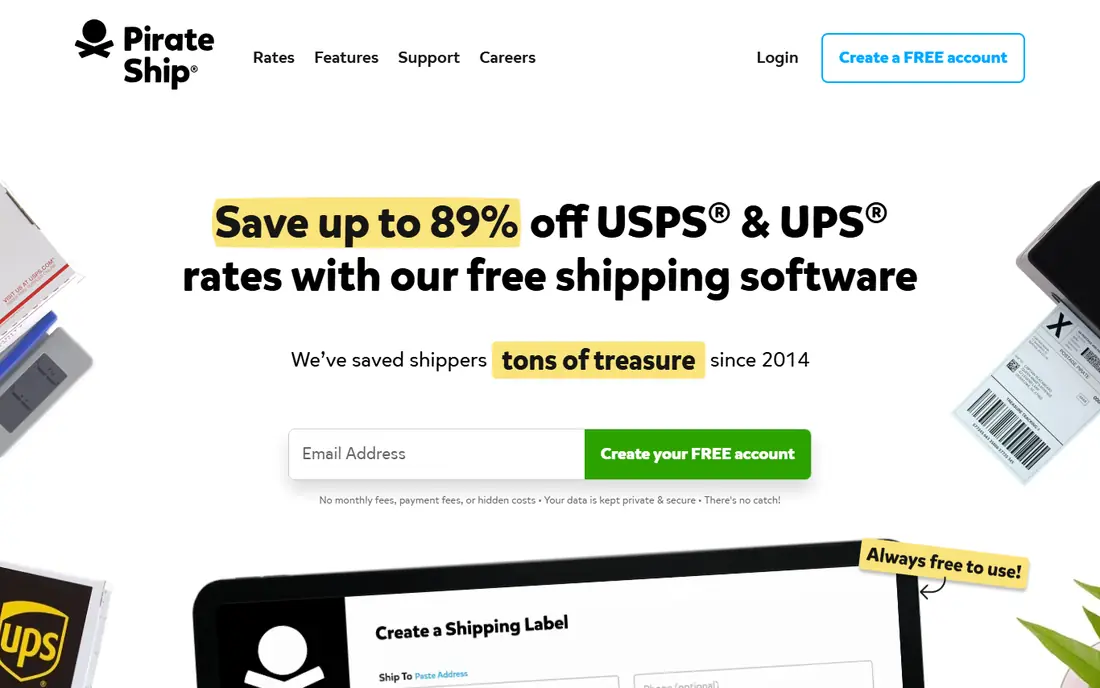
Start here if you want the safe default. Pirate Ship suits small sellers and individuals who want discounted rates without a monthly subscription, and its simple interface keeps label buying fast. It fits readers who want small sellers who want free shipping software, and its published feature set matches that promise rather than trying to cover every possible use case at once. The price picture is free, with a free plan status of yes. It is not built for large warehouses or complex automation, so high-volume sellers will outgrow it. Before you sign up, check the current plan limits on the official site, because caps on users, usage or features are where most buyers get surprised after the first month.
- Free to use
- Discounted USPS and UPS rates
- No monthly fee
- No paid support tier for complex needs
- Fewer enterprise integrations
Easyship
Ideal for: International shipping for growing stores
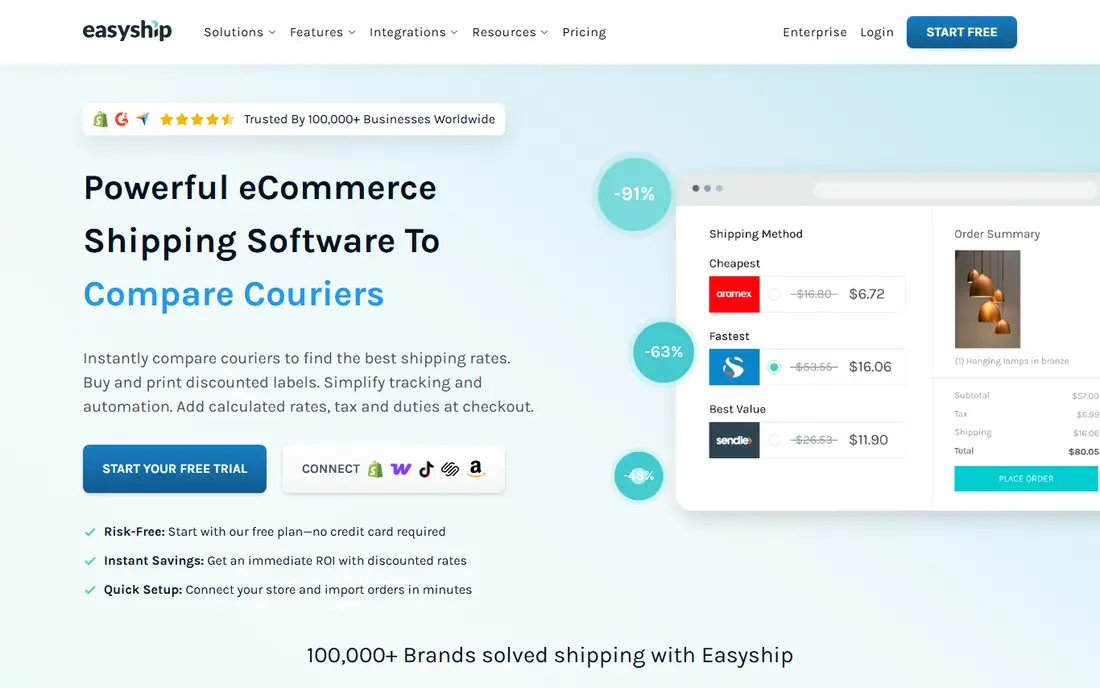
This one suits a specific kind of reader. Easyship helps stores sell abroad without guessing at duties, taxes and courier choice, and its checkout tools show buyers the landed cost up front. It fits readers who want international shipping for growing stores, and its published feature set matches that promise rather than trying to cover every possible use case at once. The price picture is see website, with a free plan status of yes. International rates still vary by route and carrier, so test your top destinations before you rely on any single quote. Before you sign up, check the current plan limits on the official site, because caps on users, usage or features are where most buyers get surprised after the first month.
- Duties and taxes shown at checkout
- Wide courier choice
- Global tracking
- Some advanced features need paid plans
- Rate accuracy varies by route
ShipEngine
Ideal for: Developers and platforms that need shipping APIs
Consider this if the top picks do not fit. ShipEngine is the choice when shipping is a feature inside your own product, because its APIs connect carriers, labels and tracking in one place. It fits readers who want developers and platforms that need shipping apis, and its published feature set matches that promise rather than trying to cover every possible use case at once. The price picture is see website, with a free plan status of free trial. Non-technical sellers will find it harder to use than a ready-made dashboard, so pick it only if you have developer help. Before you sign up, check the current plan limits on the official site, because caps on users, usage or features are where most buyers get surprised after the first month.
- Strong shipping APIs
- Many carrier integrations
- Label and tracking tools
- Developer-focused
- Less friendly for non-technical sellers
Ordoro
Ideal for: Inventory plus shipping for small businesses
A strong option for a narrower need. Ordoro suits sellers who want stock levels and shipping handled together, so a sale updates inventory and creates a label in the same flow. It fits readers who want inventory plus shipping for small businesses, and its published feature set matches that promise rather than trying to cover every possible use case at once. The price picture is see website, with a free plan status of free trial. The combined scope means the interface is busier than a shipping-only tool, and new users should take the trial seriously. Before you sign up, check the current plan limits on the official site, because caps on users, usage or features are where most buyers get surprised after the first month.
- Inventory and shipping in one tool
- Dropshipping support
- Order management
- Interface feels dated in places
- Pricing tiers can confuse new users
ShippingEasy
Ideal for: Small sellers on marketplaces and carts
Worth a close look before you decide. ShippingEasy gives marketplace sellers a low-friction start, with a free tier that covers early orders and discounted rates from major carriers. It fits readers who want small sellers on marketplaces and carts, and its published feature set matches that promise rather than trying to cover every possible use case at once. The price picture is see website, with a free plan status of yes. As volume grows, the paid tiers arrive quickly, so compare the cost at your expected monthly shipment count, not at the free tier. Before you sign up, check the current plan limits on the official site, because caps on users, usage or features are where most buyers get surprised after the first month.
- Free starter tier
- Marketplace and cart integrations
- Discounted rates
- Growth plans add cost as volume rises
- Reporting is basic on lower tiers
Sendcloud
Ideal for: European sellers and cross-border shipping
This belongs on the shortlist for a reason. Sendcloud is a strong pick for sellers based in Europe, with local carriers, branded tracking and a returns flow that fits cross-border trade. It fits readers who want european sellers and cross-border shipping, and its published feature set matches that promise rather than trying to cover every possible use case at once. The price picture is see website, with a free plan status of free trial. Sellers focused on the United States will find fewer native carrier options, so check your main shipping routes first. Before you sign up, check the current plan limits on the official site, because caps on users, usage or features are where most buyers get surprised after the first month.
- Strong European carrier network
- Branded tracking pages
- Returns portal
- US coverage is thinner than European coverage
- Some features need higher plans
Veeqo
Ideal for: Multichannel sellers who need inventory control
Do not overlook this one. Veeqo ties inventory, orders and shipping together for sellers on several channels, which reduces overselling and manual stock updates. It fits readers who want multichannel sellers who need inventory control, and its published feature set matches that promise rather than trying to cover every possible use case at once. The price picture is see website, with a free plan status of free trial. Its Amazon ownership makes some independent sellers cautious, so weigh that against the convenience if you sell outside Amazon too. Before you sign up, check the current plan limits on the official site, because caps on users, usage or features are where most buyers get surprised after the first month.
- Multichannel inventory sync
- Shipping and order management
- Warehouse tools
- Owned by Amazon, which worries some sellers
- Advanced features need paid plans
How we picked these
We started from official feature pages and pricing pages, then checked app store listings, privacy policies and public reviews to confirm each product still works and still fits the topic. Products that could not be verified, or that only partly matched the topic, were left out, even when they were well known. We favoured a mix of established leaders and strong smaller options, and we weighted price transparency, a usable free tier or trial, and honest limits more heavily than marketing claims. No product on this list paid for its place, and our pick for most people is the one we would suggest to a friend with ordinary needs and an ordinary budget.
How to pick a shipping tool that fits your volume
Start with your monthly shipment count and your main carriers, because those two facts decide most of the price. A free tool with discounted rates beats a paid dashboard until you ship enough that automation saves real hours. Next, check integrations with your store, marketplace or cart, since a tool that cannot pull orders cleanly will cost you manual work every day. Then look at international needs: duties, taxes and tracking matter far more than a slightly lower domestic label price if you sell abroad. Also test label printing, returns and tracking pages on a real order before you switch. A tool that prints well but sends confusing tracking emails will still create support tickets. Keep your carrier accounts where you can, so you are not locked into one platform if prices change.
Frequently asked questions
What is the best Shippo alternative?
ShipStation suits high-volume multichannel sellers, Pirate Ship suits small sellers who want no monthly fee, and Easyship suits international sellers. The right pick depends on volume, carriers and countries you ship to.
Is there a free Shippo alternative?
Yes, Pirate Ship is free to use with discounted rates, and Easyship and ShippingEasy offer free starter tiers. Free tiers usually cap features or volume, so check the limits at your shipment count.
Do these tools give discounted shipping rates?
Most do, through negotiated carrier rates or their own rate programs, but the saving varies by carrier, weight and destination. Compare the rate for your most common parcel size rather than trusting a headline discount.
Can I keep my own carrier accounts?
Many tools let you connect your own carrier accounts alongside their discounted rates, which is useful if you have negotiated rates already. Check this before you switch, because moving accounts mid-season is disruptive.
What about international shipping?
Easyship and Sendcloud handle duties, taxes and cross-border tracking better than most domestic-focused tools. Show landed costs at checkout where possible, since surprise fees at delivery create returns and complaints.