Best Signal Alternatives in 2026: 8 Apps Compared

- Our pick for most people is WhatsApp, because it covers encrypted messaging for everyone with the fewest trade-offs in this group.
- If you want to start without paying, WhatsApp is the strongest free option here, though its paid tier adds the deeper features and higher limits.
- Telegram is the best second look when WhatsApp does not fit, since it serves feature-rich messaging rather than the same audience.
- Prices and plan limits change often, so confirm the current terms on each vendor site and read the fine print on limits, renewals and cancellation before you buy.
Quick comparison
| Product | Ideal for | Price from | Free version | |
|---|---|---|---|---|
 WhatsApp | Encrypted messaging for everyone | Free | Yes | Visit |
 Telegram | Feature-rich messaging | Free | Yes | Visit |
 Threema | Privacy-first paid messenger | See website | Free trial | Visit |
 Session | Anonymous decentralised messaging | Free | Yes | Visit |
 Element | Decentralised Matrix messaging | Free | Yes | Visit |
 Wire | Secure team and personal messaging | Free | Yes | Visit |
 Viber | Mainstream encrypted messaging | Free | Yes | Visit |
 Olvid | Metadata-free messaging | Free | Yes | Visit |
The best signal alternatives
We compared official feature pages, pricing pages, app store listings, privacy policies and public reviews to build this list for signal alternatives. Every option below exists and works today, and each one earns its place for a different kind of reader, so the right pick depends on your budget, your experience and how much support you want.
Ideal for: Encrypted messaging for everyone
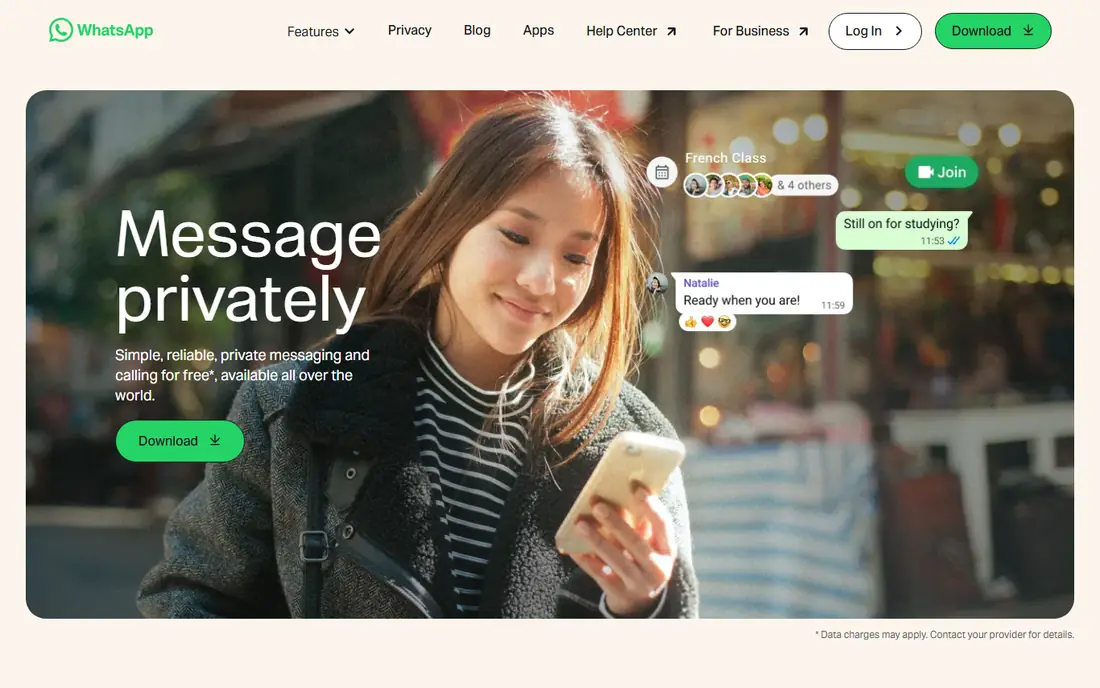
WhatsApp is the practical Signal alternative because almost everyone already has it, and its chats use the Signal protocol for end-to-end encryption. Groups, calls and media all work smoothly. The price picture is free, with a free plan status of yes. Privacy purists note its metadata handling and Meta ownership, and it needs a phone number. For reaching real contacts with encrypted chats, WhatsApp is the pragmatic pick. Before you sign up, check the current plan limits on the official site, because caps on users, usage or features are where most buyers get surprised after the first month.
- Largest network
- Signal protocol encryption
- Calls and groups
- Metadata concerns
- Meta ownership
- Needs a phone number
Telegram
Ideal for: Feature-rich messaging
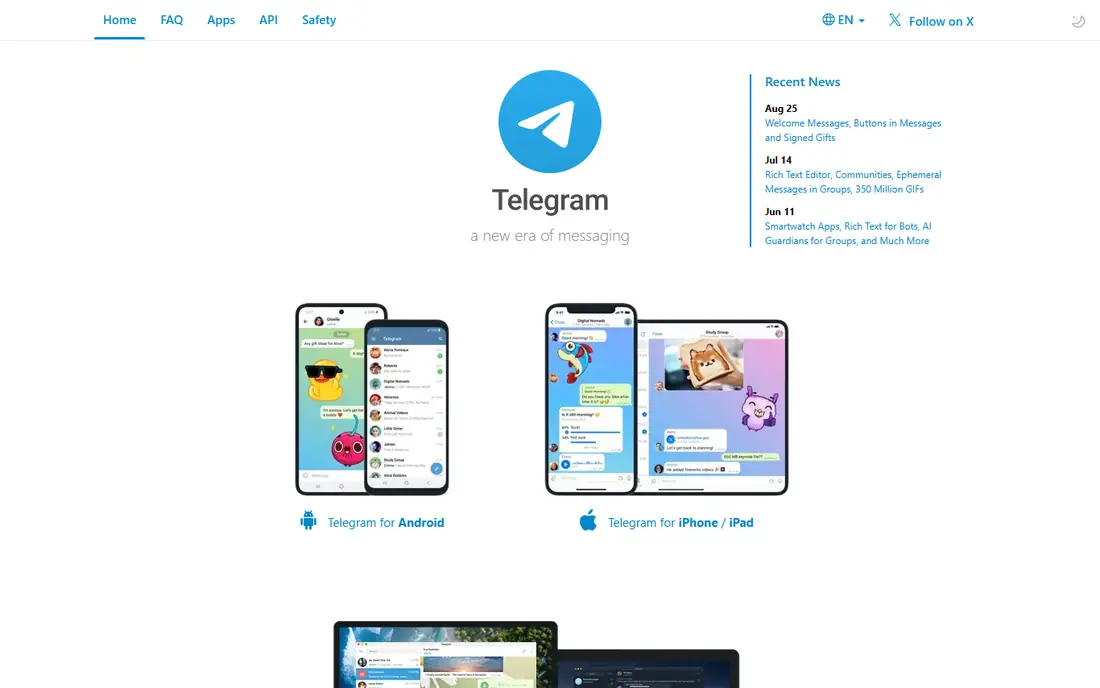
Telegram offers huge groups, channels and fast media sharing that Signal cannot match, plus secret chats with end-to-end encryption for sensitive talks. Its feature set is the broadest here. The price picture is free, with a free plan status of yes. Cloud chats are not end-to-end encrypted by default, so privacy users must use secret chats deliberately. For features and reach, Telegram is strong; for default privacy, it is not Signal. Read the pricing page in full before you commit, since renewal terms and add-on fees can change what looks like a simple monthly price.
- Huge groups and channels
- Fast media
- Secret chats available
- Cloud chats are not end-to-end encrypted by default
Threema
Ideal for: Privacy-first paid messenger
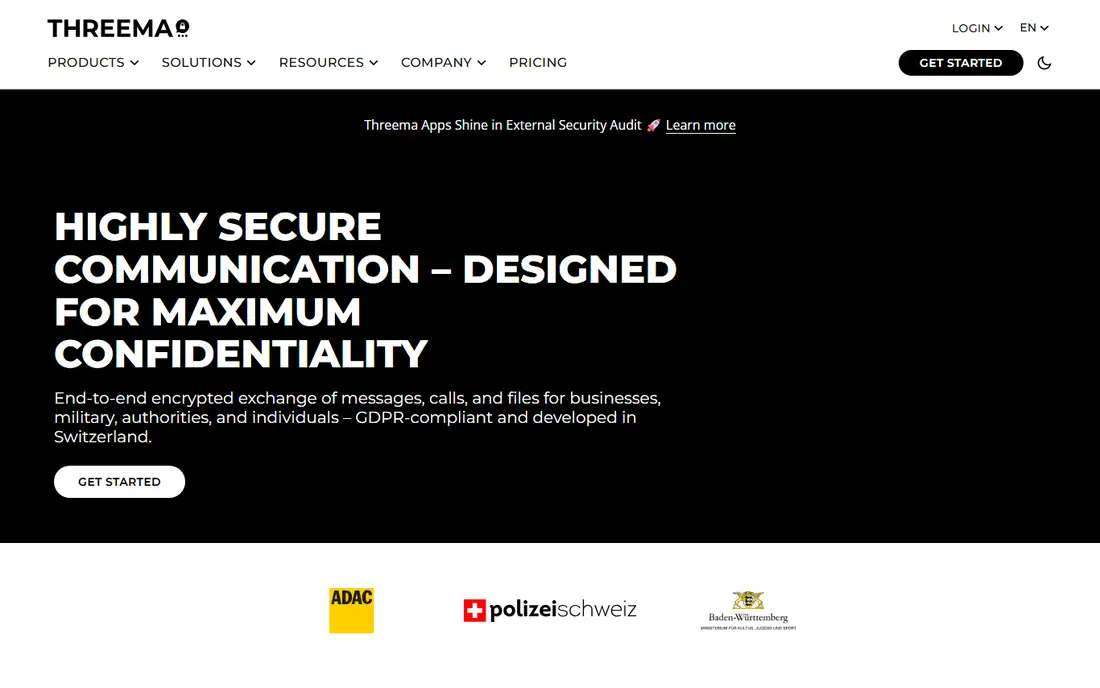
Threema is the privacy-first alternative many experts recommend, needing no phone number and collecting minimal metadata, with open-source apps. Its one-time purchase model avoids advertising incentives. The price picture is see website, with a free plan status of free trial. The network is far smaller than WhatsApp, so you must persuade contacts to join. For privacy-led chats, Threema is a top pick. Confirm the current terms on the vendor site before you pay, because plan limits and trial lengths are updated more often than review articles are.
- No phone number needed
- Minimal metadata
- Open-source apps
- Paid app
- Smaller network than WhatsApp
Session
Ideal for: Anonymous decentralised messaging
Session goes further on anonymity, needing no phone number or email and routing messages through a decentralised network to limit metadata. Its open-source code invites review. The price picture is free, with a free plan status of yes. The network is small and some features trail mainstream apps. For anonymity-first messaging, Session is a distinctive choice. Before you sign up, check the current plan limits on the official site, because caps on users, usage or features are where most buyers get surprised after the first month.
- No phone number or email
- Decentralised routing
- Open source
- Smaller network
- Some features trail mainstream apps
Element
Ideal for: Decentralised Matrix messaging
Element, built on the Matrix protocol, offers decentralised messaging without a phone number, plus bridges to other networks. Organisations and privacy communities use it for self-hosted chat. The price picture is free, with a free plan status of yes. The experience can feel technical for casual users. For decentralised, self-hostable messaging, Element is a strong pick. Read the pricing page in full before you commit, since renewal terms and add-on fees can change what looks like a simple monthly price.
- Matrix decentralisation
- No phone number needed
- Bridges to other networks
- Experience can feel technical
- Network is smaller
Wire
Ideal for: Secure team and personal messaging
Wire offers end-to-end encrypted messaging for individuals and teams, with European hosting that appeals to privacy-conscious organisations. Its team features suit workplaces. The price picture is free, with a free plan status of yes. The network is smaller than mainstream apps, and team features have tier limits. For secure team messaging, Wire is a credible alternative. Confirm the current terms on the vendor site before you pay, because plan limits and trial lengths are updated more often than review articles are.
- End-to-end encryption
- Good for teams
- European hosting
- Network is smaller
- Free tier limits some team features
Viber
Ideal for: Mainstream encrypted messaging
Viber is a mainstream messenger with end-to-end encryption, a large international network and strong calling features. It is particularly popular in parts of Europe and Asia. The price picture is free, with a free plan status of yes. Privacy depth trails Threema and Session, and popularity varies by region. For an international mainstream alternative, Viber is a solid pick. Before you sign up, check the current plan limits on the official site, because caps on users, usage or features are where most buyers get surprised after the first month.
- End-to-end encryption
- Large international network
- Calls and stickers
- Popularity varies by region
- Privacy depth trails Threema
Olvid
Ideal for: Metadata-free messaging
Olvid is designed to avoid metadata entirely, with no phone number requirement and no central directory of users. Its privacy design is among the strongest in this group. The price picture is free, with a free plan status of yes. The network is the smallest here, so adoption is the hurdle. For maximum privacy design, Olvid deserves attention. Read the pricing page in full before you commit, since renewal terms and add-on fees can change what looks like a simple monthly price.
- No phone number or central directory
- Strong privacy design
- Smallest network here
- Adoption is the main hurdle
How we picked these
We started from official feature pages and pricing pages, then checked app store listings, privacy policies and public reviews to confirm each product still works and still fits the topic. Products that could not be verified, or that only partly matched the topic, were left out, even when they were well known. We favoured a mix of established leaders and strong smaller options, and we weighted price transparency, a usable free tier or trial, and honest limits more heavily than marketing claims. No product on this list paid for its place, and our pick for most people is the one we would suggest to a friend with ordinary needs and an ordinary budget.
How to pick a private messenger
Signal is prized for its privacy: end-to-end encryption by default, minimal data collection and an open-source protocol. Its alternatives should be judged on the same privacy measures, not just on popularity, because a messenger with billions of users but weaker defaults is not a like-for-like replacement. Check encryption defaults, metadata handling, account requirements and whether the code is open for review. Also check practical matters: who among your contacts uses the app, whether it works on your devices, and whether it supports groups, calls and disappearing messages the way you need. The most private app nobody you know uses will not replace Signal for daily chats, so a realistic shortlist balances privacy with adoption. A messenger that fits your daily habits will actually get used. For high-sensitivity conversations, favour apps that need no phone number or that minimise metadata, and keep disappearing messages on. No app makes a compromised device safe, so device security and sensible sharing habits matter as much as the messenger choice. Revisit the shortlist after a trial, because real usage reveals fit better than any feature comparison. Keep notes on what each trial taught you, and let those notes, not marketing claims, decide the final pick for your team and budget. If two finalists look close, choose the one your team can run confidently day to day, since a tool that is maintained well and understood by its owners beats a slightly stronger tool that is neglected after launch.
Frequently asked questions
What are the best Signal alternatives?
WhatsApp, Telegram, Threema, Session, Element, Wire, Viber and Olvid lead as Signal alternatives. Threema, Session and Olvid suit privacy-first users, while WhatsApp and Telegram suit users prioritising contacts.
Which messenger is most private after Signal?
Threema, Session and Olvid are the most privacy-focused alternatives, with minimal metadata, no phone number requirement on some, and strong encryption. They have smaller networks than WhatsApp or Telegram, so adoption is the trade-off.
Is WhatsApp a good Signal alternative?
WhatsApp uses the Signal protocol for end-to-end encryption and has the largest network, but its metadata handling and Meta ownership concern privacy purists. For reaching most contacts with encrypted chats, it is practical.
Is Telegram as private as Signal?
No, Telegram cloud chats are not end-to-end encrypted by default, though secret chats are. Privacy-focused users should prefer Signal, Threema, Session or Olvid for sensitive conversations.
Do Signal alternatives need a phone number?
Some do and some do not: WhatsApp and Signal need a phone number, while Session and Element can work without one, and Threema uses an ID rather than a phone number. Check account requirements before choosing.