Best Sophos Alternatives in 2026: 7 Tools Compared

- 1
 BitdefenderBusiness endpoint protection with depthVisit
- 2
 CrowdStrikeEnterprise endpoint detection and responseVisit
- 3
 SentinelOneAI-driven endpoint protectionVisit
- 4
 MalwarebytesSmall teams that want simple protectionVisit
- 5
 ESETLightweight endpoint protectionVisit
- Our pick for most people is Bitdefender, because it balances price, features and ease of use for the widest group of readers.
- Free plans and trials are real here, but the limits matter: check what CrowdStrike and SentinelOne actually include before you commit.
- Prices in this guide come from vendor pricing pages and current comparisons checked in October 2026, and they can change, so confirm the plan on the vendor site before you buy.
- The best choice depends on your budget, your experience level and how much support you want, not on which brand is most famous.
Quick comparison
| Product | Ideal for | Price from | Free version | |
|---|---|---|---|---|
| Bitdefender | Business endpoint protection with depth | See website | Free trial | Visit |
| CrowdStrike | Enterprise endpoint detection and response | See website | Free trial | Visit |
| SentinelOne | AI-driven endpoint protection | See website | Free trial | Visit |
| Malwarebytes | Small teams that want simple protection | See website | Free trial | Visit |
| ESET | Lightweight endpoint protection | See website | Free trial | Visit |
 Trend Micro | Layered business security | See website | Free trial | Visit |
 Microsoft Defender for Business | Firms already on Microsoft 365 | See website | Free trial | Visit |
The best Sophos Alternatives in 2026
We compared official feature pages, pricing pages, app store listings, privacy policies and public reviews to build this list for sophos alternatives. Every option below exists and works today, and each one earns its place for a different kind of reader.
Bitdefender
Ideal for: Business endpoint protection with depth
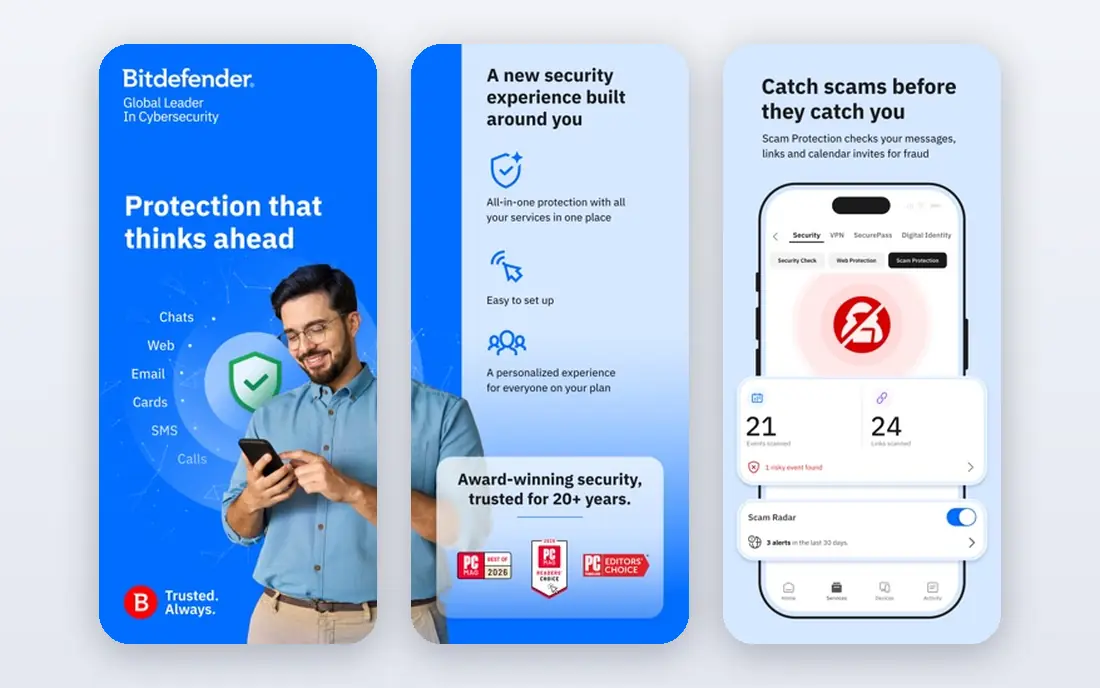
Here is the short version. Bitdefender is the all-round endpoint pick, with protection and management tools that suit small and mid-size firms. It fits readers who want business endpoint protection with depth, and its published feature set matches that promise rather than trying to cover every possible use case at once. When we weighed it against the rest of this list, the balance of price, scope and support stood out for that group. The price picture is see website, with a free plan status of free trial. The dense console takes a little learning, so trial it with the team who will manage alerts daily. Before you sign up, check the current plan limits on the official site, because caps on users, usage or features are where most buyers get surprised after the first month. Our honest view is that Bitdefender is worth a trial if its best fit matches your situation, and worth skipping if it does not. Compare it directly with one other option from this list on the same task, and pick the one that feels simpler to use on the second day, not just the first.
- Strong malware protection
- Central management
- Layered security features
- Interface can feel dense
- Pricing varies by tier
CrowdStrike
Ideal for: Enterprise endpoint detection and response
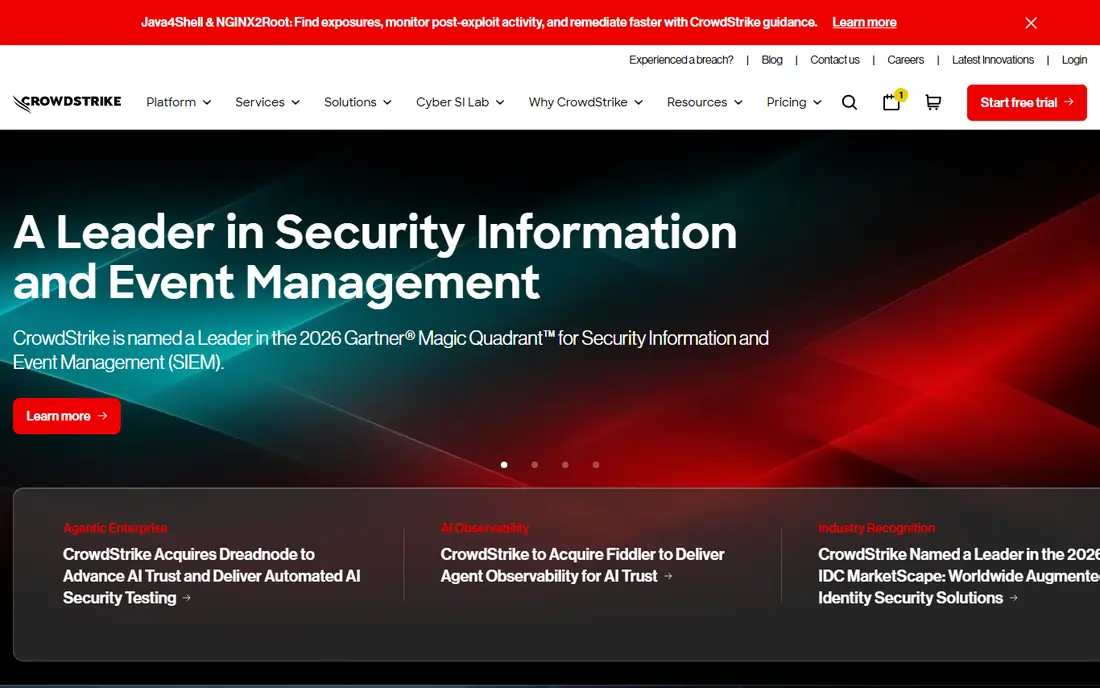
Start here if you want the safe default. CrowdStrike suits firms that need serious detection and response, with threat intelligence built into the platform. It fits readers who want enterprise endpoint detection and response, and its published feature set matches that promise rather than trying to cover every possible use case at once. When we weighed it against the rest of this list, the balance of price, scope and support stood out for that group. The price picture is see website, with a free plan status of free trial. Smaller firms may find the price and depth more than they need, so check the entry tier carefully. Before you sign up, check the current plan limits on the official site, because caps on users, usage or features are where most buyers get surprised after the first month. Our honest view is that CrowdStrike is worth a trial if its best fit matches your situation, and worth skipping if it does not. Compare it directly with one other option from this list on the same task, and pick the one that feels simpler to use on the second day, not just the first.
- Cloud-native EDR
- Threat intelligence
- Fast incident response
- Enterprise pricing
- Aimed at larger security teams
SentinelOne
Ideal for: AI-driven endpoint protection

This one suits a specific kind of reader. SentinelOne appeals to teams that want automated response, including rollback after an attack. It fits readers who want ai-driven endpoint protection, and its published feature set matches that promise rather than trying to cover every possible use case at once. When we weighed it against the rest of this list, the balance of price, scope and support stood out for that group. The price picture is see website, with a free plan status of free trial. Quote-based pricing makes comparison harder, so ask for a full quote at your endpoint count. Before you sign up, check the current plan limits on the official site, because caps on users, usage or features are where most buyers get surprised after the first month. Our honest view is that SentinelOne is worth a trial if its best fit matches your situation, and worth skipping if it does not. Compare it directly with one other option from this list on the same task, and pick the one that feels simpler to use on the second day, not just the first.
- Autonomous endpoint protection
- Rollback features
- Cloud console
- Pricing is quote-based
- Smaller firms may find it costly
Malwarebytes
Ideal for: Small teams that want simple protection
Consider this if the top picks do not fit. Malwarebytes is the simple pick for small teams, with setup that takes minutes rather than days. It fits readers who want small teams that want simple protection, and its published feature set matches that promise rather than trying to cover every possible use case at once. When we weighed it against the rest of this list, the balance of price, scope and support stood out for that group. The price picture is see website, with a free plan status of free trial. Larger firms with complex needs will want deeper EDR features, so judge it on your size. Before you sign up, check the current plan limits on the official site, because caps on users, usage or features are where most buyers get surprised after the first month. Our honest view is that Malwarebytes is worth a trial if its best fit matches your situation, and worth skipping if it does not. Compare it directly with one other option from this list on the same task, and pick the one that feels simpler to use on the second day, not just the first.
- Simple setup
- Good malware removal
- Team management tools
- Less enterprise depth than CrowdStrike or SentinelOne
- Advanced features need higher tiers
ESET
Ideal for: Lightweight endpoint protection
A strong option for a narrower need. ESET suits users who notice slowdowns, because its protection is famously light on system resources. It fits readers who want lightweight endpoint protection, and its published feature set matches that promise rather than trying to cover every possible use case at once. When we weighed it against the rest of this list, the balance of price, scope and support stood out for that group. The price picture is see website, with a free plan status of free trial. The console feels less modern than some rivals, but the protection and the light footprint matter more day to day. Before you sign up, check the current plan limits on the official site, because caps on users, usage or features are where most buyers get surprised after the first month. Our honest view is that ESET is worth a trial if its best fit matches your situation, and worth skipping if it does not. Compare it directly with one other option from this list on the same task, and pick the one that feels simpler to use on the second day, not just the first.
- Light system impact
- Business management console
- Long track record
- Interface is less modern than rivals
- Advanced EDR needs higher tiers
Trend Micro
Ideal for: Layered business security
Worth a close look before you decide. Trend Micro covers endpoint, email and cloud security together, which suits firms that want one vendor. It fits readers who want layered business security, and its published feature set matches that promise rather than trying to cover every possible use case at once. When we weighed it against the rest of this list, the balance of price, scope and support stood out for that group. The price picture is see website, with a free plan status of free trial. The tier structure needs careful reading, so map the features you need before you compare prices. Before you sign up, check the current plan limits on the official site, because caps on users, usage or features are where most buyers get surprised after the first month. Our honest view is that Trend Micro is worth a trial if its best fit matches your situation, and worth skipping if it does not. Compare it directly with one other option from this list on the same task, and pick the one that feels simpler to use on the second day, not just the first.
- Endpoint, email and cloud security in one platform
- Central management
- Pricing and tiers can confuse
- Some features overlap
Microsoft Defender for Business
Ideal for: Firms already on Microsoft 365
This belongs on the shortlist for a reason. Microsoft Defender for Business is the natural pick for firms already on Microsoft 365, because it integrates with the tools they already use. It fits readers who want firms already on microsoft 365, and its published feature set matches that promise rather than trying to cover every possible use case at once. When we weighed it against the rest of this list, the balance of price, scope and support stood out for that group. The price picture is see website, with a free plan status of free trial. Mixed environments with many non-Microsoft devices should check coverage before relying on it alone. Before you sign up, check the current plan limits on the official site, because caps on users, usage or features are where most buyers get surprised after the first month. Our honest view is that Microsoft Defender for Business is worth a trial if its best fit matches your situation, and worth skipping if it does not. Compare it directly with one other option from this list on the same task, and pick the one that feels simpler to use on the second day, not just the first.
- Included in some Microsoft plans
- Endpoint detection
- Central console
- Best inside the Microsoft ecosystem
- Less suited to mixed environments
How we picked these
We started from official feature pages and pricing pages, then checked app store listings, privacy policies and public reviews to confirm each product still works and still fits the topic. Products that could not be verified, or that only partly matched the topic, were left out, even when they were well known. We favoured a mix of established leaders and strong smaller options, and we weighted price transparency, a usable free tier or trial, and honest limits more heavily than marketing claims. No product on this list paid for its place, and our pick for most people is the one we would suggest to a friend with ordinary needs and an ordinary budget.
How to choose endpoint security
Start with your endpoint count and your team's security skill, because a powerful EDR tool is wasted if nobody reads its alerts. Check protection for every device type you run, including Macs and phones, and check the management console during a trial, since that is where your team will live. Compare the total price per endpoint, including any EDR add-ons, and confirm the renewal price, because security tools often rise sharply after year one. Start with the job you need done this month, not the feature list that looks longest. A tool that covers your main task well and stays within budget will serve you better than a bigger platform you only half use. Check the limits that apply to your size, whether that means users, records, tests, or monthly volume, and ask the vendor to confirm anything that is not clear on the pricing page. Run a short trial with real work before you commit to a yearly plan. Invite the people who will use the tool every day, test the exact workflow you care about, and check support response times while you still have the option to walk away. If the trial feels like hard work, that is useful information, because the tool will not get easier once you have paid.
Frequently asked questions
What is the best option for sophos alternatives?
For most readers, Bitdefender is the safest starting point, because it covers the core needs of this category at a clear price. Readers with a narrower need may prefer CrowdStrike or SentinelOne, so match the pick to your situation rather than following the crowd.
Is there a free option for sophos alternatives?
Yes, several options on this list offer a free tier or a free trial, including Malwarebytes where the tier applies. Free tiers usually cap users, volume or features, so check the limits against your real usage before you rely on one.
How much do sophos alternatives cost?
Prices vary widely by vendor and by the size of your team or workload, and some vendors quote custom pricing, which is why several entries here say See website. Confirm the current price on the official pricing page, and compare the yearly total rather than the monthly headline.
Can I switch from sophos to one of these alternatives?
In most cases yes, though the effort depends on how much data, history and workflow you have built up in the old tool. Export your data first, test the import on a small set, and run both tools side by side for a short period before you cancel.
What should I check before I buy?
Check the plan limits, the contract length, the support hours and the data export options, and confirm whether the price includes every user or charges per seat. A short trial with your own work will tell you more than any sales page.