8 Best Surfer SEO Alternatives in 2026

- 1
 FraseAll-round research to publishingVisit
- 2
 ClearscopeShared editorial teamsVisit
- 3
 NeuronWriterLow-budget solo workVisit
- 4
 MarketMuseSite-wide topic planningVisit
- 5
 PageOptimizer ProTechnical on-page reportsVisit
- Frase is our pick for the closest all-round swap, with research, briefs, drafting, SEO scores and AI visibility tracking in one workflow.
- Clearscope suits editorial teams that share work, since every plan includes unlimited users and a clean, simple editor.
- NeuronWriter is the budget pick for solo writers, with semantic analysis from about 19 dollars per month on annual billing.
- MarketMuse suits site-wide planning, while PageOptimizer Pro suits technical specialists who want detailed on-page reports.
Quick comparison
| Product | Ideal for | Price from | Free version | |
|---|---|---|---|---|
| Frase | All-round research to publishing | $49 per month | No | Visit |
| Clearscope | Shared editorial teams | $129 per month | No | Visit |
| NeuronWriter | Low-budget solo work | $23 per month | No | Visit |
| MarketMuse | Site-wide topic planning | See website | Yes | Visit |
| PageOptimizer Pro | Technical on-page reports | $40 per month | No | Visit |
 Scalenut | AI search content and clusters | $59 per month | No | Visit |
 Semrush | All-in-one SEO suite | $139 per month | No | Visit |
 Dashword | Simple briefs for freelancers | See website | No | Visit |
The best surfer seo alternatives
Surfer SEO is a content optimiser: it scores a draft against top-ranking pages and suggests terms, structure and questions to cover. Alternatives differ in whether they also handle research, drafting, site planning or AI search tracking. We compared official pricing pages, document limits, editor quality and AI visibility features.
Frase
Ideal for: All-round research to publishing

Frase is the closest swap for most Surfer users. It studies what ranks for a topic, builds a brief, helps draft the article, scores it for search and AI search, and publishes to WordPress, Webflow and other platforms. Published pricing lists Starter at 49 dollars per month, or 39 dollars per month on annual billing, with 10 articles and 50 audit pages per month, plus a capped trial.
The limit is caps. Starter stops at its monthly limits, so high-volume teams need Professional or Scale plans, and white-label reporting stays on enterprise tiers. If you publish a handful of articles per month and want one tool from research to publish, Frase is the strongest replacement here.
- Research, briefs, drafting and scoring in one tool
- AI visibility tracking on every plan
- Publishing integrations
- Monthly article and audit limits apply
- White-label reporting needs enterprise plans
Clearscope
Ideal for: Shared editorial teams
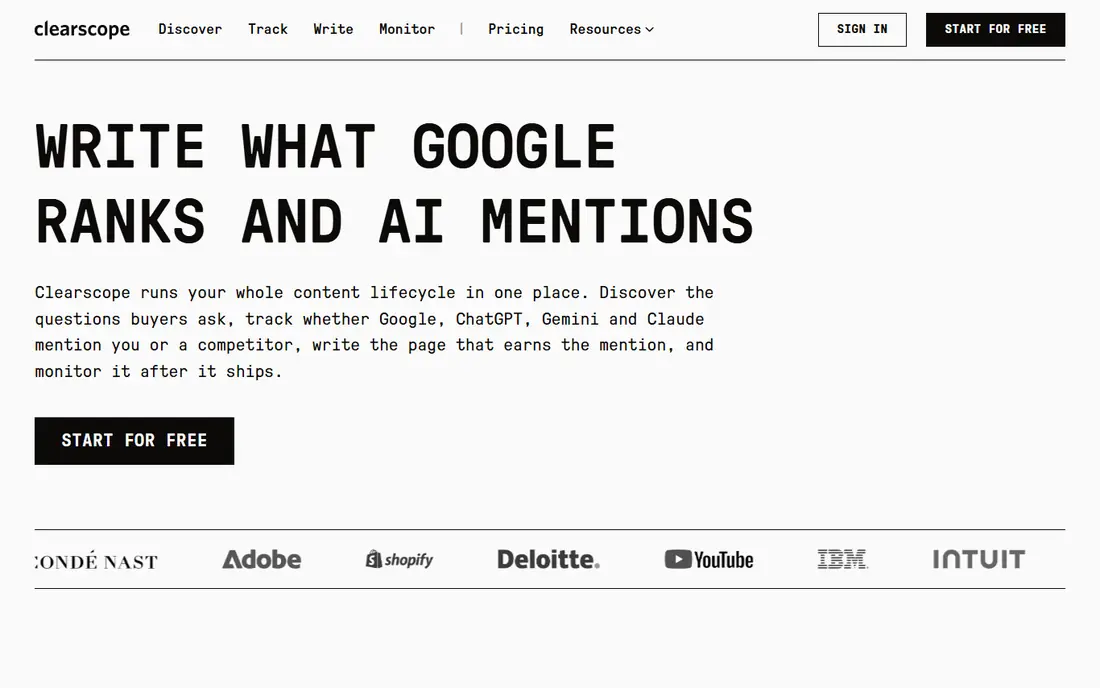
Clearscope suits editorial teams that share drafts, comments and approvals. Its editor is calm and clear, its recommendations focus on terms and questions that matter, and unlimited users mean a whole newsroom can work in one account without per-seat fees. Published pricing lists Essentials at 129 dollars per month, with tracked queries, pages and monthly drafts included.
The catch is that unlimited users does not mean unlimited work. Draft and page limits still bind, so a busy team must size the plan by output, not by headcount. Clearscope earns its price when several editors share one workspace and per-seat billing would otherwise dominate the bill.
- Clean, simple editor writers like
- Unlimited users and projects on every plan
- Query tracking included
- Expensive for solo writers
- Draft and page limits still apply despite unlimited users
NeuronWriter
Ideal for: Low-budget solo work
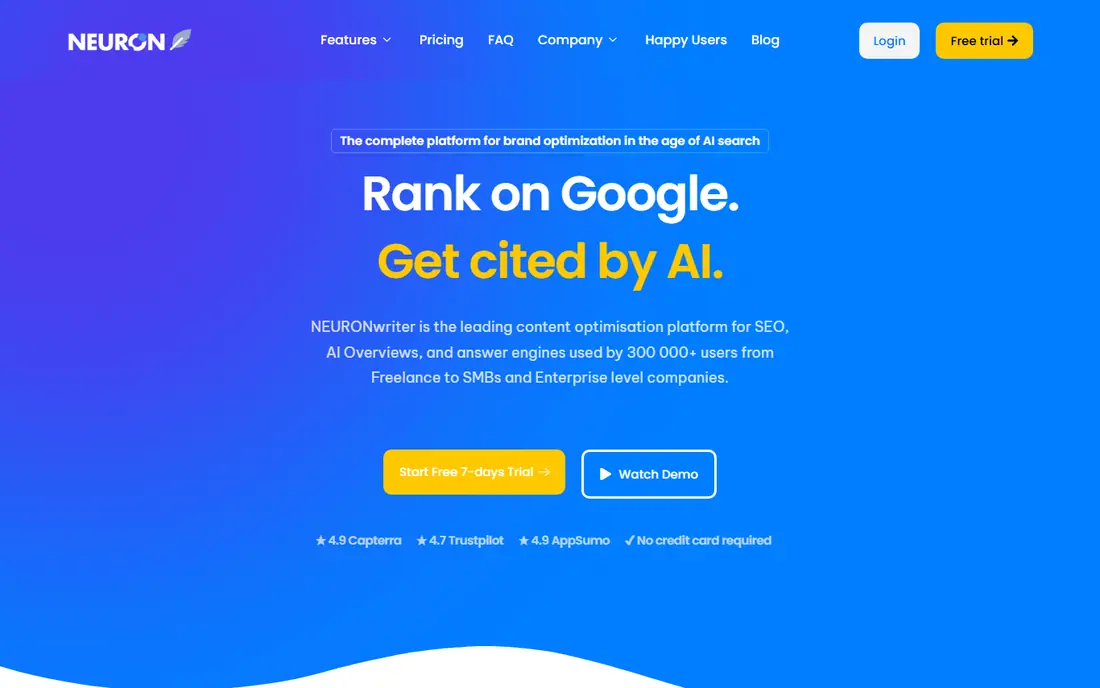
NeuronWriter is the budget pick for solo writers and small sites. It analyses top-ranking pages, suggests semantic terms, scores drafts and tracks content, at a price far below Clearscope. Published pricing lists Bronze at 23 dollars per month, or 19 dollars per month on annual billing, with content analyses and projects included, plus a trial on higher terms.
The weakness is polish and ecosystem. Integrations are fewer, the interface is less refined, and teams that need shared workflows may prefer Frase or Clearscope. For a solo writer publishing a few articles per month, NeuronWriter covers the core job at a price that is easy to justify.
- Lowest serious price in this list
- Semantic analysis with content scores
- Straightforward writer workflow
- Fewer integrations than larger rivals
- Interface feels rougher than Clearscope
MarketMuse
Ideal for: Site-wide topic planning
MarketMuse answers a different question: what should the site cover next? Its topic modelling maps your content inventory, finds gaps against competitors, and prioritises topics by authority potential, which suits teams planning a content programme rather than fixing one article. A free plan covers a limited number of queries per month, with paid tiers available by quote.
The limit is single-article depth. MarketMuse plans well, but a writer who needs a live score while drafting may still want Frase, Clearscope or NeuronWriter beside it. Use MarketMuse for strategy, and pair it with an editor tool for daily drafting.
- Topic modelling across a whole site
- Free plan with monthly queries
- Inventory and gap analysis
- Paid pricing is not fully public
- Optimiser depth is lighter than Frase for single articles
PageOptimizer Pro
Ideal for: Technical on-page reports
PageOptimizer Pro suits technical SEOs who want precise on-page reports. It analyses ranking pages in detail, gives term usage and structure guidance, and produces reports that suit audits and client work. Published pricing lists Basic at about 40 dollars per month, with higher tiers for agencies handling many clients.
The drawback is workflow. PageOptimizer Pro is report-led, so writers who want a live drafting score may prefer Frase or Clearscope. Specialists who audit pages, write briefs from data and hand them to writers will get more from its depth than from a prettier editor.
- Detailed on-page analysis for specialists
- Clear term and structure guidance
- One-off reports suit audits
- No free trial, only a refund guarantee on some plans
- Workflow is report-led, not draft-led
Scalenut
Ideal for: AI search content and clusters
Scalenut combines keyword clustering, briefs, AI-assisted drafting and optimisation, with growing attention to AI search visibility. That mix suits teams producing cluster content for both Google and AI answers, rather than optimising isolated pages. Published pricing lists Starter at about 59 dollars per month, with annual offers sometimes lower for a limited time.
The catch is price clarity. Promo annual rates change, so confirm the renewal price, not just the first-year offer, before committing. Scalenut fits teams that plan clusters and want AI visibility tracking inside the same tool as drafting.
- Keyword clusters and content planning
- AI search visibility features
- Cruise-mode drafting for teams
- Monthly price is higher than NeuronWriter
- Annual promo pricing is labelled limited-time
Semrush
Ideal for: All-in-one SEO suite
Semrush is the suite pick. If you already pay for keyword research, backlinks, site audits and competitor tracking, its content toolkit may replace a separate optimiser without a second subscription. Published pricing lists the entry suite plan at about 139 dollars per month, with AI search features on higher tiers and a trial for new users.
The weakness is focus. Semrush does many jobs well, but a dedicated optimiser such as Frase or Clearscope may feel sharper for daily drafting. Choose Semrush when you need the full suite anyway, and add a dedicated tool only if drafting depth becomes the bottleneck.
- Keyword, backlink, site and competitor research in one suite
- Content toolkit included
- AI search features on higher plans
- Content optimisation is one part of a large suite
- AI visibility needs higher tiers
Dashword
Ideal for: Simple briefs for freelancers
Dashword suits freelancers and small teams that mainly need clear briefs. It analyses ranking pages, builds a brief with terms and questions, and shares it with writers through a simple link, without the weight of a full suite. Published summaries have listed plans from about 39 dollars per month, though current pricing should be confirmed on the vendor site.
The limit is depth. Dashword covers briefs well, but teams that need drafting, publishing and AI visibility tracking will need Frase, Scalenut or Semrush beside it. For a freelancer who writes briefs for clients, Dashword keeps the workflow light and affordable.
- Clean brief builder for freelancers
- Real-time SERP analysis
- Simple sharing with writers
- Smaller feature set than Frase
- Pricing and limits should be confirmed on the vendor site
How we picked these
We compared official pricing pages, document and draft limits, editor quality, brief tools and AI visibility features for tools still operating in October 2026. We kept research-led, editor-led and suite options separate in our thinking, since a solo writer and an agency do not need the same tool. We did not test ranking gains, since no optimiser can promise a position, and we did not repeat vendor score claims as proof of results.
What to check before you buy
Start with your monthly output. Optimiser pricing is usually capped by documents, drafts or articles per month, and those caps matter more than the headline price. Count articles, audits and briefs you will actually produce, then size the plan by that total, not by the cheapest tier. A plan that stops mid-month will cost you more in delays than the next tier costs in dollars.
Next, test the editor with a real article. Paste a draft, follow the term and structure suggestions, and judge whether the advice improves the piece or just adds words. A higher score does not prove a better article, and stuffing terms can harm readability. The best tool is the one whose suggestions your writers accept and whose briefs your editors trust.
Finally, check AI visibility coverage for your market. If tracking whether ChatGPT, Google AI answers or Perplexity mention your brand matters, confirm which AI platforms each plan covers and how often prompts refresh. Entry plans may cover fewer platforms or refresh weekly, while daily tracking and more platforms sit on higher tiers.
Frequently asked questions
What is the best Surfer SEO alternative?
Frase is our pick for most users because it covers research, briefs, drafting, scoring and AI visibility in one workflow. Clearscope suits shared editorial teams, NeuronWriter suits solo budgets, and Semrush suits teams that already need a full SEO suite.
Is there a free Surfer SEO alternative?
MarketMuse offers a free plan with a limited number of queries per month, which suits site planning rather than daily drafting. Most dedicated optimisers offer trials rather than permanent free plans, so budget for a paid tier if you publish regularly.
Do content scores guarantee higher rankings?
No. A content score measures coverage against top-ranking pages, but rankings also depend on authority, links, page experience and search intent. Use scores as a checklist for missing terms and structure, not as a promise of a position.
How many articles can I optimise per month?
It depends on the plan. Frase Starter covers 10 articles per month, Clearscope Essentials covers a set number of drafts, and NeuronWriter Bronze covers a set number of analyses. Always check the current limits on the vendor pricing page before buying.
Should I switch from Surfer SEO?
Switch if price, document limits, AI visibility needs or workflow fit push you elsewhere, not just because of a new feature list. Test one alternative with real articles for a month, compare draft quality and team adoption, and only then move your whole programme.