Start with Epic Systems if you need established clinical record foundation. Allscripts is better for data-driven healthcare options and insights, and Google Cloud Healthcare API is better for standards-based health data interoperability. Prices, free plans and limits for all 5 tools follow.
Ainotely put together this guide to custom healthcare software developers for readers who want a clear shortlist without reading every vendor page. It compares 5 tools on starting price, free plans, who each one suits and where each one falls short.
Key takeaways
Top of the list is Epic Systems, which targets established clinical record foundation.
Epic Systems, AWS for Health and the 3 others all sell by quote; expect sales conversations before you see a price.
For analytics and machine learning in health, AWS for Health is worth a look.
Salesforce Health Cloud comes with a trade-off: customization effort can be significant.
Only AWS for Health offers a free plan among these 5 tools.
For established clinical record foundation, Epic Systems is a natural candidate. Epic Systems develops software intended to help people get well, stay well and help future generations be healthier, with the patient at the heart of its messaging.
Limits to weigh: Custom work usually follows vendor frameworks.
For everyday use, projects need integration planning and appropriate resources. Check the vendor site for Epic Systems pricing; none is listed in this comparison. Free options: Not stated.
Best for: Data-driven healthcare options and insights
Choose Allscripts for data-driven healthcare options and insights. Teams wanting a single narrow API layer may prefer a focused cloud service. In daily use, Allscripts, presented under the Veradigm brand, gives you data-driven healthcare options and insights built on validated and trusted data sources, technologies and methodologies.
Where it is weaker: Custom development relies on chosen modules.
Its wide spectrum of options is positioned to meet critical needs at every level, which fits organizations looking for a vendor with an established data and clinical software background for custom projects. The breadth of the portfolio can make it hard to identify the right starting point, so buyers should define requirements first. This comparison lists no price for Allscripts; ask the vendor. As for free access: Not stated.
Best for: Standards-based health data interoperability
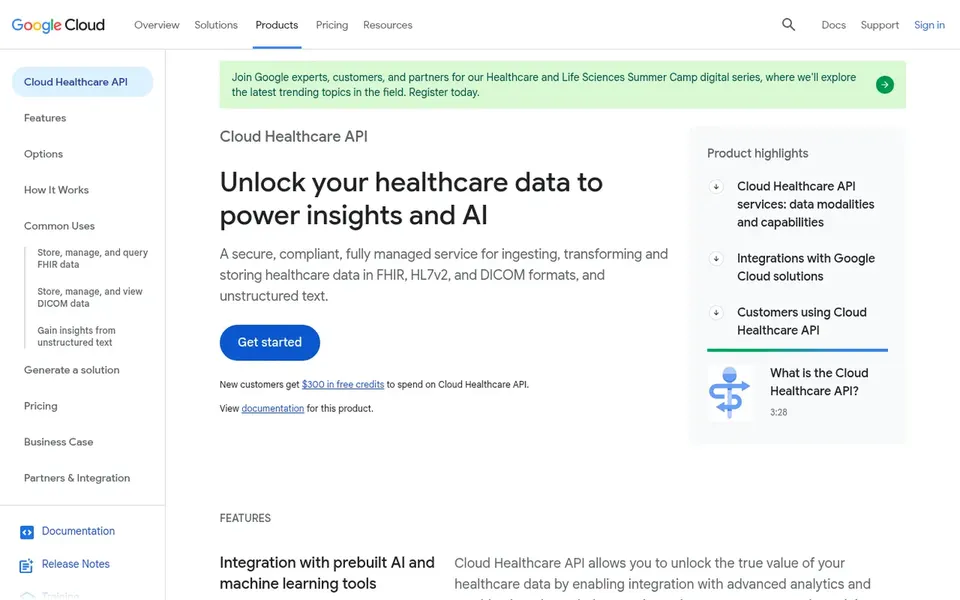
Think of Google Cloud Healthcare API for standards-based health data interoperability. Google Cloud Healthcare API is a managed service for storing and exchanging healthcare data in FHIR, HL7v2 and DICOM formats, plus unstructured text handled through natural language processing.
Strengths: HL7v2 and DICOM formats.
Where it falls short: Needs cloud engineering skills.
In daily use, Cloud engineering expertise is required to configure and operate it well. Check the vendor site for Google Cloud Healthcare API pricing; none is listed in this comparison. Free options: Not stated.
Best for: Care coordination and patient engagement workflows
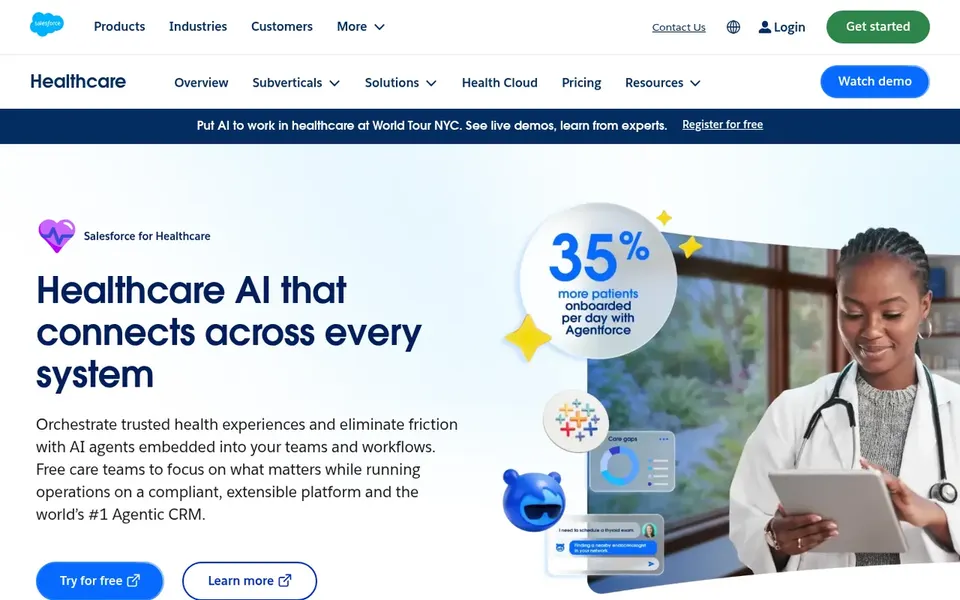
Salesforce Health Cloud was built for care coordination and patient engagement workflows. Teams needing deep clinical charting should pair it with a dedicated clinical system.
The product is oriented toward engagement and workflow instead of core clinical documentation, so it normally complements an EHR rather than replacing one. This comparison lists no price for Salesforce Health Cloud; ask the vendor. As for free access: Free trial.
Where it falls short: Centred on engagement instead of clinical records.
Best for: Analytics and machine learning in health
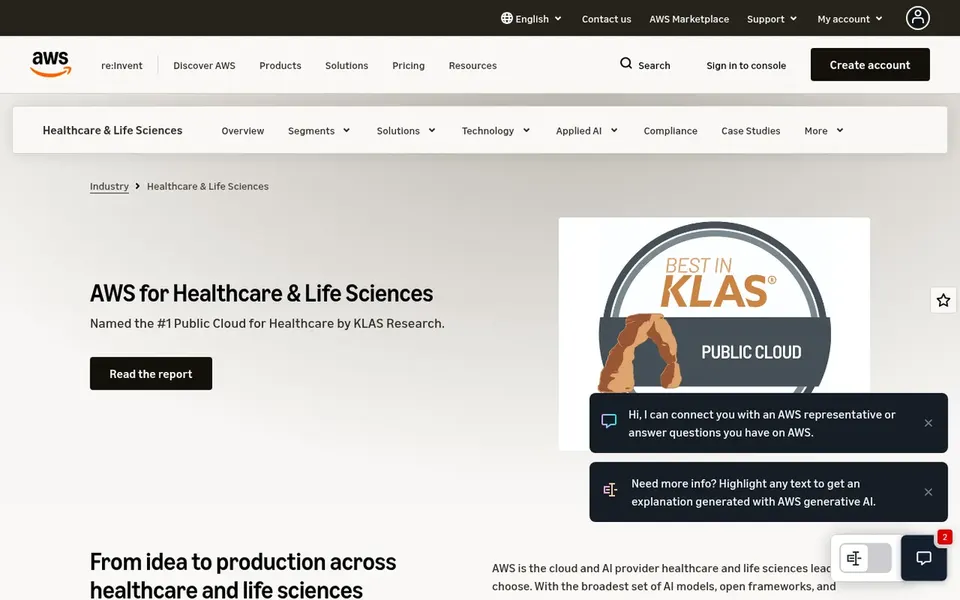
AWS for Health targets analytics and machine learning in health. AWS for Health describes how cloud technology supports pharma, biotech, genomics, healthcare providers and payers, including big data analytics, high-performance computing and machine learning.
Limits to weigh: Custom builds need cloud expertise.
Main advantages: Wide cloud services for healthcare and life sciences. Since AWS for Health is a collection of cloud capabilities instead of a single packaged application, teams must architect and integrate the pieces themselves. For everyday use, groups wanting a ready clinical system should consider the EHR-focused choices here. Check the vendor site for AWS for Health pricing; none is listed in this comparison. AWS for Health includes a free tier.
Ask each vendor, from Epic Systems to AWS for Health, for a written quote; none of them publishes a starting price.
Test the free plan from AWS for Health against your real workload before relying on it.
Run a trial of Salesforce Health Cloud with real work before paying for a year; your own workflow is the best test.
Read the limits listed for Epic Systems first: custom work typically follows vendor frameworks.
List the apps you already depend on and check that Salesforce Health Cloud supports each one on the plan you would buy.
Confirm you can export your data from Epic Systems, so leaving later does not mean losing records.
How we picked
Selection started from tools commonly considered for custom healthcare software developers, then narrowed to 5 that have clear pricing information or a clear quote process. Plan names, prices and limits change often. Treat the figures here as a starting point and verify them with the vendor. The order reflects how well each tool fits the most common buying scenario for custom healthcare software developers, then price clarity, then free plan access. It is a starting point, not a verdict.
Every price and plan detail on this page comes from the vendors’ own websites. We did not run hands-on tests unless the text says so, and we do not publish star ratings or review scores. See how we score and our disclosure.
Keep your shortlist in one place
Paste prices, trial dates and notes from this guide into Ainotely, our AI note app. It files them into a topic and pulls out tasks like “cancel trial by Friday”. Free 7-day trial, no card needed.
How are the tools for custom healthcare software developers ordered?
The order follows typical fit for custom healthcare software developers, with Epic Systems first and AWS for Health last, then price clarity and free access. It is editorial judgement, not a score, so another team could rank the tools differently.
What should I look for in a custom healthcare software developer?
Start with data standards support, security and compliance posture, and how much customization the product permits. Then check integration choices with your existing systems and the engineering skills the system demands.
Do these tools publish their prices?
No. None of the tools, from Epic Systems to AWS for Health, shows a fixed starting price here, so budget time for quotes.
Is Epic Systems the right pick for everyone comparing custom healthcare software developers?
No single tool suits every team. Epic Systems comes first because it fits established clinical record foundation, while Allscripts suits data-driven healthcare solutions and insights and Google Cloud Healthcare API suits standards-based health data interoperability. Match the tool to your own size, budget and workflow before deciding.
Which options for custom healthcare software developers have a free plan?
AWS for Health is the only tool in this list with a free plan. Free plans usually cap users, projects or features, so check the limits on the vendor page. One other tool offers a trial instead. All 5 picks in this custom healthcare software developers comparison show their pricing, free plan details and main limits on the cards above.